ნახვა ინტერьерში
 გაგზავნა
 გაზიარება
 დეტალები
 გზამკვლევი

 ჩამოტვირთვა
 მსგავსები
 რენტგენოგრაფიული კვლევა
 სლაიდშოუ
 Q&A
Q&A სტატისტიკა
ხატოვანი და მისი პგუ

- 90.0 x 69.0 cm


 სრული ტექსტის ნახვა
გიკლე / ხელოვნების პრინტი
მუზეუმის დონის ჟიკლე ან ტილოზე ბეჭდვა სწრაფი წარმოებისა და დასრულების მოქნილი ვარიანტებით. ( შეიძინეთ ხელით შესრულებული ნახატი გადასვლა ციფრულ გამოსახულებაზე)




P118B ₾10

P118H ₾10

P118W ₾10

P438Z ₾10

P508JH ₾12

P508YH ₾12

P805H ₾10

P805Z ₾10

P919BZ ₾10

P919G ₾10

P919XJ ₾10

P959ZH ₾10

P968JZ ₾12

W106C ₾8

W218G ₾10

W218JH ₾8

W218Y ₾10

W307PJ ₾10

W316G ₾10

W316PJ ₾8

W316Y ₾10

W398PJ ₾8

W4111J ₾10

W500HY ₾15

W500JH ₾15

W692G ₾12

W849H ₾8

W940BG ₾15

W953PJ ₾8




აირჩიეთ ჩვენს მიერ წინასწარ განსაზღვრული ზომებიდან, რომლებიც ნაწარმოების ორიგინალურ პროპორციებს შეესაბამება.

შეიყვანეთ თქვენთვის საჭირო სიგანე და სიმაღლე, რათა იგი მოერგოს თქვენს ჩარჩოს ან კედელს. ბეჭდვისას შესაძლებელია მხოლოდ მისი შემცირება და არა გაზრდა, ამიტომ სხვა ფორმის ზომის შემთხვევაში გამოსახულება ნაწილობრივ იკარგება. სანამ რაიმეს დაბეჭდავთ, ჩვენ გამოგიგზავნით ციფრულ მაკეტს დასდასტურებლად. ამ გვერდზე ნაჩვენები სურათი არ ასახავს რეალურ ჭრას — ამას მხოლოდ მაკეტი გვიჩვენებს.
მიწოდება მთელ მსოფლიოში () 2 კვირაში, სტანდარტული 4/5 კვირის ნაცვლად. (1 ნოემბერი)

უფასო ექსპრეს მიწოდება მთელ მსოფლიოში

მაღალი ხარისხის ტილო

ტრანსპორტირების სრული დაზღვევა

საბაჟო გადასახადების დაბრუნების გარანტია

ფერების სრული შესაბამისობის გარანტია

დაბრუნების 100-დღიანი პერიოდი (მხოლოდ წარმოების დეფექტის შემთხვევაში)

100% თანხის სრული დაბრუნების გარანტია

ფასდაკლება დიდი რაოდენობით შეკვეთისას
 მინის ჩარჩოს არჩევანი ხელმისაწვდომია მხოლოდ 110 სმ-მდე ზომისთვის

ხატოვანი და მისი პგუ
გიკლე / ხელოვნების პრინტი
რეპროდუქციის ზომა
-


ჯამური ღირებულება
₾ 208
The Painter and his Pug: A Portrait of Artistic Identity
- Обзор: Уильяма Хогарта “Художник и его пудель” (1745) – это не просто автопортрет; это тщательно продуманное заявление об художнике, его ремесле и его месте в обществе. Эта картина на холсте с маслом дает представление о жизни одного из самых значительных сатирических художников Великобритании, демонстрируя не только его сходство, но и его интеллектуальные занятия и личный характер через символические детали.
Изменяющийся автопортрет: От формального к интимному
- Происхождение “Художника и его пуделя” раскрывает увлекательную эволюцию в художественном подходе Хогарта. Первоначально задуманный в середине 1730-х годов, портрет изображал художника в более формальной одежде – с париком и сюртуком. Однако позже Хогарт пересмотрел это, предпочтя более расслабленное изображение с шляпой и повседневной одеждой. Этот переход указывает на отход от жесткой формальности в сторону большего акцента на аутентичности и самовыражении.
- Сам фон полон смысла. Автопортрет Хогарта покоится на томах Шекспира, Свифта и Мильтона – литературных гигантов, которые глубоко повлияли на его собственную приверженность драме, сатире и эпическому повествованию. Эти авторы представляют собой интеллектуальные основы художеческого видения Хогарта, подчеркивая его вовлеченность в повествование и социальный комментарий.
Символизм и характер: Линия Красоты и Граня и Трамп
- Над палитрой Хогарта висит значимый элемент – “Линия Красоты и Грации”. Это представляет собой собственные теории Хогарта об эстетике, руководящий принцип в его художественной практике. Это означает его веру в порядок, гармонию и пропорцию как важнейшие компоненты красивого искусства.
- Трамп, пудель: Возможно, самый очаровательный элемент портрета – пудель Хогарта, Трамп. Больше чем просто домашнее животное, Трамп служит эмблемой собственного характера художника – “pugnacious”, то есть напористый и конфронтационный. Особенности собаки поразительно похожи на черты Хогарта, еще больше размывая границы между художником и субъектом, предполагая общую душу.
- Примечательно, что Трампа изображают с отчетликим отсутствием вовлеченности в художественную среду – безразличным к книгам, палитре и даже самой картине. Этот деталь привел некоторых искусствоведов к тому, чтобы интерпретировать сцену как тонкий Vanitas натюрморт, напоминание о мимолётности земных занятий.
Художественная техника и исторический контекст
- Мастерское использование Хогартом кьяроскуро – драматичного контраста между светом и тенью – скульптурирует фигуры и создает глубину в композиции. Пирамидальная структура, с Хогартом как центральной фигурой, уравновешенной Трампом с правой стороны, придает портрету ощущение стабильности и формальности.
- Картина иллюстрирует стиль британского портрета 18-го века, характеризующийся реализмом, вниманием к деталям и формальным представлениями. Техника Хогарта заключалась в тщательном нанесении масляных красок для создания текстуры и достижения тонких градаций тона, что привело к созданию богатого и визуально впечатляющего изображения.
- “Художник и его пудель” предоставляет ценную информацию о жизни и художественной философии Уильяма Хогарта, ключевой фигуры в британском искусстве. Это свидетельство его мастерства как портретиста и его способности вносить личные детали с символической смыслом, создавая произведение, которое продолжает волновать зрителей сегодня.
О художнике: Уильям Хогарт
- Родился: 10 ноября 1697 г., в Лондоне, Великобритания.
- Ранняя жизнь Хогарта была отмечена практическим воспитанием. Его отец, латинский школьный учитель и издатель, внушил ему любовь к учению, хотя он рано проявил склонность к художественным занятиям.
- В 1718 году он начал обучение у Эллиса Гэмпби, гравера в Leicester Fields. Этот опыт оказался решающим, отточив его технические навыки в гравюре на картоне и заложив основу для его будущей карьеры.
- Это раннее знакомство с коммерческим искусством оказало значительное влияние на художественный тон Хогарта, часто характеризующийся острым, критическим краем.
- Творческий диапазон Хогарта был поразительно разнообразен. Он преуспел в реалистичном портрете, но наиболее известен своими новаторскими комическими картинными сериями, которые
კითხვები და პასუხები
ზოგადად, რამდენად ნათელია "ხატოვანი და მისი პგუ"?
აღქმული სიკაშკაშის თვალსაზრისით, ვილიამ ჰოგარ்த்-ის „ხატოვანი და მისი პგუ“ არის ღრმა ჩრდილი.
არის თუ არა ვილიამ ჰოგარ்த்-ის „ხატოვანი და მისი პგუ“ რეკომენდებული საჩუქრად და ვისთვის?
"ხატოვანი და მისი პგუ" სასურველია დაბადების დღე-ისთვის, როგორც საჩუქარი, განაცხადი-ის გათვალისწინებით.
არის თუ არა "ხატოვანი და მისი პგუ" ცნობილი Baroque მიმდევრობის ნამუშევარი?
ვილიამ ჰოგარ்த்-ის „ხატოვანი და მისი პგუ“ შეფასებულია როგორც აღიარებული და მიეკუთვნება Baroque სტილის მიმდევრობას.
მხატვრის ბიოგრაფია
A London Life in Ink and Paint: The World of William Hogarth
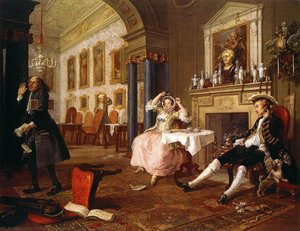
William Hogarth, born into the bustling heart of 18th-century London in 1697, was more than just an artist; he was a visual historian, a keen observer of human nature, and a satirical commentator on the societal currents of his age. His life story is inextricably linked to the very fabric of England during a period of significant transformation – its burgeoning ambitions, underlying anxieties, and pervasive hypocrisies all finding potent expression in his remarkably detailed and often biting works. The son of a struggling Latin schoolmaster, Hogarth’s early experiences instilled within him both a love for learning and a sharp awareness of social inequalities, a foundation that would prove crucial to shaping his artistic vision. Initially apprenticed to an engraver, he quickly demonstrated a talent extending beyond mere technical skill; he possessed an innate ability to observe the nuances of human behavior and translate them into compelling visual narratives. However, he chafed against the constraints of traditional engraving, seeking a more expressive outlet for his burgeoning creativity. This led him to studies at both St Martin’s Lane Academy and under Sir James Thornhill, where he honed his skills in painting and composition, absorbing influences that would later inform his unique style. His formative years were marked by hardship—his father's imprisonment instilled within him a profound understanding of the injustices faced by ordinary people. Yet this adversity fueled his artistic ambition, propelling him toward an unwavering dedication to capturing the complexities of human experience with unflinching honesty. Early sketches revealed a remarkable talent for portraying individuals with sensitivity and accuracy, foreshadowing his later mastery of portraiture and genre painting. He cultivated friendships with fellow artists and intellectuals, fostering a vibrant intellectual environment that nurtured his creative spirit. His fascination with classical art—particularly the works of Albrecht Dürer, Pieter Bruegel the Elder, Leonardo Da Vinci, Raphael, Michelangelo, Nicolas Poussin—provided him with invaluable stylistic models. These masters instilled in him a belief that art should strive for both beauty and moral instruction, shaping his artistic ethos throughout his career.The Birth of Modern Moral Subjects
Hogarth’s true innovation lay not simply *what* he painted, but *how*. He pioneered what he termed “modern moral subjects” – series of pictures designed to tell a story, often imbued with a strong satirical edge. These weren’t isolated portraits or landscapes; they were visual novels unfolding before the viewer’s eyes, offering pointed commentary on contemporary society. A Harlot's Progress, created in 1742, stands as perhaps his most famous example. This series of six paintings meticulously follows the tragic downfall of Mary, a young woman arriving in London full of hope but quickly succumbing to the temptations and dangers of city life. Each scene is rendered with painstaking detail, filled with symbolic elements that reveal the moral decay surrounding her. The meticulous observation of human behavior—the furtive glances exchanged between prostitutes, the desperate pleas for money, the gradual erosion of virtue—was revolutionary for its time. It challenged viewers to confront uncomfortable truths about themselves and their society, prompting reflection on issues of morality, social responsibility, and personal redemption. Similarly, A Rake's Progress, begun in 1733, charts the reckless decline of Tom Rakewell, a man who squanders his inheritance on gambling, debauchery, and ultimately, madness. The depiction of opulent excess juxtaposed with moral degradation served as a searing indictment of aristocratic decadence—a critique that resonated powerfully with audiences concerned about social stability and ethical conduct. Hogarth’s technique was characterized by a masterful use of line and shading, particularly evident in his engravings. He employed a distinctive cross-hatching technique that created depth and texture, bringing his scenes to life with remarkable clarity. This method allowed him to convey emotion and atmosphere with unparalleled precision—capturing the nuances of human expression and the subtleties of light and shadow. Furthermore, he possessed an exceptional eye for composition, arranging figures and objects within the frame to create dynamic and engaging narratives. He skillfully utilized perspective and spatial relationships to guide the viewer’s gaze and heighten the dramatic impact of his images. His artistic vision was profoundly influenced by classical art—particularly the works of Rembrandt and Rubens—who championed realism and psychological insight. These masters instilled in him a belief that art should strive for both beauty and moral instruction, shaping his artistic ethos throughout his career. He sought to hold a mirror up to nature, reflecting both its splendor and its ugliness with uncompromising honesty.Influences Beyond Art: Literature and Society
Hogarth’s intellectual curiosity extended beyond visual arts; he was deeply engaged in literary discussions and actively participated in the vibrant cultural life of London. His correspondence reveals an astute understanding of philosophical ideas—particularly those championed by Voltaire and Rousseau—which informed his social observations. He recognized that art should serve as a catalyst for critical reflection, prompting viewers to question prevailing assumptions about morality, politics, and human behavior. Hogarth’s engagement with the theater—where he served as a scenic artist—provided him with firsthand experience of societal trends and anxieties. He meticulously documented theatrical productions, capturing their costumes, sets, and performances with remarkable accuracy. This practice honed his observational skills and deepened his appreciation for storytelling—a skill that would ultimately define his artistic legacy. His unwavering commitment to social justice fueled his satirical endeavors—he tirelessly denounced corruption, hypocrisy, and oppression wherever he encountered them. He believed that art had a moral obligation to challenge injustice and advocate for the rights of marginalized communities. His unflinching portrayal of poverty, disease, and suffering served as a powerful indictment of societal indifference—a critique that demanded immediate action toward alleviating human misery. Hogarth’s artistic legacy extends far beyond his individual paintings and engravings; he established a tradition of social satire that continues to inspire artists and writers today. He demonstrated that art could be both entertaining and enlightening, fostering empathy for those less fortunate and prompting reflection on the ethical responsibilities of individuals and institutions. His enduring influence testifies to the transformative power of artistic vision—a testament to his unwavering belief in the capacity of art to shape human consciousness and propel social progress.
ვილიამ ჰოგარ்த்
1697 - 1764 , ინგლისი
მოკლე ფაქტები
- Artistic Movement Or Style: სატაურული და რეალიზმი
- Artists Who Influenced This Artist:
- პიერ დე ჰოხი
- ჯონათან სვიფტი
- Date Of Birth: 1697 წლის ნოябрь 10
- Date Of Death: 1764 წლის ოქტომბერი 26
- Full Name: William Hogarth
- Nationality: ინგლისელი
- Notable Artworks:
- მშობლო სადღეგრძნელი
- რაინის მფლობელი
- Place Of Birth: ლონდონი, ინგლისი
მსგავსი სტატიები

ბაროკოს დრამა: ოპულენტურობის და ემოციების შემოტანა თანამედროვე ინტერიერებში
აღმოაჩინეთ ბაროკოს ხელოვნების ოპულენტურობა OriginalUniqueArt-ში! რეკონსტრუქციები, პორტრეტები და ინდივიდუალური შეკვეთები. პროფესიონალური კონსულტაცია თქვენი სახლისთვის.

The Dramatic Flourish: Exploring the Baroque Movement's Enduring Legacy in Art History
Explore the dramatic world of Baroque art! Discover iconic artists like Caravaggio & Rubens, defining techniques, and its lasting impact on art history. Expert insights for collectors & enthusiasts at OriginalUniqueArt.
18th Century Masters: 10 Artworks That Define an Era | OriginalUniqueArt
Journey through 18th century art! Explore 10 iconic paintings – from Rococo elegance to Neoclassical grandeur. Discover Fragonard, David & more. Find museum-quality reproductions and elevate your home decor on OriginalUniqueArt.com.

ბարოკოს ეტალონები: 10 შედევრი, რომელმაც განსაზღვრა ეს სტილი | OriginalUniqueArt
აღმოფრთოვანდით ბაროკოს ეპოქის 10 უმშვენიერეს შედევრთან! კარავაჯო, რემბრანდტი და ვერმეერი – გი tanıtեք ამ დიდებულ ხელოვანებს. იხილეთ მათი საუკეთესო ნაშრომები და შექმენით თქვენი სახლისთვის უნიკალური დეკორი OriginalUniqueArt-თან!

William Hogarth: Satire, Social Commentary & the Birth of Modern British Art
Explore the satirical world of William Hogarth, pioneering British painter & engraver. Discover his iconic works like *A Rake's Progress* and insightful social commentary on 18th-century London life.