ნახვა ინტერьерში
 გაგზავნა
 გაზიარება
 დეტალები
 გზამკვლევი

 ჩამოტვირთვა
 მსგავსები
 რენტგენოგრაფიული კვლევა
 სლაიდშოუ
 სტატისტიკა
The Invasion, England

 სრული ტექსტის ნახვა
ხელით შესრულებული ზეთის საღებავით რეპროდუქცია
ტილოზე შესრულებული ფერწერიანი ზეთប្រდათი, თქვენთვის სასურველი ზომისა და ჩარჩოსთვის, ჩვენი ხელოვანების მიერ შეკვეთის საფუძველზე დამზადებული. ( გადართვა ბეჭდვის რეჟიმზე გადასვლა ციფრულ გამოსახულებაზე)




P118B ₾10

P118H ₾10

P118W ₾10

P438Z ₾10

P508JH ₾12

P508YH ₾12

P805H ₾10

P805Z ₾10

P919BZ ₾10

P919G ₾10

P919XJ ₾10

P959ZH ₾10

P968JZ ₾12

W106C ₾8

W218G ₾10

W218JH ₾8

W218Y ₾10

W307PJ ₾10

W316G ₾10

W316PJ ₾8

W316Y ₾10

W398PJ ₾8

W4111J ₾10

W500HY ₾15

W500JH ₾15

W692G ₾12

W849H ₾8

W940BG ₾15

W953PJ ₾8




აირჩიეთ ჩვენს მიერ წინასწარ განსაზღვრული ზომებიდან, რომლებიც ნაწარმოების ორიგინალურ პროპორციებს შეესაბამება.

შეიყვანეთ თქვენთვის საჭირო სიგანე და სიმაღლე, რათა ნახატი მოერგოს თქვენს ჩარჩოს ან კედელს. ვინაიდან ეს ნამუშევარი ხელით არის შესრულებული, სხვა ფორმის ზომის შემთხვევაში, მხატვარმა შესაძლოა სურათის გარშემო ოდნავ მეტი დატოვოს ან შეამციროს — არჩევანი თქვენზეა. დაწყებამდე, დასამტკიცებლად, ჩვენ გამოგიგზავნით ციფრულ მაკეტს. ამ გვერდზე ნაჩვენები სურათი არ ასახავს რეალურ შედეგს — რეალური სახე მხოლოდ მაკეტზე ჩანს.
შეკვეთის შემდეგ, OriginalUniqueArt.com გუნდი დაგიკავშირდებათ ელექტრონული ფოსტით ინსტრუქციებისთვის და გამოგიგზავნით წინასწარ ნახაზს (mockup).
მიწოდება მსოფლიო მასშტაბით -ში 3/4 კვირაში, სტანდარტული 5 კვირის ნაცვლად. (26 ოქტომბერი). ხარისხზე კომპრომისის გაკეთება არ მოხდება.

უფასო ექსპრეს მიწოდება მთელ მსოფლიოში

მაღალი ხარისხის ტილო

ტრანსპორტირების სრული დაზღვევა

საბაჟო გადასახადების დაბრუნების გარანტია

ფერების სრული შესაბამისობის გარანტია

დაბრუნების 100-დღიანი პერიოდი (მხოლოდ წარმოების დეფექტის შემთხვევაში)

100% თანხის სრული დაბრუნების გარანტია

ფასდაკლება დიდი რაოდენობით შეკვეთისას
 მინის ჩარჩოს არჩევანი ხელმისაწვდომია მხოლოდ 110 სმ-მდე ზომისთვის

The Invasion, England
რეპროდუქციის ტექნიკა
რეპროდუქციის ზომა
-


ჯამური ღირებულება
₾ 781
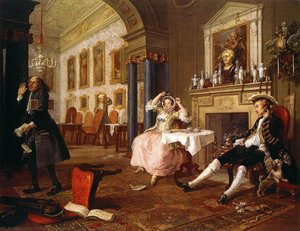
The Invasion, England: A Satirical Reflection on National Anxiety
William Hogarth’s “The Invasion,” Plate 2: England stands as a remarkable testament to the artist's ability to distill complex anxieties surrounding political instability into a visually arresting tableau. Executed in 1756 during the tumultuous backdrop of the Seven Years’ War – a conflict that gripped Europe and fueled fears of French aggression against Britain – this etching captures not merely an event but also the psychological state of a nation grappling with uncertainty.
- Subject Matter: The print depicts a bustling inn scene dominated by British soldiers, juxtaposed against a caricature of Louis XV—a deliberate provocation aimed at undermining royal prestige and bolstering morale.
- Style & Technique: Hogarth’s masterful use of etching demonstrates his meticulous attention to detail, mirroring the precision required for military preparedness. The chiaroscuro technique – dramatic contrasts between light and dark – amplifies the scene's tension and underscores the seriousness of the depicted predicament.
Beyond its immediate depiction of warfare, “The Invasion” operates on a deeper symbolic level. The inclusion of a monk wielding instruments of torture serves as a potent reminder of anxieties regarding papal influence and religious dissent—a common preoccupation during Hogarth’s era. Furthermore, the juxtaposition of the confident British soldiers with the hapless French king highlights the disparity in power and reinforces the narrative of Britain's resilience.
- Historical Context: Created amidst escalating tensions between Britain and France, the print reflects the pervasive fear that Louis XV’s ambitions would culminate in a full-scale invasion. It’s crucial to note Hogarth’s earlier work “The Gate of Calais,” which similarly confronted similar anxieties about papal influence and military preparedness.
- Emotional Impact: The print's overall atmosphere is charged with apprehension yet underpinned by an underlying sense of defiance—a characteristic that resonates powerfully with viewers today. It exemplifies Hogarth’s ability to convey profound psychological truths through visual storytelling.
“The Invasion,” Plate 2: England remains a captivating artwork not only for its technical brilliance but also for its enduring relevance as a commentary on national identity and the anxieties inherent in times of crisis. Its meticulous observation of human behavior and its unflinching portrayal of societal concerns solidify Hogarth’s position as one of Britain's most astute social historians.
კითხვები და პასუხები
რა არის გამოსახული ვილიამ ჰოგარ்த்-ის „The Invasion, England“-ში და რა განწყობას გადმოგვცემს იგი?
"The Invasion, England" ასახავს military conflict, british defense, social satire, royal propaganda, public morale, historical event, political critique-ს, ხოლო მისი განწყობა არის Dramatic.
რომელი მხატვარი და რომელი სტილი დგას „The Invasion, England“-ის უკან?
ვილიამ ჰოგარ்த்-მა შექმნა „The Invasion, England“ Social Commentary Printmaking სტილის ფარგლებში.
ვილიამ ჰოგარ்த்-ის „The Invasion, England“-ის ფერები მკვეთრია თუ მკრთალი?
ვილიამ ჰოგარ்த்-ის „The Invasion, England“-ში ფიქსირდება Muted გაჯერებულობა და Monochromatic ინტენსივობა.
მხატვრის ბიოგრაფია
A London Life in Ink and Paint: The World of William Hogarth
William Hogarth, born into the bustling heart of 18th-century London in 1697, was more than just an artist; he was a visual historian, a keen observer of human nature, and a satirical commentator on the societal currents of his age. His life story is inextricably linked to the very fabric of England during a period of significant transformation – its burgeoning ambitions, underlying anxieties, and pervasive hypocrisies all finding potent expression in his remarkably detailed and often biting works. The son of a struggling Latin schoolmaster, Hogarth’s early experiences instilled within him both a love for learning and a sharp awareness of social inequalities, a foundation that would prove crucial to shaping his artistic vision. Initially apprenticed to an engraver, he quickly demonstrated a talent extending beyond mere technical skill; he possessed an innate ability to observe the nuances of human behavior and translate them into compelling visual narratives. However, he chafed against the constraints of traditional engraving, seeking a more expressive outlet for his burgeoning creativity. This led him to studies at both St Martin’s Lane Academy and under Sir James Thornhill, where he honed his skills in painting and composition, absorbing influences that would later inform his unique style. His formative years were marked by hardship—his father's imprisonment instilled within him a profound understanding of the injustices faced by ordinary people. Yet this adversity fueled his artistic ambition, propelling him toward an unwavering dedication to capturing the complexities of human experience with unflinching honesty. Early sketches revealed a remarkable talent for portraying individuals with sensitivity and accuracy, foreshadowing his later mastery of portraiture and genre painting. He cultivated friendships with fellow artists and intellectuals, fostering a vibrant intellectual environment that nurtured his creative spirit. His fascination with classical art—particularly the works of Albrecht Dürer, Pieter Bruegel the Elder, Leonardo Da Vinci, Raphael, Michelangelo, Nicolas Poussin—provided him with invaluable stylistic models. These masters instilled in him a belief that art should strive for both beauty and moral instruction, shaping his artistic ethos throughout his career.The Birth of Modern Moral Subjects
Hogarth’s true innovation lay not simply *what* he painted, but *how*. He pioneered what he termed “modern moral subjects” – series of pictures designed to tell a story, often imbued with a strong satirical edge. These weren’t isolated portraits or landscapes; they were visual novels unfolding before the viewer’s eyes, offering pointed commentary on contemporary society. A Harlot's Progress, created in 1742, stands as perhaps his most famous example. This series of six paintings meticulously follows the tragic downfall of Mary, a young woman arriving in London full of hope but quickly succumbing to the temptations and dangers of city life. Each scene is rendered with painstaking detail, filled with symbolic elements that reveal the moral decay surrounding her. The meticulous observation of human behavior—the furtive glances exchanged between prostitutes, the desperate pleas for money, the gradual erosion of virtue—was revolutionary for its time. It challenged viewers to confront uncomfortable truths about themselves and their society, prompting reflection on issues of morality, social responsibility, and personal redemption. Similarly, A Rake's Progress, begun in 1733, charts the reckless decline of Tom Rakewell, a man who squanders his inheritance on gambling, debauchery, and ultimately, madness. The depiction of opulent excess juxtaposed with moral degradation served as a searing indictment of aristocratic decadence—a critique that resonated powerfully with audiences concerned about social stability and ethical conduct. Hogarth’s technique was characterized by a masterful use of line and shading, particularly evident in his engravings. He employed a distinctive cross-hatching technique that created depth and texture, bringing his scenes to life with remarkable clarity. This method allowed him to convey emotion and atmosphere with unparalleled precision—capturing the nuances of human expression and the subtleties of light and shadow. Furthermore, he possessed an exceptional eye for composition, arranging figures and objects within the frame to create dynamic and engaging narratives. He skillfully utilized perspective and spatial relationships to guide the viewer’s gaze and heighten the dramatic impact of his images. His artistic vision was profoundly influenced by classical art—particularly the works of Rembrandt and Rubens—who championed realism and psychological insight. These masters instilled in him a belief that art should strive for both beauty and moral instruction, shaping his artistic ethos throughout his career. He sought to hold a mirror up to nature, reflecting both its splendor and its ugliness with uncompromising honesty.Influences Beyond Art: Literature and Society
Hogarth’s intellectual curiosity extended beyond visual arts; he was deeply engaged in literary discussions and actively participated in the vibrant cultural life of London. His correspondence reveals an astute understanding of philosophical ideas—particularly those championed by Voltaire and Rousseau—which informed his social observations. He recognized that art should serve as a catalyst for critical reflection, prompting viewers to question prevailing assumptions about morality, politics, and human behavior. Hogarth’s engagement with the theater—where he served as a scenic artist—provided him with firsthand experience of societal trends and anxieties. He meticulously documented theatrical productions, capturing their costumes, sets, and performances with remarkable accuracy. This practice honed his observational skills and deepened his appreciation for storytelling—a skill that would ultimately define his artistic legacy. His unwavering commitment to social justice fueled his satirical endeavors—he tirelessly denounced corruption, hypocrisy, and oppression wherever he encountered them. He believed that art had a moral obligation to challenge injustice and advocate for the rights of marginalized communities. His unflinching portrayal of poverty, disease, and suffering served as a powerful indictment of societal indifference—a critique that demanded immediate action toward alleviating human misery. Hogarth’s artistic legacy extends far beyond his individual paintings and engravings; he established a tradition of social satire that continues to inspire artists and writers today. He demonstrated that art could be both entertaining and enlightening, fostering empathy for those less fortunate and prompting reflection on the ethical responsibilities of individuals and institutions. His enduring influence testifies to the transformative power of artistic vision—a testament to his unwavering belief in the capacity of art to shape human consciousness and propel social progress.
ვილიამ ჰოგარ்த்
1697 - 1764 , ინგლისი
მოკლე ფაქტები
- Artistic Movement Or Style: სატაურული და რეალიზმი
- Artists Who Influenced This Artist:
- პიერ დე ჰოხი
- ჯონათან სვიფტი
- Date Of Birth: 1697 წლის ნოябрь 10
- Date Of Death: 1764 წლის ოქტომბერი 26
- Full Name: William Hogarth
- Nationality: ინგლისელი
- Notable Artworks:
- მშობლო სადღეგრძნელი
- რაინის მფლობელი
- Place Of Birth: ლონდონი, ინგლისი
მსგავსი სტატიები

Echoes of Time: Exploring the Enduring Appeal & Historical Context of Vintage Art Prints
Explore the captivating world of vintage art prints! Discover their history, collecting tips & enduring appeal. Expert insights on chromolithography and building a legacy collection with OriginalUniqueArt.

Giclée Prints: Archival Quality & Aesthetic Nuances for the Discerning Collector
Explore the world of giclée prints with OriginalUniqueArt. Learn about archival quality, aesthetic nuances & investment potential. Expert guidance for discerning art collectors seeking museum-quality reproductions and lasting value.
The Sharpest Wit: A Critical Exploration of Satire in Art History – From Hogarth to Contemporary Critique
Explore the history of satire in art! From Hogarth's London to contemporary critique, discover how artists use wit & visual power to reflect and challenge society. Expert insights at OriginalUniqueArt.

William Hogarth: Satire, Social Commentary & the Birth of Modern British Art
Explore the satirical world of William Hogarth, pioneering British painter & engraver. Discover his iconic works like *A Rake's Progress* and insightful social commentary on 18th-century London life.

The Enduring Legacy of Fine Art Prints: Technique, History & Aesthetic Impact
Explore the rich history & techniques of fine art prints. Discover investment potential, assess authenticity, and learn how to preserve your collection with expert guidance. Trusted insights for discerning collectors.