() ·

თქვენთვის შექმნილი ტილო, ხელით ნამუშევარი

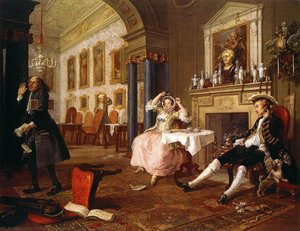
A Harlot's Progress, plate 6

ზეთის საღებავით შესრულებული ხელით ნაკლნა

ტილოზე შესრულებული ფერწერიანი ზეთប្រდათი, თქვენთვის სასურველი ზომისა და ჩარჩოსთვის, ჩვენი ხელოვანების მიერ შეკვეთის საფუძველზე დამზადებული. ( ბეჭდვის რეჟიმზე გადართვა გადართვა ციფრულ გამოსახულებაზე)

კოლექციონირებადი ნივთის აღწერა

A grim and powerful scene of a funeral procession from William Hogarth's 1732 masterpiece A Harlot's Progress captures the biting satire of the English Rococo era, inviting you to explore this profound work of art.

მხატვრის ბიოგრაფია

აღმოაჩინეთ უილიამ ჰოგართის სატირული სამყარო (1697-1764), ინგლისელი მხატვრის და გრავორის ნაშრომები. აღფრთოვანდით "რაქის წინსვლას" და მისი ღრმა სოციალური კომენტარებით.

დაიწყოს ·

თავი 1

რა ზომის უნდა იყოს?

გადაწიეთ სლაიდერი ზომის შესაცვლელად; მარცხენა მხარეს მოცემული გამოსახულება ასახავს ჩარჩოს რეალურ სიგანეს. ორიგინალის პროპორციები შენარჩუნებულია.

სტანდარტული
სასურველი ზომა
CM
INCH

აირჩიეთ ჩვენს მიერ წინასწარ განსაზღვრული ზომებიდან, რომლებიც ნაწარმოების ორიგინალურ პროპორციებს შეესაბამება.

სიგანე
სიმაღლე

შეიყვანეთ თქვენთვის საჭირო სიგანე და სიმაღლე, რათა ნახატი მოერგოს თქვენს ჩარჩოს ან კედელს. ვინაიდან ეს ნამუშევარი ხელით არის შესრულებული, სხვა ფორმის ზომის შემთხვევაში, მხატვარმა შესაძლოა სურათის გარშემო ოდნავ მეტი დატოვოს ან შეამციროს — არჩევანი თქვენზეა. დაწყებამდე, დასამტკიცებლად, ჩვენ გამოგიგზავნით ციფრულ მაკეტს. ამ გვერდზე ნაჩვენები სურათი არ ასახავს რეალურ შედეგს — რეალური სახე მხოლოდ მაკეტზე ჩანს.

თავი 2

როგორ უნდა მოვიდეს?

შეარჩიეთ დაჭიმული ტილოს კიდეები

შეარჩიეთ ჩარჩო

Corner sample of the WhiteWrap canvas edge finish, stretched on მასიური ხე bars
თეთრი კიდეები ₾1
Corner sample of the BlurSideWrap canvas edge finish, stretched on მასიური ხე bars
ბუნდოვანი კიდეები ₾1
Corner sample of the ExtendedWrap canvas edge finish, stretched on მასიური ხე bars
გაფართოებული კიდეები ₾1
Corner sample of the P118B picture frame: ღუმლში ჩამჭედი პოლისტიროლი, 5 cm wide and 3 cm thick
P118B ₾10
Corner sample of the P118H picture frame: ღუმლში ჩამჭედი პოლისტიროლი, 5 cm wide and 3 cm thick
P118H ₾10
Corner sample of the P118W picture frame: ღუმლში ჩამჭედი პოლისტიროლი, 5 cm wide and 3 cm thick
P118W ₾10
Corner sample of the P438Z picture frame: ღუმლში ჩამჭედი პოლისტიროლი, 5.5 cm wide and 3.5 cm thick
P438Z ₾10
Corner sample of the P508JH picture frame: ღუმლში ჩამჭედი პოლისტიროლი, 7 cm wide and 3.5 cm thick
P508JH ₾12
Corner sample of the P508YH picture frame: ღუმლში ჩამჭედი პოლისტიროლი, 7 cm wide and 3.5 cm thick
P508YH ₾12
Corner sample of the P805H picture frame: ღუმლში ჩამჭედი პოლისტიროლი, 5 cm wide and 3.5 cm thick
P805H ₾10
Corner sample of the P805Z picture frame: ღუმლში ჩამჭედი პოლისტიროლი, 5 cm wide and 3.5 cm thick
P805Z ₾10
Corner sample of the P919BZ picture frame: ღუმლში ჩამჭედი პოლისტიროლი, 7 cm wide and 3.5 cm thick
P919BZ ₾10
Corner sample of the P919G picture frame: ღუმლში ჩამჭედი პოლისტიროლი, 7 cm wide and 3.5 cm thick
P919G ₾10
Corner sample of the P919XJ picture frame: ღუმლში ჩამჭედი პოლისტიროლი, 7 cm wide and 3.5 cm thick
P919XJ ₾10
Corner sample of the P959ZH picture frame: ღუმლში ჩამჭედი პოლისტიროლი, 5 cm wide and 3 cm thick
P959ZH ₾10
Corner sample of the P968JZ picture frame: ღუმლში ჩამჭედი პოლისტიროლი, 6 cm wide and 4 cm thick
P968JZ ₾12
Corner sample of the W106C picture frame: მასიური ხე, 5 cm wide and 3 cm thick
W106C ₾8
Corner sample of the W218G picture frame: მასიური ხე, 5 cm wide and 3 cm thick
W218G ₾10
Corner sample of the W218JH picture frame: მასიური ხე, 5 cm wide and 3 cm thick
W218JH ₾8
Corner sample of the W218Y picture frame: მასიური ხე, 5 cm wide and 3 cm thick
W218Y ₾10
Corner sample of the W307PJ picture frame: მასიური ხე, 6 cm wide and 3 cm thick
W307PJ ₾10
Corner sample of the W316G picture frame: მასიური ხე, 6 cm wide and 3 cm thick
W316G ₾10
Corner sample of the W316PJ picture frame: მასიური ხე, 6 cm wide and 3 cm thick
W316PJ ₾8
Corner sample of the W316Y picture frame: მასიური ხე, 6 cm wide and 3 cm thick
W316Y ₾10
Corner sample of the W398PJ picture frame: მასიური ხე, 5 cm wide and 3 cm thick
W398PJ ₾8
Corner sample of the W4111J picture frame: მასიური ხე, 6.5 cm wide and 3.5 cm thick
W4111J ₾10
Corner sample of the W500HY picture frame: მასიური ხე, 7 cm wide and 5 cm thick
W500HY ₾15
Corner sample of the W500JH picture frame: მასიური ხე, 7 cm wide and 5 cm thick
W500JH ₾15
Corner sample of the W692G picture frame: მასიური ხე, 8 cm wide and 4 cm thick
W692G ₾12
Corner sample of the W849H picture frame: მასიური ხე, 5 cm wide and 3 cm thick
W849H ₾8
Corner sample of the W940BG picture frame: მასიური ხე, 7.5 cm wide and 4.5 cm thick
W940BG ₾15
Corner sample of the W953PJ picture frame: მასიური ხე, 6 cm wide and 3.5 cm thick
W953PJ ₾8
Corner sample of the H24-GOLD picture frame: გასკერული ხე გესოს საფარით, 10 cm wide and 6 cm thick
H24-GOLD ₾30
Corner sample of the H24-SILVER picture frame: გასკერული ხე გესოს საფარით, 10 cm wide and 6 cm thick
H24-SILVER ₾30
Corner sample of the H36-GOLD picture frame: გასკერული ხე გესოს საფარით, 15 cm wide and 6.5 cm thick
H36-GOLD ₾45
Corner sample of the H36-SILVER picture frame: გასკერული ხე გესოს საფარით, 15 cm wide and 6.5 cm thick
H36-SILVER ₾45
ჩარჩოს წინასწარი ნახვა
ჩარჩოჩენილი

ბაკეტის დეკორი: . ზომა ჩარჩოსთან ერთად: .

თავი 3

ვინ ქმნის მას და საჭიროა თუ არა რაიმე ცვლილების შეტანა?

რა შეიძლება შეიცვალოს: სახის ჩანაცვლება მომხმარებლის ფოტოთი; შინაური ცხოველის დამატება (მაგალითად, კატის შეცვლა ძაღლით); ფონზე ფარული შეტყობინების დამატება; ფონის ლანდშაფტის ან ელემენტების შეცვლა.
შეკვეთის შემდეგ, OriginalUniqueArt.com გუნდი გამოგსტავთ ელექტრონულ წერილს ინსტრუქციებისთვის და მოგაწვდით წინასწარ ნახატის (mockup) პრევიუსს

მიწოდება მსოფლიო მასშტაბით -ში 3/4 კვირაში, სტანდარტული 5 კვირის ნაცვლად. (9 ნოემბერი). ხარისხზე კომპრომისის გაკეთება არ მოხდება.

თავი 4

დასკვნითი შტრიხები

სარდაფი, როგორც მუზეუმში?

ბრინჯაოს ამოკვეთილი ფირფიტის დეტალები

This elegant plaque features the artist's name and the title of the artwork, finely engraved for a timeless presentation.

It is made from bronze with a refined, elegant finish. The text is precisely laser-engraved for a sharp and permanent result. Measuring 9x2 cm, the plaque is compact yet easy to read. It's built to be durable and scratch-resistant, offering a professional, museum-quality look. Mounting is simple thanks to the included adhesive backing.

აკრილის გამჭვირვალე ფირფიტის დეტალები

The plaque includes essential engraved details such as the artist's name, the title of the artwork, the date it was created, the type of media used-like oil on canvas or watercolor-a brief description of the piece, and a QR code that links to the complete artwork information.

It is crafted from clear acrylic, offering a sleek, modern appearance. The text is UV-engraved in black to ensure strong visual contrast. With a size of 10x15 cm, it ensures optimal readability. It comes equipped with two metal hooks for secure wall mounting. The plaque is designed to be weather-resistant, making it suitable for various environments, and it includes interactive features that work seamlessly with smartphone scanning.

შავი აკრილის ფირფიტის დეტალები

This elegant plaque includes engraved information such as the artist's name, the title of the artwork, the date it was created, the type of media used (like oil on canvas or watercolor), a short description of the artwork, and a QR code for quick access to more information.

The plaque itself is made from refined black acrylic with a premium finish. The text is laser-engraved in white for high contrast and readability. Its size is 10x15 cm, designed to be easy to read. It comes with two metal hooks for professional mounting. The design is sleek and fits any interior style. It is also weather-resistant and durable, with built-in digital integration for mobile compatibility.

დამცავი ლაქის შერჩევა?

რა თარიღში გესაჭიროებათ?

თავი 5

თქვენი ნახატი ზუსტად ისეთი, როგორ შეუკვეთეთ

A Harlot's Progress, plate 6

რეპროდუქციის მასალა

რეპროდუქციის ზომა

-

ელიტური უფროსი ხელოვანი

უფრო მეტი დეტალიზაცია, დახვეწილობა და დამატებითი დამუშავების დრო

-

რეკლამაციის ჩარჩო

-

-

ნებისმიერი მხარისთვის 105 სმ-ზე (დაახლოებით 41 ინჩი) მეტი ზომის ხელოვნებული ნამუშევრების ან რეპროდუქციებისთვის, ჩარჩო მოგზავნდება დაშლილ კომპლექტში. ეს მეთოდი უზრუნველყოფს უსაფრთხო მიწოდებას და თავიდან აგაცილებთ ტრანსპორტირებისას შესაძლო დაზიანებას.

საჭიროა პროფესიონალური აწყობა — ეს არ არის თვითმომსახურების (DIY) პროდუქტი.
კომპლექტის აწყობა და ტილოს დაჭიმვა უნდა განახორციელოს გამოცდილმა პროფესიონალმა ჩარჩოს დამამზადებელმა, ხის წებოს (არ შედის კომპლექტში), ტილოს დაჭიმვის ბერჭებისა და საკრამების გამოყენებით, რათა წებოს გასაშრობად ღერძები სწორად და სტაბილურად დაფიქსირდეს. არასწორი აწყობა ან ტილოს არათანაბარი დაჭიმვა შეიძლება გამოიწვიოს ნამუშევრის სამუდამო დაზიანება, რაც არ იფარება ჩვენი გარანტიით.

  • კომპლექტში შედის მყარი ხის ყველა ღერძი, ზუსტად გაზომილი და საჭირო ზომაზე დაჭრილი.

  • აწყობისთვის გამოიყენება კომპლექტში არსებული ხრახნები; ასევე დაგჭირდებათ ხის წებო კუთხეების დასაკავშირებლად, რომელიც კომპლექტში არ შედის და მისი შეძენა ჩარჩოს დამამზადებელს დამოუკიდებლად მოუწევს.

  • საჭიროა პროფესიონალური ხელსაწყოები, რომლებიც არ შედის კომპლექტში: ტილოს დაჭიმვის ბრჭყალი (დამჭერი) და სამჭედლები, რათა წებოს გასაშრობ პროცესში რამკოს კუთხეები სწორად ფიქსირდეს.

მნიშვნელოვანია:
კუთხეების დასაკავშირებლად საჭიროა ხის წებო; სანამ წებო სრულად გაშრება, ღერძები დაფიქსირებული უნდა იყოს საკავშირეებით, ხოლო აწყობილ ჩარჩოზე ტილოს დასჭიმად საჭიროა ტილოს დასჭიმელი ბრჭჭვალი. არცერთი ეს ნივთი არ შედის კომპლექტში. გთხოვთ, ამ ზომის შეკვეთამდე წინასწარ დაგეგმოთ გამოცდილი პროფესიონალი ჩარჩოს დამზადებელი.

სახელოვანი ფირფიტა

-

-

დამცავი ლაქი

ბზინვარე ლაქი (აფერსკვიატებს ფერებს და იცავს სინათლისა და ტენისგან)

-

ნამუშევრის პერსონალიზაცია

რა შეიძლება შეიცვალოს (მაგალითები): სახის შეცვლა მომხმარებლის ფოტოთი; შინაური ცხოველის დამატება (მაგალითად, კატის დგებით შეცვლა); ფონზე ფარული შეტყობინების დამატება; ფონის ლანდშაფტის ან ელემენტების შეცვლა.

-

სასწრაფო

მიწოდება მსოფლიო მასშტაბით () 3-4 კვირაში, სტანდარტული 5 კვირის ნაცვლად. (9 ნოემბერი). ხარისხზე კომპრომისის გაკეთება არ მოხდება.

-

სწრაფი მიწოდება

მიწოდება მსოფლიოს მასშტაბით () 5 კვირაში. (16 ნოემბერი).

მოყვება

საბოლოო ღირებულება

₾ 1556

ჯამური ღირებულება ₾ 1556

მინის ჩარჩოს არჩევანი შესაძლებელია მხოლოდ 110 სმ-მდე ზომისთვის

თითოეულ შეკვეთასთან ერთად მოყვება

  • უფასო ექსპრეს მიწოდება მთელ მსოფლიოში
  • მაღალი ხარისხის ტილოს ქსოვილი
  • ტრანსპორტირების სრული დაზღვევა
  • საბაჟო გადასახადების დაბრუნების გარანტია
  • ფერების სრული შესაბამისობის გარანტია
  • დაბრუნების 100-დღიანი პოლიტიკა (მხოლოდ დეფექტის შემთხვევაში)
  • 100% თანხის სრული დაბრუნების გარანტია
  • ფასდაკლება დიდი რაოდენობით შეკვეთისას

A Final Tableau of Moral Decay

In the somber conclusion to William Hogarth’s monumental six-part narrative, A Harlot's Progress, plate 6 emerges as a chillingly visceral study in societal neglect and the tragic end of a life consumed by vice. This final installment of the 1732 series presents us with the grim reality of Moll Flaunders’ demise, moving beyond mere storytelling to offer a searing indictment of 1-8th century London life. The scene is set within a dimly lit, crowded interior that serves as a makeshift wake, where the boundaries between mourning and merriment are disturbingly blurred. As we gaze upon this tableau, we witness not just a funeral procession, but a profound moment of social critique, where the weight of a life lost to syphilis and poverty is met with a chillingly indifferent or even celebratory gathering of acquaintances.

The composition is masterfully dense, utilizing a crowded arrangement of figures that creates an almost claustrophobic atmosphere of chaos. A large, central table dominates the space, cluttered with the remnants of drink and food, around which individuals are positioned in various states of eating, drinking, and socializing. This juxtaposition—the presence of a coffin amidst the revelry of a tavern-like setting—is where Hogarth’s genius truly shines. Through this deliberate contrast, he highlights the hypocrisy of a society that continues its hedonistic pursuits even in the shadow of death, suggesting that the decay of the individual is inextricably linked to the moral rot of the collective.

The Mastery of Line and Monochrome

Technically, this artwork is a triumph of 18th-century printmaking, showcasing Hogarth’s unparalleled skill in etching and engraving on copper. Because the work is entirely monochromatic, it relies heavily on the sophisticated use of light and shadow to convey depth and emotion. The artist employs intricate linework, characterized by dense hatching and cross-hatching, to sculpt the forms of the figures and imbue the scene with a remarkable sense of texture. One can almost feel the heavy drape of coarse fabrics, the rough grain of wooden surfaces, and the weathered skin of the mourners through the precise control of these tonal variations.

The lighting within the piece is diffused and uneven, suggesting an interior space illuminated by flickering candles or oil lamps. This creates stark highlights and deep, swallowing shadows that add to the dramatic, theatrical intensity of the Rococo tradition. These shadows do more than just provide volume; they shroud the scene in a sense of mystery and gloom, reinforcing the theme of a life extinguished. For the collector or interior designer, this print offers a profound visual depth; its monochromatic palette allows it to serve as a sophisticated focal point that brings a sense of historical gravity and intellectual intrigue to any curated space.

A Legacy of Satire and Social Truth

Beyond its technical brilliance, A Harlot's Progress, plate 6 carries an immense emotional and symbolic weight. It is a work that demands reflection on the consequences of choice and the systemic failures of a society that allows such tragedies to unfold. The symbols scattered throughout the scene—the empty vessels, the disarrayed food, and the indifferent faces—all contribute to a narrative of loss and abandonment. Hogarth does not merely depict a death; he captures the echoes of a life lived on the fringes of respectability.

For those drawn to art that tells a story, this plate offers an unparalleled opportunity to own a piece of English art history. It is a work of profound narrative power, blending the meticulous observation of the Enlightenment with a biting, satirical edge that remains as relevant today as it was in 1732. To display such a reproduction is to invite a conversation about morality, history, and the enduring human condition into one's home.

კითხვები და პასუხები

როგორ არის აღწერილი ვილიამ ჰოგარ்த்-ის „A Harlot's Progress, plate 6“-ის პალიტრა?

ვილიამ ჰოგარ்த்-ის „A Harlot's Progress, plate 6“ იყენებს Neutrals ფერების პალიტრას. ეს პალიტრა განსაზღვრავს ნამუშევრის საერთო ფეროვან ხასიათს.

სად შემიძლება "A Harlot's Progress, plate 6"-ის შესახებ სახელმძღვანელოს პოვნა?

გზამკვლევი „A Harlot's Progress, plate 6“-ისთვის წარმოადგენს ნამუშევრის გზამკვლევი გვერდს — დასაბეჭდ ფაქტების ფურცელს, რომელიც შეიცავს ნამუშევრის აღწერილობას, ავტორობის მითითებასა და იდენტიფიკაციის ცხრილს (ავტორი, თარიღები, ტექნიკა, ორიგინალის ზომა, კოლექცია).

რა ფერებს დომინირებს ვილიამ ჰოგარ்த்-ის „A Harlot's Progress, plate 6“-ში?

ვილიამ ჰოგარ்த்-ის „A Harlot's Progress, plate 6“-ის ფეროვანი იდენტობა: Neutrals პალიტრა, რომელსაც დომინირებს Rosy Brown (#aeaeae).

მეტი ამ ნამუშევრის შესახებ

წინასწარი ნახვა AR წინასწარი ნახვა ბეჭდვის რეჟიმზე გადართვა გადართვა ციფრულ გამოსახულებაზე გაგზავნა
დეტალები გზამკვლევი ფავორიტებში დამატება ჩამოტვირთვა მსგავსები რენტგენოგრაფიული კვლევა სლაიდშოუ კითხვა-პასუხი სტატისტიკა

ციფრებით

  • 29შერჩევისათვის ხელმისაწვდომი ჩარჩოები
  • სტანდარტული ზომები, საკუთარი პროპორციებით
  • 5დამხატვრობასა და მიწოდებას რამდენიმე კვირა დასჭირდება
ვილიამ ჰოგარ்த்

ვილიამ ჰოგარ்த்

1697 - 1764, ინგლისი

მოკლე ფაქტები ვილიამ ჰოგარ்த் შესახებ

  • Artistic Movement Or Style: სატაურული და რეალიზმი
  • Artists Who Influenced This Artist:
    • პიერ დე ჰოხი
    • ჯონათან სვიფტი
  • Date Of Birth: 1697 წლის ნოябрь 10
  • Date Of Death: 1764 წლის ოქტომბერი 26
  • Full Name: William Hogarth
  • Nationality: ინგლისელი
  • Notable Artworks:
    • მშობლო სადღეგრძნელი
    • რაინის მფლობელი
  • Place Of Birth: ლონდონი, ინგლისი

მხატვრის ბიოგრაფია

A London Life in Ink and Paint: The World of William Hogarth

William Hogarth, born into the bustling heart of 18th-century London in 1697, was more than just an artist; he was a visual historian, a keen observer of human nature, and a satirical commentator on the societal currents of his age. His life story is inextricably linked to the very fabric of England during a period of significant transformation – its burgeoning ambitions, underlying anxieties, and pervasive hypocrisies all finding potent expression in his remarkably detailed and often biting works. The son of a struggling Latin schoolmaster, Hogarth’s early experiences instilled within him both a love for learning and a sharp awareness of social inequalities, a foundation that would prove crucial to shaping his artistic vision. Initially apprenticed to an engraver, he quickly demonstrated a talent extending beyond mere technical skill; he possessed an innate ability to observe the nuances of human behavior and translate them into compelling visual narratives. However, he chafed against the constraints of traditional engraving, seeking a more expressive outlet for his burgeoning creativity. This led him to studies at both St Martin’s Lane Academy and under Sir James Thornhill, where he honed his skills in painting and composition, absorbing influences that would later inform his unique style. His formative years were marked by hardship—his father's imprisonment instilled within him a profound understanding of the injustices faced by ordinary people. Yet this adversity fueled his artistic ambition, propelling him toward an unwavering dedication to capturing the complexities of human experience with unflinching honesty. Early sketches revealed a remarkable talent for portraying individuals with sensitivity and accuracy, foreshadowing his later mastery of portraiture and genre painting. He cultivated friendships with fellow artists and intellectuals, fostering a vibrant intellectual environment that nurtured his creative spirit. His fascination with classical art—particularly the works of Albrecht Dürer, Pieter Bruegel the Elder, Leonardo Da Vinci, Raphael, Michelangelo, Nicolas Poussin—provided him with invaluable stylistic models. These masters instilled in him a belief that art should strive for both beauty and moral instruction, shaping his artistic ethos throughout his career.

The Birth of Modern Moral Subjects

Hogarth’s true innovation lay not simply *what* he painted, but *how*. He pioneered what he termed “modern moral subjects” – series of pictures designed to tell a story, often imbued with a strong satirical edge. These weren’t isolated portraits or landscapes; they were visual novels unfolding before the viewer’s eyes, offering pointed commentary on contemporary society. A Harlot's Progress, created in 1742, stands as perhaps his most famous example. This series of six paintings meticulously follows the tragic downfall of Mary, a young woman arriving in London full of hope but quickly succumbing to the temptations and dangers of city life. Each scene is rendered with painstaking detail, filled with symbolic elements that reveal the moral decay surrounding her. The meticulous observation of human behavior—the furtive glances exchanged between prostitutes, the desperate pleas for money, the gradual erosion of virtue—was revolutionary for its time. It challenged viewers to confront uncomfortable truths about themselves and their society, prompting reflection on issues of morality, social responsibility, and personal redemption. Similarly, A Rake's Progress, begun in 1733, charts the reckless decline of Tom Rakewell, a man who squanders his inheritance on gambling, debauchery, and ultimately, madness. The depiction of opulent excess juxtaposed with moral degradation served as a searing indictment of aristocratic decadence—a critique that resonated powerfully with audiences concerned about social stability and ethical conduct. Hogarth’s technique was characterized by a masterful use of line and shading, particularly evident in his engravings. He employed a distinctive cross-hatching technique that created depth and texture, bringing his scenes to life with remarkable clarity. This method allowed him to convey emotion and atmosphere with unparalleled precision—capturing the nuances of human expression and the subtleties of light and shadow. Furthermore, he possessed an exceptional eye for composition, arranging figures and objects within the frame to create dynamic and engaging narratives. He skillfully utilized perspective and spatial relationships to guide the viewer’s gaze and heighten the dramatic impact of his images. His artistic vision was profoundly influenced by classical art—particularly the works of Rembrandt and Rubens—who championed realism and psychological insight. These masters instilled in him a belief that art should strive for both beauty and moral instruction, shaping his artistic ethos throughout his career. He sought to hold a mirror up to nature, reflecting both its splendor and its ugliness with uncompromising honesty.

Influences Beyond Art: Literature and Society

Hogarth’s intellectual curiosity extended beyond visual arts; he was deeply engaged in literary discussions and actively participated in the vibrant cultural life of London. His correspondence reveals an astute understanding of philosophical ideas—particularly those championed by Voltaire and Rousseau—which informed his social observations. He recognized that art should serve as a catalyst for critical reflection, prompting viewers to question prevailing assumptions about morality, politics, and human behavior. Hogarth’s engagement with the theater—where he served as a scenic artist—provided him with firsthand experience of societal trends and anxieties. He meticulously documented theatrical productions, capturing their costumes, sets, and performances with remarkable accuracy. This practice honed his observational skills and deepened his appreciation for storytelling—a skill that would ultimately define his artistic legacy. His unwavering commitment to social justice fueled his satirical endeavors—he tirelessly denounced corruption, hypocrisy, and oppression wherever he encountered them. He believed that art had a moral obligation to challenge injustice and advocate for the rights of marginalized communities. His unflinching portrayal of poverty, disease, and suffering served as a powerful indictment of societal indifference—a critique that demanded immediate action toward alleviating human misery. Hogarth’s artistic legacy extends far beyond his individual paintings and engravings; he established a tradition of social satire that continues to inspire artists and writers today. He demonstrated that art could be both entertaining and enlightening, fostering empathy for those less fortunate and prompting reflection on the ethical responsibilities of individuals and institutions. His enduring influence testifies to the transformative power of artistic vision—a testament to his unwavering belief in the capacity of art to shape human consciousness and propel social progress.

ძირითადი ინფორმაცია

  • Influences: Neoclassicism
  • Subject or theme: Social morality; Scandalous behavior
  • Artist: William Hogarth
  • Medium: Etching/Engraving
  • Artistic style: Realistic depiction

ტესტი ხელოვნების შესახებ

თითოეულ კითხვაზე მხოლოდ ერთი სწორი პასუხია.

კითხვა 1:

What is the primary technique employed in creating William Hogarth’s ‘A Harlot’s Progress, Plate 6’?
კითხვა 2:

The artwork depicts a scene of social gathering primarily focused on what activity?
კითხვა 3:

What stylistic characteristic is most prominent in Hogarth’s work, as exemplified by ‘A Harlot’s Progress’?
კითხვა 4:
How does the use of tonal variations contribute to the overall impression of ‘A Harlot’s Progress’?
კითხვა 5:

What is a key symbolic element conveyed by the depiction of the coffin in Plate 6?
აღმოაჩინეთ ხელოვნების ნაწარმოებები თემების, სტილისა და მახასიათებლების მიხედვით დაჯგუფებული.