
 ზეთწერილი ვერსია
 ყველაფერი Dundee Hafen-ის შესახებ

































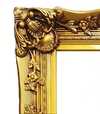
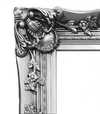

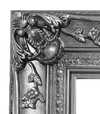


 ნებისმიერი მხარისთვის 105 სმ-ზე (დაახლოებით 41 ინჩი) მეტი ზომის ხელოვნებული ნამუშევრების ან რეპროდუქციებისთვის, ჩარჩო მოგზავნდება დაშლილ კომპლექტში. ეს მეთოდი უზრუნველყოფს უსაფრთხო მიწოდებას და თავიდან აგაცილებთ ტრანსპორტირებისას შესაძლო დაზიანებას.


The Depiction of Dundee Hafen
In this monochrome engraving, William Henry Bartlett presents a detailed view of a bustling harbor scene. Titled "Dundee um 1840," the work offers a historical depiction of Dundee harbor around 1840. It captures the essence of a busy port town, focusing on the maritime activity and urban life that defined the era. Through his precise hand, the artist records a moment of intense industry and movement within the harbor.
The subject matter centers on the daily operations of a significant maritime hub. Ships of various sizes occupy the water, suggesting the constant flow of trade and the scale of the port's operations. Buildings line the waterfront, creating a sense of density and urban structure that frames the maritime activity. This work by William Henry Bartlett provides a window into the functional reality of a nineteenth-century port, documenting the intersection of commerce and community life.
Composition and Visual Elements
The composition follows a wide horizontal format, emphasizing the expansive breadth of the harbor. By placing the horizon line low, the artist allows the sky and the water to occupy a significant portion of the view, creating a sense of openness above the maritime activity. In the foreground, a stone pier or embankment provides a solid foundation for the scene, where several figures are gathered, grounding the viewer within the immediate environment of the port.
The middle ground is filled with ships of varying sizes, their forms suggesting a constant state of trade and movement. These vessels are framed by buildings that line both sides of the harbor, creating a sense of urban density and enclosure. Through the use of linear perspective, the artist suggests a deep recession into the distance, where the structures and ships appear to diminish in scale. This spatial arrangement provides a clear sense of depth, leading the eye from the detailed embankment toward the far reaches of the water.
The work is entirely monochromatic, relying on a sophisticated range of gray tones to define form and texture. Rather than relying on color, the composition uses the interplay of light and shadow to establish volume within the hulls of the ships and the facades of the buildings. This tonal approach creates a quiet, structured atmosphere, where the clarity of the lines defines the relationship between the built environment and the natural elements of the sea and sky.
Technique and Artistic Materials
This work is an engraving, a medium that requires immense patience and a steady hand. The artist employed a meticulous engraving technique to render the bustling harbor, relying on the precision of fine lines to build up the intricate details of the ships and the surrounding architecture. By using these delicate strokes, the artist achieves a sense of texture across the various surfaces, from the rough stone of the embankment to the smooth, reflective quality of the water.
To create the necessary depth and volume, the artist utilized hatching and cross-hatching. These controlled intersections of lines allow for a sophisticated play of light and shadow, defining the hulls of the vessels and the facades of the buildings without the need for color. The resulting tonal variations provide a sense of three-dimensional form through purely linear means. It is a disciplined approach to light, where the density of the lines dictates the weight of the shadows.
The physical creation of such a print involves specific, traditional materials. The image was likely incised into a metal plate, most probably copper or steel, which allows for the extreme level of detail seen in the rigging and the distant structures. Once the plate was prepared, it was inked and pressed onto paper to produce the final print. This process ensures that each line remains sharp, preserving the clarity of the maritime scene.
Related Works by William Henry Bartlett
To understand the breadth of Bartlett’s topographical vision, one might look toward his other maritime and coastal studies. His ability to render the intersection of land and sea is evident in works such as Mistley Quay and the View of Cobh Harbour. These pieces reflect a similar interest in the way water interacts with human structures and the natural shoreline. In many of these scenes, he captures the quiet industry of maritime life through a precise, observational lens.
His explorations often moved from busy harbors to more isolated, atmospheric settings. The Dulse Gatherers offers a glimpse into the realities of coastal labor, focusing on the interaction between figures and their environment. Similarly, Devenish island presents a landscape defined by ruins and an obelisk, where the artist utilizes fine hatching to define the textures of the terrain. These works demonstrate his capacity to handle both the bustling activity of a port and the stillness of a remote island.
Even when moving toward more urban or structured environments, his hand remains consistent. Off Greenwich, London, provides another example of his skill in depicting maritime scenes alongside classical architecture. Whether he was documenting the movement of ships or the permanence of stone buildings, his focus remained on the lively impressions of the actual sights he encountered during his travels.
კითხვები და პასუხები
Dundee Hafen ხელით არის დახატული თუ დაბეჭდილი?
ხელით შესრულებული: პროფესიონალი მხატვარი ზეთისფერი საღებავებით, ტილოსზე ასახავს Dundee Hafen-ს.
რა ზომა უნდა ავირჩიო Dundee Hafen-ისთვის?
ზომები მერყეობს 26.7 x 37.4 cm (₾891)-დან 177.9 x 249.2 cm (₾5091)-მდე; ამ გვერდზე მოცემულ ცხოვრილში ასახულია ძირითადი ეტაპები და მათი ფასები.
რამდენ დროს სჭირდება მიტანა?
მიტანის ვადა 4-დან 5 კვირამდე შეადგენს, მსოფლიო მასშტაბით უფასო ექსპრესული მიტანით; ამ გვერდზე ასევე ხელმისაწვდომია სასწრაფო წარმოების ვარიანტი. ნივთის დაბრუნება შესაძლებელია 100 დღის განმავლობაში სრული თანხის უკუგდებით, ყოველგვარი პირობის გარეშე.
რა ტექნიკას/მასალას იყენებს უილიამ ჰენრი ბარტლეტი ნამუშწარეს Dundee Hafen შესრულებისას?
Engraving
 წინასწარი ნახვა

 გაგზავნა
 გაზიარება
 დეტალები
 საინფორმაციო ფურცელი


 ჩამოტვირთვა
 მსგავსები
 რენტგენოგრაფიული კვლევა
 სლაიდშოუ
 კითხვა-პასუხი

 სტატისტიკა


