ნახვა ინტერьерში
 გაგზავნა
 გაზიარება
 დეტალები
 გზამკვლევი

 ჩამოტვირთვა
 მსგავსები
 რენტგენოგრაფიული კვლევა
 სლაიდშოუ
 სტატისტიკა
Minos


 სრული ტექსტის ნახვა
გიკლე / ხელოვნების პრინტი
მუზეუმის დონის ჟიკლე ან ტილოზე ბეჭდვა სწრაფი წარმოებისა და დასრულების მოქნილი ვარიანტებით. ( შეიძინეთ ხელით შესრულებული ნახატი გადასვლა ციფრულ გამოსახულებაზე)




P118B ₾10

P118H ₾10

P118W ₾10

P438Z ₾10

P508JH ₾12

P508YH ₾12

P805H ₾10

P805Z ₾10

P919BZ ₾10

P919G ₾10

P919XJ ₾10

P959ZH ₾10

P968JZ ₾12

W106C ₾8

W218G ₾10

W218JH ₾8

W218Y ₾10

W307PJ ₾10

W316G ₾10

W316PJ ₾8

W316Y ₾10

W398PJ ₾8

W4111J ₾10

W500HY ₾15

W500JH ₾15

W692G ₾12

W849H ₾8

W940BG ₾15

W953PJ ₾8




აირჩიეთ ჩვენს მიერ წინასწარ განსაზღვრული ზომებიდან, რომლებიც ნაწარმოების ორიგინალურ პროპორციებს შეესაბამება.

შეიყვანეთ თქვენთვის საჭირო სიგანე და სიმაღლე, რათა იგი მოერგოს თქვენს ჩარჩოს ან კედელს. ბეჭდვისას შესაძლებელია მხოლოდ მისი შემცირება და არა გაზრდა, ამიტომ სხვა ფორმის ზომის შემთხვევაში გამოსახულება ნაწილობრივ იკარგება. სანამ რაიმეს დაბეჭდავთ, ჩვენ გამოგიგზავნით ციფრულ მაკეტს დასდასტურებლად. ამ გვერდზე ნაჩვენები სურათი არ ასახავს რეალურ ჭრას — ამას მხოლოდ მაკეტი გვიჩვენებს.
მიწოდება მთელ მსოფლიოში () 2 კვირაში, სტანდარტული 4/5 კვირის ნაცვლად. (17 ოქტომბერი)

უფასო ექსპრეს მიწოდება მთელ მსოფლიოში

მაღალი ხარისხის ტილო

ტრანსპორტირების სრული დაზღვევა

საბაჟო გადასახადების დაბრუნების გარანტია

ფერების სრული შესაბამისობის გარანტია

დაბრუნების 100-დღიანი პერიოდი (მხოლოდ წარმოების დეფექტის შემთხვევაში)

100% თანხის სრული დაბრუნების გარანტია

ფასდაკლება დიდი რაოდენობით შეკვეთისას
 მინის ჩარჩოს არჩევანი ხელმისაწვდომია მხოლოდ 110 სმ-მდე ზომისთვის

Minos
გიკლე / ხელოვნების პრინტი
რეპროდუქციის ზომა
-


ჯამური ღირებულება
₾ 208
A Regal Vision of Judgment: William Blake’s ‘Minos’
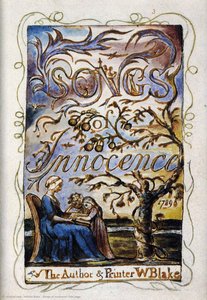
William Blake's *Minos*, created between 1824 and 1827, is a captivating watercolor and etching that delves into the complex realms of mythology, morality, and the human condition. Currently housed at the National Gallery of Victoria in Australia, this work isn’t merely an illustration; it’s a profound visual statement characteristic of Blake's unique Symbolist style.Decoding the Scene: Subject & Composition
The painting depicts a seated, bearded figure – undeniably *Minos*, the legendary king of Crete and judge of the dead in Greek mythology. He is enthroned, suggesting authority, yet surrounded by figures engaged in what appears to be lively conversation or perhaps even chaotic revelry. The composition isn’t traditionally heroic; instead, it feels intimate and psychologically charged. Several individuals cluster around Minos, some seated, others standing, creating a dynamic interplay of forms. A bird perched near the upper left corner adds an element of wildness and freedom, contrasting with the contained space. A book on the right hints at intellectual pursuit or legal proceedings – fitting for a figure tasked with judgment.Blake’s Artistic Technique & Style
*Minos* exemplifies Blake's mastery of watercolor and etching. The technique allows for both delicate washes of color and sharp, precise lines. This combination creates a dreamlike quality, blurring the boundaries between reality and imagination. The use of red and brown ink alongside the watercolor adds depth and emotional intensity. Blake’s style is distinctly Symbolist, prioritizing evocative imagery and subjective experience over strict realism. He wasn't interested in simply *depicting* Minos; he aimed to convey the essence of his role as a judge, the weight of moral responsibility, and the complexities of human fate.Mythological Roots & Historical Context
The subject matter draws directly from Dante Alighieri’s *Divine Comedy*, specifically Canto V of *Inferno*. In Dante's vision of Hell, Minos judges the souls of the damned, assigning them to their appropriate circle based on their sins. Blake was deeply fascinated by classical literature and mythology, often reinterpreting these narratives through his own unique spiritual lens. Creating this work during a period of intense personal and artistic exploration, Blake used mythological figures as vehicles for exploring universal themes of good and evil, justice and punishment.Symbolism & Interpretation
The symbolism within *Minos* is rich and layered. The swirling figures surrounding the king could represent the souls awaiting judgment or the chaotic nature of human desires. The bird might symbolize freedom from earthly constraints or a messenger between worlds. The fireplace suggests both warmth and potential destruction, mirroring the dual nature of Minos’s power – to condemn or offer solace. The book alludes to law, knowledge, and the burden of making difficult decisions. Ultimately, Blake's *Minos* isn’t a literal depiction of Dante’s Hell; it’s an exploration of the internal landscape of judgment and the consequences of our actions.Emotional Impact & Aesthetic Appeal
*Minos* evokes a sense of both awe and unease. The regal figure commands attention, yet the surrounding chaos suggests a world out of balance. The painting’s muted color palette and intricate details create an atmosphere of mystery and contemplation. It's a work that invites viewers to engage with complex moral questions, prompting reflection on their own values and beliefs. For interior designers, *Minos* offers a sophisticated and thought-provoking focal point, adding depth and intellectual curiosity to any space. Its unique blend of classical mythology and Romantic sensibility makes it a timeless piece suitable for both traditional and contemporary settings.კითხვები და პასუხები
რომელ ხელოვანს მიეწერება "Minos"?
„Minos“ მიკუთვნებულია უილიამ ბლეიკი-ს.
რა მასალისგან არის შექმნილი "Minos"?
უილიამ ბლეიკი-ის „Minos“-ის ტექნიკა არის Acrylic On Canvas. რეპროდუქციების მიზანია ამ ტექნიკის ვიზუალური მხარის ზუსტი გადმოცემა.
რა ტიპის ნამუშევარია უილიამ ბლეიკი-ის „Minos“?
კატალოგში, უილიამ ბლეიკი-ის „Minos“ დახარისხებულია, როგორც WallArt. ეს კატეგორია გეხმარებათ მსგავსი ნამუშევრების პოვნაში.
მხატვრის ბიოგრაფია
ვიზიონერის გზა: უილიამ ბლეიკის ജീവിതსა და ხელოვნებაზე ესე
უილიამ ბლეიკი, რომელიც 1757 წლის 28 ნოემბერს ლონდონში დაიბადა, იყო ადამიანი, რომელიც ხშირად ეწარმოებოდა დროსთან შეუსაბამისობას, თუმცა განწირული იყო, რომესამე საუკუნის ρομαντικής ეპოქის ერთ-ერთი ყველაზე აღიარებული პოეტი და მხატვარი გამხდარიყო. მისი ცხოვრება სწრაფად მారుებელ ინგლისში გაიშალა – სამყაროში, რომელიც ბრძოლას ეწარმოებოდა ინდუსტრიალიზაციასთან, პოლიტიკურ აჯანჯხობასა და სულიერი რწმენის ცვლილებებთან. გამოცდილი ჰოსიერის ძე, ბლეიკის ადრეულ წლებში თვალსაყრელმა წარმოსაქმნელმა უნარმა და ხილვითმა გამოცდილებამ, რომლებიც βαθιά സ്വാდარიანებდნენ მის შემოქმედებით მზაკვრობას, აღინიშნა. მიუხედავად ფორმალური სწავლების ნაკლებობისა, მან ადრეულ ასაკში ნახატის გაკვეთილები მიიღო, რაც მალევე გამოავლინა განსაკუთრებული ნიჭი, რომელიც მომავლის წარმოუდგენლად დიდ გზას უწინასწარმეტყველებდა. ჯეიმს ბასირესთან მისი სტაჟირება გადამწყვეტი აღმოჩნდა, რამაც მას არა მხოლოდ ტექნიკური ਮੁხარათი უზრუნველყო, არამედ гравюრირების ტექნიკის გაგებაც, რომელსაც იგი მოგვიანებით რევოლუციის მომტანი გახდება. ეს πρώτα επιρροές – ვესტმინსტერის სააბატოს გოთიკური სიდიერე, Rafael და Michelangelo-ს კლასიკური ფორმები – საფუძველი იყო მისი განვითარებადი ესთეტიკისთვის, თუმცა ბლეიკი არასოდეს რჩებოდა კონვენციებისგან შეკრული.საświetny სამყარო: ტექნიკა და ინოვაცია
ბლეიკის მხატვრული ინოვაცია არ ეხებოდა მხოლოდ თემებს; ის ძირითადად იქმნებოდა იმის მიხედვით, *როგორ* ქმნიდა. ტრადიციულ гравюრირების მეთოდებზე უკმაყოფილო, მან უნიკალური პროცესი შეიმუშავა, რომელსაც „განათებული տպագրություն“ ეწოდება. ეს მოიცავდა სპილენძის ფირფიტებზე ტექსტის და ილუსტრაციების гравюრირებას, შემდეგ კი შედეგად გამოღვივრებული პრიнтების ხელით ფერწერა – შრომატევადი, მაგრამ βαθιά προσωπული მიდგომა, რომელიც საშუალებას აძლევდა სრულ შემოქმედებით კონტროლს. ეს არ იყო უბრალოდ პოეზიასთან ერთად ილუსტრაცია; ეს იყო ინტეგრირებული ხელოვნება, სადაც εικόნა და ლექსი ურთიერთდაკავშირებული იყო, თითონმეორედ გაძლიერებდა మరొక్కის მნიშვნელობას. მისი რელიეფური гравюრირების ტექნიკა, რომელიც მისი ძმის გარდაცვალების შემდეგ გამოცდილ ხილვასთან არის დაკავშირებული, კიდევ უფრო განასხვავებდა მის ნაშრომებს, მას უნარხოს ტექსტურალურ თვისებას მატებდა და ტრადიციულ მეთოდებზე მეტ შემოქმედებით თავისუფლებას აძლევდა. гравюრირების გარდა, ბლეიკი ასევე იყენებდა акварельные ფერებსა და темперებს, ხშირად απεικονებდა библейские сцены ან фантастические თემებს სიმბოლურ მნიშვნელობით. მისი სტილის ძირითადი χαρακτηριστικό იყო ლინეარული პერსპექტივის მიმართ განხორციელებული შეგნებული უარისმყოფობა უფრო ემოციური, სიმბოლური წარმოსადგენლობის სასარგებლოდ – სივრცის გაფანტვა, რომელიც მაყურელს მის ხილვით სამყაროში ჩაჰქონდა.სიმდიდრის, გამოცდილების და తిరుగుబాటుის თემები
ბლეიკის შემოქმედებითი ნაშრომის ძირითადი μέρος მდგომარეობს βαθιά თემების შესწავნებაში: అమాయకత్వం და გამოცდილების ორმაგიობა, разума పరిమితులు karşılaştırıldığında ఊహ력дің విముక్తి శక్తి, და საზოგადოებრივი სტანდარტების పట్ల తీవ్రമായ విమర్శ.- Songs of Innocence and of Experience (1794), მისი ყველაზე ხელმისაწვდომი ნაშრომი, ბავშვობის ურთიერთგანრიგებულ ხედვას წარმოადგენს – ერთი ιδανικός და უნაკლოვანი, మరొకటి కష్టాలు మరియు అవినీతితో గుర్తించబడింది.
- The Marriage of Heaven and Hell (1793) провокативный პროზაული პოემაა, რომელიც ტრადიციულ მორალს પડકારે છે, ენერგიას, కోరికను და περιοριστικού დოგმათების წინააღმდეგ తిరుగుబాటుს აღნიშნავს.
- Dante-ს *Divine Comedy*-სთვის მისი иллюстрации демонстрирует მის δραματικό видение და సంక్లిష్ట αφηγήσεων мощным визуальным изображением переводу способности.
Забытое наследие: Блейковой влиятельности 지속적인 영향
მისი ცხოვრების განმავლობაში უილიამ ბლეიკი საკმაოდ გამდიდრდა, მისი თან时代的 многие не понимали его работы. Его произведения часто отвергались как эксцентричные или даже безумные. Он боролся с финансовыми трудностями на протяжении большей части своей жизни, полагаясь на заказы и поддержку небольшой группы покровителей, таких как Томас Батс. Однако в десятилетия после его смерти 12 августа 1827 года репутация Блейка начала постепенно расти. Прерафаэлиты, очарованные его видением стилем и символической образностью, приняли его как родственную душу. Поздние движения — Символизм и Модернизм — нашли отклик в его акценте на воображении, субъективном опыте и духовных темах. Сегодня Уильям Блейк признан ключевой фигурой романтического движения, художника, чьи работы продолжают вдохновлять поэтов, художников и мыслителей из разных областей. Его исследование сложных философских и религиозных идей через искусство остается глубоко актуальным, бросая нам вызов подвергать сомнению общепринятые представления и принимать силу индивидуального видения. Блейковой наследие заключается не только в его художественных достижениях; это его непоколебимая приверженность творческой свободе — свидетельство непреходящей силы воображения в мире, часто определяемом разумом и ограничениями.
უილიამ ბლეიკი
1757 - 1827 , გაერთიანებული სამეფო
მოკლე ფაქტები
- Artistic Movement Or Style: როμανტიზმი
- Artists Or Movements Influenced By This Artist:
- პრე-ਰਾფაელისტები
- სიმბოლიზმი
- მოდერნიზმი
- Artists Who Influenced This Artist:
- რაფაელი
- მიქელანჯელო
- Date Of Birth: 1757 წლის 28 ნოემბერი
- Date Of Death: 1827 წლის 12 აგვისტო
- Full Name: უილიამ ბლეიკი
- Nationality: ბრიტანელი
- Notable Artworks:
- Songs of Innocence and Experience
- The Marriage of Heaven & Hell
- The Tyger
- Jerusalem
- Place Of Birth: ლონდონი, დიდი ბრიტანეთი
მსგავსი სტატიები

Oil on Canvas: A Historical & Technical Exploration of a Timeless Artistic Medium
Explore the rich history & enduring techniques of oil painting on canvas. Discover the science behind its longevity, conservation practices, and contemporary relevance. Expert insights for art enthusiasts.

The Enduring Legacy of Oil on Canvas: Technique, History & Aesthetic Impact
Explore the rich history & techniques of oil painting – from Renaissance masters to Impressionism. Discover pigments, layering methods, and why this timeless medium endures. Expert insights for artists & art enthusiasts.

ზეთის საღებავის მუდმივი მემკვიდრეობა: ტექნიკა, ისტორია და თანამედროვე პრაქტიკა
გაიგეთ ზეთის საღებავის ფერწერის ისტორია, ტექნიკა და თანამედროვე პრაქტიკა. პროფესიონალური მხატვრების რჩევები, ქართული ხელოვნების მიმოხილვა და ინსტრუქციები თქვენი შემოქმედებისთვის.

The Soul of Impressionism: Why Oil on Canvas Captures Eternal Light and Timeless Emotion
Discover the enchanting alchemy of Impressionism. Explore how the mastery of oil on canvas, through glazing and impasto, captures eternal light and emotion. Perfect for lovers of Monet and Van Gogh seeking the profound depth of hand-painted fine art.
Oil on Canvas Masters: 10 Paintings That Redefined Art History |
Journey through art history with our guide to 10 legendary oil on canvas masterpieces! Explore iconic works by Van Gogh, Monet & Rembrandt. Find museum-quality reproductions and elevate your home decor at . Discover all masterpieces online.