

 ნახვა ინტერьерში
 გაგზავნა
 გაზიარება
 დეტალები
 გზამკვლევი

 ჩამოტვირთვა
 მსგავსები
 რენტგენოგრაფიული კვლევა
 სლაიდშოუ
 სტატისტიკა
The Birth of Venus


 სრული ტექსტის ნახვა
ხელით შესრულებული ზეთის საღებავით რეპროდუქცია
ტილოზე შესრულებული ფერწერიანი ზეთប្រდათი, თქვენთვის სასურველი ზომისა და ჩარჩოსთვის, ჩვენი ხელოვანების მიერ შეკვეთის საფუძველზე დამზადებული. ( გადართვა ბეჭდვის რეჟიმზე გადასვლა ციფრულ გამოსახულებაზე)




P118B $10

P118H $10

P118W $10

P438Z $10

P508JH $12

P508YH $12

P805H $10

P805Z $10

P919BZ $10

P919G $10

P919XJ $10

P959ZH $10

P968JZ $12

W106C $8

W218G $10

W218JH $8

W218Y $10

W307PJ $10

W316G $10

W316PJ $8

W316Y $10

W398PJ $8

W4111J $10

W500HY $15

W500JH $15

W692G $12

W849H $8

W940BG $15

W953PJ $8




აირჩიეთ ჩვენს მიერ წინასწარ განსაზღვრული ზომებიდან, რომლებიც ნაწარმოების ორიგინალურ პროპორციებს შეესაბამება.

თქვენ შეგიძლიათ მიუთითოთ თქვენთვის სასურველი ზომები კონკრეტული ჩარჩოს ან სივრცის შესაბამისად. თუ თქვენ მიერ არჩეული ზომა არ შეესაბამება ორიგინალი გამოსახულების პროპორციებს, ჩვენ ან შევაჭრებთ ნაწარმოებს, ან ტილოზე დავამატებთ ხელით მოხატულ ელემენტებს. წარმოების დაწყებამდე, დასამტკიცებლად გამოგეგზავნებათ ციფრული მაკეტი.
გთხოვთ, გაითვალისწინოთ, რომ ეკრანზე ნაჩვენები წინასწარი შეხედულება არ ასახავს რეალურ შეჭრას ან გაფართოებას. საბოლოო კომპოზიციას ზუსტად მხოლოდ მაკეტი წარმოაჩენს.
მიუხედავად იმისა, რომ შესაძლებელია ინდივიდუალური ზომების შერჩევა, ორიგინალური პროპორციების შენარჩუნებისათვის გირჩევთ, გამოიყენოთ წინასწარ განსაზღვრული სიის ზომები.
შეკვეთის შემდეგ, OriginalUniqueArt.com გუნდი დაგიკავშირდებათ ელექტრონული ფოსტით ინსტრუქციებისთვის და გამოგიგზავნით წინასწარ ნახაზს (mockup).
მიწოდება მსოფლიო მასშტაბით -ში 3/4 კვირაში, სტანდარტული 5 კვირის ნაცვლად. (27 სექტემბერი). ხარისხზე კომპრომისის გაკეთება არ მოხდება.

უფასო ექსპრეს მიწოდება მთელ მსოფლიოში

მაღალი ხარისხის ტილო

ტრანსპორტირების სრული დაზღვევა

საბაჟო გადასახადების დაბრუნების გარანტია

ფერების სრული შესაბამისობის გარანტია

დაბრუნების 100-დღიანი პერიოდი (მხოლოდ წარმოების დეფექტის შემთხვევაში)

100% თანხის სრული დაბრუნების გარანტია

ფასდაკლება დიდი რაოდენობით შეკვეთისას
 მინის ჩარჩოს არჩევანი ხელმისაწვდომია მხოლოდ 110 სმ-მდე ზომისთვის

The Birth of Venus
რეპროდუქციის ტექნიკა
რეპროდუქციის ზომა
-


ჯამური ღირებულება
$ 300
The Birth of Venus: A Symphony of Classical Beauty
William-Adolphe Bouguereau’s “The Birth of Venus” stands as an enduring emblem of artistic perfection and the Romantic idealization of classical antiquity. Completed in 1879, this monumental oil painting—measuring approximately 218 cm × 300 cm—holds court within the Musée d'Orsay in Paris, France, captivating viewers with its serene composition and luminous depiction of Venus’s emergence from the sea.
- Style: Neoclassicism – Bouguereau meticulously adhered to the stylistic conventions established by artists like Jacques-Louis David and Jean Auguste Ingres, prioritizing clarity, restraint, and idealized forms.
- Technique: Bouguereau’s masterful brushwork achieved an astonishing level of realism despite its adherence to classical ideals. He employed a glazing technique—applying thin layers of translucent paint over subsequent coats—to create subtle gradations of color and imbue the canvas with an ethereal glow.
- Composition: The painting's pyramidal structure draws the eye upwards towards Venus, emphasizing her centrality as the focal point. Bouguereau skillfully utilized contrapposto—a pose where the torso tilts slightly away from the spine—to sculpt Venus’s form and convey a sense of graceful movement.
A Mythological Narrative Illuminated
“The Birth of Venus” recounts the legendary tale of Aphrodite (Venus), goddess of love and beauty, ascending from the sea onto the island of Cyprus. Bouguereau meticulously recreated this pivotal moment in Greek mythology, populated by a constellation of figures—angels, nymphs, centaurs, and putti—each contributing to the narrative’s symbolic richness.
Influence and Legacy
Bouguereau’s “The Birth of Venus” owes considerable debt to Sandro Botticelli’s “The Birth of Venus,” which predated it by several decades. However, Bouguereau subtly differentiated his interpretation from Botticelli's, prioritizing anatomical accuracy and luminous color palettes. This painting solidified Bouguereau’s reputation as a champion of academic realism—a style characterized by unwavering devotion to classical ideals and meticulous attention to detail.
“The Birth of Venus” continues to inspire artists and collectors alike, serving as a testament to Bouguereau's unparalleled skill in capturing the essence of timeless beauty. Its enduring appeal lies in its ability to evoke feelings of wonder and admiration for the sublime ideals of classical art.მხატვრის ბიოგრაფია
William-Adolphe Bouguereau – A Life Immersed in Beauty
Born in La Rochelle, France (1825), William-Adolphe Bouguereau’s life unfolded as a profound exploration of classical ideals and breathtaking realism. From his earliest days, an innate artistic inclination propelled him toward Paris and the École des Beaux-Arts, where he absorbed the wisdom of masters like Raphael and Titian – influences that would irrevocably shape his singular artistic vision. He wasn't merely replicating what he observed; rather, he sought to distill the essence of beauty itself, striving for a perfection that resonated with the aesthetic sensibilities of his era.The École des Beaux-Arts and Artistic Foundations
Bouguereau’s formal training at the École des Beaux-Arts proved instrumental in establishing his unparalleled mastery of anatomy, light, and composition. Under François-Edouard Picquenot's guidance, he meticulously studied the techniques employed by Renaissance artists, diligently practicing draughtsmanship and mastering the subtleties of color palettes. This dedication to anatomical accuracy—a cornerstone of Bouguereau’s style—allowed him to portray figures with astonishing precision, capturing every curve and nuance of musculature. He understood that true beauty resided in truthful representation, rejecting superficial ornamentation for a focus on underlying structure.Mythological Inspirations and Genre Scenes
Bouguereau's artistic repertoire encompassed both mythological narratives and intimate genre scenes—each infused with an extraordinary sensitivity to emotion and narrative power. *The Birth of Venus*, for instance, transcends mere depiction; it embodies the sublime grace and ethereal beauty of femininity, transforming ancient mythology into a moment of transcendent splendor. Similarly, works like *Zenobia Found by Shepherds on the Banks of the Araxes* convey vulnerability and pathos with remarkable nuance—demonstrating Bouguereau’s ability to evoke profound emotional responses in viewers. Beyond mythology, he found inspiration in everyday life – portraying shepherdesses tending their flocks or young girls at play—capturing fleeting moments of innocence and tenderness with exquisite detail. *Faneuse (1869)* exemplifies this approach, presenting a woman bathed in soft light against a tranquil landscape, highlighting Bouguereau’s masterful command of atmosphere and composition.Technical Brilliance and Anatomical Precision
Bouguereau's artistic technique was characterized by meticulous draftsmanship and an unwavering commitment to anatomical accuracy—qualities that distinguished him from his contemporaries. He possessed an uncanny ability to render the human form with breathtaking realism, capturing every subtle gesture and expression. His canvases are populated by figures rendered with astonishing precision – the delicate curve of a shoulder, the subtle flush of skin, the expressive depth of an eye. This dedication to anatomical detail—a hallmark of Bouguereau’s style—enabled him to portray subjects with unparalleled lifelike quality. He understood that beauty stemmed from truthful representation, rejecting mere imitation for a profound engagement with underlying structure and form.A Legacy Rediscovered
Despite initial acclaim during his lifetime, Bouguereau's work experienced a period of obscurity following the rise of modernism in the early 20th century—a movement that prioritized abstraction and radical experimentation over traditional stylistic conventions. Critics dismissed him as a sentimental academician, failing to recognize the brilliance of his draughtsmanship and the depth of his artistic vision. However, in recent decades, Bouguereau’s oeuvre has undergone a remarkable revival—fueled by renewed appreciation for classical ideals and an acknowledgment of his technical mastery. Art historians and collectors alike have rediscovered his profound influence on subsequent generations of artists—celebrating his unwavering commitment to beauty and skill. Today, Bouguereau's paintings are housed in prestigious museums worldwide—ensuring that his legacy will endure for centuries to come. His enduring appeal lies not merely in their visual splendor but also in the timeless wisdom embodied within them—a testament to the power of tradition and the pursuit of artistic perfection.
ვილიამ ადოლფ ბოგუერეუ
1825 - 1905 , საფრანგეთი
მოკლე ფაქტები
- Artistic Movement Or Style: Академизм
- Artists Who Influenced This Artist:
- Рафаэль
- Тициан
- Date Of Birth: 1825
- Date Of Death: 1905
- Full Name: William-Adolphe Bouguereau
- Nationality: Франция
- Notable Artworks:
- Бержере 1886
- Девочка в бане
- Песня ангелов
- Place Of Birth: La Rochelle, France
მსგავსი სტატიები
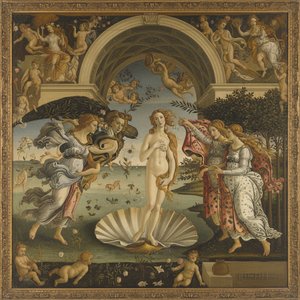
სანდრო ბოტეჩელის 25 შედევრი: ხელოვნების ისტორია თქვენს სახლში | OriginalUniqueArt
გაიცანით სანდრო ბოტეჩელის 25 შედევრი! რენესანსის ხელოვნების ისტორია, ფერები და მითოლოგიური სიუჟეტები. შეიძინეთ უმაღლესი ხარისხის რეპროდუქციები OriginalUniqueArt-ზე და შექმნით თქვენი ოცნების სახლი. აღმოაჩინეთ სრულყოფილი კოლექცია ონლაინ!

Divine Beauty: A Visual Journey Through the Iconic Masterpieces of Venus in Art History
Embark on a sophisticated visual journey through art history's most iconic Venus masterpieces. Explore the divine beauty of Botticelli and the evolution of classical mythology through expert curation for the discerning art enthusiast.

Christopher Williams: Deconstructing Representation & Materiality in Contemporary Art
Explore the groundbreaking work of Christopher Williams, a pivotal figure in contemporary art. This analysis delves into his deconstruction of representation, materiality, and institutional critique – essential reading for serious collectors.
Penry Williams: Evoking Welsh Nostalgia Through Impressionistic Landscapes
Explore the captivating world of Penry Williams (1802-1885), a Welsh artist renowned for his evocative Impressionistic landscapes and scenes of Italy. Discover his life, style & legacy with OriginalUniqueArt.

William Hogarth: Satire, Social Commentary & the Birth of Modern British Art
Explore the satirical world of William Hogarth, pioneering British painter & engraver. Discover his iconic works like *A Rake's Progress* and insightful social commentary on 18th-century London life.


