
 Preview
 გაგზავნა
 გაზიარება
 დეტალები

 ჩამოტვირთვა
 მსგავსები
 რენტგენოგრაფიული კვლევა
 სლაიდშოუ
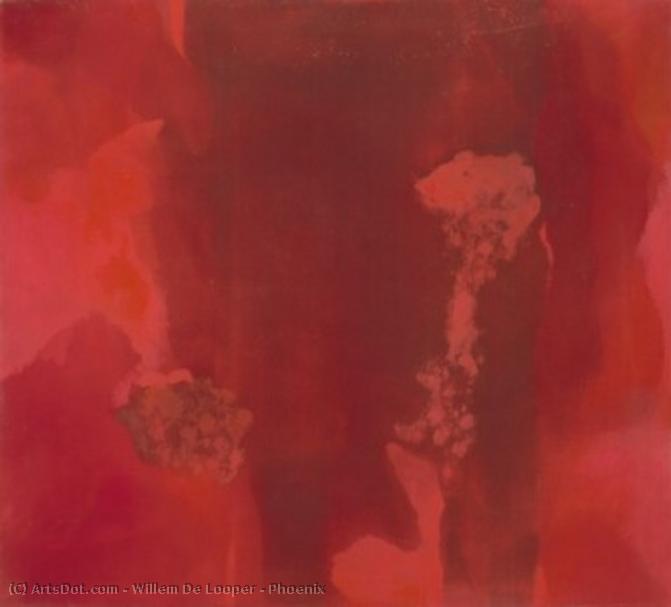
Phoenix
 1970
1970 191.0 x 213.0 cm
 გადასართად დაწვრილებით ნახეთ
ხელით ნაკვეთი ზეთის ტილოს რეპროდუქცია
ტილოზე შესრულებული ფერწერიანი ზეთប្រდათი, თქვენთვის სასურველი ზომისა და ჩარჩოსთვის, ჩვენი ხელოვანების მიერ შეკვეთის საფუძველზე დამზადებული. ( Switch to Print Switch to Image)




































აირჩიეთ ჩვენს მიერ წინასწარ განსაზღვრული ზომებიდან, რომლებიც ნაწარმოების ორიგინალურ პროპორციებს შეესაბამება.

თქვენ შეგიძლიათ მიუთითოთ თქვენთვის სასურველი ზომები კონკრეტული ჩარჩოს ან სივრცის შესაბამისად. თუ თქვენ მიერ არჩეული ზომა არ შეესაბამება ორიგინალი გამოსახულების პროპორციებს, ჩვენ ან შევაჭრებთ ნაწარმოებს, ან ტილოზე დავამატებთ ხელით მოხატულ ელემენტებს. წარმოების დაწყებამდე, დამტკიცებისთვის გამოგეგზავნებათ ციფრული მაკეტი.
გთხოვთ, გაითვალისწინოთ, რომ ეკრანზე ნაჩვენები წინასწარი შეხედულება არ ასახავს რეალურ შეჭრას ან გაფართოებას. საბოლოო კომპოზიციას ზუსტად მხოლოდ მაკეტი წარმოაჩენს.
მიუხედავად იმისა, რომ შესაძლებელია ინდივიდუალური ზომების შერჩევა, ორიგინალური პროპორციების შენარჩუნებისათვის გირჩევთ, გამოიყენოთ წინასწარ განსაზღვრული სიის ზომები.
შეკვეთის შემდეგ, OriginalUniqueArt.com გუნდი დაგიკავშირდებათ ელექტრონული ფოსტით ინსტრუქციებისთვის და გამოგიგზავნით წინასწარ ნახაზს (mockup).
მიწოდება მსოფლიო მასშტაბით -ში 3/4 კვირაში, სტანდარტული 5 კვირის ნაცვლად. (28 ივლისი). ხარისხზე კომპრომისის გაკეთება არ მოხდება.

უფასო ექსპრეს მიწოდება მთელ მსოფლიოში

საბამად მაღალი ხარისხის ტილო

სრული ტრანსპორტირების დაზღვევა

საბაჟო გადასახადების დაბრუნების გარანტია

ფერების სრული შესაბამისობის გარანტია

60-დღიანი დაბრუნების პოლიტიკა (მხოლოდ დეფექტის შემთხვევაში)

100% თანხის დაბრუნების გარანტია

ფასდაკლება დიდი რაოდენობით შეკვეთისას
 მინის ჩარჩოს არჩევანი ხელმისაწვდომია მხოლოდ 110 სმ-ზე ნაკლები ზომისთვის

Phoenix
რეკლამაციის ტექნიკა
რეკლამაციის ზომა
-


საბოლოო ფასი
$ 300
მხატვრის ბიოგრაფია
Willem Johan de Looper (1932–2009): A Pioneer of Color Field Painting
Willem Johan de Looper (October 30, 1932 – January 30, 2009) stands as a significant figure in American Abstract Expressionism and the broader landscape of color field painting. Born in The Hague, Netherlands, his formative years were shaped by a Montessori education and profoundly impacted by the anxieties of World War II—a period marked by displacement and familial resilience.
- Early Life & Education: De Looper’s upbringing instilled in him a meticulous attention to detail and an appreciation for observation, qualities that would later inform his artistic approach. His brother's encouragement fueled his ambition to pursue higher education, culminating in a degree from American University where he studied under influential mentors like Robert Gates and Ben Summerford.
- Influence of American Culture: The arrival of publications such as *The New Yorker* during the war years proved pivotal. De Looper was captivated by their exploration of culture, music, advertising, and art—a fascination that propelled him toward a career in visual arts and cemented his lifelong admiration for American artistic traditions.
- Military Service & Initial Artistic Exploration: Serving two years in the United States Army during the Korean War provided De Looper with valuable experience and broadened his worldview. Following his discharge, he began his museum career at The Phillips Collection, where he honed his skills as a curator and developed an enduring connection to the art world.
De Looper’s artistic journey commenced in the late 1960s with a groundbreaking technique—abandoning brushes altogether. He embraced a process of layering acrylic paint onto canvas, creating expansive compositions dominated by harmonious color fields devoid of representational imagery. This method, championed by fellow Washington Color School artists like Paul Klee and John Marin, represented a radical departure from traditional painting conventions.
- Washington Color School Movement: De Looper’s participation in the Washington Color School movement solidified his reputation as an innovator who prioritized pure color and atmospheric resonance. His canvases—characterized by broad stripes of pigment—became emblematic of this influential artistic trend.
- Notable Works: Among his most celebrated pieces are “Phoenix” and “The Duke,” which exemplify De Looper’s distinctive style and demonstrate his masterful command of color and texture. These paintings, housed in prominent museums across the United States and internationally, continue to inspire admiration for their simplicity and profound emotional impact.
Throughout his career, De Looper maintained a steadfast commitment to artistic integrity and pursued excellence with unwavering dedication. His legacy extends beyond individual artworks; he served as chief curator at The Phillips Collection for decades, shaping the museum’s collection and fostering dialogue about contemporary art. Willem Johan de Looper's contribution to American Abstract Expressionism remains indelible—a testament to his visionary approach and enduring artistic vision.
- Museum Curator: De Looper’s tenure at The Phillips Collection underscored his passion for promoting artistic understanding and enriching cultural experiences.
De Looper died January 30, 2009, leaving behind a rich artistic output that continues to resonate with collectors and critics alike.

willem johan de looper
1932 - 2009 , Netherlands
მოკლე ინფორმაცია
- Artistic Movement Or Style: Washington Color School
- Artists Or Movements Influenced By This Artist: ['Color Field painting']
- Artists Who Influenced This Artist:
- Paul Klee
- John Marin
- Arthur Dove
- Date Of Birth: October 30, 1932
- Date Of Death: January 30, 2009
- Full Name: Willem Johan de Looper
- Nationality: Dutch-American
- Notable Artworks:
- Phoenix
- The Duke
- Place Of Birth: The Hague, Netherlands

