გადართვა ბეჭდვის რეჟიმზე
 სრული ტექსტის ნახვა







































 ნებისმიერი მხარისთვის 105 სმ-ზე (დაახლოებით 41 ინჩი) მეტი ზომის ხელოვნებული ნამუშევრების ან რეპროდუქციებისთვის, ჩარჩო მოგზავნდება დაშლილ კომპლექტში. ეს მეთოდი უზრუნველყოფს უსაფრთხო მიწოდებას და თავიდან აგაცილებთ ტრანსპორტირებისას შესაძლო დაზიანებას.


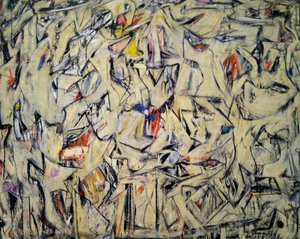
Reclining Man (John F. Kennedy): A Study in Ambiguity and Modernist Emotion
Willem de Kooning’s *Reclining Man (John F. Kennedy)*, completed in 1963, is a powerfully unsettling work that transcends simple portraiture. It resides within the turbulent heart of Abstract Expressionism, a movement defined not by representation but by the raw expression of emotion and process. This piece, currently housed at the Hirshhorn Museum and Sculpture Garden in Washington D.C., immediately challenges our expectations of what a portrait should be – and indeed, it’s been debated whether it depicts a man or a woman, adding layers of complexity to its interpretation. The painting isn't merely a likeness; it’s an embodiment of the anxieties and uncertainties simmering beneath the surface of American society during the early 1960s, a period marked by political upheaval and profound cultural shifts. The genesis of *Reclining Man* lies within De Kooning’s exploration of the female form, a subject he revisited with increasing intensity throughout the late 1940s and 50s. Works like *Woman I*, *Woman II*, and *Woman III* established his reputation for portraying women in states of intense physicality – often fragmented, distorted, and imbued with a primal energy. However, *Reclining Man* represents a departure, albeit a subtle one. The figure is presented from a low angle, almost lying on the ground, enveloped in a swirling vortex of pinks, reds, and yellows. This deliberate distortion creates a sense of vulnerability and instability, contrasting sharply with the heroic iconography typically associated with presidential portraits. The ambiguity surrounding the subject’s gender – a deliberately unresolved element – speaks to the broader anxieties of the time, reflecting a nation grappling with shifting social norms and challenging traditional roles. It's a figure caught between masculine power and feminine sensuality, embodying the complexities of the era. De Kooning’s technique is as crucial to understanding the painting’s impact as its subject matter. Executed on paper – a choice that lends itself to spontaneity and gestural freedom – *Reclining Man* is characterized by bold, energetic brushstrokes. These aren't carefully blended or smoothed; instead, they are applied with a forceful immediacy, conveying a sense of raw emotion and physical exertion. The colors themselves contribute significantly to the painting’s intensity. The vibrant pinks and reds evoke passion and desire, while the yellows suggest both energy and unease. The stark white background serves to amplify these colors, creating a dynamic visual field that draws the viewer into the figure's turbulent world. This technique is deeply rooted in the action painting style championed by De Kooning and his contemporaries, emphasizing the act of painting itself as a vital component of artistic expression. The historical context surrounding *Reclining Man* is inextricably linked to the broader trajectory of Abstract Expressionism. Emerging in the aftermath of World War II, this movement sought to break free from the constraints of European art traditions and explore new modes of representation. Artists like De Kooning rejected traditional notions of beauty and harmony, instead embracing abstraction, distortion, and emotional intensity as means of conveying their subjective experiences. *Reclining Man* can be seen as a reflection of the anxieties and uncertainties that permeated American society during the Cold War era – a time of heightened political tension, social unrest, and existential questioning. The painting’s ambiguous imagery and unsettling composition mirror the sense of disorientation and instability that many Americans felt in the face of these challenges. Furthermore, De Kooning's exploration of the female form at this time was part of a larger conversation about gender roles and identity, reflecting the changing social landscape of the 1960s.Composition and Materials
Measuring 58 x 69 cm, *Reclining Man* is a relatively intimate work, allowing for a deeply personal engagement with its subject matter. The choice of paper as the support medium is significant; it allows De Kooning to exploit the material’s inherent qualities – its texture, absorbency, and responsiveness to paint – in ways that would be impossible on canvas. The composition itself is deliberately unbalanced, with the figure dominating the lower half of the picture plane while the background swirls around it like a vortex. This creates a sense of dynamism and movement, suggesting a state of perpetual flux. The use of impasto—thickly applied paint—further enhances this effect, adding tactile dimension to the image and emphasizing the physicality of De Kooning’s brushstrokes.Willem de Kooning: A Legacy of Innovation
Willem de Kooning (1904-1997) was a pivotal figure in 20th-century art, renowned for his groundbreaking contributions to Abstract Expressionism and his relentless experimentation with form and technique. Beyond *Reclining Man*, his oeuvre encompasses a vast range of styles and subjects, including portraits, landscapes, still lifes, and abstract compositions. Key works include the monumental “Woman I” series (1948-50), which remains one of the most iconic images of the Abstract Expressionist movement, and "Painting" (1946), an early example of his gestural style. His prolific output demonstrates a lifelong commitment to pushing the boundaries of artistic expression and challenging conventional notions of representation.Exploring a Masterpiece: Reproductions and Beyond
OriginalUniqueArt offers meticulously crafted, hand-painted reproductions of *Reclining Man (John F. Kennedy)* that capture the essence of De Kooning’s original work with unparalleled fidelity. Our artists utilize traditional oil painting techniques to recreate the texture, color palette, and dynamic brushstrokes of this iconic piece, ensuring a stunningly authentic representation for your home or collection. Whether you are an art enthusiast, collector, or simply seeking a unique and evocative artwork, our reproductions provide a beautiful and accessible way to experience the power and complexity of De Kooning’s vision. Explore our selection today and bring this compelling masterpiece into your space.- Size Options: Available in multiple sizes to suit your needs.
- Hand-Painted Reproduction: Each reproduction is meticulously crafted by a skilled artist.
- High-Quality Materials: Created using archival-quality oil paints and canvas for lasting beauty.
Learn more about *Reclining Man (John F. Kennedy)* on OriginalUniqueArt.
კითხვები და პასუხები
სად შემიძლია ვილემ დე კუნინგი-ის „Reclining Man (John F. Kennedy)“-ის ციფრული გამოსახულების შეძენა?
"Reclining Man (John F. Kennedy)" ხელოვნების ნიმუშის ციფრული ვერსია ხელმისაწვდომია როგორც მაღალი გარჩევადობის ციფრული გამოსახულების ჩამოტვირთვა, რისი შეძენაც შეგიძლიათ პირდაპირ მისი ციფრული გამოსახულება გვერდიდან.
სად იმყოფება "Reclining Man (John F. Kennedy)" ვილემ დე კუნინგი-ის შემოქმედებისათვის დამახასიათებელ თემებსა და სტილში?
"Reclining Man (John F. Kennedy)"-ს ვილემ დე კუნინგი-ის სხვა ნამუშევრებთან საერთო აქვს Abstract Expressionism სტილი და განმეორებადი თემები: abstract expressionism influence, post-war modernity themes, kennedy era reflection, de kooning’s experimentation, gendered representation”, “exploring form and emotion”.
თარიღის გათვალისწინებით, ვილემ დე კუნინგი-ის შემოქმედების რომელ ეტაპს მიეკუთვნება „Reclining Man (John F. Kennedy)“?
"Reclining Man (John F. Kennedy)", რომელიც 1963-ში შეიქმნა, ვილემ დე კუნინგი-ის შემოქმედებითი კარიერის Mature Period პერიოდს განეკუთვნება."
 ნახვა ინტერьерში
 გაგზავნა
 გაზიარება
 დეტალები
 გზამკვლევი

 ჩამოტვირთვა
 მსგავსები
 რენტგენოგრაფიული კვლევა
 სლაიდშოუ
 Q&A
Q&A სტატისტიკა