ნახვა ინტერьерში
 გაგზავნა
 გაზიარება
 დეტალები
 გზამკვლევი

 ჩამოტვირთვა
 მსგავსები
 რენტგენოგრაფიული კვლევა
 სლაიდშოუ
 სტატისტიკა
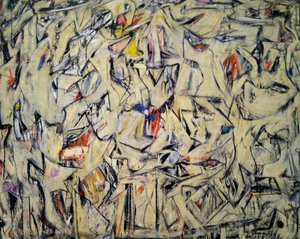
Composition


 სრული ტექსტის ნახვა
ამ გვერდზე წარმოდგენილი ნამუშევარი დაცულია საავტორო უფლების შესახებ კანონმდებლობით, რაც იმას ნიშნავს, რომ ჩვენ არ გვაქვს მისი იდენტური რეპროდუქციის შექმნის ან გაყიდვის სამართლებრივი უფლება. აღნიშნული დაცვა უზრუნველყოფილია ისეთი საერთაშორისო შეთანხმებებით, როგორიცაა ბერნის კონვენცია და ეროვნული კანონმდებლობით, მათ შორის იმ კანონებით, რომლებიც დეტალურად არის გაწერილი აშშ-ის საავტორო უფლების შესახებ კანონი - თავი 17.
ეს მეთოდი სრულად შეესაბამება საავტორო უფლებების რეგულაციებს, რადგან ის არ გულისხმობს დაცული ნამუშევრის კოპირებას ან დუბლირებას. ამგვარად, ეს წარმოადგენს შემოქმედებით რეინტერპრეტაციას — ახალ ნახატს, რომელიც შთაგონებითაა განპირობებული ორიგინალით, თუმცა არ არის მის იდენტურ ასლს.
გიკლე / ხელოვნების პრინტი
მუზეუმის დონის ჟიკლე ან ტილოზე ბეჭდვა სწრაფი წარმოებისა და დასრულების მოქნილი ვარიანტებით. ( შეიძინეთ ხელით შესრულებული ნახატი გადასვლა ციფრულ გამოსახულებაზე)




P118B ₾10

P118H ₾10

P118W ₾10

P438Z ₾10

P508JH ₾12

P508YH ₾12

P805H ₾10

P805Z ₾10

P919BZ ₾10

P919G ₾10

P919XJ ₾10

P959ZH ₾10

P968JZ ₾12

W106C ₾8

W218G ₾10

W218JH ₾8

W218Y ₾10

W307PJ ₾10

W316G ₾10

W316PJ ₾8

W316Y ₾10

W398PJ ₾8

W4111J ₾10

W500HY ₾15

W500JH ₾15

W692G ₾12

W849H ₾8

W940BG ₾15

W953PJ ₾8




აირჩიეთ ჩვენს მიერ წინასწარ განსაზღვრული ზომებიდან, რომლებიც ნაწარმოების ორიგინალურ პროპორციებს შეესაბამება.

შეიყვანეთ თქვენთვის საჭირო სიგანე და სიმაღლე, რათა იგი მოერგოს თქვენს ჩარჩოს ან კედელს. ბეჭდვისას შესაძლებელია მხოლოდ მისი შემცირება და არა გაზრდა, ამიტომ სხვა ფორმის ზომის შემთხვევაში გამოსახულება ნაწილობრივ იკარგება. სანამ რაიმეს დაბეჭდავთ, ჩვენ გამოგიგზავნით ციფრულ მაკეტს დასდასტურებლად. ამ გვერდზე ნაჩვენები სურათი არ ასახავს რეალურ ჭრას — ამას მხოლოდ მაკეტი გვიჩვენებს.
მიწოდება მთელ მსოფლიოში () 2 კვირაში, სტანდარტული 4/5 კვირის ნაცვლად. (21 ოქტომბერი)

უფასო ექსპრეს მიწოდება მთელ მსოფლიოში

მაღალი ხარისხის ტილო

ტრანსპორტირების სრული დაზღვევა

საბაჟო გადასახადების დაბრუნების გარანტია

ფერების სრული შესაბამისობის გარანტია

დაბრუნების 100-დღიანი პერიოდი (მხოლოდ წარმოების დეფექტის შემთხვევაში)

100% თანხის სრული დაბრუნების გარანტია

ფასდაკლება დიდი რაოდენობით შეკვეთისას
 მინის ჩარჩოს არჩევანი ხელმისაწვდომია მხოლოდ 110 სმ-მდე ზომისთვის

Composition
გიკლე / ხელოვნების პრინტი
რეპროდუქციის ზომა
-


ჯამური ღირებულება
₾ 209
A Dance of Color and Chaos: De Kooning’s “Composition”
Willem de Kooning's "Composition," painted in the heart of the Abstract Expressionist movement, isn’t merely a painting; it’s an embodiment of restless energy and a profound exploration of form and feeling. Born in Rotterdam in 1904, De Kooning arrived in New York with a determined spirit – a stowaway on a ship, mirroring his artistic ambition to forge a new path entirely separate from the constraints of European tradition. This journey, fueled by a childhood marked by familial discord, profoundly shaped his approach to art: an insistence on raw emotion and a rejection of representational accuracy. “Composition” perfectly encapsulates this ethos, presenting a vibrant tableau where geometric shapes collide with gestural brushstrokes, creating a dynamic visual experience that feels both controlled and utterly spontaneous.
Decoding the Palette and Form
The painting’s immediate impact is dominated by a bold and arresting color scheme – a fiery interplay of reds and yellows punctuated by strategic accents of blue. These aren't colors used to depict reality; they are instruments of expression, deployed with an almost violent intensity. The dominant red, often interpreted as representing passion or even anger, clashes dramatically with the warm yellow, suggesting a volatile tension. Scattered throughout this chromatic drama are carefully placed geometric forms: squares and rectangles, rendered with varying degrees of precision. These shapes aren’t static; they seem to vibrate against each other, creating a sense of movement and instability within the composition. De Kooning masterfully uses these simple forms to disrupt any potential for harmony, forcing the eye to constantly navigate the painting's complex spatial relationships.
The Language of Brushstroke: Expressive Abstraction
What truly distinguishes “Composition” is De Kooning’s distinctive technique – his expressive brushstrokes. These aren’t delicate, controlled marks; they are bold, assertive gestures that reveal the physicality of the painting's creation. Thick impasto layers build up on the canvas, creating a palpable sense of texture and depth. The application of paint feels almost violent at times, as if the artist were wrestling with the image itself. This technique is central to Abstract Expressionism’s core philosophy: prioritizing the process of painting over the finished product. De Kooning wasn't aiming to create a beautiful object; he was channeling his emotions and experiences directly onto the canvas through the act of applying paint.
Echoes of an Era: Context and Legacy
"Composition" emerged during a pivotal moment in art history – the rise of Abstract Expressionism following World War II. This movement, characterized by its emphasis on individualism and emotional intensity, represented a radical departure from the established norms of Western art. De Kooning’s work stands as a cornerstone of this era, profoundly influencing subsequent movements like Pop Art and Minimalism. His willingness to embrace abstraction, coupled with his intensely personal style, paved the way for artists to explore new forms of expression and challenge traditional notions of representation. “Composition” isn't just a painting; it’s a document of its time – a vibrant testament to the anxieties, aspirations, and creative ferment of mid-20th century America.
Bringing De Kooning Home: A Reproduction for Your Space
OriginalUniqueArt offers meticulously crafted hand-painted reproductions of “Composition,” allowing you to experience the raw power and emotional depth of this iconic artwork in your own home. Each reproduction is created by skilled artists who painstakingly replicate De Kooning’s technique, capturing the vibrancy of the colors and the dynamism of the brushstrokes. Whether adorning a gallery wall or adding a touch of artistic intensity to a contemporary interior, a OriginalUniqueArt reproduction of “Composition” is more than just a print; it's an investment in art history and a celebration of De Kooning’s enduring legacy.
კითხვები და პასუხები
რა ემოციურ ტონს ახლავს „Composition“-ის Abstract Expressionism სტილს?
„Composition“-ის Energetic ემოცია მისი Abstract Expressionism სტილის თანამგზავრია.
სად შემიძლება ვილემ დე კუნინგი-ის „Composition“-ის პრინტის შეძენა?
ვილემ დე კუნინგი-ის „Composition“-ის პრინტი შეგიძლიათ პირდაპირ მისი ხელოვნების მაღალი ხარისხის ბეჭედი გვერდიდან შეუკვეთოთ: ხელოვნების მაღალი ხარისხის ბეჭდური ბამბის ტილოს ან საარქივო ტილოს ქაღალდის ბაზაზე.
შესაძლებელა ვნახო ვილემ დე კუნინგი-ის „Composition“-ის რენტგენული გამოსახულება?
ვილემ დე კუნინგი-ის „Composition“-ის რენტგენოგრაფია გვერდი წარმოადგენს ინტერაქტიულ გამსინჯებელს, რომელიც საშუალებას გაძლევთ გადაიკვლიოთ ნამუშევრის თერთმეტი ოპტიკური ფენა, მათ შორის რენტგენოსებრი ხედიც.
მხატვრის ბიოგრაფია
ვილიამ დე კუნინგი: აბსტრაქტული გამოხატვის სიმძლავრე
ვილიამ დე კუნინგი, რომლის სახელიც განუყოფლად ასახელებს ებრუიზმს და ემოციურ სიღრმისეულობას, დაიბადა როტერდამში, ნიდერლანდებში, 1904 წელს. მისი ადრეული ცხოვრება χαρακτηრიზირებული იყო ოჯახური разрывом – მშობლები განცალკევდნენ, რაც, შესაძლოა, მისში უწყვეტ ძიებას ჩანასახი მოგვცა, რომელიც მთელი შემოქმედებითი გზის მანძილზე გაჰყვება. თორმეტი წლისამებრ ფორმალური სწავლის დატოვების შემდეგ, დე კუნინგი კომერციული ხელოვნების ფირმაში გაიხდო, სადაც საფუძველი ჩაუყარა ტექნიკურ უნარებს, ხოლო პარალელურად სურვილი გააჩნდა კონვენციური შეზღუდვებიდან თავის დაღწევისა. როტერდამის ბეჭდვითი ხელოვნების აკადემიის საღამთო კლასებმა კიდევ უფრო განამტყუნა მისი საფუძველი, თუმცა სწორედ უფრო смелого, გამოხატვითი ენის წყურვილი იყო ის, რაც 1926 წელს მას ამერიკისაკენ მიმართა. მის ჩასვლას არ ჰქონდა პირდაპირი კავშირი; მან ცნობილია, რომ გემზე კონტრაბანდულად მოხვდა, რაც სიმბოლოა იმ outsider-ის 정신ისა, რომელიც ახალი ჰორიზონტების ძიებაშია. ნიუ-იორკი მისი მიღებული სახლი გახდა და ქალაქის ζωηρό, ხშირად მკაცრი ენერგია βαθιά സ്വാვladı მის შექმნილ სტილს. მან სხვადასხვა სამუშაოზე იმუშავა – სახლის მხატვარი, ხელოსანი – ხოლო παράλληλα შეუწყვეტლივ განაგრძო მისი შემოქმედებითი ხედვა, ქალაქის პულსი მის ნაშრომებში ინტეგრირებდა.městských scen z abstrakcyjnej furii
დე კუნინგი ადრეული ნახატები ასახავდნენ მის პირველად გარემოს: městské пейзажи და портреты, რომელმაც აღქმა მოიპოვა ნიუ-იორკის დინამიკა. თუმცა ეს მხოლოდ საფეხური იყო უფრო βαθιότε შუალედისკენ ფორმისა და ემოციის შესწავლისთვის. გადამწყვეტი მომენტი მისი კავშირი არშილე გორკისთან იყო, რომელმაც გარდამტარებელი როლი ითამაშა. გორკიმ ხელი შეუწყო დე კუნინგის აბსტრაქციით ექსპერიმენტებს, რაც სურვილს უქმნიდა ტრადიციული წარმოსადგენლობის გაფანტვას უფრო βαθιότε چیزی მისდევნისთვის. 1930-იანი წლები დე კუნინგის ჩართულობასთან დაკავშირებულია სოციალურ რეალიზმთან და муральных პროექტებთან სამუშაოების прогрес администриране (WPA) საშუალებით, პერიოდი, რომელმაც გააუმჯობესა მისი უნარები, მაგრამ გამოირკვა чисто წარმოსადგენლობის შეზღუდვები. ის მიიზიდა სტიუარტ დევიისა და ჯონ გრემის ნაშრომებით, მხატვრები, რომელმაც თავიანთით წიააღმდეგი გაწევრიანება მოახდინეს. ამგვარი გავლენების კონფლიქტი თანდათანობით მიმართა უფრო და უფრო абстрактური лексики. ეს არ იყო внезапный перелом, არამედ ნელი პროცესი – დამყარებული ნორმების намеренное разрушение, რომელიც განაპირობებულია ინტელექტუალური любопытство და შემოქმედებითი ჭეშმეტილობის нескончаемый стремление.ქალთა სერია: მნიშვნელოვანი მიღწევა
მეორე მსოფლიო ომის შემდეგ დე კუნინგი გამოჩნდა ებრუიზმის ახალი ტალაგამოსკენ. ეს პერიოდი გადამწყვეტი იყო, რაც დასრულდა მისი легендарული "ქალთა" სერიით (1950-1953). ეს ნახატები არ არის მხოლოდ ქალის ფიგურების აღწერა; ისინი ζωηρό შესწავლებაა ეროტიკულობის, სექსუალურობისა და ადამიანური ემოციების సంక్რონული. χαρακτηρίζονται agresivna кистью, фрагментированные формы და ფერების шокиращо противостояние, "ქალთა" სერიამ გამოძახა ტრადიციული красаობის კონვენციური შეხედვები და წარმოსადგენლობა. ისინი వివాდად აღმოჩდნენ, ზოგისთვის шокирающе, მაგრამ მათი ძალა სწორედ მათ უარის თქმასთან იყო დაკავშირებული. დე კუნინგი არ стремился идеализированные изображения создать; ის стремился захватить сырую, неконтролируемую сущность своих субъектов. "ქალთა" სერიის გარდა, ნაშრომები, როგორიცაა *The Glazier* და *Excavation*, კიდევ უფრო продемонстрировали მისი динамичного подхода към живописта, демонстрирайки майсторство текстуры, цвета и композиции. Той не се отказваше от хаоса или двусмислието; напротив, той ги приемаше като интегрални компоненти на неговия художествен език.გვერდითი пейзажи და მდგრადი მემკვიდრეობა
1960-იან წლებში დე კუნინგის სტილი მნიშვნელოვანი ტრანსფორმაციისთვის გავიდა. მიუხედავად того, что абстракция оставалась центральным элементом его работы, пейзажные элементы начали играть более заметную роль, часто с яркой палитрой и более свободной кистью. Той продължаваше неуморно да експериментира през целия си живот, изследвайки различни техники и материали, никога не се задоволяваше да почива на лаврите си. Неговите по-късни произведения демонстрират забележителна способност да се преоткрива, като същевременно остава верен на основните си художествени принципи. Историческото значение на Вилем де Кунинг е неоспоримо. Той помогна за установяването на Ню Йорк като световен център на изкуството, предизвиквайки доминирането на европейските традиции и проправяйки пътя за бъдещите поколения художници. Неговите произведения продължават да вдъхновяват възхищение и да провокират дебати, напомняйки ни за силата на абстракцията да предава дълбоки емоционални истини. Вилем де Кунинг почина през 1997 г., оставяйки след себе си обширен и влиятелен корпус от произведения, който служи като свидетелство за неговата непоколебима отдаденост на художествените иновации и неговото трайно наследство като един от най-важните американски художници на 20 век. Неговото влияние продължава да резонира.
ვილემ დე კუნინგი
1904 - 1997 , ნიდერლანდი
მოკლე ფაქტები
- Artistic Movement Or Style: აბსტრაქტული გამოხატვისმცემელობა
- Artists Or Movements Influenced By This Artist: ['New York School']
- Artists Who Influenced This Artist:
- არშილე გორკი
- სტუარტ დეივისი
- ჯონ გრაშიმი
- Date Of Birth: 1904 წლის 24 აპრილი
- Date Of Death: 1997 წლის 19 მარტი
- Full Name: ვილემ დე კუნინგი
- Nationality: ნედერლანდელი-ამერიკელი
- Notable Artworks:
- ქალი I
- მ Marilyn Monroe
- Reclining Man (JFK)
- Excavation
- Place Of Birth: როტერდამი, ნიდერლანდი
მსგავსი სტატიები

Kandinsky's Masterpieces: 25 Paintings That Define Abstract Art | OriginalUniqueArt
Journey through Wassily Kandinsky's 25 most iconic abstract paintings. Explore his revolutionary use of color, form & spiritual expressionism. Find museum-quality Kandinsky reproductions and elevate your home decor with OriginalUniqueArt.com. Discover all masterpieces on OriginalUniqueArt.com!

ფრანცისკო გოიას 25 შედევრი: ხელოვნების ისტორიაში გამორჩეული ნაწარმოებები | OriginalUniqueArt.com
გაიცანით ფრანცისკო გოიას 25 გამორჩეული შედევრი! რომანტიზმის ბრწყინვალე წარმომადგენლის ტილოები, ისტორიული სიღრმე და განსაცვიფრებელი სილამაზე. შეიძინეთ ხელოვნების რეკონსტრუქციები OriginalUniqueArt.com-ზე და შექმენით თქვენი ოცნების ინტერიერი.

Willem de Kooning: Abstraction, Gesture & the Evolution of Post-War American Painting
Explore the evolution of Willem de Kooning's iconic Abstract Expressionist paintings. Discover his signature style, key themes & investment potential with expert insights for discerning art collectors.

შექსտროფული გამოხატვის აბსტრაქციზმის 10 შედევრი: ხელოვნება თქვენი სახლისთვის
აღმოფრთოვანდით აბსტრაქტული გამოხატვისმანიერიზმის 10 უმშვენიერეს შედევრთან! ვასელის, პოლ locks-ის და სხვა ცნობილი მხატვრების ისტორიები. შეიძინეთ მაღალი ხარისბის ხელოვნების რეპროდუქციები OriginalUniqueArt.com-ზე და შეცვალეთ თქვენი სახლი!

გეომეტრიული აბსტრაქცია: 10 შედევრი, რომელმაც ხელოვნება განსაზღვრა | OriginalUniqueArt.com
გეომეტრიული აბსტრაქციის 10 შედევრი მონდრიანის, მალევიჩისა და კანდინსკის ჩართულობით. გაიგეთ მათი ისტორია, ტექნიკა და გავლენა ხელოვნებაზე. შეიძინეთ უმაღლესი ხარისხის რეკონსტრუქციები OriginalUniqueArt.com-ზე!