წინასწარი ნახვა
 გაგზავნა
 გაზიარება
 დეტალები
 გზამკვლევი

 ჩამოტვირთვა
 მსგავსები
 რენტგენოგრაფიული კვლევა
 სლაიდშოუ
 კითხვა-პასუხი
 სტატისტიკა
Division -Unit


 გააგრძელეთ კითხვა
გიკლე / ხელოვნების პრინტი
მუზეუმის დონის ჟიკლე ან ტილოზე ბეჭდვა სწრაფი წარმოებისა და დასრულების მოქნილი ვარიანტებით. ( შეიძინეთ ხელით შესრულებული ნახატი გადართვა ციფრულ გამოსახულებაზე)




P118B ₾10

P118H ₾10

P118W ₾10

P438Z ₾10

P508JH ₾12

P508YH ₾12

P805H ₾10

P805Z ₾10

P919BZ ₾10

P919G ₾10

P919XJ ₾10

P959ZH ₾10

P968JZ ₾12

W106C ₾8

W218G ₾10

W218JH ₾8

W218Y ₾10

W307PJ ₾10

W316G ₾10

W316PJ ₾8

W316Y ₾10

W398PJ ₾8

W4111J ₾10

W500HY ₾15

W500JH ₾15

W692G ₾12

W849H ₾8

W940BG ₾15

W953PJ ₾8




აირჩიეთ ჩვენს მიერ წინასწარ განსაზღვრული ზომებიდან, რომლებიც ნაწარმოების ორიგინალურ პროპორციებს შეესაბამება.

შეიყვანეთ თქვენთვის საჭირო სიგანე და სიმაღლე, რათა გამოსახულებამ თქვენს ჩარჩოს ან კედელს ზუსტად მოერგოს. ბეჭდვისას შესაძლებელია მხოლოდ მისი შემცირება და არა გაზრდა, ამიტომ სხვა ფორმის ზომის შემთხვევაში სურათი ნაწილობრივ იკარგება. სანამ რაიმეს დაბეჭდავთ, ჩვენ გამოგიგზავნით ციფრულ მაკეტს დასდასტურებლად. ამ გვერდზე ნაჩვენები სურათი არ ასახავს რეალურ ჭრას — ამას მხოლოდ მაკეტი გვიჩვენებს.
მიწოდება მთელ მსოფლიოში () 2 კვირაში, სტანდარტული 4/5 კვირის ნაცვლად. (11 ნოემბერი)

უფასო ექსპრეს მიწოდება მთელ მსოფლიოში

მაღალი ხარისხის ტილოს ქსოვილი

ტრანსპორტირების სრული დაზღვევა

საბაჟო გადასახადების დაბრუნების გარანტია

ფერების სრული შესაბამისობის გარანტია

დაბრუნების 100-დღიანი პოლიტიკა (მხოლოდ დეფექტის შემთხვევაში)

100% თანხის სრული დაბრუნების გარანტია

ფასდაკლება დიდი რაოდენობით შეკვეთისას
 მინის ჩარჩოს არჩევანი შესაძლებელია მხოლოდ 110 სმ-მდე ზომისთვის

Division -Unit
გიკლე / ხელოვნების პრინტი
რეპროდუქციის ზომა
-


საბოლოო ღირებულება
₾ 210
Division -Unit: A Symphony of Color and Spirit
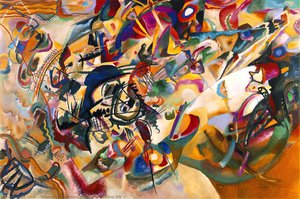
Wassily Kandinsky’s “Division - Unite,” created in 1934 during his formative Parisian period, stands as an emblem of abstract expressionism and a testament to the artist's relentless pursuit of spiritual resonance within visual art. Born in Moscow in 1866, Kandinsky embarked on a transformative artistic odyssey fueled by encounters with Impressionist painting—particularly Claude Monet’s “Haystacks”—and profoundly moved by Wagner’s opera "Lohengrin." These experiences instilled within him an unwavering conviction that art could transcend mere representation and communicate directly with the soul. This conviction would become the cornerstone of his groundbreaking approach to abstraction, forever altering the landscape of modern artistic endeavor. Early influences extended beyond purely visual stimuli; Kandinsky absorbed the vibrant hues and symbolic narratives of Russian folk art, gleaned from expeditions into the Vologda region. He meticulously documented these observations, recognizing their capacity to evoke emotional responses akin to musical harmonies—a concept he would champion throughout his career. This intellectual framework underpinned his artistic explorations, guiding him toward a deliberate rejection of conventional pictorial conventions in favor of forms that prioritized color and composition as primary expressive vehicles. The painting itself presents a striking visual experience: a square grid serves as the foundational structure for an astonishing array of organic shapes—circles, squares, triangles—interwoven with scattered letters. These elements are not uniformly distributed; rather, they cluster and overlap, generating a palpable sense of controlled chaos that belies Kandinsky’s meticulous planning. Diagonal lines intersect the grid, injecting dynamism into the composition and reinforcing the feeling of movement. The color palette is extraordinarily rich and diverse, encompassing reds, greens, blues, yellows, oranges, and purples—applied in both solid blocks and blended areas to create subtle gradations that heighten visual interest. Dominating the background is a pale grey or off-white hue, allowing the vibrant colors of the shapes to command attention and radiate luminosity. Kandinsky’s technique reflects his unwavering commitment to capturing inner experience. Executed primarily with oil paints on canvas—likely stretched taut—the application appears remarkably smooth, minimizing visible brushstrokes and prioritizing tonal harmony. This deliberate restraint underscores Kandinsky's belief that color alone could convey profound emotional significance. The resulting surface possesses a subtle textural quality, suggestive of the paper-like texture of his preparatory sketches, hinting at the artist’s ongoing engagement with traditional drawing methods alongside his pioneering explorations of abstraction. “Division - Unite” embodies Kandinsky’s mature abstract style—characterized by its rejection of representational imagery and its masterful manipulation of color relationships to evoke spiritual contemplation. It aligns seamlessly with the tenets of Abstract Expressionism, a movement that championed spontaneous gesture and emotional intensity as paramount considerations in artistic creation. More than just a visual spectacle, this artwork invites viewers into a realm where form and color coalesce to communicate unspoken truths—a legacy that continues to inspire artists and collectors alike.Composition & Structure
The square grid serves as the central organizing principle of “Division - Unite,” providing a framework for the arrangement of disparate elements while simultaneously fostering a sense of controlled dynamism. Unlike traditional perspectival representations, Kandinsky eschews depth illusion, opting instead for a flattened surface that emphasizes color and form as independent expressive forces. Diagonal lines intersect the grid, injecting movement into the composition and disrupting any potential static equilibrium. This deliberate disruption mirrors Kandinsky’s philosophical conviction that art should transcend rational thought and tap into primal instincts—a core tenet of his spiritual worldview.Color Palette & Harmony
Kandinsky's masterful use of color is arguably the painting's most striking feature. The palette encompasses a spectrum of hues—reds, greens, blues, yellows, oranges, and purples—each carefully positioned to create visual harmony and convey specific emotional resonances. Solid blocks of color coexist with blended areas, generating subtle gradations that enrich the overall tonal range. The dominant off-white background serves as a counterpoint to the vibrant shapes, maximizing their luminosity and enhancing their impact on the viewer’s eye. Kandinsky's meticulous attention to color theory—informed by Goethean aesthetics—demonstrates his profound understanding of how color can stimulate sensory perception and evoke psychological responses.Technique & Materials
The painting was crafted using oil paints on canvas, a medium favored by Kandinsky for its ability to achieve exceptional tonal fidelity and textural nuance. The application technique prioritizes smoothness and tonal consistency, minimizing visible brushstrokes and emphasizing the artist’s commitment to capturing inner experience through visual form. This deliberate restraint underscores Kandinsky's belief that color alone could convey profound emotional significance—a conviction that underpinned his entire artistic practice.Symbolic Significance & Emotional Impact
“Division - Unite” transcends mere aesthetic beauty; it embodies Kandinsky’s aspiration to communicate spiritual truths through abstraction. The scattered letters within the composition serve as visual anchors, grounding the organic shapes in a realm of intellectual contemplation—a reflection of Kandinsky's engagement with philosophical ideas and his belief that art could illuminate hidden dimensions of human consciousness. Ultimately, this painting invites viewers into a meditative state—a testament to Kandinsky’s enduring legacy as one of the foremost pioneers of abstract expressionism and a visionary artist who dared to explore the uncharted territories of visual perception.Historical Context
Created in 1934, “Division - Unite” emerged during Kandinsky's Parisian period—a time marked by profound intellectual ferment and artistic experimentation. The painting reflects the influence of Bauhaus, where Kandinsky taught from 1922 to 1933, and embodies the broader ethos of Abstract Expressionism—a movement that championed spontaneity and emotional intensity as paramount considerations in artistic creation. It stands as a pivotal work within Kandinsky’s oeuvre, solidifying his reputation as one of the most innovative and influential artists of the 20th century.Size & Dimensions
Unknown Date: 1934კითხვები და პასუხები
შესაძლებელია თუ არა ვაზილი კანდინსკი-ის „Division -Unit“-ის ნახვა ჩემს საკუთარ კედელზე ყიდვამდე?
„Division -Unit“-ს აქვს augmentedly reality (AR) წინასწარი ნახვის ფუნქცია: ნამუშევრის AR წინასწარი ნახვა გვერდი მას თქვენს საკუთარ სივრცეში, თავსებად მოწყობილობაზე აჩვენებს.
რამდენი წლის იყო ვაზილი კანდინსკი, როდესაც 1934 წელს შექმნა „Division -Unit“?
როდესაც 1934 წელს შექმნა „Division -Unit“, ვაზილი კანდინსკი — რომელიც 1866-ში დაიბადა — 68 წლის იყო.
რა ეროვნული წარმომავლობა დგას „Division -Unit“-ის Abstract Expressionism-ის მიღმა?
"Division -Unit" შექმნილია რუსეთი-ში დაბადებული ვაზილი კანდინსკი-ის მიერ, Abstract Expressionism მიმდინარეობის ფარგლებში. ხელოვანის წარმოშობა ნამუშევარს Abstract Expressionism სტილთან აკავშირებს, რომელსაც რუსეთი-ის ხელოვანები წარმოდგენენ.
დაკავშირებული სტატიები

Mastering Abstraction: The Top 25 Essential Artworks by Wassily Kandinsky
Explore 25 iconic Wassily Kandinsky masterpieces. From Blue Rider to pure abstraction, discover the full collection on OriginalUniqueArt.com.

Mastering Abstraction: The Top 25 Essential Works by Wassily Kandinsky
Explore 25 iconic Kandinsky masterpieces and the birth of abstraction. Discover the full collection online at OriginalUniqueArt.com.

Mastering Abstraction: The Top 25 Essential Works by Wassily Kandinsky
Embark on a journey through the soul of abstraction with our curated guide to Wassily Kandinsky's top 25 masterpieces. Explore the vibrant colors and spiritual forms that defined modern art. Find museum-quality reproductions for your decor. Discover all masterpieces on OriginalUniqueArt.com.

Mastering Abstraction: The Top 25 Essential Artworks by Wassily Kandinsky
Journey through the vibrant soul of abstraction with our curated guide to the top 25 Wassily Kandinsky masterpieces. Explore the stories behind his iconic colors and shapes. Find museum-quality reproductions and decor inspiration. Discover all masterpieces on OriginalUniqueArt.com.

Mastering Abstraction: The Top 25 Essential Works by Wassily Kandinsky
Journey through the soul of abstraction with our curated guide to the top 25 Wassily Kandinsky masterpieces. Explore the vibrant colors and spiritual forms that defined modern art. Find museum-quality reproductions and decor inspiration. Discover all masterpieces on OriginalUniqueArt.com.