

 ნახვა ინტერьерში
 გაგზავნა
 გაზიარება
 დეტალები
 გზამკვლევი

 ჩამოტვირთვა
 მსგავსები
 რენტგენოგრაფიული კვლევა
 სლაიდშოუ
 სტატისტიკა
The Dead Christ
 Oil On Canvas
- WallArt
- Baroque Revival
 1520
1520 145.0 x 185.0 cm
 Staatliche Museen
 სრული ტექსტის ნახვა
გიკლე / ხელოვნების პრინტი
მუზეუმის დონის ჟიკლე ან ტილოზე ბეჭდვა სწრაფი წარმოებისა და დასრულების მოქნილი ვარიანტებით. ( შეიძინეთ ხელით შესრულებული ნახატი გადასვლა ციფრულ გამოსახულებაზე)




P118B ₾10

P118H ₾10

P118W ₾10

P438Z ₾10

P508JH ₾12

P508YH ₾12

P805H ₾10

P805Z ₾10

P919BZ ₾10

P919G ₾10

P919XJ ₾10

P959ZH ₾10

P968JZ ₾12

W106C ₾8

W218G ₾10

W218JH ₾8

W218Y ₾10

W307PJ ₾10

W316G ₾10

W316PJ ₾8

W316Y ₾10

W398PJ ₾8

W4111J ₾10

W500HY ₾15

W500JH ₾15

W692G ₾12

W849H ₾8

W940BG ₾15

W953PJ ₾8




აირჩიეთ ჩვენს მიერ წინასწარ განსაზღვრული ზომებიდან, რომლებიც ნაწარმოების ორიგინალურ პროპორციებს შეესაბამება.

შეიყვანეთ თქვენთვის საჭირო სიგანე და სიმაღლე, რათა იგი მოერგოს თქვენს ჩარჩოს ან კედელს. ბეჭდვისას შესაძლებელია მხოლოდ მისი შემცირება და არა გაზრდა, ამიტომ სხვა ფორმის ზომის შემთხვევაში გამოსახულება ნაწილობრივ იკარგება. სანამ რაიმეს დაბეჭდავთ, ჩვენ გამოგიგზავნით ციფრულ მაკეტს დასდასტურებლად. ამ გვერდზე ნაჩვენები სურათი არ ასახავს რეალურ ჭრას — ამას მხოლოდ მაკეტი გვიჩვენებს.
მიწოდება მთელ მსოფლიოში () 2 კვირაში, სტანდარტული 4/5 კვირის ნაცვლად. (26 ოქტომბერი)

უფასო ექსპრეს მიწოდება მთელ მსოფლიოში

მაღალი ხარისხის ტილო

ტრანსპორტირების სრული დაზღვევა

საბაჟო გადასახადების დაბრუნების გარანტია

ფერების სრული შესაბამისობის გარანტია

დაბრუნების 100-დღიანი პერიოდი (მხოლოდ წარმოების დეფექტის შემთხვევაში)

100% თანხის სრული დაბრუნების გარანტია

ფასდაკლება დიდი რაოდენობით შეკვეთისას
 მინის ჩარჩოს არჩევანი ხელმისაწვდომია მხოლოდ 110 სმ-მდე ზომისთვის

The Dead Christ
გიკლე / ხელოვნების პრინტი
რეპროდუქციის ზომა
-


ჯამური ღირებულება
₾ 209
A Somber Reflection on Mortality: Vittore Carpaccio’s “The Dead Christ”
Vittore Carpaccio's "The Dead Christ," painted circa 1520, stands as a poignant testament to the artistic sensibilities of Venice during the High Renaissance. More than just a depiction of religious iconography—the lifeless body of Jesus cradled by grieving figures—it embodies a profound meditation on death and mourning, reflecting the anxieties prevalent in a period grappling with theological upheaval and humanist inquiry. This monumental canvas (145 x 185 cm) resides within the Gallerie dell’Accademia, offering visitors an unparalleled opportunity to experience Carpaccio's masterful execution of narrative painting.Style and Influences: A Conservative Voice Amidst Change
Carpaccio distinguishes himself from his contemporaries through a remarkably restrained artistic style. Unlike the burgeoning humanist movement that championed classical ideals and vibrant color palettes—evident in works by Giovanni Bellini and Andrea Mantegna—Carpaccio adhered to a more conservative approach, prioritizing clarity of form and emotional resonance over stylistic innovation. His visual vocabulary draws heavily from Antonello da Messina’s influence, particularly his meticulous attention to detail and use of oil paint, alongside early Netherlandish art's emphasis on realism and psychological depth. This confluence resulted in an aesthetic that prioritizes solemn contemplation rather than dramatic spectacle.Technique: The Art of Layered Detail
Carpaccio employed a technique characterized by painstaking layering—a hallmark of Venetian painting at the time—to achieve remarkable textural richness and luminosity. He meticulously built up his composition using thin glazes of oil paint, allowing underlying pigments to subtly interact and create nuanced tonal variations. This method ensured that every surface was rendered with meticulous precision, capturing the contours of Christ’s body and the expressions of sorrowful onlookers alike. The artist skillfully utilized chiaroscuro—the dramatic interplay between light and shadow—to heighten the emotional impact of the scene, directing viewers' gaze towards the central figure and emphasizing the solemn atmosphere.Historical Context: Grief and Remembrance in Renaissance Venice
Painted during a time marked by religious fervor and intellectual debate, “The Dead Christ” speaks to the broader cultural concerns of Renaissance Venice. The depiction of mourning figures—a common motif in devotional art—reflects the pervasive preoccupation with mortality and the desire for spiritual solace amidst uncertainty. Carpaccio’s work aligns itself with the theological debates surrounding indulgences and papal authority, subtly conveying a sense of humility before divine judgment. Furthermore, it underscores the importance of remembrance and veneration within Christian tradition.Symbolism: The Body as Emblematic Representation
The central image—the crucified Christ—serves as an enduring symbol of sacrifice and redemption. Carpaccio’s portrayal emphasizes the physicality of Christ's suffering, grounding the theological narrative in tangible reality. The surrounding figures—primarily mourners—represent humanity grappling with grief and loss, mirroring the universal experience of mortality. Their gestures of compassion and sorrow underscore the importance of empathy and spiritual contemplation. The inclusion of a tree nearby – a traditional symbol of life and resurrection – subtly reinforces the overarching theme of hope amidst despair.Emotional Impact: A Profound Meditation on Suffering
“The Dead Christ” transcends mere visual representation; it evokes a powerful emotional response in viewers. Carpaccio’s masterful use of color—primarily muted browns and reds—creates an atmosphere of solemnity and melancholy, mirroring the profound sorrow experienced by those witnessing the crucifixion. The artist's meticulous attention to detail captures not only the physical appearance of Christ but also the psychological state of his mourners, fostering a sense of empathy and prompting reflection on themes of faith, grief, and human vulnerability. It remains an enduring masterpiece—a poignant reminder of humanity’s capacity for compassion and its unwavering belief in spiritual transcendence.კითხვები და პასუხები
რისთვის არის რეკომენდებული "The Dead Christ"-ის პრინტის გამოყენება?
"The Dead Christ"-ის პრინტის რეკომენდებული გამოყენება არის Statement.
როგორ უკავშირდება ერთმანეთს „The Dead Christ“-ის ფერები?
„The Dead Christ“-ის ფერების ჰარმონია აღწერილია როგორც Strong Color Unity.
ხელმისაწვდომია თუ არა "The Dead Christ" მაღალი რეზოლუციის ვერსიის გადმოწერა?
ვიტორი კარპაჩიო-ის „The Dead Christ“-ის ციფრული ფაილის მისაღებად, შეუკვეთეთ მაღალი გარჩევადობის ციფრული გამოსახულების ჩამოტვირთვა მისი ციფრული გამოსახულება გვერდის მეშვეობით.
მხატვრის ბიოგრაფია
ადრეული ცხოვრება და მომზადება
ვიტორი კარპაციო, გამორჩეული იტალიელი მხატვარი, დაიბადა ვენეციაში დაახლოებით 1465 წელს. ის სწავლობდა ჟენტილე ბელინის ხელმძღვანელობით, ვენეციური სკოლის ცნობილი მხატვარი. ეს სტაჟირება საფუძვლად დაედო კარპაციოს მომავალ წარმატებას.მხატვრული სტილი და გავლენები
კარპაციოს სტილი ხასიათდებოდა კონსერვატული ბუნებით, რაც მინიმალურ გავლენას ახდენდა იტალიურ რენესანსის მხატვრულ ტრენდებზე, რომლებმაც მისი ცხოვრების განმავლობაში გარდაქმნა. მისი ნამუშევარი იყო დამოკიდებული ანტონელო და მესინას სტილსა და ადრეულ ნეთერლანდურ ხელოვნებას. ამ სტილების უნიკალურმა შერწყმამ გამოიწვია ვენეციური მხატვრობის გამორჩეული მიდგომა.ცნობილი ნამუშევრები
- სანტ უર્ულას ლეგენდა, ცხრა ნახატთა ციკლი, არის კარპაციოს ყველაზე ცნობილი ნამუშევარი. ეს სერია, რომელიც ამჟამად განთავსებულია გალერე დელ აკადემიაში, წარმოაჩენს მის დახვეწილ თხრობით მხატვრულ უნარს.
- სანტ უર્ულას დიდების ალტარები (1491) აჩვენებს კარპაციოს უნარს შუქისა და ფერების დაფიქსირებაში, რაც მოგვაგონებს ჟოვანი ბელინის სტილს.
- წალკე კვეთილის სასწაული პონტე დი რიალტოზე (1494) ხაზს უსვამს კარპაციოს კომპოზიციისა და თხრობის ბალანსირების უნარს.
კარიერული მაღელი წერტილები და მემკვიდრეობა
- კარპაციოს ძირითადი ნამუშევრები შესრულდა 1490-დან 1519 წლამდე, რაც მას ვენეციური რენესანსის ადრეული დიდებულთა შორის აყენებს.
- მისი აღმოსავლური სტილი, როგორც ჩანს წმიდა გიორგი სელენიტებს ბავტიზმში-ში, ასახავს ახალ დაინტერესებას ლევანტით.
- კარპაციოს ნამუშევარი გარკვეულწილად ნაკლებ ყურადღებას უგებს თანამედროვეებისგან შედარებით, როგორიცაა ჟოვანი ბელინი ან ჯორჯიონე.
რესურსები და შემდგომი კითხვა
აღმოაჩინეთ მეტი ვიტორი კარპაციოზე და ვენეციურ სკოლაზე OriginalUniqueArt-ზე.
ვიტორი კარპაჩიო
1465 - 1526 , იტალია
მოკლე ფაქტები
- Artistic Movement Or Style: ადრეული ვენეციური რენესანსიო
- Artists Or Movements Influenced By This Artist: ['ადრეული ნეთერლანდური მხატვრობა']
- Artists Who Influenced This Artist:
- ანტონელო და მესინა
- ჟენტილე ბელინი
- Date Of Birth: ვენეცია, იტალია (დაახლოებით 1465 წ.)
- Date Of Death: 1526
- Full Name: Vittore Carpaccio
- Nationality: იტალიური
- Notable Artworks:
- წმიდა უર્სულას ლეგენდა
- წმიდა უર્სულას დიდება ალტარო
- ჯვრის ნარჩენის სასწაული პონტე დი რიალტოზე
- Place Of Birth: ვენეცია
მსგავსი სტატიები
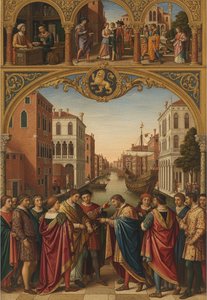
Vittore Carpaccio: Venetian Renaissance Narrative & the Poetics of Detail
Explore the captivating world of Vittore Carpaccio, a master storyteller of the Venetian Renaissance. Discover his intricate details, narrative cycles like 'The Legend of St. Ursula,' and unique artistic style.

The Enduring Power of Painting: A Historical & Contemporary Exploration of Form and Emotion
Explore the rich history & enduring techniques of oil painting with OriginalUniqueArt. Discover masterpieces, learn about art collecting, and find authentic handmade reproductions crafted by skilled artists.
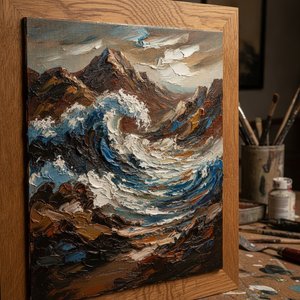
Oil on Panel: The Ultimate Guide to Bold, High-Impact Texture & Depth
Master the art of impact with our expert guide to oil on panel. Discover how impasto textures and heavy-body pigments create 3D depth and bold visual energy for modern interiors. Elevate your space with high-impact, hand-painted masterpieces designed for maximum aesthetic punch.

The Enduring Legacy of Oil on Canvas: Technique, History & Aesthetic Impact
Explore the rich history & techniques of oil painting – from Renaissance masters to Impressionism. Discover pigments, layering methods, and why this timeless medium endures. Expert insights for artists & art enthusiasts.

Oil on Canvas: A Historical & Technical Exploration of a Timeless Artistic Medium
Explore the rich history & enduring techniques of oil painting on canvas. Discover the science behind its longevity, conservation practices, and contemporary relevance. Expert insights for art enthusiasts.
