

 ნახვა ინტერьерში
 გაგზავნა
 გაზიარება
 დეტალები
 გზამკვლევი

 ჩამოტვირთვა
 მსგავსები
 რენტგენოგრაფიული კვლევა
 სლაიდშოუ
 სტატისტიკა
Virgin and Child
 Acrylic
- WallArt
- Northern Renaissance
 1460
1460 57.0 x 41.0 cm
 Staatliche Museen
 სრული ტექსტის ნახვა
გიკლე / ხელოვნების პრინტი
მუზეუმის დონის ჟიკლე ან ტილოზე ბეჭდვა სწრაფი წარმოებისა და დასრულების მოქნილი ვარიანტებით. ( შეიძინეთ ხელით შესრულებული ნახატი გადასვლა ციფრულ გამოსახულებაზე)




P118B ₾10

P118H ₾10

P118W ₾10

P438Z ₾10

P508JH ₾12

P508YH ₾12

P805H ₾10

P805Z ₾10

P919BZ ₾10

P919G ₾10

P919XJ ₾10

P959ZH ₾10

P968JZ ₾12

W106C ₾8

W218G ₾10

W218JH ₾8

W218Y ₾10

W307PJ ₾10

W316G ₾10

W316PJ ₾8

W316Y ₾10

W398PJ ₾8

W4111J ₾10

W500HY ₾15

W500JH ₾15

W692G ₾12

W849H ₾8

W940BG ₾15

W953PJ ₾8




აირჩიეთ ჩვენს მიერ წინასწარ განსაზღვრული ზომებიდან, რომლებიც ნაწარმოების ორიგინალურ პროპორციებს შეესაბამება.

შეიყვანეთ თქვენთვის საჭირო სიგანე და სიმაღლე, რათა იგი მოერგოს თქვენს ჩარჩოს ან კედელს. ბეჭდვისას შესაძლებელია მხოლოდ მისი შემცირება და არა გაზრდა, ამიტომ სხვა ფორმის ზომის შემთხვევაში გამოსახულება ნაწილობრივ იკარგება. სანამ რაიმეს დაბეჭდავთ, ჩვენ გამოგიგზავნით ციფრულ მაკეტს დასდასტურებლად. ამ გვერდზე ნაჩვენები სურათი არ ასახავს რეალურ ჭრას — ამას მხოლოდ მაკეტი გვიჩვენებს.
მიწოდება მთელ მსოფლიოში () 2 კვირაში, სტანდარტული 4/5 კვირის ნაცვლად. (23 ოქტომბერი)

უფასო ექსპრეს მიწოდება მთელ მსოფლიოში

მაღალი ხარისხის ტილო

ტრანსპორტირების სრული დაზღვევა

საბაჟო გადასახადების დაბრუნების გარანტია

ფერების სრული შესაბამისობის გარანტია

დაბრუნების 100-დღიანი პერიოდი (მხოლოდ წარმოების დეფექტის შემთხვევაში)

100% თანხის სრული დაბრუნების გარანტია

ფასდაკლება დიდი რაოდენობით შეკვეთისას
 მინის ჩარჩოს არჩევანი ხელმისაწვდომია მხოლოდ 110 სმ-მდე ზომისთვის

Virgin and Child
გიკლე / ხელოვნების პრინტი
რეპროდუქციის ზომა
-


ჯამური ღირებულება
₾ 209
A Serene Vision of Faith: Unveiling Vincenzo Foppa’s ‘Virgin and Child’
Vincenzo Foppa's “Virgin and Child,” painted around 1460, is more than just a depiction of the Madonna and Child; it’s a poignant window into the burgeoning artistic landscape of early Renaissance Lombardy. Born in Bagnolo Mella, Italy, in 1427, Foppa emerged as a pivotal figure, skillfully blending the lingering traditions of Gothic art with the nascent humanist ideals that were reshaping Europe. This particular painting, now housed at the Staatliche Museen in Berlin, offers a remarkably intimate and emotionally resonant portrayal of Mary cradling the infant Jesus – a testament to Foppa’s ability to capture both spiritual depth and human tenderness.
The work immediately draws the eye with its carefully orchestrated composition. The muted palette—dominated by earthy browns, soft greens, and subtle blues—creates an atmosphere of quiet contemplation. Foppa masterfully employs light, diffusing it gently across the scene to avoid harsh shadows, fostering a sense of serenity that permeates the entire canvas. Notice how the background landscape – a stylized depiction of trees and a distant fortress – isn’t merely decorative; it provides depth and context, suggesting a peaceful haven for this sacred family. The use of wood panel as the support material is typical of the period, lending an authentic feel to the artwork.
The Language of Symbolism: Decoding Foppa's Artistic Choices
Beyond its aesthetic beauty, “Virgin and Child” is rich in symbolic meaning. The apple held by Mary – a deliberate inclusion – has been widely interpreted as referencing the story of Adam and Eve, subtly introducing themes of temptation and salvation. However, it also carries a more immediate significance: the fruit represents the promise of life and immortality associated with the Tree of Life. The gesture of the infant Jesus reaching for the apple is not one of reckless desire but rather an innocent curiosity, hinting at his future role as the savior of humanity. The veil draped over Mary’s head isn't simply a garment; it symbolizes her purity and holiness, reinforcing her status as the Mother of God.
Furthermore, observe the details in Mary’s expression – a serene stillness that suggests prayer or deep contemplation. Her eyes are closed, inviting the viewer to share in her inner world. The way she holds Jesus, with a gentle yet firm embrace, speaks volumes about maternal love and protection. The artist's signature, “Vincenzo Foppa,” located discreetly in the lower right corner, anchors the work within its historical context and acknowledges the creator’s hand.
A Window into the Lombard Renaissance: Context and Legacy
Foppa’s “Virgin and Child” is a crucial piece of evidence illustrating the distinctive style of the early Lombard school of painting. This movement, flourishing primarily in Northern Italy during the 15th century, distinguished itself through its meticulous attention to detail, realistic portrayals of figures, and a subtle integration of Gothic and humanist elements. Unlike the more flamboyant styles prevalent in Florence or Rome at the time, the Lombard school favored a quieter, more introspective approach – qualities vividly evident in Foppa’s work.
The painting's date (1460) places it squarely within this period of transition, reflecting the growing influence of humanism while retaining elements of medieval tradition. Foppa’s patronage by the powerful Sforza family further underscores the importance of his art and its role in shaping the cultural landscape of Milanese society. His legacy extends beyond this single masterpiece; he served as a mentor to other artists, influencing the development of painting across Northern Italy for decades to come.
Bringing Foppa’s Vision Home: A High-Quality Reproduction
OriginalUniqueArt offers meticulously crafted hand-painted reproductions of Vincenzo Foppa's “Virgin and Child,” allowing you to experience the beauty and emotional depth of this iconic artwork in your own space. Our skilled artists faithfully recreate Foppa’s techniques, color palette, and compositional elements, ensuring that your reproduction captures the essence of the original while adhering to the highest standards of quality. Whether for a private collection or an interior design project, a OriginalUniqueArt reproduction provides a stunning tribute to this remarkable Renaissance master.
კითხვები და პასუხები
ვინჩენცო ფოპა-ის „Virgin and Child“-ის ფერები გაჯერებული თუ მკრთალია?
ვინჩენცო ფოპა-ის „Virgin and Child“ ფერების სირთულე (დამკვეთភាព) არის Subtle Color. სირთულე აღწერს, თუ რამდენად მკვეთრი ან მკვდარია ფერები.
როგორ შემიძლია ვინჩენცო ფოპა-ის „Virgin and Child“-ის ნახვა სლაიდშოუს სახით?
ხელმისაწვდომია სლაიდშო: ვინჩენცო ფოპა-ის „Virgin and Child“-ის სლაიდშოუ გვერდი.
რამდენად ცნობილია ვინჩენცო ფოპა-ის ნამუშევარი "Virgin and Child"?
ვინჩენცო ფოპა-ის „Virgin and Child“-ის პოპულარობის დონე შეფასებულია როგორც Recognized.
მხატვრის ბიოგრაფია
ლომბარდიის ვიზიონერი: ვინჩენცო ფოპას ცხოვრება და ხელოვნება
ვინჩენცო ფოპა, სახელი, რომელიც შესაძლოა ნაკლებად ცნობადი იყოს მისი რენესანსის თანამედროვეთათვის, მაინც გადამწყვეტ ფიგურად დგას იტალიური ხელოვნების ისტორიაში. დაახლოებით 1427 წელს ბრესიაში, ბაგნოლო მელაში დაბადებული ფოპა, ადრეული ლომბარდიის სკოლის წამყვან ნათელკენსად გამოიკვეთა; მან შექმნა გამორჩეული სტილი, რომელიც გოთიკურ ტრესდადებს ჰუმანისტურ იდეებთან აერთიანებდა. მისი კარიერა ძირითადად მილანის დუკების, ძლიერი სფორცას ოჯახის პატრონობის ქვეშ განვითარდა. მისი გავლენა მთელ ლომბარდიასა და ლიგურიაში გაისმა, სანამ იგი ბრესიაში, მშობლიურ ქალაქში არ დაბრუნდებოდა, სადაც 1515 წელს გარდაიცვალა. მიუხედავად იმისა, რომ მისი ნარჩენებული შემოქმედება შედარებით მცირეა — რაც დროისა და გარემოებების სამწუხარო შედეგია — ფოპას მხატვრული ხედვის გავლენა დღემდე ღრმად იგრძნობა ჩრდილოეთ იტალიაში ფერწერის შემდგომ განვითარებაში.ფორმირების წლები და სახელოვნებო პილგრიმობა
ფოპას ახალგაზრდობისას ბრესიის სახელოვნებო სცენა არ იყო განსაკუთრებით დინამიკური, რამაც მას სხვაგან სწავლის ძიებაში უბიძგა. მისი ოსტატობის ზუსტი დეტალები გარკვეულ მისტიკაშია გახვეული, თუმცა აშკარაა, რომ მან დაიწყო სახელოვნებო პილგრიმობა იმ ეპოქის გაბატონებული სტილისა და ტექნიკის დასამკვიდრებლად. მისი ნამუშევრებში ადრეული გავლენები ადვილად იკვეთება: ჯენტილე და ფაბრიანოს ფრესკების ნაზი ლირიზმი ბრესიის ბროლეტოს ചാპლში და ჯაკოპო ბელინის ქსოვილისებრი „მადისმღერელობის“ დახვეწილი ელეგანტურობა. როგორც ჩანს, ამ უკანასკნელმა მხატვარმა განსაკუთრებული გავლენა მოახდინა მასზე; ზოგიერთი მკვლევარი ვარაუდობს, რომ ფოპა შესაძლოა პირდაპირ მისი მოწაფეც კი ყოფილიყო. სხვა პოტენციურ მასწავლებლებს შორის გვხვდება 보니acio ბემბო, ხოლო ზოგიერთი ვარაუდი პადუაში, ფრანჩესკო სკუარჩონესთან სწავლაზე მიუთითებს. თუმცა, მისი ადრეული ნამუშევრები პისანელოსა და ჯენტილე და ფაბრიანოს სტილისტური მსგავსებებს ავლენს, რაც ბევრს აფიქრებინებს, რომ ფორმალური სწავლება სავარაუდოდ ვერონაში შედგა — ქალაქში, რომელიც იმ დროს სახელოვნებო ინოვაციების ცენტრად ყვავოდა. ამ ათვისებისა და ექსპერიმენტების პერიოდმა საფუძველი ჩაუყარა ფოპას უნიკალურ სინთეზს სხვადასხვა გავლენიდან.სფორცას პატრონობა და ლომბარდიული ინოვაციები
ფოპას ბედი დრამატულად შეიცვალა, როდესაც 1458 წლისთვის, პავიაში, იგი დუკ ფრანჩესკო სფორცას ყურადღების ცენტრში მოექცა. მისმა ნიჭმა სწრაფად უზრუნველყო შეკვეთები, მათ შორის პრესტიჟული პროექტი გენუაში — კათედრალის წმინდა იოანე ბपतिஸ்தეს ചാპლში ფრესკები, რომლებიც, სამწუხაროდ, XVI საუკუნის რესტავრაციის დროს დაიკარგა. სფორცასგან მიღებულმა მოწერილიმ ახალი შესაძლებლობების კარი გააღო და 1463 წელს ფოტიკი თავად მილანში გამოიძახეს. აქ მან განახორციელა მნიშვნელოვანი პროექტები, როგორიცაა ფრესკები ახალი ოსპედალე მაჯორეს პორტიკოსთვის და რთული დეკორაციების სერია მილანის „მედიჩის ბანკის“ შენობაში. ეს უკანასკნელი ნამუშევრები განსაკუთრებით აღსანიშნავია: მათში გამოსახულია რვა რომაელი იმპერატორი — ტრაიანის დეტალური ესკიზით — alongside ფრანჩესკო სფორცასა და მისი ოჯახის შთამბეჭდავი პორტრეტი. სწორედ ამ პერიოდში დაამკვიდრა ფოპამ ლომბარდიის სკოლის ნიშნები. მისმა ფერწერებმა დაიწყო კანის ტონებში გამორჩეული ნაცრისფერი ტონალობის გამოვლენა — ეს არის მახასიათებელი, რომელიც შემდგომი თაობის მხატვრების მიერ ფართოდ იქნა გაბეჭდვა. მან ოსტატურად შეაერთა გოთიკური ელეგანტურობა რენესანსის აღმოჩენილ პერსპექტივისა და ნატურალიზმის პრინციპებთან, შექმნა კომპოზიციები, რომლებიც ვიზუალურად მომხიბვლელი და ინტელექტუალურად საინტერესო იყო. „ახალგაზრდა ციცერონე კითხვისას“ — მედიჩის ბანკის ფრესკებიდან ერთადერთი გადარჩენილი სეკულარული ფრაგმენტი, რომელიც ახლა ლონდონის უოლესის კოლექციაში ინახება — სწორედ ამ სინთეზს წარმოაჩენს და ავლენს ფოპას უნარს, გადმოსცეს ფსიქოლოგიური სიღრმე და ნარატიული სთქლოვნება.მემკვიდრეობა და ისტორიული მნიშვნელობა
მიუხედავად მისი ბევრი ნამუშევრის დაკარგვისა, ვინჩენცო ფოპას გავლენა ლომბარდიულ ფერწერაზე ღრმა იყო. მან შექმნა რეგიონული სტილი, რომელიც ხიდს წარმოადგენდა გვიანდელ გოთიკურ პერიოდსა და მაღალ რენესანსს შორის. რეალისტური გამოსახვისადმი მისი სწრაფვა, ფერისა და კომპოზიციის დახვეწილ შეგრძნებასთან ერთად, გზა გაუკვალა ისეთ მხატვრებს, როგორებიც იყვნენ ვინჩენცო ჩივერკიო და ჯიროლამო რომანინო. ცნობილმა ხელოვნების ისტორიკოსმა, ჯორჯო ვასარიმ, აღიარა ფოპა თავისი ეპოქის ერთ-ერთ უდიდეს მხატვრად — რაც მისი ნიჭისა და რეპუტაციის დასტური იყო მთელი მისი ცხოვრების მანძილზე. ფოპას სახელოვნებო მემკვიდრეობა სტილისტური იმიტაციის მიღმა სცილდება. მან აჩვენა განსაკუთრებული უნარი, მოერგო და შეკრიბოს სხვადასხვა გავლენა და შექმნა უნიკალური ლომბარდიული ესთეტიკა, რომელიც ასახავდა მისი დროის კულტურულ და პოლიტიკურ ლანდშაფტს. მისი შემოქმედება განსახიერებულად გამოხატავს ინოვაციისა და ექსპერიმენტული სულისკვეთებას, რაც მას არა მხოლოდ ოსტატ ხელოვანს, არამედ ვიზიონერ მხატვარს ხდის, რომელმაც დაეხმარა ფორმირებას იტალიური რენესანსის ფერწერის მიღწევებს. ვინჩენცო ფოპა, თუმცა შესაძლოა ნაკლებად ცნობილი იყოს თავის უფრო სახელადგანილ თანამედროვეთებთან შედარებით, მაინც არსებით ფიგურად რჩება მე-15 საუკუნის ჩრდილოეთ იტალიური ხელოვნების მდიდარი ქსოვილის გასაგებად.
ვინჩენცო ფოპა
1427 - 1515 , იტალია
მოკლე ფაქტები
- Artistic Movement Or Style: ად Frühe Renaissance (ადრეული რენესანსი)
- Artists Or Movements Influenced By This Artist:
- Vincenzo Civerchio
- Girolamo Romanino
- Artists Who Influenced This Artist:
- Jacopo Bellini
- Gentile da Fabriano
- Date Of Birth: 1427
- Date Of Death: 1515
- Full Name: Vincenzo Foppa
- Nationality: იტალიელი
- Notable Artworks:
- Madonna and Child (မယ်და და ბავშვი)
- Crucifixion (1456) (ჯვარცმა (1456))
- The Young Cicero Reading (კითხულა ახალგაზრდა ციცერონი)
- Place Of Birth: Bagnolo Mella, Italy (ბანიოლო მელა, იტალია)
მსგავსი სტატიები

The Northern Renaissance: A Flourishing of Realism, Religious Reform & Artistic Innovation
Explore the Northern Renaissance! Discover Jan van Eyck's innovations, religious shifts, & key artists of this influential period. Expert analysis and insights into Early Netherlandish painting at OriginalUniqueArt.

Divine Grace: An Art Historian's Journey Through Iconic Masterpieces of the Virgin Mary
Explore the profound beauty of Marian iconography through an art historian's lens. Discover iconic masterpieces by Raphael and Renaissance masters, celebrating the divine grace and timeless elegance of the Virgin Mary in classical fine art.
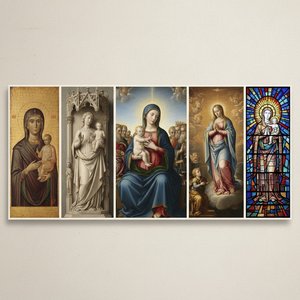
Divine Grace: A Journey Through the Most Iconic Depictions of the Virgin Mary in Art History
Embark on a profound journey through art history with our exploration of the most iconic depictions of the Virgin Mary. Discover the divine grace, symbolism, and masterful techniques found in Renaissance masterpieces and sacred iconography.
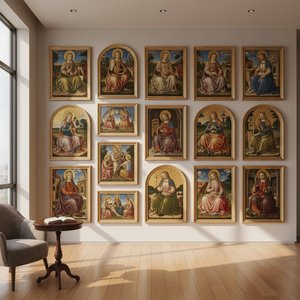
ფრა ანჯელიკოს 25 შედევრი: ხელოვნების სილამაზე თქვენს სახლში | OriginalUniqueArt.com
აღმოაჩინეთ ფრა ანჯელიკოს 25 უნიკალური შედევრი! რენესანსის ფერწერა, სულიერი ხატები და იტალიური ხელოვნების სილამაზე OriginalUniqueArt.com-ზე. შეიძინეთ მუზეუმის ხარისხის რეპროდუქციები სახლის დეკორისთვის. Explore the full collection online!
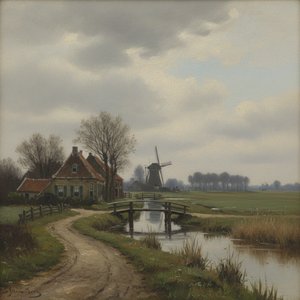
Jacob Henricus Maris: A Master of Dutch Atmospheric Realism & the Intimate Landscape
Explore the captivating world of Jacob Henricus Maris, a leading figure of the Dutch Hague School. Discover his atmospheric landscapes, signature brushstrokes & lasting influence on 19th-century art. Learn more at OriginalUniqueArt.