

 ნახვა ინტერьерში
 გაგზავნა
 გაზიარება
 დეტალები
 გზამკვლევი

 ჩამოტვირთვა
 მსგავსები
 რენტგენოგრაფიული კვლევა
 სლაიდშოუ
 Q&A
Q&A სტატისტიკა
Sikra-Z


 სრული ტექსტის ნახვა
ამ გვერდზე წარმოდგენილი ნამუშევარი დაცულია საავტორო უფლების შესახებ კანონმდებლობით, რაც იმას ნიშნავს, რომ ჩვენ არ გვაქვს მისი იდენტური რეპროდუქციის შექმნის ან გაყიდვის სამართლებრივი უფლება. აღნიშნული დაცვა უზრუნველყოფილია ისეთი საერთაშორისო შეთანხმებებით, როგორიცაა ბერნის კონვენცია და ეროვნული კანონმდებლობით, მათ შორის იმ კანონებით, რომლებიც დეტალურად არის გაწერილი აშშ-ის საავტორო უფლების შესახებ კანონი - თავი 17.
ეს მეთოდი სრულად შეესაბამება საავტორო უფლებების რეგულაციებს, რადგან ის არ გულისხმობს დაცული ნამუშევრის კოპირებას ან დუბლირებას. ამგვარად, ეს წარმოადგენს შემოქმედებით რეინტერპრეტაციას — ახალ ნახატს, რომელიც შთაგონებითაა განპირობებული ორიგინალით, თუმცა არ არის მის იდენტურ ასლს.
გიკლე / ხელოვნების პრინტი
მუზეუმის დონის ჟიკლე ან ტილოზე ბეჭდვა სწრაფი წარმოებისა და დასრულების მოქნილი ვარიანტებით. ( შეიძინეთ ხელით შესრულებული ნახატი გადასვლა ციფრულ გამოსახულებაზე)




P118B ₾10

P118H ₾10

P118W ₾10

P438Z ₾10

P508JH ₾12

P508YH ₾12

P805H ₾10

P805Z ₾10

P919BZ ₾10

P919G ₾10

P919XJ ₾10

P959ZH ₾10

P968JZ ₾12

W106C ₾8

W218G ₾10

W218JH ₾8

W218Y ₾10

W307PJ ₾10

W316G ₾10

W316PJ ₾8

W316Y ₾10

W398PJ ₾8

W4111J ₾10

W500HY ₾15

W500JH ₾15

W692G ₾12

W849H ₾8

W940BG ₾15

W953PJ ₾8




აირჩიეთ ჩვენს მიერ წინასწარ განსაზღვრული ზომებიდან, რომლებიც ნაწარმოების ორიგინალურ პროპორციებს შეესაბამება.

შეიყვანეთ თქვენთვის საჭირო სიგანე და სიმაღლე, რათა იგი მოერგოს თქვენს ჩარჩოს ან კედელს. ბეჭდვისას შესაძლებელია მხოლოდ მისი შემცირება და არა გაზრდა, ამიტომ სხვა ფორმის ზომის შემთხვევაში გამოსახულება ნაწილობრივ იკარგება. სანამ რაიმეს დაბეჭდავთ, ჩვენ გამოგიგზავნით ციფრულ მაკეტს დასდასტურებლად. ამ გვერდზე ნაჩვენები სურათი არ ასახავს რეალურ ჭრას — ამას მხოლოდ მაკეტი გვიჩვენებს.
მიწოდება მთელ მსოფლიოში () 2 კვირაში, სტანდარტული 4/5 კვირის ნაცვლად. (28 ოქტომბერი)

უფასო ექსპრეს მიწოდება მთელ მსოფლიოში

მაღალი ხარისხის ტილო

ტრანსპორტირების სრული დაზღვევა

საბაჟო გადასახადების დაბრუნების გარანტია

ფერების სრული შესაბამისობის გარანტია

დაბრუნების 100-დღიანი პერიოდი (მხოლოდ წარმოების დეფექტის შემთხვევაში)

100% თანხის სრული დაბრუნების გარანტია

ფასდაკლება დიდი რაოდენობით შეკვეთისას
 მინის ჩარჩოს არჩევანი ხელმისაწვდომია მხოლოდ 110 სმ-მდე ზომისთვის

Sikra-Z
გიკლე / ხელოვნების პრინტი
რეპროდუქციის ზომა
-


ჯამური ღირებულება
₾ 208
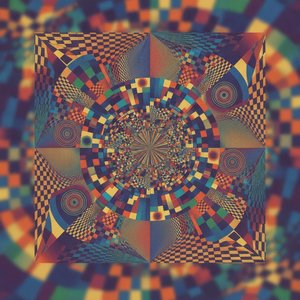
A Symphony of Geometry: Exploring Victor Vasarely's "Sikra-Z"
Victor Vasarely, a name synonymous with Op Art and kinetic art, dedicated his life to unraveling the mysteries of perception through geometric abstraction. Born Károly Vásárhelyi in Pécs, Austria-Hungary (now Croatia), his journey from aspiring medical student to pioneering artist is a testament to the power of visual expression. "Sikra-Z," painted in 1966, stands as a vibrant embodiment of Vasarely’s systematic approach and unwavering belief in the democratization of art—a piece designed not just to be viewed, but experienced. This artwork isn't merely an arrangement of shapes and colors; it is an exploration of how our eyes and brains interpret visual information, creating illusions of depth, movement, and even three-dimensionality on a flat surface.The Language of Form: Style and Technique
"Sikra-Z" exemplifies Vasarely’s signature style—a meticulously crafted blend of geometric forms and vibrant hues. The painting is divided into distinct sections, each pulsating with its own energy yet harmoniously integrated within the larger composition. Circles, in varying sizes and intensities of blue, green, yellow, purple, and orange, dominate the canvas, their placement carefully calculated to create a dynamic interplay of visual forces. These aren't random arrangements; they are the result of Vasarely’s unique system—a mathematical approach to art-making that sought to unlock universal principles of perception. He employed grids and precise calculations to generate patterns that would actively engage the viewer, challenging their assumptions about space and form. The technique itself is a testament to his dedication: while original works often involved screen printing or other reproducible methods, our hand-painted reproductions meticulously recreate the nuances of color and texture, ensuring an authentic visual experience.A Historical Context: Op Art and Beyond
The 1960s witnessed the rise of Op Art (Optical Art), a movement that sought to exploit the eye's sensitivity to patterns and colors to create illusions of movement and depth. Vasarely was arguably its leading figure, though he resisted being confined by any single label. "Sikra-Z" emerged during this period, reflecting the era’s fascination with technology, science, and the exploration of new visual frontiers. However, Vasarely's ambitions extended beyond mere optical illusion. He envisioned a world where art was accessible to everyone, transcending the traditional boundaries of galleries and museums. His work aimed to integrate into everyday life—appearing on buildings, textiles, and other surfaces—transforming the mundane into something visually stimulating and engaging. This desire for accessibility is reflected in the bold simplicity of "Sikra-Z," a piece that resonates with viewers regardless of their art historical knowledge.Symbolism and Emotional Impact
While Vasarely eschewed traditional symbolism, “Sikra-Z” evokes a powerful emotional response through its sheer visual dynamism. The vibrant colors and geometric patterns create a sense of energy and movement, drawing the viewer into a captivating dance of light and shadow. The circles, recurring motifs in Vasarely’s work, can be interpreted as representations of wholeness, continuity, or even cosmic cycles. More than that, however, "Sikra-Z" is about the *experience* of seeing—it's an invitation to actively participate in the creation of meaning. The painting doesn't dictate a specific interpretation; instead, it stimulates our senses and encourages us to question our own perceptions. It’s a piece that can energize a space, spark conversation, and serve as a constant source of visual delight. Owning a hand-painted reproduction of "Sikra-Z" is not just acquiring an artwork; it's embracing a legacy of innovation and a celebration of the power of perception.კითხვები და პასუხები
ზოგადად, რამდენად ნათელია "Sikra-Z"?
ვიქტორ ვასარელი-ის „Sikra-Z“-ის აღქმადი სიკაშკაშე არის bright. ის შესაძლოა შეესაბამებოდეს განკუთვნილი სივრცის განათებას.
რა არის ვიქტორ ვასარელი-ის „Sikra-Z“-ის შექმნის თარიღი და სტილი?
ვიქტორ ვასარელი-ის „Sikra-Z“ დათარიღებულია 1966 წლით და მიეკუთვნება Op Art-ს.
სად უნდა ჩამოკიდოს ვიქტორ ვასარელი-ის „Sikra-Z“-ის რეპროდუქცია?
ვიქტორ ვასარელი-ის „Sikra-Z“-ის Square ფორმატი რეკომენდებულია Living Room-ისთვის. ფორმატი და სივრცე ერთობლივად განსაზღვრავს რეპროდუქციის განლაგების საუკეთესო გზას.
მხატვრის ბიოგრაფია
გეომეტრიული ილუზიების მხატვარი: ვიქტორ ვასარელის სამყარო
კაროლი ვასზარი (ვიქტორ ვასარელი), დაიბადა 1906 წლის 9 აპრილს პეჩში, მაშინდელ Австро-Венгрияში (ახლა ხორვატია), იყო ხელოვნებათმცოდნე, რომელმაც ოპ-არტის და κινητικής ხელოვნების პიონერული როლი ითამაშა. მისი ცხოვრება სავსე იყო ცვლილებებით; თავდაპირველად სწავლობდა მედიცინას ბუდაპეშტში, მაგრამ მალევე მიხვდა, რომ მისი ნამდვილი მოწოდება ვიზუალურ ხელოვნებასთან იყო დაკავშირებული. 1927 წელს მან დატოვა სამედიცინო განათლება და ჩაირიცხა პოდოლინი-ვოლკმანის აკადემიაში, რაც იმართებოდა ბაუჰაუსის იდეოლოგიით. ეს გადაწყვეტილება აღნიშნავდა არა მხოლოდ პროფესიული მიმართულების შეცვლას, არამედ სამყაროს აღქმა-განცვიათაშორისე პრინციპების სიღრმისეული შესწავლის დაწყებას.
1930 წელს ვასარელი გადაინتقلდა პარიზში, სადაც გრაფიკული დიზაინერი და რეკლამისტის სახით განაგრძო მოღვაწეობა. სწორედ ამ პერიოდში დაიწყო მისი ექსპერიმენტები, რომლებიც მოგვიანებით ოპ-არტის საფუძვლად გახდება – ფორმებისა და ფერების მანიპულირება, რათა შეიქმნას მოძრაობისა და სივრცის ილუზია. მან მიიღო შთაგონება პიეტ მონდრიანისა და კაზიმირ მალევიჩისაგან, მაგრამ არ შეეცადა მათი სტილის უსწავლებლად გამეორებას; ის ცდილობდა წინ გადასულიყო მათზე, მისცემოდა კომპოზიციებს დინამიზმი, რომელიც აქტიურად ჩართავდა მაყურებელს.
აბსტრაქციისკენ ნაბიჯები და ოპ-არტის გაბრტყლება
1920-იანების ბოლოდან და 1930-იანების 초반ში ვასარელი თანდათანობით გადავიდა წარმომადგენლური ხელოვნებისგან გეომეტრიულ აბსტრაქციისკენ. მისი ნამუშევრები, როგორიცაა "ლურჯი შესწავლა" და "녹색 연구", ამ გარდაქმნის დასტურებენ – ის მიზანულებით უარისმყოფელია მოთხრობით ელემენტებზე, რათა კონცენტრირება მოახდინოს ფორმებისა და ფერების ურთიერთქმედებაზე. ვასარელი არ იყო მხოლოდ ტექნიკის მფლობელი; ის აფუძნებდა ხელოვნებას ლოგიკაზე და სიზუსტეზე, რაც მის უნიკალურ სტილს ხასიათი მატევდა.
1960-იან წლებში ვიქტორ ვასარელი ოპ-არტის მოძრაობაში გამოჩნდა ლიდერად. ის სისტემატურ მიდგომას იყენებდა, გრიდებსა და მათემატიკურ პრინციპებს გამოიყენებდა, რათა შეექმნა ოპტიკური ილუზიები – ვიზუალურმა ტემპერატურებმა, მოძრავი ეფექტებმა და სივრცის შთამნთქმელმა განცდემ. მისი მიზანი არ იყო თაღლითობა, არამედ აღმოაჩენილიყო აღქმიანობისში არსებული დინამიზმი. ის ხელოვნების დემოკრატიზაციას უჭერდა მხარს და მის ხელოვნებას ხელმისაწვდომს ხდიოდა მუზეუმებს გარეთაც.
კინეტიკული ექსპერიმენტები და მუდმივმოქმედი მემკვიდრეობა
ვასარელის მხატვრული მოღვაწეობა არ შეზღუდულა სტატიკური ილუზიებით. ის აქტიურად განავითარებდა კინეტიკურ ხელოვნებას, ქმნიდა ნამუშევრებს, რომლებიც შეიცავდნენ რეალურ მოძრაობას ან ჰქონდათ მოძრაობის შთაბეჭდილება. "ჟორჟ პომპიდუ" (1976), რომელიც პარიზში, ცენტრ პომპიდუსთან არის განთავსებული, მისი ამბიციის დასტურია – ხელოვნების ინტეგრირება არქიტექტურასთან და ქალაქის დიზაინთან. ვასარელმა კომერციულ პროდუქტებზეც საკუთარი დიზაინი გაავრცელა, როსენ탈ის ფაიანსის სერიაში "Suomi" მოხვდა. ეს მისი რწმენა იყო, რომ ხელოვნება უნდა შეღწევდეს ყოველთა ცხოვრებაში.
ფონდი ვასარელის დაარსებამ აიქს-ენ-პროვანსში უზრუნველყო მისი ნაშრომის შენახვა და პოპულარიზაცია, ხოლო საფრანგო-საბჭოთა კოსმოსურ ხომალ „სალიუტ 7“-ზე სერიგრაფების განთავსებამ სიმბოლურად აღნიშნა მისი ხელოვნების გლობალური აღიარება. ვიქტორ ვასარელის მემკვიდრეობა გადამეტებულია ζωγραφικής ფარგლებში; მან βαθιά επηρέασε γραφική σχεδίαση, μόδα, εσωτερική διακόσμηση και ακόμη και την πρώιμη υπολογιστική γραφική. მისი ინოვაციური ხედვა და აღქმა-განცვიათაშორისე პრინციპებისადმი ერთგულება თაობებს აფასებენ.
Историческое значение
Внесли вклад в историю искусства многогранны. Он перешел за пределы традиционных техник живописи, чтобы создавать произведения, которые активно вовлекают восприятие зрителя. Его систематический подход бросал вызов общепринятым представлениям об артистической креативности и проложил путь для компьютерной графики и цифрового дизайна. Принимая воспроизводимость и коммерческое применение, Васарели размыл границы между изобразительным искусством и массовой культурой, оставив неизгладимый след в обеих сферах. Он не просто создавал эстетически приятные объекты; он проводил визуальные эксперименты, которые раскрывали фундаментальные истины о том, как мы видим мир. Его работа продолжает находить отклик сегодня, напоминая нам о силе абстракции, красоте геометрии и бесконечных возможностях человеческого творчества.

ვიქტორ ვასარელი
1906 - 1997 , ხrvatsეთი
მოკლე ფაქტები
- Artistic Movement Or Style: ოპ არტ, კინეტიკური ხელოვნება
- Artists Or Movements Influenced By This Artist:
- გრაფიკული დიზაინი
- ინტერიერის დიზაინი
- Artists Who Influenced This Artist:
- პიეტ მონდრიანი
- კაზიმირ მალევიჩი
- Date Of Birth: 1906 წლის 9 აპრილი
- Date Of Death: 1997 წლის 15 მარტი
- Full Name: ვიქტორ ვასარელი
- Nationality: უნგრელი-ფრანგი
- Notable Artworks:
- Blue Study
- Green Study
- Zebra
- Place Of Birth: πέჩი, ხორვატია
მსგავსი სტატიები
Mastering Illusion: The Vibrant World of Victor Vasarely's Op Art and the Geometry of Perception
Explore the mesmerizing world of Victor Vasarely. Discover how his Bauhaus-inspired Op Art masters the science of perception through geometric abstraction and vibrant color. A sophisticated guide for discerning art collectors seeking to understand the legacy of optical illusion.

Victor Vasarely: Pioneering Op Art & Democratizing Visual Experience
Explore the revolutionary world of Victor Vasarely, father of Op Art. Discover his geometric masterpieces, artistic system, & lasting impact on modern design. A guide for discerning art collectors.

Neo-Abstract Art: The High-Impact Evolution of Modern Visual Energy and Geometric Sophistication
Discover the power of Neo-Abstract art. Explore how bold geometric forms and high-impact visual energy are redefining modern design. Learn to curate sophisticated, high-energy spaces with the latest trends in contemporary abstraction and structural color.

გეომეტრიული აბსტრაქცია: 10 შედევრი, რომელმაც ხელოვნება განსაზღვრა | OriginalUniqueArt.com
გეომეტრიული აბსტრაქციის 10 შედევრი მონდრიანის, მალევიჩისა და კანდინსკის ჩართულობით. გაიგეთ მათი ისტორია, ტექნიკა და გავლენა ხელოვნებაზე. შეიძინეთ უმაღლესი ხარისხის რეკონსტრუქციები OriginalUniqueArt.com-ზე!

Op Art Unveiled: The Science of Optical Illusion and Kinetic Movement in Geometric Abstraction
Explore the science of Op Art through the lens of masters like Victor Vasarely. Discover how geometric abstraction uses optical illusions to create movement and delve into the neuroaesthetics of perception with our expert art history guide.


