გადართვა ბეჭდვის რეჟიმზე
 სრული ტექსტის ნახვა







































 ნებისმიერი მხარისთვის 105 სმ-ზე (დაახლოებით 41 ინჩი) მეტი ზომის ხელოვნებული ნამუშევრების ან რეპროდუქციებისთვის, ჩარჩო მოგზავნდება დაშლილ კომპლექტში. ეს მეთოდი უზრუნველყოფს უსაფრთხო მიწოდებას და თავიდან აგაცილებთ ტრანსპორტირებისას შესაძლო დაზიანებას.


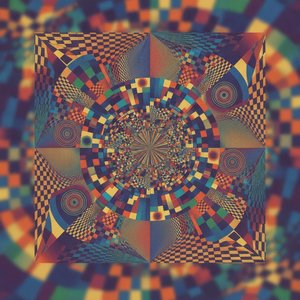
Opale – A Geometric Symphony of Color
Victor Vasarely’s “Opale” isn't merely a painting; it’s an invitation to perceive reality in a fundamentally altered way. Created sometime between 1963 and 1964, this artwork embodies the core principles of Op Art—Optical Art—a movement that emerged in the mid-1960s and sought to challenge our conventional understanding of visual perception. The piece immediately captivates with its mesmerizing arrangement of circles – at least twelve discernible shapes – each splashed across the canvas in a vibrant palette of reds, blues, greens, yellows, oranges, purples, and pinks. These circles aren’t randomly scattered; they follow a carefully considered pattern that generates an illusion of movement and depth, defying the static nature of traditional painting.The Genesis of Geometric Abstraction
Vasarely's artistic journey began with a fascination for mathematics and geometry, disciplines he rigorously studied at Eötvös Loránd University in Budapest. Influenced profoundly by the Bauhaus school’s emphasis on functional design and abstraction, he developed a systematic approach to visual art—a method he termed “geometric abstraction.” This technique involved constructing images from basic geometric forms – circles, squares, triangles – manipulating their positions and colors to create optical effects that stimulate the eye and brain. The resulting artworks aren't representations of external objects but explorations of internal sensations, aiming to provoke a visceral response in the viewer.Decoding the Visual Illusion
The brilliance of “Opale” lies in its masterful exploitation of perceptual illusions. Vasarely’s meticulous calculations ensure that as you gaze upon the painting, your eyes perceive movement where there is none. The circles appear to shift and pulsate subtly, creating a captivating dance of color and form. This effect isn't accidental; it’s deliberately engineered to disrupt our habitual visual processing, forcing us to question how we experience the world around us. Vasarely believed that art could transcend mere decoration, offering instead a pathway to accessing deeper levels of consciousness.A Legacy Beyond Decoration
“Opale” stands as a testament to Vasarely’s pioneering spirit and his unwavering commitment to pushing the boundaries of artistic expression. It represents more than just an aesthetically pleasing visual experience; it embodies a philosophical stance—a conviction that art could engage with fundamental questions about perception and reality. Its influence extends far beyond the realm of painting, impacting fields like architecture, graphic design, and even fashion. Today, reproductions of “Opale” continue to inspire designers and collectors alike, reminding us that beauty can reside in unexpected places – specifically, within the intricate logic of geometric abstraction.კითხვები და პასუხები
სად უნდა ჩამოკიდოს ვიქტორ ვასარელი-ის „ოპალე“-ის რეპროდუქცია?
კვადრატული ფორმისთვის, „ოპალე“-ის რეპროდუქცია, რეკომენდებულია მისაღები ოთახი-ისთვის.
არის თუ არა "ოპალე" იმის ტიპური ნიმუში, რასაც ვიქტორ ვასარელი ჩვეულებრივ ქმნიდა?
ვიქტორ ვასარელი-ის დაფიქსირებულ თემებს შორის — bauhaus influence, geometric forms, optical art exploration, visual stimulation, dynamic design, abstraction, minimalist aesthetic, conceptual framework — „ოპალე“ განსაკუთრებულ ყურადღებას ამახვილებს optical illusion, geometric patterns, color composition, circular forms, visual perception, modern art, abstract expressionism, dynamic design-ზე.
რა ზომის ამობეჭდვა უნდა გავაკეთო "ოპალე"-ისთვის ჩემი ოთახისთვის?
მისაღები ოთახი-ისთვის, ვიქტორ ვასარელი-ის „ოპალე“-ის ბეჭდვის რეკომენდებული ზომა არის დიდი.
 ნახვა ინტერьерში
 გაგზავნა
 გაზიარება
 დეტალები
 გზამკვლევი

 ჩამოტვირთვა
 მსგავსები
 რენტგენოგრაფიული კვლევა
 სლაიდშოუ
 Q&A
Q&A სტატისტიკა