გადართვა ბეჭდვის რეჟიმზე
 სრული ტექსტის ნახვა







































 ნებისმიერი მხარისთვის 105 სმ-ზე (დაახლოებით 41 ინჩი) მეტი ზომის ხელოვნებული ნამუშევრების ან რეპროდუქციებისთვის, ჩარჩო მოგზავნდება დაშლილ კომპლექტში. ეს მეთოდი უზრუნველყოფს უსაფრთხო მიწოდებას და თავიდან აგაცილებთ ტრანსპორტირებისას შესაძლო დაზიანებას.


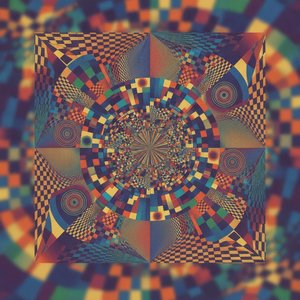
GEVA-MC: A Symphony of Geometric Illusion by Victor Vasarely
Victor Vasarely’s “GEVA-MC” stands as a quintessential embodiment of Op Art, a movement that revolutionized visual perception in the mid-20th century. Created around 1957, this striking monochrome print captures the essence of Vasarely's groundbreaking approach to art – transforming flat surfaces into captivating illusions of depth and movement.
- Subject Matter: The artwork presents a deceptively simple composition: a large circle dominates the canvas, encircled by numerous smaller circles. These circles vary in size and position, creating an intricate interplay that draws the viewer’s eye across the surface.
- Style & Technique: Vasarely meticulously employed a technique known as “optical illusion,” utilizing precise geometric patterns to generate visual distortions. The monochrome palette enhances the impact of these illusions, emphasizing the subtle shifts in perception.
- Historical Context: Op Art emerged during a period of significant artistic experimentation following World War II. Artists like Vasarely sought to challenge conventional notions of representation and explore the subconscious mind’s response to visual stimuli – a reaction against the dominance of realism.
Decoding Geometric Symbolism
Beyond its aesthetic appeal, “GEVA-MC” carries symbolic weight rooted in Vasarely's philosophical framework. The circles represent fundamental geometric forms—the building blocks of reality—and their arrangement reflects a belief in the underlying orderliness of the universe. This deliberate simplification aims to bypass conscious thought and engage directly with primal sensory experience.
- Geometric Precision: Vasarely’s systematic use of squares and circles isn't merely decorative; it symbolizes rationality and mathematical harmony—values championed by movements like Bauhaus and Piet Mondrian.
- Visual Rhythm & Dynamism: The concentric circles generate a rhythmic movement that mimics natural phenomena, such as ripples on water or the rotation of celestial bodies. This dynamic effect underscores Op Art’s fascination with capturing fleeting moments of visual sensation.
A Legacy of Kinetic Perception
"GEVA-MC" exemplifies Vasarely's enduring contribution to modern art and design. His pioneering exploration of optical illusions paved the way for subsequent developments in kinetic art and influenced graphic designers worldwide. This artwork continues to inspire contemplation on how our eyes perceive reality, reminding us that visual experience is often more complex than it appears.
- Influence Beyond Art: Vasarely’s principles extended into interior design, where geometric patterns were incorporated into spaces to create stimulating and harmonious environments.
- Enduring Appeal: The artwork's timeless elegance resides in its ability to evoke a sense of wonder and intrigue—a testament to Vasarely’s genius in harnessing the power of visual illusion.
კითხვები და პასუხები
რამდენად პოპულარულია „გევა-მც“ Op Art Geometric Illusion-ის ფარგლებში?
Op Art Geometric Illusion მიმდინარეობის ფარგლებში, ნამუშევარი „გევა-მც“ ფლობს აღიარებული პოპულარობის დონეს.
შემიძლება თუ არა ვიქტორ ვასარელი-ის „გევა-მც“-ის წინასწარ ნახვა შეკვეთამდე?
ვიქტორ ვასარელი-ის „გევა-მც“-ის წინასწარი ნახვა ხელოვნების ნიმუშის წინასწარი ნახვა გვერდზე ხელმისაწვდომია.
შეიძლება თუ არა "გევა-მც" შეძენა როგორც მხატვრული პრინტი?
ვიქტორ ვასარელი-ის „გევა-მც“-ის პრინტის მისაღებად, უბრალოდ შეუკვეთეთ მისი ხელოვნების მაღალი ხარისხის ბეჭედი გვერდიდან: ხელოვნების მაღალი ხარისხის ბეჭდური ბამბის ტილოს ან საარქივო ტილოს ქაღალდის ბაზაზე.
 ნახვა ინტერьерში
 გაგზავნა
 გაზიარება
 დეტალები
 გზამკვლევი

 ჩამოტვირთვა
 მსგავსები
 რენტგენოგრაფიული კვლევა
 სლაიდშოუ
 Q&A
Q&A სტატისტიკა