

 წინასწარი ნახვა
 გაგზავნა
 გაზიარება
 დეტალები

 ჩამოტვირთვა
 მსგავსები
 რენტგენოგრაფიული კვლევა
 სლაიდშოუ
 სტატისტიკა
Profane Love (Vanity)


 გადასართად დაწვრილებით ნახეთ
გიკლე / ხელოვნების პრინტი
მუზეუმის დონის ჟიკლე ან ტილოზე ბეჭდვა სწრაფი წარმოებისა და დასრულების მოქნილი ვარიანტებით. ( შეიძინეთ ხელით შესრულებული ნახატი გადასვლა ციფრულ გამოსახულებაზე)




P118B $10

P118H $10

P118W $10

P438Z $10

P508JH $12

P508YH $12

P805H $10

P805Z $10

P919BZ $10

P919G $10

P919XJ $10

P959ZH $10

P968JZ $12

W106C $8

W218G $10

W218JH $8

W218Y $10

W307PJ $10

W316G $10

W316PJ $8

W316Y $10

W398PJ $8

W4111J $10

W500HY $15

W500JH $15

W692G $12

W849H $8

W940BG $15

W953PJ $8




აირჩიეთ ჩვენს მიერ წინასწარ განსაზღვრული ზომებიდან, რომლებიც ნაწარმოების ორიგინალურ პროპორციებს შეესაბამება.

თქვენ შეგიძლიათ მიუთითოთ საკუთარი ზომები კონკრეტული ჩარჩოსთვის ან სივრცისთვის მოსარგებლებლად. თუ თქვენ მიერ არჩეული ზომა არ შეესაბამება ორიგინალი გამოსახულების პროპორციებს, ჩვენ ან დავჭრით ნამუშევარს, ან გავაფართოვებთ გამოსახულებას სარკული ან ერთფეროვანი კიდეებით. წარმოების დაწყებამდე თქვენს დასამტკიცებლად გამოგეგზავნებათ ციფრული მაკეტი.
გთხოვთ, გაითვალისწინოთ, რომ ეკრანზე ნაჩვენები წინასწარი ნახვა არ ასახავს რეალურ ჭრას ან გაფართოებას. მხოლოდ მაკეტზე იქნება ზუსტად წარმოდგენილი საბოლოო კომპოზიცია.
მიუხედავად იმისა, რომ ინდივიდუალური ზომები ხელმისაწვდომია, ორიგინალური პროპორციების შესანარჩუნებლად გირჩევთ, აირჩიოთ ზომა წინასწარ განსაზღვრული სიისგან.
მიწოდება მთელ მსოფლიოში () 2 კვირაში, სტანდარტული 4/5 კვირის ნაცვლად. (12 სექტემბერი)

უფასო ექსპრეს მიწოდება მთელ მსოფლიოში

საბამად მაღალი ხარისხის ტილო

სრული ტრანსპორტირების დაზღვევა

საბაჟო გადასახადების დაბრუნების გარანტია

ფერების სრული შესაბამისობის გარანტია

დაბრუნების 100-დღიანი პოლიტიკა (მხოლოდ დეფექტის შემთხვევაში)

100% თანხის დაბრუნების გარანტია

ფასდაკლება დიდი რაოდენობით შეკვეთისას
 მინის ჩარჩოს არჩევანი ხელმისაწვდომია მხოლოდ 110 სმ-ზე ნაკლები ზომისთვის

Profane Love (Vanity)
გიკლე / ხელოვნების პრინტი
რეკლამაციის ზომა
-


საბოლოო ფასი
$ 80
The Allure of the Unresolved: Titian's Masterpiece
Titian’s Sacred and Profane Love, painted in 1514 during the artist’s formative years, isn’t merely a portrait; it’s an invitation to a profound meditation on desire, mortality, and the very nature of love itself. Commissioned for the wedding celebration of Niccolò Aurelio, a secretary within Venice's powerful Council of Ten, the painting immediately captivated viewers with its arresting composition and enigmatic figures. Yet, beyond the initial visual impact lies a complex web of symbolism that has fueled centuries of debate among art historians – a testament to Titian’s genius and his willingness to challenge conventional representations.
The scene unfolds within a meticulously rendered Roman sarcophagus, transformed into an unexpected water trough. Two women, their identities deliberately obscured, occupy this liminal space, seemingly adrift between the earthly and the divine. One, draped in luxurious fabrics and adorned with jewels, embodies the sensual pleasures of worldly love – a vibrant celebration of beauty and indulgence. Her pose is relaxed, almost languid, suggesting an enjoyment of the present moment. The other woman, starkly nude and holding a torch, represents a more austere form of devotion, perhaps hinting at spiritual purity or even mourning. The contrast between these two figures immediately establishes a tension—a dialogue between earthly desires and higher aspirations.
A Symphony of Color and Technique
Titian’s mastery of color is instantly apparent in Sacred and Profane Love. He employs a rich, velvety palette – deep reds, blues, and greens – that imbues the scene with an almost palpable sense of warmth and luxury. His brushwork is loose and expressive, characteristic of his mature style, yet remarkably controlled, particularly in the rendering of the fabrics and the subtle gradations of light and shadow. The use of *sfumato*, a technique perfected by Titian himself, creates a hazy, atmospheric effect that softens the edges of the figures and blurs the boundaries between reality and illusion.
Technically, the painting demonstrates a shift in Titian’s approach. While earlier works showcased his meticulous detail and precise rendering, here we see a move towards greater spontaneity and emotional intensity. The background landscape—a dramatic vista of mountains, shepherds, and a distant church—is painted with broad, confident strokes, creating a sense of depth and perspective that anchors the figures within their environment. The inclusion of classical motifs – the sarcophagus, the Roman ruins – further reinforces the painting’s connection to Renaissance ideals of beauty, harmony, and intellectual inquiry.
Decoding the Symbols: A Layered Narrative
The symbolism embedded within Sacred and Profane Love is notoriously complex and open to interpretation. The sarcophagus itself—a symbol of death and transition—suggests a contemplation of mortality and the fleeting nature of earthly pleasures. The water flowing from the spout, nourishing a plant, could represent fertility, renewal, or even the cyclical nature of life and death. The cherubic figure swirling the water adds to this sense of mystery, hinting at divine intervention or perhaps simply the playful spirit of youth.
- The Women: Often interpreted as representing different aspects of love – earthly passion versus spiritual devotion.
- The Torch: Symbolizes enlightenment, guidance, and potentially a warning against worldly temptations.
- The Sarcophagus: Represents the passage from life to death, prompting reflection on mortality and legacy.
- The Landscape: A complex tapestry of classical and biblical imagery, suggesting themes of virtue, sin, and redemption.
Interestingly, the painting’s title itself—*Sacred and Profane Love*—is debated. Some scholars believe it reflects the dual nature of love as both a divine gift and a source of earthly desire. Others argue that it simply represents two different types of love – one based on physical attraction and the other on spiritual connection. The painting’s enduring appeal lies in its refusal to offer easy answers, inviting viewers to engage in their own interpretations.
A Timeless Reflection on Human Experience
Sacred and Profane Love remains a profoundly moving work of art, captivating audiences with its beauty, mystery, and emotional depth. It’s more than just a portrait; it's a meditation on the complexities of human experience—a reminder that love takes many forms and that even in moments of pleasure, we are inevitably confronted with the shadow of mortality. Its enduring power lies not only in Titian’s technical brilliance but also in his ability to capture the essence of our deepest desires and anxieties.
მხატვრის ბიოგრაფია
ვენეციის ტიტანი: ფერისა და ტილოების ജീവിതს
ტიციანო ვეცილიო, რომელსაც სამყარო ტიტიანად იცნობდა, იტალიური რენესანსის ერთ-ერთი უდიდესი მხატვარია – შესაძლოა, მისი საუკეთესო ფერების მასტერია და ისტორიაში ზეთის საღებავის შესაძლებლობებს ახალი განგნაობით განსაზღვრავდა. ცოტა ხნის წინ, პიევე დი კადორესთან ახლოს, ვენეციური ალპების შთამბეჭდავ ლანდშაფტებში დაბადებული, მისი გულუბრყვილო წარმომავლობიდან საერთაშორისო აღიარებამდე მისვლა უზადესი ნიჭისა და ხელოვნების განვითარების მიმართულებაში მუდმივმოღვაწეობის 증거ა. ტიციანის ადრეული ცხოვრების დეტალები გარკვეულწილად საიდუმლოდ რჩება, მაგრამ ჩვენ ვიცით, რომ ის გრეგორიო ვეცილიოსა და მისი ცოლის, ლუციას ერთ-ერთი შვილი იყო. ოჯახმა, შვილების პოტენციალს შეგულისხმებულები, ახალგაზრდა ტიციანისა და მის ძმას, ფრანსესკოს, ვენეციაში მხატვრთან გაათავისუფლებინეს – გადაწყვეტილება, რომელმაც ხელოვნების ისტორიას უზადესი გავლენა მოახდინა.
XVI საუკუნის დასაწყისში ვენეცია იყო ვაჭრობის, კულტურისა და მხატვრული ფერხულის ცოცხლებული კერა. ტიციანის პირველმა სწავლებამ სებასტიანო ზუკატოს სახელოსნოში გაიარა, მოზაიკის მასტერთან, რის შემდეგაც მოკლე პერიოდები გენტილ ბელინისა და, რაც განსაკუთრებით მნიშვნელოვანი იყო, მისი ძმის, ჯოვანი ბელინის ზედამხედველობით. თუმცა, სწორედ ჯიორჯონესთან – სხვა ვენეციელი მხატვართან, რომლის ნაწარმოებებსაც ეთერული პოეტური ხასიათი ჰქონდა – ასოციაცია ყველაზე მნიშვნელოვანი აღმოჩნდა. ორივე მხატვარი ერთად მუშაობდა რამდენიმე პროექტზე, მათ შორის ფონდაკო დეი ტედესკის გარე მაცხოვრებლებისთვის შესრულებულ ფრესკებზე. უკვე ამ პირველ ნეტავრებებში ტიციანის განსაკუთრებული უნარი იშვიათად იყო აღნიშნული, რაც წინასწარმეტყველებდა იმ ბრწყალოებას, რომელიც მალე უნდა გაჩენილიყო.
მასტერის სტილის განვითარება
ტიციანის მხატვრული განვითარებას გამოარჩევთ გამაოგნებელი მრავალფეროვნება და საღებავ ტექნიკის უწყვეტმა შესწავლამ. მისი ადრეული ნაშრომები, ჯიორჯონეს გავლენით, დელიკატურ ლირიზმს და ფერების გამოცდილებაში გამორჩეულობით ხასიათდება ატმოსფერული ეფექტების გასაყარად. ასეთი ტილოები, როგორიცაა *ადამიანი კოლოპის სახელოებით* (დაახლოებით 1509 წელი), მისი emerging talent-ის დემონსტრაციას უწევს პორტრეტებში, რომელიც არა მხოლოდ მისი მოდელების ფიზიკურ მსგავსებას არამედ მათ შინაგანი ხასიათსაც აფიქსირებს. როგორც ის მოზარდიანობდა, ტიციანმა დაიწყო ჯიორჯონეს უფრო ნուրა ტონალებიდან გადასვლა ბრმად და დრამატულ ფერებამდე. *ივლის მარიისა და ელისაბეთის దర్శനം* (ახლა აკადემიაში, ვენეცია) ამ ცვლილებას ასახავს მისი კომპოზიციების handling-ის growing confidence-ს და ნათელ ფერებს.
მისი ხანგრძლივი კარიერის განმავლობაში ტიციანმა მუდმივად გადააჭარბა ხელოვნების გამოხატვის საზღვრებს. ის ექსპერიმენტებდა სხვადასხვა ფუნთუსებთან – smooth, blended surfaces-დან loose, expressive marks-ამდე – და განავითარა უნიკალური ტექnika ფერების layering-ისთვის, რომელიც ნათელ ეფექტებს ქმნის. მისი პორტრეტები გახდნენ ცნობილი ადამიანური ხასიათის psychological depth-ითა და textures and fabrics-ის realistic portrayal-ით. პარალელურად, ის გამოირჩეოდა mythological and religious subjects-ში, რომლებსაც სენსუალობა და დრამატული ინტენსივობა აძლევდა, რაც მაყურებლებს მოხიბლებულად ტოვებდა. მაგალითია *ურბინოს ვენუსი*, შედევრი, რომელმაც ქალის naked-ის აღწერას ახალი სტანდარტი დააწესა და ტიციანს ვენეციური მხატვრობაში წამყვანი ფიგურად აქცია.
პატრონაჟი, პრესტი지와 გრძელვადიანი გავლენა
ტიციანის ტალანტმა ძლიერი პატრონების ყურადღებას მიიპყრო მთელი Ευρώპიდან. ის იყო იმპერატორ კარლ V-ის, ესპანეთის მეფე ფილიპე II-ისა და პაპა პავლე III-ის სასადრკოსო მხატვარი, სხვა მრავლის შორის. ამ პატრონაჟმა არა მხოლოდ მას ფინანსური უსაფრთხოება მოუტანა, არამედ საშუალება მისცა მას grand scale-ზე თავისი მხატვრული prowess-ის დემონსტრაცია გაეทำ. მისი სტილის adapt-ის უნარი სხვადასხვა სასადრკოსოს გემოვნებას შენარჩუნებისას, თავისი distinctive voice-ის შენარჩუნებით, მისი extraordinary skill-ისა და diplomatic finesse-ის 증거ა.
ტიციანის ნაშრომების გავლენა გადასდია მისი ცხოვრების გარეთ. ფერების ინოვატორული გამოყენება, loose brushwork და მისი subjects-ის emotional essence-ის აღჭურვის emphasis-ი უზადესად επηρέασε მომავალ თაობათა მხატვრებს. Peter Paul Rubens-იდან და Rembrandt-იდან Eugène Delacroix-ამდე და Édouard Manet-მდე, бесчисленные painters drew inspiration from his masterpieces. ის არის გადამწყვეტი ფიგურა High Renaissance-დან Baroque period-ში გარდამავალში, ახალი artistic styles and approaches-ის გზას უხსნის.
საუკუნეების მანძილზე გასამრჯელო მემკვიდრეობა
ტიციანი გარდაიცვალა ვენეციაში 1576 წელს, დატოვებოდა extraordinary body of work, რომელიც დღესაც აფართოებს შთაბეჭდილებასა და восхищение. მისი ტილოები შეგიძლიათ იხილოთ მსოფლიოს მუზეუმებში, მათ შორის ფლორენციის Galleria Palatina-ში, მადრიდის Prado Museum-ში და ლონდონის National Gallery-ში. ტიციანს შეხვედრა არის master craftsman-ის karşılaşვა peak powers-ში – მხატვარი, რომელსაც შეუძლია ადამიანური მდგომარეობის beauty, drama და complexity აღჭურვა.
დამატებითი შესწავლა
- Museums & Collections: Discover Titian’s works at the Scuola del Santo in Padua and San Salvador in Venice, both showcasing his breathtaking frescoes.
- Related Artists: Explore the influence of Giorgione on Titian's early style and the later impact of Titian on artists like Rubens and Delacroix.
- Historical Context: Immerse yourself in the world of the Italian Renaissance and Venetian painting to fully appreciate Titian’s artistic achievements.

ტიციანო ვეჩელო
1490 - 1576 , იტალია
მოკლე ინფორმაცია
- Artistic Movement Or Style: ვენეციური რენესანსი
- Artists Or Movements Influenced By This Artist:
- დასავლური ხელოვნება
- ბაროკო ხელოვნება
- Artists Who Influenced This Artist:
- ჯოვანი ბელინი
- გიორგონე
- Date Of Birth: დაახლოებით 1490
- Date Of Death: 1576
- Full Name: ტიციანო ვეცილიო
- Nationality: იტალიელი
- Notable Artworks:
- ადამიანი ქურთით
- მოინახულე მარიამმა ელისაბეთს
- ურბინოს ვენერა
- Place Of Birth: პიევე-დი-კადორე, იტალია
დაკავშირებული სტატიები
ლონდონის ეროვნული გალერეის 25 შედევრი: ხელოვნების ისტორია თქვენს სახლში | OriginalUniqueArt
გაიცანით ლონდონის ეროვნული გალერეის 25 შედევრი! რემბრანდტი, მონე და ვან გოგი – ხელოვრების ისტორიები, ტექნიკა და შთამაგონებელი ფერები. სახლის დეკორისთვის უმაღლესი ხარისხის რეპლიკები OriginalUniqueArt-ზე. აღმოაჩინეთ სრულყოფილი კოლექცია!
The Enduring Motif of Love in Art History: A Cross-Cultural Exploration of Representation and Emotion
Explore the rich history of love in art! Discover iconic masterpieces, artistic techniques & cultural symbolism from antiquity to modern times. Expert analysis for collectors.
Titian: Innovation, Technique & the Venetian Renaissance Portrait Tradition
Explore the revolutionary techniques & enduring legacy of Titian, the master of Venetian Renaissance portraiture. Discover insights for collectors & appreciate his impact on art history.
ვაშინგტონის ეროვნული გალერეის საუკეთესო 25 შედევრი: ხელოვნების ისტორია თქვენს სახლში
გაიცანით ვაშინგტონის ეროვნული გალერეის 25 საუკეთესო შედევრი! პოლ სეზანი, მატისი და პიკასოს ნახატების ისტორია. ხელოვნების ბეჭვრები OriginalUniqueArt.com-ზე - სახლის დეკორისთვის და ინტერიერის გასაფართალებლად. აღმოაჩინეთ მთელი კოლექცია ონლაინ!
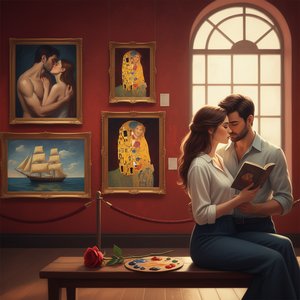
Romantic Masterpieces: 10 Artworks to Stir Your Soul |
Fall in love with art! Explore 10 iconic romantic paintings – from Renaissance classics to Impressionist masterpieces. Discover the stories behind artists like Monet & Klimt, and find museum-quality reproductions for your home at .


