ნახვა ინტერьерში
 გაგზავნა
 გაზიარება
 დეტალები
 გზამკვლევი

 ჩამოტვირთვა
 მსგავსები
 რენტგენოგრაფიული კვლევა
 სლაიდშოუ
 სტატისტიკა
The Titan's Goblet
 ზეთი
ზეთი- კედლის დეკორი
- Hudson River School
 1833
1833 49.0 x 41.0 cm
 Metropolitan Museum of Art
 სრული ტექსტის ნახვა
გიკლე / ხელოვნების პრინტი
მუზეუმის დონის ჟიკლე ან ტილოზე ბეჭდვა სწრაფი წარმოებისა და დასრულების მოქნილი ვარიანტებით. ( შეიძინეთ ხელით შესრულებული ნახატი გადასვლა ციფრულ გამოსახულებაზე)




P118B ₾10

P118H ₾10

P118W ₾10

P438Z ₾10

P508JH ₾12

P508YH ₾12

P805H ₾10

P805Z ₾10

P919BZ ₾10

P919G ₾10

P919XJ ₾10

P959ZH ₾10

P968JZ ₾12

W106C ₾8

W218G ₾10

W218JH ₾8

W218Y ₾10

W307PJ ₾10

W316G ₾10

W316PJ ₾8

W316Y ₾10

W398PJ ₾8

W4111J ₾10

W500HY ₾15

W500JH ₾15

W692G ₾12

W849H ₾8

W940BG ₾15

W953PJ ₾8




აირჩიეთ ჩვენს მიერ წინასწარ განსაზღვრული ზომებიდან, რომლებიც ნაწარმოების ორიგინალურ პროპორციებს შეესაბამება.

შეიყვანეთ თქვენთვის საჭირო სიგანე და სიმაღლე, რათა იგი მოერგოს თქვენს ჩარჩოს ან კედელს. ბეჭდვისას შესაძლებელია მხოლოდ მისი შემცირება და არა გაზრდა, ამიტომ სხვა ფორმის ზომის შემთხვევაში გამოსახულება ნაწილობრივ იკარგება. სანამ რაიმეს დაბეჭდავთ, ჩვენ გამოგიგზავნით ციფრულ მაკეტს დასდასტურებლად. ამ გვერდზე ნაჩვენები სურათი არ ასახავს რეალურ ჭრას — ამას მხოლოდ მაკეტი გვიჩვენებს.
მიწოდება მთელ მსოფლიოში () 2 კვირაში, სტანდარტული 4/5 კვირის ნაცვლად. (25 ოქტომბერი)

უფასო ექსპრეს მიწოდება მთელ მსოფლიოში

მაღალი ხარისხის ტილო

ტრანსპორტირების სრული დაზღვევა

საბაჟო გადასახადების დაბრუნების გარანტია

ფერების სრული შესაბამისობის გარანტია

დაბრუნების 100-დღიანი პერიოდი (მხოლოდ წარმოების დეფექტის შემთხვევაში)

100% თანხის სრული დაბრუნების გარანტია

ფასდაკლება დიდი რაოდენობით შეკვეთისას
 მინის ჩარჩოს არჩევანი ხელმისაწვდომია მხოლოდ 110 სმ-მდე ზომისთვის

The Titan's Goblet
გიკლე / ხელოვნების პრინტი
რეპროდუქციის ზომა
-


ჯამური ღირებულება
₾ 209
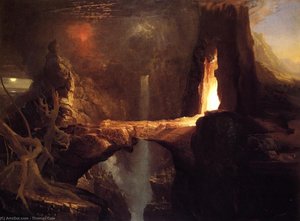
The Titan’s Goblet: A Landscape of Myth and Time
Thomas Cole's "The Titan’s Goblet," painted in 1833, is not merely a landscape; it’s an immersive allegory, a visual poem steeped in the Romantic tradition yet profoundly rooted in American identity. This monumental oil painting, now housed at the Metropolitan Museum of Art, immediately captivates with its sheer scale and dramatic composition – a vast bowl or vase dominating a rugged mountainscape. Yet, beyond the immediate spectacle lies a complex layering of meaning, inviting viewers to contemplate themes of creation, time, civilization, and the relationship between humanity and nature.
Cole’s artistic journey is crucial to understanding this enigmatic work. Born in England but deeply influenced by European Romanticism, he arrived in America with a desire to forge a distinctly American art—one that moved beyond the historical narratives favored in Europe and instead focused on the sublime beauty of the American wilderness. “The Titan’s Goblet” exemplifies this shift; it's not a depiction of a specific place but rather an imagined realm, a constructed landscape brimming with symbolic weight. The painting’s genesis is intertwined with Cole’s own artistic struggles and his relationship with his patron, Luman Reed, who initially requested a series of paintings depicting the course of empire. The difficulties he encountered in completing this ambitious project—and his subsequent decision to paint a single, self-contained landscape—contributed significantly to the painting's open-ended interpretation.
A World Within a World
The immediate visual impact is striking: a colossal golden bowl, seemingly carved from stone, rests precariously on a mountain’s edge. Water cascades dramatically over its rim, feeding a lush, verdant landscape below – a miniature world teeming with tiny buildings reminiscent of Greek temples and Italian palaces. Scattered throughout this idyllic scene are figures engaged in leisurely activities—boating, strolling, and seemingly oblivious to the grandeur surrounding them. This internal world is juxtaposed against the stark, rocky terrain of the mountain itself, creating a powerful visual dichotomy.
However, Cole doesn’t simply present a picturesque vista. The water flowing from the goblet acts as a transformative agent. It nourishes the land below, fostering a civilization that appears both idyllic and somewhat fragile. The contrast between the cultivated world within the bowl and the desolate mountainside suggests a commentary on the impact of human activity upon nature—a subtle critique of unchecked expansion and the potential for environmental degradation. The placement of the two small buildings is particularly significant; they represent the ambition of civilization, attempting to impose order onto the untamed wilderness.
Symbolism and Interpretation
The painting’s enduring mystery stems from Cole's deliberate refusal to offer a definitive explanation. He famously refrained from providing any accompanying text, leaving the interpretation entirely open to the viewer. Over time, various theories have emerged, ranging from interpretations rooted in Norse mythology—linking the goblet to Yggdrasil, the world tree—to comparisons with Bosch’s *Garden of Earthly Delights*, suggesting a parallel creation narrative. Cole himself alluded to the idea of a “picture within a picture,” and some scholars believe he drew inspiration from J.M.W. Turner's *Ulysses Deriding Polyphemus*, reflecting his own complex relationship with the British painter’s dynamic style.
Interestingly, Cole’s initial sketches for the painting reveal a deeper engagement with the concept of time and its passage. The presence of a setting sun evokes a sense of twilight and the inevitable decline of empires—a theme that resonates throughout his “Course of Empire” series. The small figure in the foreground, often interpreted as Cole himself, gazing out over the scene, adds another layer of introspection, inviting us to contemplate our own place within this vast and timeless landscape.
A Reproduction for Your Space
OriginalUniqueArt offers meticulously crafted hand-painted reproductions of Thomas Cole’s “The Titan’s Goblet,” capturing the painting's rich detail, atmospheric depth, and evocative symbolism. Each reproduction is created by skilled artists using traditional oil painting techniques, ensuring a faithful representation of Cole’s original vision. Whether you seek to add a touch of Romantic grandeur to your living room, study, or gallery space, our reproductions provide an authentic and captivating way to experience this iconic American masterpiece. The scale of the original is faithfully replicated, allowing you to fully appreciate the painting's monumental scope and immersive quality. Bring the mystery and beauty of “The Titan’s Goblet” into your home – a timeless testament to Cole’s artistic genius.
კითხვები და პასუხები
რომელი პალიტრა და დომინანტური ფერი განსაზღვრავს "The Titan's Goblet"-ს?
თომას კოლე-ის „The Titan's Goblet“ იყენებს მიწისფერი პალიტრას, სადაც დომინანტური ფერი ნაცრისფერი (#95847c)-ია.
რა ფსევდონიმებით ან ალტერნატიული სახელებით არის ცნობილი თომას კოლე?
თომას კოლე ასევე ცნობილია შემდეგი ალტერნატიული სახელებით: Thomas Cole, Bolton-Le-Moors, February 1, 1801.
შემიძლება შევუკვეთო "The Titan's Goblet"-ის ზეთწარმოებული რეპროდუქცია?
თომას კოლე-ის „The Titan's Goblet“-ის ხელით ნათესლიერი ასლები იყიდება ეს ვებსაიტი-ზე: ლენის ტილოზე შესრულებული ზეთწარმოთი, ხელით ნათესლით, მათი შეკვეთით მისი ხელით ნათესლიერი რეპროდუქცია გვერდიდან.
მხატვრის ბიოგრაფია
A Pioneer of American Landscape Painting
Thomas Cole, a name synonymous with the birth of distinctly American art, stands as a pivotal figure in 19th-century painting. Born on February 1, 1801, in Bolton-le-Moors, Lancashire, England, his early life offered little indication of the profound impact he would have on the artistic landscape. Emigrating to the United States in 1818 with his family and settling in Ohio, Cole’s journey was one of self-discovery and artistic awakening—a transformative experience that irrevocably shaped his creative vision. Initially pursuing a career as an engraver's assistant, he honed his observational skills and developed a meticulous attention to detail—skills that would prove invaluable when he turned his gaze toward the burgeoning American wilderness. This pivotal decision marked a decisive departure from European artistic conventions, which often prioritized historical or mythological narratives; Cole sought inspiration in the grandeur of nature itself, recognizing its capacity to convey profound spiritual truths.The Hudson River School and Romantic Ideals
Cole is rightfully regarded as the founder of the Hudson River School, an art movement characterized by its romantic portrayal of the American landscape—a movement that would profoundly influence subsequent generations of artists. However, labeling him solely a “landscape painter” diminishes the breadth of his artistic ambition; Cole’s work transcended mere representation, delving into complex philosophical inquiries about humanity's relationship with the natural world and contemplating the cyclical rhythms of history. He drew heavily from European Romanticism—particularly the canvases of Claude Lorrain and J.M.W. Turner—adapting their stylistic techniques to an American context. Where European Romantics frequently depicted dramatic, sublime landscapes as expressions of inner turmoil, Cole’s paintings often conveyed a sense of optimism and divine presence within the serene beauty of the Hudson Valley—a region that would become inextricably linked with his artistic legacy. His meticulous studies of light and color—informed by Turner's groundbreaking explorations of atmospheric perspective—allowed him to capture the ethereal qualities of twilight and dawn with unparalleled accuracy.Exploring Nature’s Spiritual Depth
Cole believed passionately in the transformative power of nature, perceiving it as a conduit for spiritual insight and moral contemplation. This conviction fueled his artistic endeavors and underpinned his unwavering commitment to portraying landscapes not merely as picturesque vistas but as expressions of God's majesty—a perspective that resonated deeply with the burgeoning transcendentalist movement of his time. His magnum opus, The Course of Empire (1833-1836), exemplifies this profound engagement with philosophical ideas. Comprising five monumental canvases—"Savage State," "Pastoral State," "Arcadian State," "Consummation," and "Destruction"—the series chronicles the unfolding history of civilization from its primordial origins to its inevitable demise, serving as a cautionary tale about the perils of unchecked ambition and the fragility of human achievement. Each canvas is imbued with symbolic imagery—ranging from towering mountains representing strength and resilience to fertile valleys symbolizing prosperity and virtue—reflecting Cole’s conviction that art could illuminate moral truths and inspire ethical conduct.Iconic Landscapes: The Oxbow and More
Cole's artistic output encompassed a remarkable range of landscapes, each meticulously rendered with painstaking detail and infused with an unmistakable sense of emotional resonance. Among his most celebrated works are The Oxbow (1836), depicting the dramatic confluence of the Hudson River and Schroder Creek—a masterpiece of tonal gradation that captures the sublime grandeur of the American wilderness—and A View from Mount Etna (1845), portraying the volcanic eruption with breathtaking realism and conveying a visceral sense of awe and terror. These paintings stand as testaments to Cole’s mastery of technique and his ability to evoke profound emotional responses in viewers—a testament to his enduring influence on American art history.Legacy and Enduring Influence
Thomas Cole's untimely death in 1848 at the age of 47 tragically curtailed his artistic career, yet his legacy endured—solidifying his position as one of America’s foremost landscape painters and establishing him as a pivotal figure in the Hudson River School movement. He mentored Frederic Edwin Church, who would become another prominent champion of American Romanticism, ensuring that Cole's vision for art—characterized by observation from nature, spiritual contemplation, and symbolic expression—would continue to inspire artists for decades to come. Today, Cole’s paintings are housed in prestigious museums across the United States—including the New-York Historical Society, the National Gallery of Art in Washington D.C., and the Smithsonian American Art Museum—where they remain captivating reminders of a bygone era and enduring symbols of America's artistic heritage. His contribution to landscape painting continues to resonate powerfully with audiences worldwide, cementing his place as an icon among American artists.
თომას კოლე
1801 - 1848 , გაერთიანებული სამეფო
მოკლე ფაქტები
- Artistic Movement Or Style: ჰადსონის დელა სკოლა
- Artists Who Influenced This Artist:
- ფრედერიკ ელდრინ კერხი
- ფრედერიკ ელდრინ კერხი
- Date Of Birth: ლექმბერგი დებილ მებადარი 1801 წელი
- Date Of Death: ფებრუარი მებადარი 1848 წელი
- Full Name: თომას კოლე
- Nationality: ამერიკელი
- Notable Artworks:
- მთის ჰოლიოკიდან კონექტიკუტის ხეობაში ჩადება
- მთა ჰოლიოკიდან კონექტიკუტის ხეობაში ჩადება
- მთა ჰოლიოკიდან კონექტიკუტის ხეობაში ჩადება
- Place Of Birth: ლექმბერგი ინგლისის სამეფო დედაქალაქი
- Useful Content: [{'content': 'თომას კოლის ნაწარმ véritება მთა ჰოლიოკიდან კონექტიკუტის ხეობაში ჩადება და წარმოადგენს ჰადსონის დელა სკოლის ძეგლს და შემოქმედებითი ბუნების სილამაზეს ასახავს რომანტიზმის სტილში.', 'title': 'მთის ჰოლიოკიდან კონექტიკუტის ხეობაში ჩადება', 'type': 'მთაში სილამაზის ბაზა დფბე', 'url': '/ka/art/thomas-cole-mt-is-holiokidan-konek-tikutis-xeobashi-ch-adeba-8CACK8-ka/', 'url_image': '/media/artworks/images/thumbnails/e0/bd/e0bd440d5e39423a8658e57a7090fbd8.jpg'}]
- Useful Links: [{'content': 'თომას კოლე (ფებრუარი მებადარი 1801 წელი – ფებრუარი მებადარი 1848 წელი) იყო ამერიკელი მხატვარი და ჰადსონის დელა სკოლის ხელმძღვანელი და შემოქმედებითი ბუნების სილამაზეს ასახავს რომანტიზმის სტილში...', 'title': 'თომას კოლე - ვიკიპედია', 'type': 'ინტერნეტიური ძიება', 'url': 'https://en.wikipedia.org/wiki/Thomas_Cole', 'url_image': None}]
მსგავსი სტატიები

The Sublime Landscape: Exploring the Hudson River School Movement
Explore the captivating world of the Hudson River School! Discover the history, artists, and defining characteristics of this iconic American art movement. Learn about Romanticism's influence & find inspiration for your collection.
Epic Landscapes & Wild Nature: The Power of the Hudson River School's Sublime Artistry
Explore the breathtaking power of the Hudson River School. Journey through epic American landscapes, from Thomas Cole's sublime vistas to Luminist light, and discover how these timeless masterpieces continue to inspire modern collectors and art lovers worldwide.

Echoes of Arcadia: Nostalgia & Transformation in Vintage Landscape Art
Explore the evocative world of vintage landscape art! Discover the history, artists & emotional power behind masterpieces from the Hudson River School & beyond. Expert insights for collectors & enthusiasts.

ჰადსონის դպրոցի լավագույն 10 шеდევры: արվեստը, որ ձեւավորեց Ամերիկայի տեսարժան վայրերը
გაეცանի ჰადსონის դպրոցի լավագույն 10 шеդևրին! Thomas Cole-ից մինչև Albert Bierstadt, բացահայտեք ամերիկյան արվեստի պատմությունը և հասարակության գեղեցիկ տեսարանները: OriginalUniqueArt.com-ում գտնեք թանգարանի որակի վերարձկված նկարներ և ձևավորման ազդեցություն: ուսումնասիրեք ամբողջական հավաքածուն առցանց:

Robert Spencer: Luminism, Narrative & the American Landscape Tradition
Explore the captivating world of Luminism & the Hudson River School with our expert analysis. Discover the history, artists, and enduring beauty of 19th-century American landscape painting. Find museum-quality reproductions at OriginalUniqueArt.