წინასწარი ნახვა
 გაგზავნა
 გაზიარება
 დეტალები

 ჩამოტვირთვა
 მსგავსები
 რენტგენოგრაფიული კვლევა
 სლაიდშოუ
 სტატისტიკა
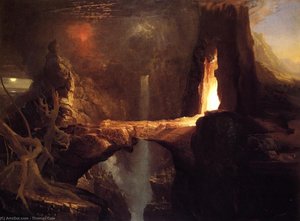
Lake with Dead Trees (also known as Catskill)


 გადასართად დაწვრილებით ნახეთ
ხელით ნაკვეთი ზეთის ტილოს რეპროდუქცია
ტილოზე შესრულებული ფერწერიანი ზეთប្រდათი, თქვენთვის სასურველი ზომისა და ჩარჩოსთვის, ჩვენი ხელოვანების მიერ შეკვეთის საფუძველზე დამზადებული. ( გადართვა ბეჭდზე გადასვლა ციფრულ გამოსახულებაზე)




P118B $10

P118H $10

P118W $10

P438Z $10

P508JH $12

P508YH $12

P805H $10

P805Z $10

P919BZ $10

P919G $10

P919XJ $10

P959ZH $10

P968JZ $12

W106C $8

W218G $10

W218JH $8

W218Y $10

W307PJ $10

W316G $10

W316PJ $8

W316Y $10

W398PJ $8

W4111J $10

W500HY $15

W500JH $15

W692G $12

W849H $8

W940BG $15

W953PJ $8




აირჩიეთ ჩვენს მიერ წინასწარ განსაზღვრული ზომებიდან, რომლებიც ნაწარმოების ორიგინალურ პროპორციებს შეესაბამება.

თქვენ შეგიძლიათ მიუთითოთ თქვენთვის სასურველი ზომები კონკრეტული ჩარჩოს ან სივრცის შესაბამისად. თუ თქვენ მიერ არჩეული ზომა არ შეესაბამება ორიგინალი გამოსახულების პროპორციებს, ჩვენ ან შევაჭრებთ ნაწარმოებს, ან ტილოზე დავამატებთ ხელით მოხატულ ელემენტებს. წარმოების დაწყებამდე, დამტკიცებისთვის გამოგეგზავნებათ ციფრული მაკეტი.
გთხოვთ, გაითვალისწინოთ, რომ ეკრანზე ნაჩვენები წინასწარი შეხედულება არ ასახავს რეალურ შეჭრას ან გაფართოებას. საბოლოო კომპოზიციას ზუსტად მხოლოდ მაკეტი წარმოაჩენს.
მიუხედავად იმისა, რომ შესაძლებელია ინდივიდუალური ზომების შერჩევა, ორიგინალური პროპორციების შენარჩუნებისათვის გირჩევთ, გამოიყენოთ წინასწარ განსაზღვრული სიის ზომები.
შეკვეთის შემდეგ, OriginalUniqueArt.com გუნდი დაგიკავშირდებათ ელექტრონული ფოსტით ინსტრუქციებისთვის და გამოგიგზავნით წინასწარ ნახაზს (mockup).
მიწოდება მსოფლიო მასშტაბით -ში 3/4 კვირაში, სტანდარტული 5 კვირის ნაცვლად. (18 სექტემბერი). ხარისხზე კომპრომისის გაკეთება არ მოხდება.

უფასო ექსპრეს მიწოდება მთელ მსოფლიოში

საბამად მაღალი ხარისხის ტილო

სრული ტრანსპორტირების დაზღვევა

საბაჟო გადასახადების დაბრუნების გარანტია

ფერების სრული შესაბამისობის გარანტია

დაბრუნების 100-დღიანი პოლიტიკა (მხოლოდ დეფექტის შემთხვევაში)

100% თანხის დაბრუნების გარანტია

ფასდაკლება დიდი რაოდენობით შეკვეთისას
 მინის ჩარჩოს არჩევანი ხელმისაწვდომია მხოლოდ 110 სმ-ზე ნაკლები ზომისთვის

Lake with Dead Trees (also known as Catskill)
რეკლამაციის ტექნიკა
რეკლამაციის ზომა
-


საბოლოო ფასი
$ 300
Lake with Dead Trees (also known as Catskill): A Vision of Romantic Decay
Thomas Cole’s “Lake with Dead Trees,” completed in 1825, stands as an emblem of the Hudson River School movement and a profound meditation on the relationship between humanity and nature. More than just a picturesque depiction of the Catskill Mountains—a region celebrated for its dramatic vistas—the painting embodies a complex tapestry of Romantic ideals interwoven with subtle anxieties about mortality and the passage of time.
- Subject Matter: Cole captures the melancholic beauty of a mountain lake dominated by skeletal trees, their branches barren against the muted hues of autumn. This stark contrast between life and death serves as a central motif throughout the artwork.
- Style & Technique: Executed in oil on canvas with meticulous detail, “Lake with Dead Trees” exemplifies Cole’s signature Romantic style. He employs dramatic chiaroscuro—the interplay of light and shadow—to sculpt the landscape, creating an atmosphere of palpable emotion and conveying a sense of sublime grandeur. The artist's brushstrokes are deliberate and expressive, capturing not merely what he sees but also how he feels about it.
- Historical Context: Painted during a period of burgeoning American nationalism and intellectual ferment, “Lake with Dead Trees” reflects the broader Romantic preoccupation with confronting existential questions. Cole’s vision aligns with the movement's belief in nature as a source of moral instruction and spiritual renewal—a reaction against the Enlightenment’s emphasis on reason alone.
- Symbolism: The dead trees are not merely botanical elements; they symbolize decay, loss, and the inevitability of death – themes prevalent in Romantic art. Simultaneously, Cole imbues the lake with serenity and tranquility, representing spiritual purity and resilience amidst hardship. The lone figure standing on the shore serves as a contemplative observer, inviting viewers to contemplate their own place within the grand scheme of existence.
- Emotional Impact: “Lake with Dead Trees” evokes a powerful emotional response in its audience—a blend of awe at the majesty of nature and sorrow for its vulnerability. Cole’s masterful use of color and light transports us to a moment of profound contemplation, prompting reflection on themes of beauty, mortality, and the enduring power of the natural world.
This masterpiece resides at the Allen Memorial Art Museum in Oberlin, Ohio, ensuring that its breathtaking vision continues to inspire generations of art enthusiasts.
Further Exploration: Thomas Cole & The Hudson River School
To delve deeper into the artistic legacy of Thomas Cole and the broader context of the Hudson River School movement, visit Lake with Dead Trees on OriginalUniqueArt.com. You can also explore the influence of Frederic Church and other prominent artists of the era at The National Academy of Design (United States) - A Prestigious Art Institution.
Discover More Like “Lake with Dead Trees”
Explore other captivating landscapes by Thomas Cole, including Daniel Boone Sitting at the Door of His Cabin on the Great Osage Lake, Kentucky and View on the Catskill on OriginalUniqueArt.com for stunning reproductions.
Resources & Inspiration
For a comprehensive understanding of Romantic landscape painting and its enduring relevance, consult Wikipedia: Lake with Dead Trees.
მხატვრის ბიოგრაფია
A Pioneer of American Landscape Painting
Thomas Cole, a name synonymous with the birth of distinctly American art, stands as a pivotal figure in 19th-century painting. Born on February 1, 1801, in Bolton-le-Moors, Lancashire, England, his early life offered little indication of the profound impact he would have on the artistic landscape. Emigrating to the United States in 1818 with his family and settling in Ohio, Cole’s journey was one of self-discovery and artistic awakening—a transformative experience that irrevocably shaped his creative vision. Initially pursuing a career as an engraver's assistant, he honed his observational skills and developed a meticulous attention to detail—skills that would prove invaluable when he turned his gaze toward the burgeoning American wilderness. This pivotal decision marked a decisive departure from European artistic conventions, which often prioritized historical or mythological narratives; Cole sought inspiration in the grandeur of nature itself, recognizing its capacity to convey profound spiritual truths.The Hudson River School and Romantic Ideals
Cole is rightfully regarded as the founder of the Hudson River School, an art movement characterized by its romantic portrayal of the American landscape—a movement that would profoundly influence subsequent generations of artists. However, labeling him solely a “landscape painter” diminishes the breadth of his artistic ambition; Cole’s work transcended mere representation, delving into complex philosophical inquiries about humanity's relationship with the natural world and contemplating the cyclical rhythms of history. He drew heavily from European Romanticism—particularly the canvases of Claude Lorrain and J.M.W. Turner—adapting their stylistic techniques to an American context. Where European Romantics frequently depicted dramatic, sublime landscapes as expressions of inner turmoil, Cole’s paintings often conveyed a sense of optimism and divine presence within the serene beauty of the Hudson Valley—a region that would become inextricably linked with his artistic legacy. His meticulous studies of light and color—informed by Turner's groundbreaking explorations of atmospheric perspective—allowed him to capture the ethereal qualities of twilight and dawn with unparalleled accuracy.Exploring Nature’s Spiritual Depth
Cole believed passionately in the transformative power of nature, perceiving it as a conduit for spiritual insight and moral contemplation. This conviction fueled his artistic endeavors and underpinned his unwavering commitment to portraying landscapes not merely as picturesque vistas but as expressions of God's majesty—a perspective that resonated deeply with the burgeoning transcendentalist movement of his time. His magnum opus, The Course of Empire (1833-1836), exemplifies this profound engagement with philosophical ideas. Comprising five monumental canvases—"Savage State," "Pastoral State," "Arcadian State," "Consummation," and "Destruction"—the series chronicles the unfolding history of civilization from its primordial origins to its inevitable demise, serving as a cautionary tale about the perils of unchecked ambition and the fragility of human achievement. Each canvas is imbued with symbolic imagery—ranging from towering mountains representing strength and resilience to fertile valleys symbolizing prosperity and virtue—reflecting Cole’s conviction that art could illuminate moral truths and inspire ethical conduct.Iconic Landscapes: The Oxbow and More
Cole's artistic output encompassed a remarkable range of landscapes, each meticulously rendered with painstaking detail and infused with an unmistakable sense of emotional resonance. Among his most celebrated works are The Oxbow (1836), depicting the dramatic confluence of the Hudson River and Schroder Creek—a masterpiece of tonal gradation that captures the sublime grandeur of the American wilderness—and A View from Mount Etna (1845), portraying the volcanic eruption with breathtaking realism and conveying a visceral sense of awe and terror. These paintings stand as testaments to Cole’s mastery of technique and his ability to evoke profound emotional responses in viewers—a testament to his enduring influence on American art history.Legacy and Enduring Influence
Thomas Cole's untimely death in 1848 at the age of 47 tragically curtailed his artistic career, yet his legacy endured—solidifying his position as one of America’s foremost landscape painters and establishing him as a pivotal figure in the Hudson River School movement. He mentored Frederic Edwin Church, who would become another prominent champion of American Romanticism, ensuring that Cole's vision for art—characterized by observation from nature, spiritual contemplation, and symbolic expression—would continue to inspire artists for decades to come. Today, Cole’s paintings are housed in prestigious museums across the United States—including the New-York Historical Society, the National Gallery of Art in Washington D.C., and the Smithsonian American Art Museum—where they remain captivating reminders of a bygone era and enduring symbols of America's artistic heritage. His contribution to landscape painting continues to resonate powerfully with audiences worldwide, cementing his place as an icon among American artists.
თომას კოლე
1801 - 1848 , გაერთიანებული სამეფო
მოკლე ინფორმაცია
- Artistic Movement Or Style: ჰადსონის დელა სკოლა
- Artists Who Influenced This Artist:
- ფრედერიკ ელდრინ კერხი
- ფრედერიკ ელდრინ კერხი
- Date Of Birth: ლექმბერგი დებილ მებადარი 1801 წელი
- Date Of Death: ფებრუარი მებადარი 1848 წელი
- Full Name: თომას კოლე
- Nationality: ამერიკელი
- Notable Artworks:
- მთის ჰოლიოკიდან კონექტიკუტის ხეობაში ჩადება
- მთა ჰოლიოკიდან კონექტიკუტის ხეობაში ჩადება
- მთა ჰოლიოკიდან კონექტიკუტის ხეობაში ჩადება
- Place Of Birth: ლექმბერგი ინგლისის სამეფო დედაქალაქი
- Useful Content: [{'content': 'თომას კოლის ნაწარმ véritება მთა ჰოლიოკიდან კონექტიკუტის ხეობაში ჩადება და წარმოადგენს ჰადსონის დელა სკოლის ძეგლს და შემოქმედებითი ბუნების სილამაზეს ასახავს რომანტიზმის სტილში.', 'title': 'მთის ჰოლიოკიდან კონექტიკუტის ხეობაში ჩადება', 'type': 'მთაში სილამაზის ბაზა დფბე', 'url': '/ka/art/thomas-cole-mt-is-holiokidan-konek-tikutis-xeobashi-ch-adeba-8CACK8-ka/', 'url_image': '/media/artworks/images/thumbnails/e0/bd/e0bd440d5e39423a8658e57a7090fbd8.jpg'}]
- Useful Links: [{'content': 'თომას კოლე (ფებრუარი მებადარი 1801 წელი – ფებრუარი მებადარი 1848 წელი) იყო ამერიკელი მხატვარი და ჰადსონის დელა სკოლის ხელმძღვანელი და შემოქმედებითი ბუნების სილამაზეს ასახავს რომანტიზმის სტილში...', 'title': 'თომას კოლე - ვიკიპედია', 'type': 'ინტერნეტიური ძიება', 'url': 'https://en.wikipedia.org/wiki/Thomas_Cole', 'url_image': None}]
დაკავშირებული სტატიები

The Sublime Landscape: Exploring the Hudson River School Movement
Explore the captivating world of the Hudson River School! Discover the history, artists, and defining characteristics of this iconic American art movement. Learn about Romanticism's influence & find inspiration for your collection.
Capturing the American Spirit: A Journey Through Iconic Landscapes and the Legacy of the Hudson River School
Explore the profound beauty of American art history. From the Hudson River School to iconic landscapes, discover a curated journey through the masterpieces that defined a nation's spirit and the enduring legacy of American Romanticism.

როμανტიზმის ეპოქის ტენდერება: საუკეთესო 10 შედევრი, რომელმაც განსაზღვრა ლანშაფტური მხატვრობა
აღმოფრთოვანდით რომანტიზმის ეპოქის 10 საუკეთესო ლანშაფტური შედევრით! ტერნერი, კორტო და სხვა მხატვრების ნაწარმოებები. იხილეთ მათი ისტორია და აღმოგეყვინებათ ხელოვნების márgali. შეიძინეთ მაღალი ხარისბის რესტავრაციული ასლები OriginalUniqueArt.com-ზე!
Wild & Untamed: The High-Impact Energy of American Romanticism and the Hudson River School
Experience the raw power of American Romanticism. Explore the high-impact energy of the Hudson River School through premium, hand-painted oil reproductions that capture the sublime beauty and untamed spirit of the American wilderness for discerning collectors.

ჰადსონის դպրոցի լավագույն 10 шеდევры: արվեստը, որ ձեւավորեց Ամերիկայի տեսարժան վայրերը
გაეცանի ჰადსონის դպրոցի լավագույն 10 шеդևրին! Thomas Cole-ից մինչև Albert Bierstadt, բացահայտեք ամերիկյան արվեստի պատմությունը և հասարակության գեղեցիկ տեսարանները: OriginalUniqueArt.com-ում գտնեք թանգարանի որակի վերարձկված նկարներ և ձևավորման ազդեցություն: ուսումնասիրեք ամբողջական հավաքածուն առցանց: