Cubism
Interior (სტიუარტ დეივისი)
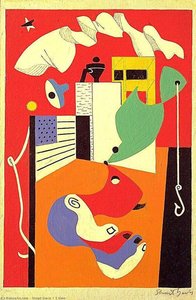
სტიუარტ დეივისი (1892–1964)-მა შექმნა Interior. ის Cubism მიძღვნილ სტილს მიეკუთვნება.

 წინასწარი ნახვა

 ხელით შესრულებული ზეთប្រეწერი
 გაგზავნა
 გაზიარება
 გზამკვლევი


 ჩამოტვირთვა
 მსგავსები
 რენტგენოგრაფიული კვლევა
 სლაიდშოუ
 კითხვა-პასუხი

 სტატისტიკა
Interior: ძირითადი ფაქტები
- სათაური
- Interior
- ავტორი
- სტიუარტ დეივისი (1892–1964)
- ხატვის წელი და ადგილი
- ფილადელფია, ამერიკის შეერთებული შტატები
- მოძრაობა
- Cubism
- სუბიექტი
- abstract, geometric, modernism, composition, lines, forms
რა არის გამოსახული Interior-ში?
A Dynamic Vision of Modernity: Exploring Stuart Davis’s “Interior”
Stuart Davis's “Interior” is a captivating example of American Modernism, pulsating with energy and reflecting the artist’s unique response to the burgeoning urban landscape and the rhythms of jazz. Created sometime during his prolific career (1892-1964), this work embodies Davis’s commitment to developing a distinctly American visual language, moving beyond European influences towards a bold, independent style.
Deconstructing Space: Style & Technique
- The artwork is immediately striking for its geometric abstraction. Davis employs fragmented forms and flattened perspectives – hallmarks of both Cubism and Constructivism – but infuses them with a uniquely American sensibility.
- A vibrant palette dominates, anchored by the stark contrast between the white background, bold reds, blues, and greys, and punctuated by energetic black lines. The orange border further intensifies this visual impact.
- Davis’s technique is evident in the visible brushstrokes and layering of paint, creating a subtle texture that adds depth despite the overall flattened composition. This suggests an active process of building up form and color on the canvas, likely using oil paints as his primary medium.
- The arrangement isn't simply random; it’s carefully orchestrated into distinct zones – a tower-like structure in blue-grey, a dynamic red section with a vertical ‘sail’ or flag element, and a central area of interwoven geometric shapes. This zoning creates a sense of controlled chaos.
Echoes of Jazz & the Machine Age: Context & Symbolism
Davis was deeply influenced by jazz music, which he saw as embodying the spirit of modern America – improvisational, energetic, and uniquely its own. While “Interior” isn’t a direct representation of musical notes, the dynamic interplay of shapes and colors evokes the same sense of rhythm and syncopation found in jazz compositions.
- The architectural elements, particularly the stylized tower, could be interpreted as representing aspiration or the burgeoning skyscrapers of American cities. Davis frequently engaged with urban themes throughout his career.
- The ‘sail’ or flag-like form introduces a sense of movement and direction, perhaps symbolizing progress or the forward momentum of modern life.
- His early exposure to the Armory Show in 1913 was pivotal. While his initial works reflected the Ashcan School style, he quickly absorbed and transformed European avant-garde ideas into something distinctly American.
Emotional Resonance & Lasting Impact
“Interior” is not a tranquil scene; it’s charged with energy and tension. The fragmented forms and bold colors create a sense of dynamism, while the lack of traditional perspective can be slightly unsettling. This emotional complexity reflects the anxieties and excitements of a rapidly changing world.
- The artwork invites viewers to actively engage with its abstract language, prompting individual interpretations and fostering a personal connection.
- As a pioneering figure in American Modernism, Stuart Davis paved the way for subsequent generations of artists. His work continues to inspire those seeking to break free from convention and explore new forms of visual expression.
Interior მაღალი გარ Auflხ résoudre-ში
დაცული საავტორო უფლებით: გამოსახულება წარმოდგენილია მხოლოდ საცნოხად.
მეტი ზომა, კადრი და ციტირება →სტიუარტ დეივისი, Interior.
კითხვები Interior-ის შესახებ
რომელი პალიტრა და დომინანტური ფერი განსაზღვრავს "Interior"-ს?
სტიუარტ დეივისი-ის „Interior“ იყენებს Metallics პალიტრას, რომლის დომინანტური ფერიც Steel Blue (#5c7ba9)-ია.
შესაძლებელია თუ არა "Interior-ის" ნახვა სრულეკრანის სლაიდშოუ რეჟიმში?
რას განმარტავს სტიუარტ დეივისი-ის „Interior“-ის საავტორო უფლებებთან დაკავშირებული მდგომარეობა?
სტიუარტ დეივისი-ის „Interior“ არის კვლავ დაცულია საავტორო უფლებით. საავტორო უფლებების ვადა ითვლება ხელოვანის გარდაცვალებიდან, რომელიც მოხდა 1964 წელს.
რა ფერების პალიტრას იყენებს "Interior"?
სტიუარტ დეივისი-ის „Interior“ იყენებს Metallics ფერების პალიტრას. ეს პალიტრა განსაზღვრავს ნამუშევრის საერთო ფეროვან ხასიათს.
არსებობს თუ არა "Interior"-ის მსგავსი ნამუშევრები?
ნამუშევრებთან მსგავსი ნამუშევრები, როგორიცაა „Interior“, მოცემულია ამ ნამუშევრის მსგავსი ნამუშევრები გვერდზე.
რა ფერი დომინირებს სტიუარტ დეივისი-ის „Interior“ კომპოზიციაში?
Steel Blue (#5c7ba9) არის სტიუარტ დეივისი-ის „Interior“-ის დომინანტური ფერი.
ვინ არის „Interior“-ის ავტორი?
„Interior“ მიკუთვნებულია სტიუარტ დეივისი-ს.
რომელ ხელოვნების მიმდევრობას მიეკუთვნება სტიუარტ დეივისი-ის „Interior“?
სტიუარტ დეივისი-ის „Interior“-თან დაკავშირებული ხელოვნების მიმდინარეობა არის Cubism. ეს კლასიფიკაცია ნამუშევარს მსგავს ხელოვანთა და ქსნეულობათა წრეში ათავსებს.
როგორ არის აგებული სტიუარტ დეივისი-ის „Interior“-ის ფეროვანი კომპოზიცია?
წარმოებულში "Interior" Statement კონტრასტი Strong Color Unity ჰარმონიასთან ერწყმის.
ხელပاتარში: სტიუარტ დეივისი

1892–1964, ამერიკის შეერთებული შტატები
სტიუარტ დეივისი
სტიუარტ დეივისის ადრეული ცხოვრება და განათლება სტიუარტ დეივისი დაიბადა 1892 წლის 7 დეკემბერს ფილადელფიაში, მხატვრული გარემოში. მისი მამა, ედვარდ უაიატ დეივისი, იყო Philadelphia Press-ის ხელოვნების რედაქტორი, ხოლო დედა, ჰელენ სტიუარტ დეივისი - скульпტორი. ეს ოჯახური ფონი, რა თქმა უნდა, გაუმართლებლად შეუწყო ხელი მის ადრეულ ინტერესს ვიზუალურ ხელოვნების მიმართ. დეივისმა ფორმალური განათლება მიიღო რობერტ ჰენრის სახელობის ხელოვნების სკოლაში, ნიუ-იორკის ქალაქში, 1909-1912 წლებში, რობერტ ჰენრის-ის ხელმძღვანელობით.
სტიუარტ დეივისი-ის შესახებ სტიუარტ დეივისი-ის გამორჩეული ნამუშევრები
ასევე სტიუარტ დეივისი-ის მიერ
 ოდოლი
 Lucky Strike1924
 T View1951
 Blue Café1928
ესეები Interior-ის შესახებ
 Stuart Davis: Modernist Abstraction & the Vibrant Spirit of the Jazz AgeExplore the vibrant world of Stuart Davis, a pioneer of American Modernism. Discover his jazz-inspired paintings, signature style & investm…
 The Geometry of Elegance: Elevating Modern Villa Interiors with Cubist-Inspired ArtDiscover how Cubist-inspired art elevates modern villa interiors. Explore the intersection of geometric precision and luxury design through…
 Steel & Soul: The Rhythmic Geometry and Industrial Resonance of the Machine AgeExplore the rhythmic geometry of Fernand Leger and the Machine Age. Discover the power of industrial art today.