Neo-Romantic Landscape · 1944
Ardrossan (სტივენ ბონი, 1944)
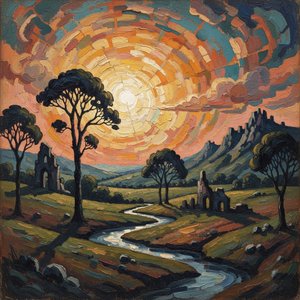
სტივენ ბონი (1904–1958)-მა შექმნა Ardrossan. ის შექმნილ არის 1944 წელს. ის Neo-Romantic Landscape მიძღვნილ სტილს მიეკუთვნება. შესრულებულია Oil On Canvas-ით. ნახატი დაცულია Walker Art Gallery-ში, ლივერპული, გაერთიანებული სამეფო-ში. ზომა არის 51 × 61 cm.
- 1944
- Oil On Canvas
- 51 × 61 cm
- Walker Art Gallery, ლივერპული

 წინასწარი ნახვა

 ხელით შესრულებული ზეთប្រეწერი
 გაგზავნა
 გაზიარება
 სპეცფიკაცია


 ჩამოტვირთვა
 მსგავსები
 რენტგენოგრაფიული კვლევა
 სლაიდშოუ
 კითხვა-პასუხი

 სტატისტიკა
Ardrossan, მოკლედ
- სათაური
- Ardrossan
- ავტორი
- სტივენ ბონი (1904–1958)
- ხატვის წელი და ადგილი
- ჩისვიკი, გაერთიანებული სამეფო
- თარიღი
- 1944
- ტექნიკა
- Oil On Canvas
- ზომები
- 51 × 61 cm
- სად ნახვა შეგიძლიათ
- Walker Art Gallery, ლივერპული, გაერთიანებული სამეფო
- მოძრაობა
- Neo-Romantic Landscape
- სუბიექტი
- coastal townscape, monochrome, harbor, shipbuilding, nostalgia, 1940s
რა არის გამოსახული Ardrossan-ში?
A Moment Frozen in Time: The Essence of Ardrossan
Stephen Bone’s Ardrossan isn't merely a depiction of a coastal town; it’s a carefully constructed evocation of memory, atmosphere, and the quiet dignity of a bygone era. Painted in 1944, during the tumultuous years of World War II, the canvas captures a specific moment – a fleeting glimpse of a bustling harbor scene rendered with a deliberate restraint that speaks volumes about the artist's sensibility. The painting immediately draws the viewer into its monochrome world, a carefully calibrated palette of grays and blacks that feels both familiar and profoundly melancholic. It’s a visual poem to the resilience of place and the enduring power of observation.
- Historical Context: Bone's work during this period is deeply intertwined with his role as an Admiralty war artist, documenting naval activities and coastal defenses. This experience undoubtedly informed his approach to capturing the essence of Ardrossan – a town vital to maritime trade and strategically positioned along the Firth of Clyde.
- The Artist’s Vision: Bone was known for his ability to distill complex landscapes into their most essential elements, prioritizing mood and atmosphere over photographic realism. He sought not just to represent Ardrossan, but to convey a feeling – a sense of timelessness and quiet contemplation.
The Language of Line and Tone
Bone’s masterful use of line is immediately striking. Strong, confident strokes delineate the buildings lining the waterfront, creating a sense of solidity and permanence despite the cloudy sky above. These lines aren't rigid or geometric; they possess a subtle fluidity, suggesting movement and life within the town. The boats in the harbor are rendered with varying degrees of detail, their forms subtly suggested through carefully placed lines, contributing to the overall depth and spatial awareness of the composition. Crucially, the artist employs a sophisticated understanding of tonal variation – light and shadow are used not just for visual interest but also to create a palpable sense of atmosphere. The darker tones in the foreground anchor the scene, while the lighter shades receding into the distance evoke a feeling of atmospheric perspective, drawing the eye deeper into the image.
The painting’s monochromatic palette is particularly effective in conveying a mood of nostalgia and understated drama. It's reminiscent of vintage photographs, lending the work an almost documentary quality while simultaneously elevating it to the realm of art.Symbolism and Emotional Resonance
Beyond its technical merits, Ardrossan is rich in symbolic resonance. The cloudy sky, a dominant feature of the composition, can be interpreted as a metaphor for uncertainty and hardship – reflecting the anxieties of wartime Britain. The harbor itself, with its bustling activity, represents both connection and isolation, highlighting the town’s role as a vital link between land and sea. The presence of the boats suggests trade, industry, and perhaps even a longing for distant horizons. There's an underlying sense of quiet dignity in the scene, a suggestion that life continues despite the challenges of the time.
The painting’s emotional impact is profoundly subtle yet undeniably powerful – it invites contemplation and evokes a feeling of wistful remembrance.A Window into the Past: Technical Details
Painted in oil on canvas, Ardrossan demonstrates Bone's mastery of layering and blending techniques. The visible brushstrokes add texture and depth to the scene, creating a sense of immediacy and authenticity. The careful attention to detail – from the reflections shimmering on the water to the subtle variations in tone – speaks to the artist’s meticulous approach. The dimensions of 51 x 61 cm suggest a scale that is intimate yet expansive, allowing for both detailed observation and a broader appreciation of the scene.
რომელ მუზეუმში ინახება Ardrossan?
Walker Art Gallery
ლივერპული, გაერთიანებული სამეფო
The History of Walker Art Gallery The origins of the collection date back to 1819, when the Liverpool Royal Institution acquired 37 paintings. This initial acquisition formed the basis for a collection that grew steadily over the following decades. The Walker Art Gallery is a Grade II* listed institution and is currently a member of the National Museums Liverpool group.


Ardrossan-ის მაღალი გარ Auflხ resolución-ის გამოსახულებები

Protected by copyright: these files are for personal reference, not a licence to republish.
სტივენ ბონი, Ardrossan (1944), Walker Art Gallery.
კითხვები Ardrossan-ზე, პასუხები
სად არის დღეს გამოფენილი სტივენ ბონი-ის „Ardrossan“?
ორიგინალი სტივენ ბონი-ის „Ardrossan“ Walker Art Gallery, ლივერპული, გაერთიანებული სამეფო-ში ინახება. რესპროდუქცია კი საშუალებას გაძლევთ, ეს ნამუშევარი თქვენს სახლში გამოფენოთ.
რა წელს შეიქმნა სტივენ ბონი-ის „Ardrossan“?
სტივენ ბონი-ის „Ardrossan“-ის შექმნის თარიღია 1944.
რა ტექნიკით არის შექმნილი "Ardrossan"?
სტივენ ბონი-მა „Ardrossan“-ის შესაქმნელად Oil On Canvas ტექნიკა გამოიყენა. აღნიშნული ტექნიკა განსაზღვრავს ორიგინალი ნამუშევრის მატერიალურ ბუნებას.
რა ზომისაა სტივენ ბონი-ის „Ardrossan“ რეალურ ცხოვრებაში?
ორიგინალის ზომა „Ardrossan“-ისთვის არის 51 x 61 cm. ორიგინალის ზომები სასარგებლო ინფორმაციაა რეპროდუქციის ზომის შერჩევისას.
რას ეხება "Ardrossan"?
სტივენ ბონი-ის „Ardrossan“-ში წარმოდგენილი თემები მოიცავს coastal townscape, monochrome, harbor, shipbuilding, nostalgia, 1940s, british landscape-ს, რაც ერთობლიობაში ასახავს ნამუშევრის შინაარსს.
არის თუ არა "Ardrossan" საავტორო უფლებებისგან თავისუფალი?
ავტორული უფლებების სტატუსი ნამუშევრისთვის სტივენ ბონი-ის „Ardrossan“: ნამუშევარი არის კვლავ დაცულია საავტორო უფლებით. ეს განსაზღვრავს, შესაძლებელია თუ არა გამოსახულების რეპროდუქციის თავისუფლად წარმოება.
ვინ არის „Ardrossan“-ის ავტორი?
"Ardrossan" შექმნილია სტივენ ბონი-ის მიერ. ამ გვერდზე მოცემული ინფორმაცია აღწერს სტივენ ბონი-ის ორიგინალურ ნამუშევარს.
რომელ სტილს მიეკუთვნება "Ardrossan"?
სტივენ ბონი-ის „Ardrossan“ მიეკუთვნება Neo-Romantic Landscape მიმდევრობას. ეს მიმდევრობა ნამუშევარს სტილისტურ კონტექსტს სძენს.
სტივენ ბონი-ის შემოქმედების რომელ პერიოდს მიეკუთვნება „Ardrossan“?
"Ardrossan" წარმოადგენს სტივენ ბონი-ის შემოქმედებით პერიოდს: Mid-Career Period.
ხელပاتარში: სტივენ ბონი

1904–1958, გაერთიანებული სამეფო
სტივენ ბონი
სტივენ ბონი: ცხოვრება და ხელოვნება ადრეული წლები და განათლება დაბადება: ჩიზვიკი, გაერთიანებული სამეფო (1904) გარდაცვალება: 1958 სტივენ ბონი ცნობილი მხატვრის, სერ მიურჰედ ბონისა და მწერლის, გერტრუდ ჰელენა დოდის ვაჟი იყო. ამგვარმა ოჯახურმა შემოქმედებითმა გარემომ ღრმა გავლენა მოახდინა მის ადრეულ განვითარებაზე. მან განათლება ბედალესის სკოლაში მიიღო, რის შემდეგაც 1922 წელს სლეიდის ლამაზ ხელოვნებათა სკოლაში ჩაირიცხა. თუმცა, სლეიდის აკადემიურმა მიდგომამ იგი იმედგაცრუებული დატოვა, რის გამოც 1924 წელს წიგნის ილუსტრაციის სფეროს დასამკვირდებლად წავიდა.
სტივენ ბონი-ის შესახებ სტივენ ბონი-ის გამორჩეული ნამუშევრები
ასევე სტივენ ბონი-ის მიერ
 Bow Gun, HMS 'Southern Star'1943
 Stormy Evening1926
 Arisaig1940
 Royal Air Force Air Sea Rescue Launches, Stornoway The Fish Quay Beyond1943
ესეები Ardrossan-ის შესახებ
 Stephen Bone: A Reassessment of Colour, Form & the British Neo-Romantic Landscape TraditionExplore the vibrant world of Stephen Bone (1904-1958), a key figure in British Neo-Romanticism. Discover his captivating landscapes, impact…
 The Language of Light and Form: Emotional Resonance in Abstract LandscapesExplore the emotional depth of abstract landscapes through Kandinsky and Gauguin. Discover the power of color and form today.
 Spontaneity and Matter: Distinguishing CoBrA from Art InformelMaster the differences between CoBrA and Art Informel with our expert guide. Learn to identify these post-war movements today.