

 წინასწარი ნახვა
 გაგზავნა
 გაზიარება
 დეტალები

 ჩამოტვირთვა
 მსგავსები
 რენტგენოგრაფიული კვლევა
 სლაიდშოუ
სწ. სეკილியா
 ზეთი ტილოზე
- კედლის დეკორი
- Baroque
 1640
1640- ადრეული ახალი ეპოქა
 177.0 x 139.0 cm
 გადასართად დაწვრილებით ნახეთ
გიკლე / ხელოვნების პრინტი
მუზეუმის დონის ჟიკლე ან ტილოზე ბეჭდვა სწრაფი წარმოებისა და დასრულების მოქნილი ვარიანტებით. ( შეიძინეთ ხელით შესრულებული ნახატი შეიძინეთ გამოსახულება)




P118B $10

P118H $10

P118W $10

P438Z $10

P508JH $12

P508YH $12

P805H $10

P805Z $10

P919BZ $10

P919G $10

P919XJ $10

P959ZH $10

P968JZ $12

W106C $8

W218G $10

W218JH $8

W218Y $10

W307PJ $10

W316G $10

W316PJ $8

W316Y $10

W398PJ $8

W4111J $10

W500HY $15

W500JH $15

W692G $12

W849H $8

W940BG $15

W953PJ $8




აირჩიეთ ჩვენს მიერ წინასწარ განსაზღვრული ზომებიდან, რომლებიც ნაწარმოების ორიგინალურ პროპორციებს შეესაბამება.

თქვენ შეგიძლიათ მიუთითოთ საკუთარი ზომები კონკრეტული ჩარჩოსთვის ან სივრცისთვის მოსარგებლებლად. თუ თქვენ მიერ არჩეული ზომა არ შეესაბამება ორიგინალი გამოსახულების პროპორციებს, ჩვენ ან დავჭრით ნამუშევარს, ან გავაფართოვებთ გამოსახულებას სარკული ან ერთფეროვანი კიდეებით. წარმოების დაწყებამდე თქვენს დასამტკიცებლად გამოგეგზავნებათ ციფრული მაკეტი.
გთხოვთ, გაითვალისწინოთ, რომ ეკრანზე ნაჩვენები წინასწარი ნახვა არ ასახავს რეალურ ჭრას ან გაფართოებას. მხოლოდ მაკეტზე იქნება ზუსტად წარმოდგენილი საბოლოო კომპოზიცია.
მიუხედავად იმისა, რომ ინდივიდუალური ზომები ხელმისაწვდომია, ორიგინალური პროპორციების შესანარჩუნებლად გირჩევთ, აირჩიოთ ზომა წინასწარ განსაზღვრული სიისგან.
მიწოდება მთელ მსოფლიოში () 2 კვირაში, სტანდარტული 4/5 კვირის ნაცვლად. (22 აგვისტო)

უფასო ექსპრეს მიწოდება მთელ მსოფლიოში

საბამად მაღალი ხარისხის ტილო

სრული ტრანსპორტირების დაზღვევა

საბაჟო გადასახადების დაბრუნების გარანტია

ფერების სრული შესაბამისობის გარანტია

60-დღიანი დაბრუნების პოლიტიკა (მხოლოდ დეფექტის შემთხვევაში)

100% თანხის დაბრუნების გარანტია

ფასდაკლება დიდი რაოდენობით შეკვეთისას
 მინის ჩარჩოს არჩევანი ხელმისაწვდომია მხოლოდ 110 სმ-ზე ნაკლები ზომისთვის

სწ. სეკილியா
გიკლე / ხელოვნების პრინტი
რეკლამაციის ზომა
-


საბოლოო ფასი
$ 80
საკლექციო აღწერა
A Vision of Faith and Family: Peter Paul Rubens’ *St. Cecilia*
Peter Paul Rubens-ის 1640 წლის გამორჩეული ნ tácება, *St. Cecilia*, არის ბარোকოს ხელოვნების საოცრება – ნახატი, რომელიც არ chỉ ასახავს სცენას, არამედ ჩართავს მყ tâmლიანს სიღრმისეულ მოძრაობაში, სულიერი đứcواریში და ოჯახურ სიუხლესში. მისი ზომებია 177 x 139 სმ და ამჟამად ინახებოდა Staatliche Museen zu Berlin-ში, სადაც ეს ზეთის ლელო პანელზე შექმნილი ნ tácება მიიხラルა მსმენელთა ყურადღება საუკუნეების შემდეგ.კომპოზიციის და სიმ볼ლური მნიშვნელობის Giảiგება
პირველად შეხედულების моментаში, *St. Cecilia* წარმოстанавливает მზრდილი პორტრეტის ქალბადლის, გარშემო რა ბავშვებთან. თუმცა, bềพาะПід поверхінкою ẩnецца მდიდარი ტექსტური და სიმ볼ლური მნიშვნელობა. ცენტრალური ფიგურა არის წმინდანა სეკსტილია, მუსიკის წამყვანი, რომელიც წარჩწულია მშვიდობით და ეხუროს ერთ ბავშვს, ხოლო მეორე đứngει ყურადღოვნად მის გვერდით. ეს განაწკნე არ chỉ ასახავს დედობის სცენას, არამედ სიმბოლლურად biểuдей את đứcებისა და ოჯახის harmoniულ sự kết hợp – ძირითადიหลัก princípio ქრისტიанската tínészetში. Дополнительные фигуры, тонко сложенные в фоне, добавляют глубину повествованию. В левом верхнем углу появляется тень, а еще три человека расположены справа, их роли открыты для интерпретации, но они способствуют ощущению общности и свидетельства. Заметно, что на левой стороне находится птица – повторяющийся мотив в искусстве, часто представляющий душу или божественное вдохновение. Разбросанные инструменты намекают на покровительство Секстлии музыке, которая считалась способной возвысить дух к Богу.Рубенса Барокко-лық Ыңырлым: Стиль және Техника
*St. Cecilia* – бароқ стилінде Рубенс-тың шедеврі. Оның техникасы динамикалық қозғалыстарды, жарқын түстерді және интенсивті сенсорлдылығымен сипатталды, бұл өмірге жаңғыртқыздандырады субъекттерді. Драматик пайдаланылуы *chiaroscuro* – ақтық және тілсіз көктерінің араласуы аса нақты. Бұл көздің бағдарламасын Секстлияға және оның бабаларына, сонымен қатар, театрлық эффектілерді жасау үшін пайдалы болады.- Кириллица: Рубенс толығырақ кириллицаны қолданды, лазурлы түстерді жинап, формаларды нақты модельдеуге көтеред.
- Композициялық Движение: Пирамидалық композиция сценад аяқтарын бекітпей, қозғалыстың жағдайын сақтайды.
- Цвет Палитра: Сыртқы түстер – бай қоңыр, алтын, қызыл және зебірлер басым болады, бұл жылылықты, шиыртық пен рухани құндылықтарды тудырады.
Тарихтың Контексті және Рубенс-тың Нақтылығы
Рубенс 1577 жылы дүниеге келді және 1640 жылы қайталанған, бұл уақыттық релігиялық және саяси айшарлама кезеңінде өмір сүрді. Католикон контр-реформасы артистик білім беруге күшті ықпал етуімен эмоционалды интенсивтілік пен драмалық әңгімелерді қайта орқындату үшін христиандық құдайдың күшін ресімдеуіне жол берді. Рубенс, католикон діни адам болып табылады, бұл идеяларды жақсырақ қолданды, сонымен қатар, нақты және эстетикалық ерекшеліктері бар жұмыстарды жасады. Ол өте продуктивті суретші болды, алтырған, портреттер, пейзаждар және тарихи картиналар жасады. Оның Фламанд барокко дәстəрінің шеңберіндегі ықпалы ерекшеліктің жоғарылығымен сипатталды, оның инновациялық техникалары мен экспрессивтік стилдерінен кейін шағын суретшілерді жандандырды. *Perseus Freeing Andromeda* және *The Three Crosses* сияқты ерекше жұмыстарының кең көлемділігін көрсетеді.Эмоционалық Резонанс және Бірқанаулық Тілек
Техникалық шедеврі мен тарихи маңыздылығынан тыс, *St. Cecilia* құнды эмоционалдық резонацияны тудырады. Қартіл, тызым, және отбасылық сүйкіштілік сезімін тудырады. Бұл жұмыс ойланатын – сенімнің күші, отбасының әшекейі және адам душойдың бітпейтін жағдайына нақты екендігін еске салатын. Жыйынтықтаушылар мен интерьерлік дизайнерлер үшін *St. Cecilia* жоғары сапада репродукциясы барокколық ырсық пен рухани қабілеттілікті кез-кез кең қорапқа енгізуге мүмкіндік береді. Оның жарқын түстері мен динамикалық композициясы сөзсіз әшекей болып табылады, бұл оны талқылауға және шабыттандыруға арқылы көздерін ауырлайды. Бұл тек картина емес – барокко дәурының жүрегі мен Рубенс-тың өнерінің шежіресі. movement: Baroque topics: Religious Art, Baroque Music, Family Portrait, Saint Cecilia, Oil Painting, Flemish Art, Symbolic Imagery creative_period: Mature Period corpus_context: Caravaggio's Chiaroscuro, Classical Composition", Italian Renaissance, Catholic Devotion”, Patronage & Power, Musical Saints, "Key Baმხატვრის ბიოგრაფია
Sir Peter Paul Rubens: A Baroque Master!
Peter Paul Rubens, a name synonymous with the exuberant grandeur of the Baroque era, stands as one of Flanders’s most celebrated artists and arguably Europe's foremost painter of his time. Born in Siegen, Germany, on June 28th, 1577, Rubens’s early life was marked by upheaval—a formative experience that subtly imbued his artistic vision with an undercurrent of drama and profound emotional depth. His father, Jan Rubens, a lawyer fleeing religious persecution for Calvinist beliefs, forcibly relocated the family from Antwerp, then firmly under Spanish dominion, initiating a journey that would shape his worldview and artistic sensibilities. This initial exile instilled in young Peter Paul a resilience and adaptability—qualities that would prove invaluable throughout his multifaceted career as both artist and diplomat. Following Jan Rubens’s untimely demise in 1587, the family returned to Antwerp, where he received a humanist education before embarking on his formal artistic training around 1590, apprenticing under Tobias Verhaecht and Adam van Noort—acquiring foundational skills in drawing and mastering the techniques of oil painting. However, it was his encounter with Otto van Veen that proved pivotal, exposing him to the monumental legacy of Italian Renaissance art—a world he would soon embrace wholeheartedly, absorbing its principles of classical idealism and masterful composition.The Italian Awakening: Synthesis of Tradition
In 1600, Rubens undertook a transformative pilgrimage to Italy—a decision that irrevocably altered the trajectory of his artistic development. For eight years, he immersed himself in the masterpieces crafted by Michelangelo, Raphael, and Titian—absorbing their unparalleled command of form, color, and spatial organization. The influence of these Renaissance titans is palpably present in Rubens’s early Italian works, characterized by idealized figures rendered with meticulous anatomical precision and bathed in luminous hues reminiscent of Florentine frescoes. Yet, Rubens didn't merely imitate; he engaged in a daring synthesis—integrating the stylistic innovations of the Renaissance with his own innate talent and expressive sensibilities. He meticulously studied human anatomy, achieving an unprecedented level of realism while simultaneously conveying profound emotion—a hallmark of his Baroque style. This dedication to observation extended beyond mere representation; Rubens sought to capture the essence of human experience, imbuing his figures with dynamism and psychological complexity. The result was a distinctive artistic idiom that defied categorization—one rooted in classical ideals yet infused with Baroque fervor.Antwerp: A Crucible of Artistic Innovation
Upon returning to Antwerp in 1608, Rubens established himself as the undisputed leader of Flemish art—a position he solidified through shrewd patronage and prolific output. He married Isabella Brandt shortly thereafter, forging a partnership that would endure until her untimely death in 1625—a personal tragedy that profoundly impacted his artistic life. Recognizing the need for respite from grief, Rubens relocated to Brussels, where he oversaw the construction of a magnificent villa designed by Peter Paul Wren—a symbol of his newfound stability and ambition. During this period, Rubens cultivated an expansive studio staffed with numerous assistants—facilitating the production of monumental altarpieces, portraits, landscapes, and history paintings that captivated audiences across Europe. His artistic endeavors were driven not only by creative passion but also by astute business acumen—demonstrating a remarkable blend of talent and entrepreneurial spirit. He skillfully catered to the tastes of aristocratic clients—producing works that celebrated royal grandeur and upheld humanist ideals. Rubens’s workshop became a hub of artistic innovation, fostering collaborations with younger artists who would carry forward his legacy into subsequent generations.A Diplomatic Voice Amidst Turbulent Times
Rubens's career extended beyond the easel; he served as a diplomat for both Philip IV of Spain and Charles I of England—a dual role that afforded him unparalleled insight into European politics and culture. His diplomatic missions were undertaken with grace and erudition—reflecting his humanist education and unwavering commitment to intellectual pursuits. Rubens’s involvement in negotiations aimed at securing favorable treaties underscored his belief in the power of reasoned discourse and collaborative engagement—qualities that distinguished him from many of his contemporaries. Notably, he was knighted by Charles I—a recognition of his artistic prowess and diplomatic accomplishments—solidifying his position as a prominent figure within the British court. Rubens’s diplomatic endeavors were particularly significant during the tumultuous years leading up to the Thirty Years' War—when he tirelessly championed peace and reconciliation amidst escalating tensions between Catholic Spain and Protestant Europe.Legacy: An Enduring Influence on Baroque Art
Rubens died in Antwerp on May 30th, 1640—leaving behind an unparalleled artistic corpus that continues to inspire admiration and scholarly scrutiny. His monumental canvases—including *The Descent from the Cross*, *The Raising of the Cross*, *Apollo and Daphne*, and *The Feast of Saint Ursula*—remain among the most iconic achievements of Baroque art—exemplifying his mastery of composition, color, and dramatic storytelling. Rubens’s influence permeated the artistic landscape of Europe—inspiring painters like Anthony van Dyck, Jacob Jordaens, and Eugène Delacroix—who adopted his stylistic innovations and embraced his expressive vision. His legacy transcends mere aesthetic admiration; Rubens's work embodies humanist ideals—celebrating human dignity and portraying biblical narratives with profound emotional depth. He remains a towering figure in the history of art—a testament to the transformative power of creativity and the enduring allure of Baroque splendor—forever enshrined as one of Flanders’s greatest artistic luminaries.
პიტერ პაულ რუბენსი
1577 - 1640 , გერმანია
მოკლე ინფორმაცია
- Artistic Movement Or Style: ბაროკო სტილი
- Artists Who Influenced This Artist:
- მிகிლეანჯელო ბონარوتی
- რაფაელ სანი
- ტიტეიან ბრუნელი
- Date Of Birth: 1577 წლის ივნისი 28
- Date Of Death: 1640 წლის მაისი 30
- Full Name: Sir Peter Paul Rubens
- Nationality: ფლანდრიელი
- Notable Artworks:
- ქრისტოს აღსასვლელობა
- ქრისტოს დამასრულება
- ისაბელა ბრანტისПортрет
- Place Of Birth: გერმანია, სიგენი
დაკავშირებული სტატიები

Peter Paul Rubens: A Baroque Master's Life, Legacy & Enduring Influence
Discover the life & art of Peter Paul Rubens, the most influential artist of the Flemish Baroque tradition. Explore his masterpieces, legacy, and impact on art history with OriginalUniqueArt.

პოლ კლის 25 შედევრი: ფერების სიმფონია თქვენს სახლში | OriginalUniqueArt.com
აღმოაჩინეთ პოლ კლის 25 შედევრი – აბსტრაქტული ხელოვნების სიმფონია, ფერების ჰარმონია და გერმანელი მხატვრის უნიკალური სტილი. შეიძინეთ მუზეუმის ხარისხის რესპროდუქციები OriginalUniqueArt.com-ზე და შექმნით თქვენი სახლისთვის ექსკლუზიური დეკორი. Explore the full collection online!

პოლ სეზანის 25 შედევრი: ხელოვნების ისტორიაში გამორჩეული ნაწარმოებები | OriginalUniqueArt.com
აღმოაჩინეთ პოლ სეზანის 25 გამორჩეული შედევრი! იმპრესიონიზმი, პოსტიმპრესიონიზმი და კუბიზმის წინასწარმეტყველი. ნახატების ისტორია, ტექნიკა და შთაგონება OriginalUniqueArt.com-ზე. 🖼️ ხელოვნების ბეჭვრა მუზეუმის ხარისხით.

Mastering Drama and Light: A Definitive Guide to the Flemish Baroque Art Movement
Explore the dramatic brilliance of the Flemish Baroque movement. Discover how masters like Peter Paul Rubens utilized chiaroscuro and dynamic composition to redefine art history through light, shadow, and unparalleled emotion.
The Grandeur of Baroque Portraiture: Power, Emotion & Artistic Innovation
Explore the grandeur of Baroque portraiture! Discover Rubens, Van Dyck & the masters of 17th-century art. Uncover symbolism, techniques & lasting influence. Expert insights for collectors and enthusiasts.


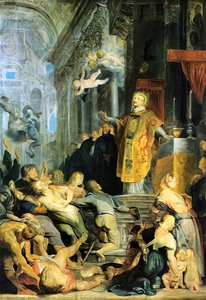
![მარსელიაში მარი დედოფლის მიზე ზარ]));](/media/artworks/images-thumb/7a/1a/7a1a591e7b8017aad724ce5de3970381.jpg)



