() ·

თქვენთვის შექმნილი ტილო, ხელით ნამუშევარი

Artemisia

ხელით შესრულებული ზეთის საღებავით რეპროდუქცია

ტილოზე შესრულებული ფერწერიანი ზეთប្រდათი, თქვენთვის სასურველი ზომისა და ჩარჩოსთვის, ჩვენი ხელოვანების მიერ შეკვეთის საფუძველზე დამზადებული. ( გადართვა ბეჭდვის რეჟიმზე გადასვლა ციფრულ გამოსახულებაზე)

კოლექციონირებადი ნივთის აღწერა

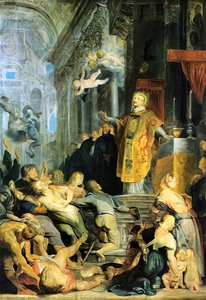
Rubens' "Artemisia," completed in 1615, transcends mere portraiture; it embodies the turbulent spirit of the Baroque era and delves into profound themes of sorrow, resilience, and artistic ambition. Painted during a period marked by fervent religious fervor and opulent royal patronage—specifically commissioned for Cardinal Scipione Borghese’s villa—the artwork captures a moment frozen in time, ref

მხატვრის ბიოგრაფია

პიტერ პაულ რუბენსი ბაროკოს უმაღლეს მსახიე სიადაა და ცნობილია დინამური კომპოზიციებით და ნათელი ფერებით და მისი ყველაზე მნიშვნელოვანი ნაწილია კლასიკური და რელიგიური თემატიკის გამოყენება და პორტრეტები და ის არის ფლემიშთა ბაროკოს სტილის მმართველ მსახიე და ცნობილია თავისი დინამური კომპოზიციებით და ნათელი ფერებით და კლასიკური და რელიგიური თემატიკის გამოყენება და პორტრეტები და ის არის ფლემიშთა ბაროკოს სტ

დან ·

თავი 1

რა ზომის უნდა იყოს?

გადაწიეთ სლაიდერი ზომის შესაცვლელად; მარცხენა მხარეს მოცემული გამოსახულება ასახავს ჩარჩოს რეალურ სიგანეს. ორიგინალის პროპორციები შენარჩუნებულია.

სტანდარტული ზომა
ინდივიდუალური ზომა
CM
INCH

აირჩიეთ ჩვენს მიერ წინასწარ განსაზღვრული ზომებიდან, რომლებიც ნაწარმოების ორიგინალურ პროპორციებს შეესაბამება.

სიგანე
სიმაღლე

შეიყვანეთ თქვენთვის საჭირო სიგანე და სიმაღლე, რათა ნახატი მოერგოს თქვენს ჩარჩოს ან კედელს. ვინაიდან ეს ნამუშევარი ხელით არის შესრულებული, სხვა ფორმის ზომის შემთხვევაში, მხატვარმა შესაძლოა სურათის გარშემო ოდნავ მეტი დატოვოს ან შეამციროს — არჩევანი თქვენზეა. დაწყებამდე, დასამტკიცებლად, ჩვენ გამოგიგზავნით ციფრულ მაკეტს. ამ გვერდზე ნაჩვენები სურათი არ ასახავს რეალურ შედეგს — რეალური სახე მხოლოდ მაკეტზე ჩანს.

თავი 2

როგორ უნდა მოვიდეს?

შეარჩიეთ დაჭიმული ტილოს კიდეები

შეარჩიეთ ჩარჩო

Corner sample of the WhiteWrap canvas edge finish, stretched on მასიური ხე bars
თეთრი კიდეები ₾1
Corner sample of the BlurSideWrap canvas edge finish, stretched on მასიური ხე bars
ბუნდოვანი კიდეები ₾1
Corner sample of the ExtendedWrap canvas edge finish, stretched on მასიური ხე bars
გაფართოებული ₾1
Corner sample of the P118B picture frame: ღუმლში ჩამჭედი პოლისტიროლი, 5 cm wide and 3 cm thick
P118B ₾10
Corner sample of the P118H picture frame: ღუმლში ჩამჭედი პოლისტიროლი, 5 cm wide and 3 cm thick
P118H ₾10
Corner sample of the P118W picture frame: ღუმლში ჩამჭედი პოლისტიროლი, 5 cm wide and 3 cm thick
P118W ₾10
Corner sample of the P438Z picture frame: ღუმლში ჩამჭედი პოლისტიროლი, 5.5 cm wide and 3.5 cm thick
P438Z ₾10
Corner sample of the P508JH picture frame: ღუმლში ჩამჭედი პოლისტიროლი, 7 cm wide and 3.5 cm thick
P508JH ₾12
Corner sample of the P508YH picture frame: ღუმლში ჩამჭედი პოლისტიროლი, 7 cm wide and 3.5 cm thick
P508YH ₾12
Corner sample of the P805H picture frame: ღუმლში ჩამჭედი პოლისტიროლი, 5 cm wide and 3.5 cm thick
P805H ₾10
Corner sample of the P805Z picture frame: ღუმლში ჩამჭედი პოლისტიროლი, 5 cm wide and 3.5 cm thick
P805Z ₾10
Corner sample of the P919BZ picture frame: ღუმლში ჩამჭედი პოლისტიროლი, 7 cm wide and 3.5 cm thick
P919BZ ₾10
Corner sample of the P919G picture frame: ღუმლში ჩამჭედი პოლისტიროლი, 7 cm wide and 3.5 cm thick
P919G ₾10
Corner sample of the P919XJ picture frame: ღუმლში ჩამჭედი პოლისტიროლი, 7 cm wide and 3.5 cm thick
P919XJ ₾10
Corner sample of the P959ZH picture frame: ღუმლში ჩამჭედი პოლისტიროლი, 5 cm wide and 3 cm thick
P959ZH ₾10
Corner sample of the P968JZ picture frame: ღუმლში ჩამჭედი პოლისტიროლი, 6 cm wide and 4 cm thick
P968JZ ₾12
Corner sample of the W106C picture frame: მასიური ხე, 5 cm wide and 3 cm thick
W106C ₾8
Corner sample of the W218G picture frame: მასიური ხე, 5 cm wide and 3 cm thick
W218G ₾10
Corner sample of the W218JH picture frame: მასიური ხე, 5 cm wide and 3 cm thick
W218JH ₾8
Corner sample of the W218Y picture frame: მასიური ხე, 5 cm wide and 3 cm thick
W218Y ₾10
Corner sample of the W307PJ picture frame: მასიური ხე, 6 cm wide and 3 cm thick
W307PJ ₾10
Corner sample of the W316G picture frame: მასიური ხე, 6 cm wide and 3 cm thick
W316G ₾10
Corner sample of the W316PJ picture frame: მასიური ხე, 6 cm wide and 3 cm thick
W316PJ ₾8
Corner sample of the W316Y picture frame: მასიური ხე, 6 cm wide and 3 cm thick
W316Y ₾10
Corner sample of the W398PJ picture frame: მასიური ხე, 5 cm wide and 3 cm thick
W398PJ ₾8
Corner sample of the W4111J picture frame: მასიური ხე, 6.5 cm wide and 3.5 cm thick
W4111J ₾10
Corner sample of the W500HY picture frame: მასიური ხე, 7 cm wide and 5 cm thick
W500HY ₾15
Corner sample of the W500JH picture frame: მასიური ხე, 7 cm wide and 5 cm thick
W500JH ₾15
Corner sample of the W692G picture frame: მასიური ხე, 8 cm wide and 4 cm thick
W692G ₾12
Corner sample of the W849H picture frame: მასიური ხე, 5 cm wide and 3 cm thick
W849H ₾8
Corner sample of the W940BG picture frame: მასიური ხე, 7.5 cm wide and 4.5 cm thick
W940BG ₾15
Corner sample of the W953PJ picture frame: მასიური ხე, 6 cm wide and 3.5 cm thick
W953PJ ₾8
Corner sample of the H24-GOLD picture frame: გასკერული ხე გესოსთან ერთად, 10 cm wide and 6 cm thick
H24-GOLD ₾30
Corner sample of the H24-SILVER picture frame: გასკერული ხე გესოსთან ერთად, 10 cm wide and 6 cm thick
H24-SILVER ₾30
Corner sample of the H36-GOLD picture frame: გასკერული ხე გესოსთან ერთად, 15 cm wide and 6.5 cm thick
H36-GOLD ₾45
Corner sample of the H36-SILVER picture frame: გასკერული ხე გესოსთან ერთად, 15 cm wide and 6.5 cm thick
H36-SILVER ₾45
ჩარჩოს წინასწარი ნახვა

ჩარჩოჩენილი

კარმამ . ზომა ჩარჩოზე, მთლიანი: .

თავი 3

ვინ ხატავს მას და ხომ არაფერი უნდა შეიცვალოს?

რა შეიძლება შეიცვალოს: სახის ჩანაცვლება მომხმარებლის ფოტოთი; შინაური ცხოველის დამატება (მაგალითად, კატის შეცვლა ძაღლით); ფონზე ფარული შეტყობინების დამატება; ფონის ლანდშაფტის ან ელემენტების შეცვლა.
შეკვეთის შემდეგ, OriginalUniqueArt.com გუნდი გამოგსტავთ ელექტრონულ წერილს ინსტრუქციებისთვის და მოგაწვდით წინასწარ ნახატის (mockup) პრევიუსს

მიწოდება მსოფლიო მასშტაბით -ში 3/4 კვირაში, სტანდარტული 5 კვირის ნაცვლად. (3 ნოემბერი). ხარისხზე კომპრომისის გაკეთება არ მოხდება.

თავი 4

დასკვნითი შтриხები

სარდაფი, როგორც მუზეუმში?

დაკვეთილი ბრინჯაოს ფირფიტის დეტალები

This elegant plaque features the artist's name and the title of the artwork, finely engraved for a timeless presentation.

It is made from bronze with a refined, elegant finish. The text is precisely laser-engraved for a sharp and permanent result. Measuring 9x2 cm, the plaque is compact yet easy to read. It's built to be durable and scratch-resistant, offering a professional, museum-quality look. Mounting is simple thanks to the included adhesive backing.

აკრილის გამჭვირვალე ფირფიტის დეტალები

The plaque includes essential engraved details such as the artist's name, the title of the artwork, the date it was created, the type of media used-like oil on canvas or watercolor-a brief description of the piece, and a QR code that links to the complete artwork information.

It is crafted from clear acrylic, offering a sleek, modern appearance. The text is UV-engraved in black to ensure strong visual contrast. With a size of 10x15 cm, it ensures optimal readability. It comes equipped with two metal hooks for secure wall mounting. The plaque is designed to be weather-resistant, making it suitable for various environments, and it includes interactive features that work seamlessly with smartphone scanning.

შავი აკრილის ფირფიტის დეტალები

This elegant plaque includes engraved information such as the artist's name, the title of the artwork, the date it was created, the type of media used (like oil on canvas or watercolor), a short description of the artwork, and a QR code for quick access to more information.

The plaque itself is made from refined black acrylic with a premium finish. The text is laser-engraved in white for high contrast and readability. Its size is 10x15 cm, designed to be easy to read. It comes with two metal hooks for professional mounting. The design is sleek and fits any interior style. It is also weather-resistant and durable, with built-in digital integration for mobile compatibility.

დამცავი ლაქი?

როდის გჭირდებათ?

თავი 5

თქვენი ნახატი, ზუსტად ისეთი, როგორ შეუკვეთეთ

Artemisia

რეპროდუქციის ტექნიკა

რეპროდუქციის ზომა

-

დასახელებული ხელოვანთა შერჩეული კოლექცია

უფრო მეტი დეტალიზაცია, დახვეწილობა და დამატებითი დამუშავების დრო

-

რეკლამაციის ჩარჩო

-

-

ნებისმიერი მხარისთვის 105 სმ-ზე (დაახლოებით 41 ინჩი) მეტი ზომის ხელოვნებული ნამუშევრების ან რეპროდუქციებისთვის, ჩარჩო მოგზავნდება დაშლილ კომპლექტში. ეს მეთოდი უზრუნველყოფს უსაფრთხო მიწოდებას და თავიდან აგაცილებთ ტრანსპორტირებისას შესაძლო დაზიანებას.

საჭიროა პროფესიონალური აწყობა - ეს არ არის თვითმომსახურების (DIY) პროდუქტი.
კომპლექტის აწყობა და ტილოს დაჭიმვა უნდა განახორციელოს გამოცდილმა პროფესიონალმა ჩარჩოს დამამზადებელმა, ხის წებოს (არ შედის კომპლექტში), ტილოს დაჭიმვის ბერჭებისა და საკრამების გამოყენებით, რათა წებოს გასაშრობად ღერძები სწორად და სტაბილურად დაფიქსირდეს. არასწორი აწყობა ან ტილოს არათანაბარი დაჭიმვა შეიძლება გამოიწვიოს ნამუშევრის სამუდამო დაზიანება, რაც არ იფარება ჩვენი გარანტიით.

  • კომპლექტში შედის მყარი ხის ყველა ღერძი, ზუსტად გაზომილი და საჭირო ზომაზე დაჭრილი.

  • აწყობისთვის გამოიყენება მოთავსებული ხრახნები; ასევე დაგჭირდებათ ხის წებო კუთხეების დასაკავშირებლად, რომელიც კომპლექტში არ შედის და თქვენმა ჩარჩოს დამამზადებელმა უნდა შეიძინოს დამოუკიდებლად.

  • საჭიროა პროფესიონალური ხელსაწყოები, რომლებიც არ შედის კომპლექტში: ტილოს დაჭიმვის ბრჭყალები (დამჭერი) და სამჭედლები, რათა წებოს გასაშრობ პროცესში რამკოს კუთხეები სწორად ფიქსირდეს.

მნიშვნელოვანია:
კუთხეების დასაკავშირებლად საჭიროა ხის წებო; სანამ წებო სრულად გაშრება, ღერძები დაფიქსირებული უნდა იყოს საკავშირეებით, ხოლო აწყობილ ჩარჩოზე ტილოს დასჭიმად საჭიროა ტილოს დასჭიმელი ბრჭჭვალი. არცერთი ეს ნივთი არ შედის კომპლექტში. გთხოვთ, ამ ზომის შეკვეთამდე წინასწარ დაგეგმოთ გამოცდილი პროფესიონალი ჩარჩოს დამზადებელი.

სახელოვანი ფირფიტა

-

-

დამცავი ლაქი

ბზინვარე ლაქი (აფერსკვიატებს ფერებს და იცავს სინათლისა და ტენისგან)

-

ჩემი ნამუშევრის პერსონალიზაცია

რა შეიძლება შეიცვალოს (მაგალითები): სახის შეცვლა მომხმარებლის ფოტოთი; შინაური ცხოველის დამატება (მაგალითად, კატის დგებით შეცვლა); ფონზე ფარული შეტყობინების დამატება; ფონის ლანდშაფტის ან ელემენტების შეცვლა.

-

სასწრაფო მიწოდება

მიწოდება მსოფლიო მასშტაბით () 3-4 კვირაში, სტანდარტული 5 კვირის ნაცვლად. (3 ნოემბერი). ხარისხზე კომპრომისის გაკეთება არ მოხდება.

-

ექსპრეს-მიწოდება

მიწოდება მსოფლიოს მასშტაბით (), 5 კვირაში. (10 ნოემბერი).

მოყვება

ჯამური ღირებულება

₾ 780

ჯამური ღირებულება ₾ 780

მინის ჩარჩოს არჩევანი ხელმისაწვდომია მხოლოდ 110 სმ-მდე ზომისთვის

მოყვება თითოეულ შეკვეთასთან ერთად

  • უფასო ექსპრეს მიწოდება მთელ მსოფლიოში
  • მაღალი ხარისხის ტილო
  • ტრანსპორტირების სრული დაზღვევა
  • საბაჟო გადასახადების დაბრუნების გარანტია
  • ფერების სრული შესაბამისობის გარანტია
  • დაბრუნების 100-დღიანი პერიოდი (მხოლოდ წარმოების დეფექტის შემთხვევაში)
  • 100% თანხის სრული დაბრუნების გარანტია
  • ფასდაკლება დიდი რაოდენობით შეკვეთისას

A Vision of Resilience: Rubens’ Masterpiece Artemisia

In the grand tapestry of the Baroque era, few portraits command the viewer's attention with such profound psychological depth as Peter Paul Rubens’ 1615 masterpiece, Artemisia. This is not merely a depiction of a noblewoman; it is an evocative encounter with a soul forged in fire. Through his masterful brush, Rubens captures the likeness of Artemisia Gentileschi, a woman whose life was defined by both immense artistic triumph and harrowing personal struggle. The painting serves as a breathtaking bridge between the physical world and the internal landscape of human endurance, making it a centerpiece of unparalleled emotional gravity for any discerning collector.

The composition is a masterclass in chiaroscuro, where the dramatic interplay of light and shadow breathes life into every fold of fabric and every flicker of expression. Rubens employs a rich, vibrant palette that underscores the theatricality of the scene, drawing the eye toward the central figure whose gaze remains steady and unyielding. As light spills across the canvas, it illuminates the regal crown upon her head—a deliberate symbol of her intellectual sovereignty and her hard-won status within a male-dominated artistic landscape. The meticulous rendering of textures, from the heavy sheen of luxurious fabrics to the subtle warmth of skin tones, creates an illusionistic depth that invites the viewer to step directly into this historical moment.

Symbolism and the Baroque Spirit

Beyond its technical brilliance, the artwork is steeped in the complex socio-religious atmosphere of the Counter-Reformation. Created during a time of intense religious fervor and shifting social hierarchies, the portrait functions as an allegory of strength. The presence of surrounding figures, engaged in what appears to be a moment of shared focus or scholarly discussion, provides a sense of communal gravity that contrasts with the singular, introspective power of Artemisia herself. Every element, from the way the light catches the bowl before her to the subtle shadows masking the faces of her admirers, contributes to a narrative of dignity maintained amidst chaos.

For those looking to integrate such a piece into a curated interior, Artemisia offers more than just aesthetic beauty; it provides a conversation piece that speaks to themes of agency and resilience. The painting’s ability to anchor a room with its somber yet magnificent presence makes it an ideal choice for sophisticated spaces—be it a formal study, a grand dining hall, or a contemporary gallery setting. It is a work that does not merely decorate a wall but enriches the very atmosphere of a home, offering a timeless window into the triumph of the human spirit through the lens of Baroque splendor.

კითხვები და პასუხები

რა ასაკში შექმნა პიტერ პაულ რუბენსი-მა „Artemisia“?

პიტერ პაულ რუბენსი 38 წლის იყო, როდესაც 1615 წელს შექმნა „Artemisia“. ასაკი გამოთვლილია ხელოვანის დაბადების წლის, 1577, საფუძველზე.

რა სიკაშკაშეს ახასიათებს ნამუშევარს პიტერ პაულ რუბენსი-ის „Artemisia“?

„Artemisia“-ის ფერები აჩვენებს Dark სიკაშკაშეს.

არის თუ არა "Artemisia" საავტორო უფლებებისგან თავისუფალი?

პიტერ პაულ რუბენსი-ის „Artemisia“ არის საჯარო საკუთრებაშია - მისი საავტორო უფლებები ამოწდა. ეს სტატუსი განსაზღვრავს, თუ როგორ შეიძლება ნამუშევრის გამოსახულების რეპროდუცირება.

მეტი ამ ნახატის შესახებ

ნახვა ინტერьерში ნახვა AR რეჟიმში გადართვა ბეჭდვის რეჟიმზე გადასვლა ციფრულ გამოსახულებაზე გაგზავნა

დეტალები გზამკვლევი დამატება ფავორიტებში ჩამოტვირთვა მსგავსები რენტგენოგრაფიული კვლევა სლაიდშოუ კითხვა-პასუხი სტატისტიკა

ციფრებში

  • 1615დაბეჭდვის წელი
  • 29შერჩევისათვის ხელმისაწვდომი ჩარჩოები
  • სტანდარტული ზომები, საკუთარი პროპორციებით
  • 5დამხატვრობასა და მიწოდებას რამდენიმე კვირა დასჭირდება
პიტერ პაულ რუბენსი

პიტერ პაულ რუბენსი

1577 - 1640, გერმანია

მოკლე ფაქტები პიტერ პაულ რუბენსი შესახებ

  • Artistic Movement Or Style: ბაროკო სტილი
  • Artists Who Influenced This Artist:
    • მிகிლეანჯელო ბონარوتی
    • რაფაელ სანი
    • ტიტეიან ბრუნელი
  • Date Of Birth: 1577 წლის ივნისი 28
  • Date Of Death: 1640 წლის მაისი 30
  • Full Name: Sir Peter Paul Rubens
  • Nationality: ფლანდრიელი
  • Notable Artworks:
    • ქრისტოს აღსასვლელობა
    • ქრისტოს დამასრულება
    • ისაბელა ბრანტისПортрет
  • Place Of Birth: გერმანია, სიგენი

მხატვრის ბიოგრაფია

Sir Peter Paul Rubens: A Baroque Master!

Peter Paul Rubens, a name synonymous with the exuberant grandeur of the Baroque era, stands as one of Flanders’s most celebrated artists and arguably Europe's foremost painter of his time. Born in Siegen, Germany, on June 28th, 1577, Rubens’s early life was marked by upheaval—a formative experience that subtly imbued his artistic vision with an undercurrent of drama and profound emotional depth. His father, Jan Rubens, a lawyer fleeing religious persecution for Calvinist beliefs, forcibly relocated the family from Antwerp, then firmly under Spanish dominion, initiating a journey that would shape his worldview and artistic sensibilities. This initial exile instilled in young Peter Paul a resilience and adaptability—qualities that would prove invaluable throughout his multifaceted career as both artist and diplomat. Following Jan Rubens’s untimely demise in 1587, the family returned to Antwerp, where he received a humanist education before embarking on his formal artistic training around 1590, apprenticing under Tobias Verhaecht and Adam van Noort—acquiring foundational skills in drawing and mastering the techniques of oil painting. However, it was his encounter with Otto van Veen that proved pivotal, exposing him to the monumental legacy of Italian Renaissance art—a world he would soon embrace wholeheartedly, absorbing its principles of classical idealism and masterful composition.

The Italian Awakening: Synthesis of Tradition

In 1600, Rubens undertook a transformative pilgrimage to Italy—a decision that irrevocably altered the trajectory of his artistic development. For eight years, he immersed himself in the masterpieces crafted by Michelangelo, Raphael, and Titian—absorbing their unparalleled command of form, color, and spatial organization. The influence of these Renaissance titans is palpably present in Rubens’s early Italian works, characterized by idealized figures rendered with meticulous anatomical precision and bathed in luminous hues reminiscent of Florentine frescoes. Yet, Rubens didn't merely imitate; he engaged in a daring synthesis—integrating the stylistic innovations of the Renaissance with his own innate talent and expressive sensibilities. He meticulously studied human anatomy, achieving an unprecedented level of realism while simultaneously conveying profound emotion—a hallmark of his Baroque style. This dedication to observation extended beyond mere representation; Rubens sought to capture the essence of human experience, imbuing his figures with dynamism and psychological complexity. The result was a distinctive artistic idiom that defied categorization—one rooted in classical ideals yet infused with Baroque fervor.

Antwerp: A Crucible of Artistic Innovation

Upon returning to Antwerp in 1608, Rubens established himself as the undisputed leader of Flemish art—a position he solidified through shrewd patronage and prolific output. He married Isabella Brandt shortly thereafter, forging a partnership that would endure until her untimely death in 1625—a personal tragedy that profoundly impacted his artistic life. Recognizing the need for respite from grief, Rubens relocated to Brussels, where he oversaw the construction of a magnificent villa designed by Peter Paul Wren—a symbol of his newfound stability and ambition. During this period, Rubens cultivated an expansive studio staffed with numerous assistants—facilitating the production of monumental altarpieces, portraits, landscapes, and history paintings that captivated audiences across Europe. His artistic endeavors were driven not only by creative passion but also by astute business acumen—demonstrating a remarkable blend of talent and entrepreneurial spirit. He skillfully catered to the tastes of aristocratic clients—producing works that celebrated royal grandeur and upheld humanist ideals. Rubens’s workshop became a hub of artistic innovation, fostering collaborations with younger artists who would carry forward his legacy into subsequent generations.

A Diplomatic Voice Amidst Turbulent Times

Rubens's career extended beyond the easel; he served as a diplomat for both Philip IV of Spain and Charles I of England—a dual role that afforded him unparalleled insight into European politics and culture. His diplomatic missions were undertaken with grace and erudition—reflecting his humanist education and unwavering commitment to intellectual pursuits. Rubens’s involvement in negotiations aimed at securing favorable treaties underscored his belief in the power of reasoned discourse and collaborative engagement—qualities that distinguished him from many of his contemporaries. Notably, he was knighted by Charles I—a recognition of his artistic prowess and diplomatic accomplishments—solidifying his position as a prominent figure within the British court. Rubens’s diplomatic endeavors were particularly significant during the tumultuous years leading up to the Thirty Years' War—when he tirelessly championed peace and reconciliation amidst escalating tensions between Catholic Spain and Protestant Europe.

Legacy: An Enduring Influence on Baroque Art

Rubens died in Antwerp on May 30th, 1640—leaving behind an unparalleled artistic corpus that continues to inspire admiration and scholarly scrutiny. His monumental canvases—including *The Descent from the Cross*, *The Raising of the Cross*, *Apollo and Daphne*, and *The Feast of Saint Ursula*—remain among the most iconic achievements of Baroque art—exemplifying his mastery of composition, color, and dramatic storytelling. Rubens’s influence permeated the artistic landscape of Europe—inspiring painters like Anthony van Dyck, Jacob Jordaens, and Eugène Delacroix—who adopted his stylistic innovations and embraced his expressive vision. His legacy transcends mere aesthetic admiration; Rubens's work embodies humanist ideals—celebrating human dignity and portraying biblical narratives with profound emotional depth. He remains a towering figure in the history of art—a testament to the transformative power of creativity and the enduring allure of Baroque splendor—forever enshrined as one of Flanders’s greatest artistic luminaries.

მოკლე ფაქტები

  • Movement: Baroque
  • Medium: Oil on canvas
  • Subject or theme: Portraiture; Female figure
  • Location: Private Collection
  • Title: Artemisia
  • Artistic style: Dynamic composition

ტესტი ხელოვნების შესახებ

თითოეულ კითხვაზე მხოლოდ ერთი სწორი პასუხია.

კითხვა 1:

What is the primary subject matter depicted in Rubens’ ‘Artemisia’?
კითხვა 2:
According to legend, why did Artemisia undertake the symbolic act of drinking from a bowl?
კითხვა 3:
The painting’s setting is indoors and features a dining table. What does this detail suggest about the artwork's purpose?
კითხვა 4:
What is notable about Rubens’ use of color and light in ‘Artemisia’?
კითხვა 5:
The painting portrays several men admiring or discussing something. What is the significance of this group dynamic within the context of Baroque art?
აღმოაჩინეთ ხელოვნების ნაწარმოებები თემების, სტილისა და მახასიათებლების მიხედვით დაჯგუფებული.