
 წინასწარი ნახვა
 გაგზავნა
 გაზიარება
 დეტალები
 გზამკვლევი

 ჩამოტვირთვა
 მსგავსები
 რენტგენოგრაფიული კვლევა
 სლაიდშოუ
 კითხვა-პასუხი
 სტატისტიკა
Othello and Desdemona

- 33.0 x 23.0 cm


 გააგრძელეთ კითხვა
გიკლე / ხელოვნების პრინტი
მუზეუმის დონის ჟიკლე ან ტილოზე ბეჭდვა სწრაფი წარმოებისა და დასრულების მოქნილი ვარიანტებით. ( შეიძინეთ ხელით შესრულებული ნახატი გადართვა ციფრულ გამოსახულებაზე)




P118B ₾10

P118H ₾10

P118W ₾10

P438Z ₾10

P508JH ₾12

P508YH ₾12

P805H ₾10

P805Z ₾10

P919BZ ₾10

P919G ₾10

P919XJ ₾10

P959ZH ₾10

P968JZ ₾12

W106C ₾8

W218G ₾10

W218JH ₾8

W218Y ₾10

W307PJ ₾10

W316G ₾10

W316PJ ₾8

W316Y ₾10

W398PJ ₾8

W4111J ₾10

W500HY ₾15

W500JH ₾15

W692G ₾12

W849H ₾8

W940BG ₾15

W953PJ ₾8




აირჩიეთ ჩვენს მიერ წინასწარ განსაზღვრული ზომებიდან, რომლებიც ნაწარმოების ორიგინალურ პროპორციებს შეესაბამება.

შეიყვანეთ თქვენთვის საჭირო სიგანე და სიმაღლე, რათა გამოსახულებამ თქვენს ჩარჩოს ან კედელს ზუსტად მოერგოს. ბეჭდვისას შესაძლებელია მხოლოდ მისი შემცირება და არა გაზრდა, ამიტომ სხვა ფორმის ზომის შემთხვევაში სურათი ნაწილობრივ იკარგება. სანამ რაიმეს დაბეჭდავთ, ჩვენ გამოგიგზავნით ციფრულ მაკეტს დასდასტურებლად. ამ გვერდზე ნაჩვენები სურათი არ ასახავს რეალურ ჭრას — ამას მხოლოდ მაკეტი გვიჩვენებს.
მიწოდება მთელ მსოფლიოში () 2 კვირაში, სტანდარტული 4/5 კვირის ნაცვლად. (7 ნოემბერი)

უფასო ექსპრეს მიწოდება მთელ მსოფლიოში

მაღალი ხარისხის ტილოს ქსოვილი

ტრანსპორტირების სრული დაზღვევა

საბაჟო გადასახადების დაბრუნების გარანტია

ფერების სრული შესაბამისობის გარანტია

დაბრუნების 100-დღიანი პოლიტიკა (მხოლოდ დეფექტის შემთხვევაში)

100% თანხის სრული დაბრუნების გარანტია

ფასდაკლება დიდი რაოდენობით შეკვეთისას
 მინის ჩარჩოს არჩევანი შესაძლებელია მხოლოდ 110 სმ-მდე ზომისთვის

Othello and Desdemona
გიკლე / ხელოვნების პრინტი
რეპროდუქციის ზომა
-


საბოლოო ღირებულება
₾ 210
A Dramatic Encounter: Unveiling Millais’s “Othello and Desdemona”
Sir John Everett Millais's "Othello and Desdemona," painted in 1843, is more than just a depiction of a Shakespearean scene; it’s a profound exploration of passion, suspicion, and the precarious nature of love. This iconic work, steeped in the Pre-Raphaelite Brotherhood’s aesthetic principles, captures a pivotal moment from William Shakespeare's tragedy – the very cusp of Othello’s descent into jealousy and Desdemona’s tragic fate. The painting immediately commands attention with its rich, almost overwhelming palette dominated by deep reds and vibrant greens, punctuated by the stark brilliance of gold and white. It’s a visual tempest, mirroring the emotional turmoil at the heart of the play.
- The Scene: Millais masterfully compresses the narrative, presenting us with Othello (a towering figure in dark robes) reaching out towards Desdemona (dressed in flowing blue), who is seated before a large, golden orb. The composition isn’t one of straightforward romance; rather, it's charged with an undercurrent of unease and impending doom.
- Pre-Raphaelite Influence: The painting embodies the Brotherhood’s commitment to meticulous detail, vibrant color, and a return to the perceived purity of pre-Renaissance art. Notice the incredibly realistic rendering of the fabrics, the intricate embroidery, and the subtle textures – all hallmarks of Millais's painstaking approach.
- Symbolism: The golden orb is perhaps the most potent symbol within the painting. It represents divine intervention, a higher power potentially influencing their destiny, or even the corrupting influence of ambition and desire. The setting itself—a richly appointed room with an altar—hints at religious devotion and the weighty consequences of their actions.
A Masterclass in Technique: Oil on Canvas and Visible Brushwork
Millais’s technical skill is breathtakingly evident in “Othello and Desdemona.” He employed a technique that was both innovative and deeply rooted in the Pre-Raphaelite tradition. The painting is executed primarily in oil on canvas, utilizing loose, visible brushstrokes to create a remarkably textured surface. These aren't blended or smoothed; instead, they’re deliberately placed, contributing to the overall sense of dynamism and movement. The artist’s hand is clearly present, inviting the viewer into the creative process. The use of layering and atmospheric perspective—though not dramatically pronounced—adds depth and a subtle sense of spatial recession.
Key Technical Details:- Color Palette: Dominated by reds (representing passion and danger), greens (symbolizing jealousy and deceit), and the luminous gold of the orb.
- Brushwork: Loose, expressive brushstrokes create a sense of immediacy and emotional intensity.
- Texture: The painting’s surface is rich with texture, achieved through layering and careful application of paint.
Historical Context and Millais's Artistic Journey
Painted in 1843, “Othello and Desdemona” emerged during a period of significant artistic experimentation and social change. The Pre-Raphaelite Brotherhood was challenging the established conventions of the Royal Academy, advocating for greater realism, emotional honesty, and a return to medieval and Renaissance art. Millais’s early career was marked by prodigious talent – he entered the Royal Academy Schools at just eleven years old, an unprecedented achievement. His association with Dante Gabriel Rossetti and William Holman Hunt profoundly shaped his artistic vision.
Interestingly, this painting is part of a larger series inspired by scenes from Shakespeare’s “Othello.” Millais's exploration of the play’s themes—love, jealousy, betrayal—through visual storytelling demonstrates his deep engagement with the literary work. The painting was initially met with mixed reactions, partly due to its unconventional style and its unflinching portrayal of human emotion.
A Timeless Portrait of Tragedy: Emotional Resonance and Lasting Impact
“Othello and Desdemona” continues to resonate with viewers today because it captures the essence of a timeless tragedy. Millais doesn’t simply depict a scene from Shakespeare; he conveys the underlying tensions, anxieties, and ultimately, the devastating consequences of unchecked passion and manipulation. The painting's dramatic lighting, vibrant colors, and expressive brushwork create an atmosphere of intense emotionality, inviting us to contemplate the fragility of love and the destructive power of jealousy. It remains a powerful testament to Millais’s artistic genius and a cornerstone of Pre-Raphaelite art.
კითხვები და პასუხები
რა არის ორიგინალი ჯონ ევერეტ მილეისი-ის „Othello and Desdemona“-ის ზომები?
ჯონ ევერეტ მილეისი-ის „Othello and Desdemona“ ნამუშევრის ზომებია 33 x 23 cm. რეკროდუქციების შეკვეთა შესაძლებელია სხვა ზომებშიც, პროპორციების სრული შენარჩუნებით.
რა მასალისგან არის შესრულებული ჯონ ევერეტ მილეისი-ის „Othello and Desdemona“?
"Othello and Desdemona" შესრულებულია Oil On Canvas-ით.
ვინ არის "Othello and Desdemona"-ის ავტორი და რომელ მხატვრულ მიმდევრობას მიეკუთვნება?
Othello and Desdemona შექმნილია ჯონ ევერეტ მილეისი-ის მიერ Pre-Raphaelite სტილში. ავტორი და სტილი ნამუშევრის ტრადიციას განსაზღვრავს.
მხატვრის ბიოგრაფია
წარმოშობა და ადრეული ცხოვრება: ჯონ ევერეტ მილესის გზა ხელოვნებისკენ
ჯონ ევერეტ მილესი დაიბადა 1829 წელს საუთჰემპტონში, ინგლისში. მისი განსაცვიფრებელი ტალენტი ადრეულ ასაკშივე გამოვლინდა – ის მხოლოდ თერთმეტი წლის იყო, როდესაც სამეფო აკადემიის სკოლაში ჩაირიცხა, რაც უნიკალური შემთხვევა იყო. ეს ნიშნავდა მომავალ კარიერას, რომელიც არა მხოლოდ ხელოვნების მიმდინარეობას განსაზღვრავდა, არამედ ვიქტორიული ეპოქის წარმოსახვასაც მოიცავდა მისი სულისშემძლე რეალიზმითა და ემოციური სიღრმეებით. მილესი ადრეულ დღეებიდანვე გამორჩეული სათვალმოჭერავი უნარებით გამოირჩეოდა, რაც მის მხატვრულ სტილს საფუძვლად დაედო. ის მხოლოდ იმას არ ხატავდა, რასაც ხედავდა; ის მას ფრთხილად აღადგენდა, თითოეულ შტრიხს თითქმის ფოტოგრაფიული სიზუსტით აცხოველებდა. ეს წარმომადგენლობის ჭეშმარიტებისადმი ერთგულებამ გამოარჩია იგი და საბოლოოდ ბრიტანეთის ხელოვნების დამკვიდრებული წესების გამოწვევას უწყო ხელი.პრერაფაელიტური ძმობა და მხატვრული ამბიცია
მილესის მხატვრული ტრაექტორიამ გადაломული მომენტი 1848 წელს განიცადა, როდესაც მან დენტე გაბრიელ როსეტი და უილიამ ჰოლმან ჰანტისთან ერთად პრერაფაელიტური ძმობა დააფუძნა. ეს მხოლოდ ესთეტური არჩევანი არ იყო; ეს იყო შეგნებული ამბოხი იმის წინააღმდეგ, რასაც ისინი აკადემიური ხელოვნების ხელოვნურად მიიჩნევდნენ – ხელოვნება, რომელიც ბუნებრივი სამყაროსგან ძალიან შორს იყო გადაცილებული და ადრეული რენესანსის ოსტატების სინცერულებიდან მოწყვეტილი. პრერაფაელიტებმა იან ვან ეიკისა და ფრა ანჯელიკოს მსგავსი მხატვრების სიცხადის, დეტალებისა და მკვეთრი ფერის პალიტრების აღდგენა ისურვეს. მათი მანიფესტი იყო ბუნებრივი ჭეშმარიტება, იდეალიზებული ფორმების უარყოფა და ლიტერატურიდან, მითოლოგიიდან და ყოველდღიური ცხოვრებიდან აღებული თემების მიღება. მილესის ადრეულ ნამუშევრებში, როგორიცაა იზაბელა, მაშინვე გამოვლინდა ეს ახალი მიდგომა – დეტალებზე ზრუნვა და ისტორიული ინტენსივობა, რომელმაც აუდიტორია მოხიბლა და ხშირად აღშფოთება გამოიწვია. ამ პერიოდში მისი ყველაზე საკამათო ნამუშევარი, ქრისტე მშობლების სახლში (1849-50), წმინდა ოჯახს არა როგორც ექვთერალურ არსებებს, არამედ როგორც ჩვეულებრივ მუშაკლას წარმოადგენდა, რაც კრიტიკოსების შორის აღშფოთებას გამოწვევდა, რომლებმაც მის რეალიზმს შეურწუნებელი და ღვთის გმობა მიიჩნეს.განვითარებული სტილი და ვიქტორიული მგრძნობელობა
1850-იან წლების შუა პერიოდი მნიშვნელოვანი ცვლილებების ხანი იყო მილესისთვის, როგორც პირადად, ასევე მხატვრულად. ქორწინება ეფი გრეისთან, ჯონ რუსკინის ანულირების შემდეგ, ღრმად паўმოქმედა მის ნამუშევრებზე. მან დატოვა ინტენსიურად დეტალური, სიმბოლიზმის სტილი მისი ადრეული პრერაფაელიტური ხატვებიდან უფრო ფართო, ატმოსფერულ რეალიზმზე გადავიდა. ეს ცვლილება მხოლოდ სტილისტური არჩევანი არ იყო; ის თანამედროვე ცხოვრებისადმი გაზრდილი ინტერესისა და ბუნებრივი სამყაროს გარდაუვალის ასახვის მიზნით განხორციელდა. ნახატები, როგორიცაა შემოდგომის ფოთლები, წარმოადგენს ამ ახალ მიმართულებას – წყლის ნაკადში ჩაფლული ახალგაზრდა ქალების მშვიდი გამოსახულება, ნოსტალგიისა და მელანქოლიის გრძნობით. მან ასევე მნიშვნელოვანი წარმატება მოიპო პორტრეტისტად, ვიქტორიული ეპოქის გამოჩენილი ფიგურების იმიჯები შექმნა, მათ შორის ჯონ გლედსტოუნისა და ბენიამინ დიზრაელის. ამ პერიოდში მილესმა ფართო პოპულარობა და ფინანსური უზრუნველყოფა მიაღწია, მაგრამ ასევე გაკრიტიკებულ იქნა ზოგიერთი მხატვრის მიერ, რომლებმაც თვლიდნენ, რომ მან თავისი მხატვრული პრინციპები კომპრომისში შევიდა.მემკვიდრეობა და ხანგრძლივი გავლენა
მიუხედავად ამ კრიტიკისა, სერ ჯონ ევერეტ მილესი რჩება XIX საუკუნის ბრიტანული ხელოვნების ერთ-ერთი უმნიშვნელოვანესი ფიგურად. მისი გავლენა ვრცელდება პრერაფაელიტური ძმობის მიღმა; მან გადაამუშავა რეალიზმის სტანდარტები და ნარატიული ხატვის ფორმები, შთაგონება მოგვცა მომდევნო თაობების მხატვრებს. მისი გამორჩეული იმიჯები – ოფელია, მისი მომხიბლავი სილამაზით და სიმბოლიზმის სიმდიდრით, ჰუგენოტი, რელიგიური კონფლიქტის მწუხარების მომენტით, და უთვალავისი სხვა – დღესაც აღტაცეპს აუდიტორიას. მილესის უნარი ფრთხილად სათვალმოჭერავი უნარის ემოციურ სიღრმესთან შერწყმა, მისი ფერის და კომპოზიციის გაგება და მხატვრული კონვენციების გამოწვევის მოთხოვნამ განსაზღვრა მისი ადგილი ნამდვილ ინოვატორად. 1896 წელს იგი სამეფო აკადემიის პრეზიდენტად იქნა არჩეული, რაც მისი ხანგრძლივი მემკვიდრეობის დამადასტურებელი ფაქტია – თუმცა, სამწუხაროდ, გარდაიცვალა რამდენიმე თვით მოგვიანებით. მისი ნამუშევრები დღესაც აღსანიშნავია მთელ მსოფლიოში მუზეუმებსა და კოლექციებში, რაც უზრუნველყოფს მის ხელოვნების სილამაზისა და ძალის შენარჩუნებას მომდევნო თაობებისთვის.მთავარი ნამუშევრები & კოლექციები
- ქრისტე მშობლების სახლში (1849-1850): ტეიტ ბრიტანია, ლონდონი – საკამათო შედევრი, რომელიც წარმოადგენს პრერაფაელიტური რეალიზმის ადრეულ ეტაპებს.
- ოფელია (1851-1852): ტეიტ ბრიტანია, ლონდონი – ალბათ მისი ყველაზე ცნობილი ნამუშევარი, რომელიც გამოირჩევა მომხიბლავი სილამაზით და სიმბოლიზმის სიღრმეებით.
- ჰუგენოტი

ჯონ ევერეტ მილეისი
1829 - 1896 , გაერთიანებული სამეფო
მოკლე ინფორმაცია
- Artistic Movement Or Style: პრერაფაელიტიზმი, რეალიზმი
- Artists Or Movements Influenced By This Artist: პრერაფაელიტური მოძრაობა
- Date Of Birth: 8 ივნისი, 1829
- Date Of Death: 13 აგვისტო, 1896
- Full Name: სერ ჯონ ევერეტ მილეისი
- Nationality: ბრიტანელი
- Notable Artworks (List Of Titles):
- ქრისტე მშობლების სახლში
- ოფელია
- ჰიუგენოტი
- მარიანა
- Place Of Birth (City And Country): საუთჰემპტონი, გაერთიანებული სამეფო
დაკავშირებული სტატიები

The Pre-Raphaelite Brotherhood: Rediscovering Beauty, Romance, and Medieval Magic in Victorian Art
Embark on a journey through the Pre-Raphaelite Brotherhood. Discover the romantic symbolism, medieval magic, and radical beauty of Rossetti and Burne-Jones in this expert exploration of Victorian art history.

Pre-Raphaelite Romanticism: A Guide to Vivid Detail and Medieval Beauty in Victorian Art
Explore the vivid detail and medieval beauty of Pre-Raphaelite Romanticism. Discover the history of masters like Rossetti and Millais through our expert guide to Victorian art, perfect for collectors and professionals seeking authentic, museum-quality reproductions.

დანტე გაბრიელ როსეტის 25 შედევრი: სახვითი ხელოვნების ისტორია თქვენს ინტერიერში | OriginalUniqueArt
აღმოაჩინეთ დანტე გაბრიელ როსეტის 25 შედევრი! პრერაფაელიტური სტილის, სიმბოლიზმისა და რომანტიკული ხატვის ისტორია. შეიძინეთ უმაღლესი ხარისხის ტილოების რეკონსტრუქციები OriginalUniqueArt-ზე და გაამდიდრეთ თქვენი ინტერიერი ხელოვნების ნივთებით. Explore the full collection online!

Sir John Everett Millais: Pre-Raphaelite Rebellion & Victorian Narrative Detail
Explore the revolutionary art of Sir John Everett Millais & the Pre-Raphaelite Brotherhood. Discover their radical realism, symbolic narratives, and lasting impact on Victorian aesthetics. A deep dive into 19th-century masterpieces.
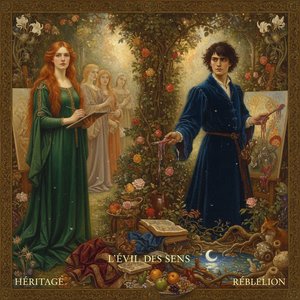
The Pre-Raphaelite Brotherhood: Reclaiming Beauty, Nature, and Truth in Victorian Art History
Explore the revolutionary Pre-Raphaelite Brotherhood. Discover how these visionary artists rejected academic tradition to reclaim beauty, nature, and truth through luminous detail and literary depth in Victorian art history.


