International Gothic · 1312
Window (სიმონე მარტინი, 1312)
სიმონე მარტინი (1284–1344)-მა შექმნა Window. ის შექმნილ არის 1312 წელს. ის International Gothic მიძღვნილ სტილს მიეკუთვნება. შესრულებულია Acrylic On Canvas-ით.
- 1312
- Acrylic On Canvas

 წინასწარი ნახვა

 ხელით შესრულებული ზეთប្រეწერი
 გაგზავნა
 გაზიარება
 გზამკვლევი


 ჩამოტვირთვა
 მსგავსები
 რენტგენოგრაფიული კვლევა
 სლაიდშოუ
 კითხვა-პასუხი

 სტატისტიკა
Window: ძირითადი ფაქტები
- სათაური
- Window
- ავტორი
- სიმონე მარტინი (1284–1344)
- ხატვის წელი და ადგილი
- სიენა, იტალია
- თარიღი
- 1312
- ტექნიკა
- Acrylic On Canvas
- მოძრაობა
- International Gothic
- სუბიექტი
- stained_glass, medieval_art, siena, martini, religious_imagery, italian_painting
რა არის გამოსახული Window-ში?
Simone Martini’s Window: A Fragment of Siena’s Gothic Soul
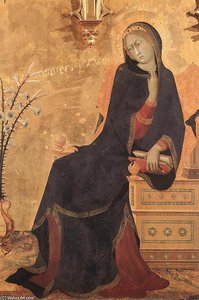
The painting “Window” by Simone Martini—a masterpiece executed in 1312—isn't merely an image; it’s a portal into the artistic fervor and spiritual contemplation of Siena during its zenith as a medieval principality. More than just depicting a simple architectural element, Martini transforms this commonplace feature into a vehicle for profound symbolism and masterful execution, embodying the very essence of International Gothic style. Its unassuming appearance belies the intricate artistry that defines it.- Subject Matter: The composition centers around a stained glass window—a motif prevalent in Sienese churches at the time—illuminated by diffused light. Within its frame are meticulously rendered figures, including human forms and avian creatures – doves symbolizing peace and divine grace – creating a harmonious blend of earthly and celestial realms.
- Style: Martini’s work exemplifies International Gothic style, characterized by delicate lines, luminous colors, and an emphasis on elegance and refinement. Unlike the harsher realism championed by Giotto di Bondone, Martini prioritizes beauty and expressive detail, prioritizing visual impact over strict anatomical accuracy. This stylistic choice reflects Siena's cultural aspirations during a period marked by papal patronage and artistic innovation.
- Technique: Martini employed tempera paint on panel—a technique favored for its vibrancy and durability—allowing him to achieve astonishing levels of color saturation and textural nuance. The artist’s meticulous layering of glaze, combined with painstaking attention to detail in rendering drapery folds and facial expressions, speaks volumes about his dedication to craftmanship.
Historical Context: Siena Under Papal Influence
Siena flourished as a center of papal diplomacy and artistic production during the early 14th century. The papacy actively encouraged artistic endeavors, fostering a competitive environment where artists like Martini sought to elevate their reputations through ambitious commissions—particularly those honoring religious saints. This patronage fueled stylistic experimentation and ensured that Siena’s art would resonate across Europe. Martini's "Window" stands as testament to this era of cultural dynamism and papal ambition.Symbolism: Light, Faith, and Divine Harmony
The window itself serves as a potent symbol—representing divine illumination and the gateway to spiritual understanding. The doves adorning the composition reinforce this theme, symbolizing purity, peace, and the Holy Spirit’s presence. Martini skillfully integrates these visual cues into a carefully balanced composition that reflects Siena's devout Catholic faith. The artist’s deliberate use of color—particularly blues and golds—further enhances the painting’s spiritual aura, conveying grandeur and transcendence.Emotional Impact: A Moment Frozen in Time
“Window” transcends mere representation; it evokes a feeling of serene contemplation and wonder. Martini's masterful rendering captures not only the visual beauty of the stained glass but also its emotional resonance—a reflection of Siena’s artistic spirit and its unwavering belief in divine grace. Viewing this artwork is akin to stepping back into a moment frozen in time, allowing oneself to be transported by the artistry and symbolism of a bygone era. It remains an enduring emblem of Gothic elegance and a captivating glimpse into the soul of medieval Siena.Window მაღალი გარ Auflხ résoudre-ში

სიმონე მარტინი, Window (1312). საჯარო საკუთრება
ციფრული ექსპერტი ადარებს ფერებს ორიგინალ ნაწერს და ამუშავებს ფაილს, რაც სრულად შეესაბამება მხატვრის ტექნიკას.
შეიძინეთ მაღალი გარ Auflusionის გამოსახულებაკითხვები Window-ის შესახებ
რა წელს შეიქმნა სიმონე მარტინი-ის „Window“?
სიმონე მარტინი-ის „Window“ შეიქმნა 1312 წელს.
რა ტექნიკით არის შექმნილი "Window"?
სიმონე მარტინი-მა „Window“-ის შესაქმნელად Acrylic On Canvas ტექნიკა გამოიყენა. აღნიშნული ტექნიკა განსაზღვრავს ორიგინალი ნამუშევრის მატერიალურ ბუნებას.
რას ეხება "Window"?
სიმონე მარტინი-ის „Window“-ში წარმოდგენილი თემები მოიცავს stained_glass, medieval_art, siena, martini, religious_imagery, italian_painting, figurative_composition-ს, რაც ერთობლიობაში ასახავს ნამუშევრის შინაარსს.
შეიძლება თუ არა სიმონე მარტინი-ის „Window“-ის გამოსახულების თავისუფლად რეპროდუცირება?
სიმონე მარტინი-ის „Window“ არის საჯარო საკუთრებაშია — საავტორო უფლებები ამოწდა. ეს სტატუსი განსაზღვრავს, თუ როგორ შეიძლება ნამუშევრის გამოსახულების რეპროდუცირება.
ვინ არის „Window“-ის ავტორი?
"Window" შექმნილია სიმონე მარტინი-ის მიერ. ამ გვერდზე მოცემული ინფორმაცია აღწერს სიმონე მარტინი-ის ორიგინალურ ნამუშევარს.
რომელ მხატვრულ მიმდევრობას წარმოადგენს სიმონე მარტინი-ის „Window“?
"Window" არის International Gothic სტილის ნამუშევარი. აღნიშნული მიმდინარეობა ასახავს იმ მხატვრულ ტრადიციას, რომლის ნაწილიცაა ეს ნამუშევარი.
სიმონე მარტინი-ის შემოქმედების რომელ პერიოდს მიეკუთვნება „Window“?
სიმონე მარტინი-ის შემოქმედების პერიოდში „Window“ Mature Period-ს მიეკუთვნება. ეს ფაზა საშუალებას გვაძლევს, იგი ხელოვანის სხვა ნამუშევრებს შევადაროთ.
რამდენი წლის იყო სიმონე მარტინი, როდესაც 1312 წელს შექმნა „Window“?
როდესაც 1312 წელს შექმნა „Window“, სიმონე მარტინი — რომელიც 1284-ში დაიბადა — 28 წლის იყო.
რას განმარტავს სიმონე მარტინი-ის „Window“-ის საავტორო უფლებებთან დაკავშირებული მდგომარეობა?
სიმონე მარტინი-ის „Window“ არის საჯარო საკუთრებაშია — საავტორო უფლებები ამოწდა. საავტორო უფლებების ვადა ითვლება ხელოვანის გარდაცვალებიდან, რომელიც მოხდა 1344 წელს.
ხელပاتარში: სიმონე მარტინი

1284–1344, იტალია
სიმონე მარტინი
A Sienese Master of Elegance and GraceSimone Martini, born around 1284 in the heart of Siena, Italy, stands as a pivotal figure in the transition from medieval to Renaissance art. He wasn’t merely a painter; he was an architect of elegance, a master of line and color who infused his works with a courtly refinement that distinguished him from contemporaries like Giotto di Bondone. While historical accounts vary regarding his early training—some suggest apprenticeship under Duccio di Buoninsegna, the leading Sienese artist of the time, while others point to Florence and the influence of Giotto—Martini undeniably forged a unique artistic path.The Flourishing of International GothicMartini’s style is immediately recognizable for its departure from the more monumental forms favored in Florence. He embraced a delicate sensibility, characterized by flowing lines, soft decorative details, and an overall sense of grace.
სიმონე მარტინი-ის შესახებ სიმონე მარტინი-ის გამორჩეული ნამუშევრები
ასევე სიმონე მარტინი-ის მიერ
 ანუნციაცია და ორი წმინდა1333
 გესტუაცია და ორი წმინდა (დეტალი)1333
 მ announced (ანუნციაცია) წმინდა მარგარითა და წმინდა ანსანუსით1333
 St Clare and St Elizabeth of Hungary1317
ესეები Window-ის შესახებ
 25 Masterpieces by Duccio di Buoninsegna: The Dawn of Sienese ArtJourney through the Sienese School with our curated guide to Duccio di Buoninsegna’s top 25 masterpieces. From the Maesta to iconic Madonna…
 From Gold to Gravity: Italo-Byzantine Style vs. the Proto-RenaissanceMaster the shift from Byzantine gold to Proto-Renaissance naturalism. Learn to spot the evolution of art history today.
 14th century Italian paintersMasterpieces by Giotto and Duccio define the Trecento era. Explore museum-quality reproductions on OriginalUniqueArt.com.