ნახვა ინტერьерში
 გაგზავნა
 გაზიარება
 დეტალები
 გზამკვლევი

 ჩამოტვირთვა
 მსგავსები
 რენტგენოგრაფიული კვლევა
 სლაიდშოუ
 სტატისტიკა
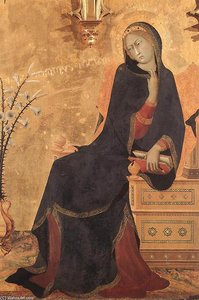
Entombment
 Acrylic On Canvas
- WallArt
- International Gothic
 1335
1335 22.0 x 15.0 cm
 Staatliche Museen
 სრული ტექსტის ნახვა
ხელით შესრულებული ზეთის საღებავით რეპროდუქცია
ტილოზე შესრულებული ფერწერიანი ზეთប្រდათი, თქვენთვის სასურველი ზომისა და ჩარჩოსთვის, ჩვენი ხელოვანების მიერ შეკვეთის საფუძველზე დამზადებული. ( გადართვა ბეჭდვის რეჟიმზე გადასვლა ციფრულ გამოსახულებაზე)




P118B ₾10

P118H ₾10

P118W ₾10

P438Z ₾10

P508JH ₾12

P508YH ₾12

P805H ₾10

P805Z ₾10

P919BZ ₾10

P919G ₾10

P919XJ ₾10

P959ZH ₾10

P968JZ ₾12

W106C ₾8

W218G ₾10

W218JH ₾8

W218Y ₾10

W307PJ ₾10

W316G ₾10

W316PJ ₾8

W316Y ₾10

W398PJ ₾8

W4111J ₾10

W500HY ₾15

W500JH ₾15

W692G ₾12

W849H ₾8

W940BG ₾15

W953PJ ₾8




აირჩიეთ ჩვენს მიერ წინასწარ განსაზღვრული ზომებიდან, რომლებიც ნაწარმოების ორიგინალურ პროპორციებს შეესაბამება.

შეიყვანეთ თქვენთვის საჭირო სიგანე და სიმაღლე, რათა ნახატი მოერგოს თქვენს ჩარჩოს ან კედელს. ვინაიდან ეს ნამუშევარი ხელით არის შესრულებული, სხვა ფორმის ზომის შემთხვევაში, მხატვარმა შესაძლოა სურათის გარშემო ოდნავ მეტი დატოვოს ან შეამციროს — არჩევანი თქვენზეა. დაწყებამდე, დასამტკიცებლად, ჩვენ გამოგიგზავნით ციფრულ მაკეტს. ამ გვერდზე ნაჩვენები სურათი არ ასახავს რეალურ შედეგს — რეალური სახე მხოლოდ მაკეტზე ჩანს.
შეკვეთის შემდეგ, OriginalUniqueArt.com გუნდი დაგიკავშირდებათ ელექტრონული ფოსტით ინსტრუქციებისთვის და გამოგიგზავნით წინასწარ ნახაზს (mockup).
მიწოდება მსოფლიო მასშტაბით -ში 3/4 კვირაში, სტანდარტული 5 კვირის ნაცვლად. (21 ოქტომბერი). ხარისხზე კომპრომისის გაკეთება არ მოხდება.

უფასო ექსპრეს მიწოდება მთელ მსოფლიოში

მაღალი ხარისხის ტილო

ტრანსპორტირების სრული დაზღვევა

საბაჟო გადასახადების დაბრუნების გარანტია

ფერების სრული შესაბამისობის გარანტია

დაბრუნების 100-დღიანი პერიოდი (მხოლოდ წარმოების დეფექტის შემთხვევაში)

100% თანხის სრული დაბრუნების გარანტია

ფასდაკლება დიდი რაოდენობით შეკვეთისას
 მინის ჩარჩოს არჩევანი ხელმისაწვდომია მხოლოდ 110 სმ-მდე ზომისთვის

Entombment
რეპროდუქციის ტექნიკა
რეპროდუქციის ზომა
-


ჯამური ღირებულება
₾ 782
A Moment Frozen in Time: Simone Martini’s Entombment
Simone Martini's *Entombment*, completed around 1335-44, transcends mere depiction; it embodies the spiritual fervor and artistic sophistication of Siena during its golden age. This tempera painting on wood—measuring a modest 22 x 15 cm—holds an unparalleled significance within the Early Italian Gothic tradition, securing its place as one of the most celebrated artworks of the period. Currently housed in the Staatliche Museen Berlin, it invites viewers to contemplate not just a biblical scene but also the profound artistic vision of Martini himself.The Scene Unfolds: Narrative and Composition
The painting portrays Jesus Christ being laid into his tomb by Mary Magdalene and Nicodemus—a pivotal moment recounted in Matthew 27:58-60. Martini meticulously captures the solemnity of the occasion, arranging figures within a carefully constructed space dominated by towering cypress trees that symbolize immortality and remembrance. The composition is deliberately balanced, guiding the eye across the scene with subtle diagonals and converging lines, creating an atmosphere of profound grief and reverence. Notice how Martini skillfully employs shading to sculpt the forms of Jesus’ body and the mourners, conveying both physicality and emotional depth—a hallmark of Martini's distinctive style.Technique and Artistic Innovation
Martini’s mastery lies in his meticulous application of tempera paint on wood – a technique favored by Sienese artists during this era. Tempera pigments bind to the surface without solvents, resulting in vibrant colors that retain their luminosity over centuries. Martini's painstaking layering of translucent glazes—particularly noticeable in Jesus’ face and hands—creates an ethereal quality, capturing the subtle nuances of light and shadow. This technique distinguishes Martini from his predecessors like Giotto di Bondone, who favored a more flattened perspective, elevating *Entombment* to a pinnacle of artistic innovation. The artist's attention to detail extends beyond mere representation; he imbues every element with symbolic significance.Symbolism: Trees of Remembrance and Spiritual Reflection
The cypress trees surrounding the tomb are laden with symbolism—representing eternal life and commemorating the deceased. Their upward reaching branches mirror Jesus’ ascension into heaven, reinforcing the overarching theme of resurrection and divine grace. Furthermore, Martini's depiction of Mary Magdalene and Nicodemus reflects the theological concerns of the time – specifically, the contemplation of Christ’s suffering and sacrifice for humanity’s salvation. The figures are rendered with exquisite realism, yet imbued with an aura of spiritual solemnity, prompting viewers to engage in introspection and contemplate the mysteries of faith.Emotional Resonance: A Window into Medieval Spirituality
*Entombment* resonates powerfully with audiences today due to its ability to evoke a deep sense of empathy and contemplation. Martini’s masterful use of color—primarily blues and reds—creates an emotionally charged atmosphere, mirroring the grief experienced by those present at Jesus' burial. The painting serves as a testament to the enduring power of religious art to communicate profound spiritual truths—a legacy that continues to inspire artists and collectors alike. Its serene beauty and meticulous craftsmanship offer a captivating glimpse into the artistic sensibilities of Siena during its illustrious medieval period.კითხვები და პასუხები
რა არის ძირითადი ფერი, რომელიც სიმე მართინი-ის „Entombment“-ში დომინირებს?
სიმე მართინი-ის „Entombment“-ში დომინირებს Amber to Saffron ტონალობა.
როგორ არის აღწერილი სიმე მართინი-ის „Entombment“ პალიტრა?
სიმე მართინი-ის „Entombment“ იყენებს Earthy ფერების პალიტრას. ეს პალიტრა ასკლერავს ნამუშევრის საერთო ფეროვან ხასიათს.
რა პროპორციები აქვს სიმე მართინი-ის „Entombment“-ს და რა ზომის არის იგი?
სურათის "Entombment" ფორმატი არის Portrait, ხოლო ორიგინალის ზომა შეადგენს 22 x 15 cm-ს. ორივე მათგანი სასარგებლოა რეპროდუქციის დაგეგმვისას.
მხატვრის ბიოგრაფია
A Sienese Master of Elegance and Grace
Simone Martini, born around 1284 in the heart of Siena, Italy, stands as a pivotal figure in the transition from medieval to Renaissance art. He wasn’t merely a painter; he was an architect of elegance, a master of line and color who infused his works with a courtly refinement that distinguished him from contemporaries like Giotto di Bondone. While historical accounts vary regarding his early training—some suggest apprenticeship under Duccio di Buoninsegna, the leading Sienese artist of the time, while others point to Florence and the influence of Giotto—Martini undeniably forged a unique artistic path.
The Flourishing of International Gothic
Martini’s style is immediately recognizable for its departure from the more monumental forms favored in Florence. He embraced a delicate sensibility, characterized by flowing lines, soft decorative details, and an overall sense of grace. This aesthetic wasn’t born in isolation; it was profoundly influenced by external forces. The Via Francigena, a major pilgrimage route traversing Europe, brought with it artistic currents from France—particularly the refined elegance of French manuscript illumination and ivory carving. These influences are readily apparent in Martini’s work, manifesting as intricate patterns, elongated figures, and a heightened attention to surface ornamentation. He didn’t simply copy these styles; he synthesized them with existing Sienese traditions, creating something entirely new.
From Siena to Avignon: A Courtly Appointment
Martini's reputation extended beyond the borders of Italy, leading to a significant turning point in his career. In 1336, he accepted a commission from Pope Benedict XII to create frescoes for the Papal Palace in Avignon, France—a move that placed him at the heart of European power and patronage. This appointment wasn’t merely about artistic skill; it was a testament to Martini’s ability to cater to the tastes of a sophisticated courtly audience. While in Avignon, he entered into a remarkable intellectual circle, befriending Francesco Petrarca—better known as Petrarch, the renowned humanist poet. The connection with Petrarch is particularly poignant, as Vasari and other sources suggest that Martini painted a portrait of Laura de Noves, Petrarch’s lifelong muse. Though the portrait itself is lost to time, its very existence speaks volumes about Martini's status as a celebrated artist capable of capturing not only physical likeness but also the essence of beauty and inspiration.
Notable Works
Martini’s oeuvre encompasses a remarkable range of artistic achievements—demonstrating his mastery across diverse mediums. Among his most iconic creations are Saint Louis Crowning Robert, painted in Naples during his travels; the magnificent Saint Catherine of Alexandria Polyptych, showcasing unparalleled skill in polychromy and compositional innovation; and the luminous frescoes adorning San Francesco d’Assisi—a testament to Martini's ability to elevate religious imagery into sublime visual poetry. Furthermore, his contribution to Florentine art is undeniable, particularly his involvement in the decoration of Palazzo Vecchio—where he collaborated with Lippo Memmi on a monumental altarpiece that embodies the spirit of the International Gothic style.
Legacy and Enduring Influence
Simone Martini’s impact on the development of European art cannot be overstated. He played a crucial role in disseminating the International Gothic style—a movement characterized by its elegance, refinement, and emphasis on decorative detail—across the continent. His influence extended to generations of artists who followed, shaping the course of late medieval and early Renaissance painting. Martini’s work wasn’t simply about technical skill; it was about creating a visual language that resonated with the sensibilities of his time—a language of beauty, grace, and spiritual devotion. Even today, his paintings continue to captivate viewers with their exquisite detail, harmonious compositions, and enduring sense of elegance. His frescoes in San Francesco d’Assisi demonstrate his mastery of large-scale decorative painting, while works like the Annunciation exemplify Martini's ability to depict complex scenes with clarity and grace—a legacy that continues to inspire awe and admiration centuries later.

სიმე მართინი
1284 - 1344 , მალტა
მოკლე ფაქტები
- Artistic Movement Or Style: สไตล์กอทธิกนานาชาติ
- Artists Who Influenced This Artist:
- ดูชิโอ ดิ บูโอเนอเซกา
- จิออตโต ดิ บอนโดเน
- Date Of Birth: ค.ศ. 1284
- Date Of Death: ค.ศ. 1344
- Full Name: Simone Martini
- Nationality: อิตาลี
- Notable Artworks:
- พระเจ้าลูอิส์ทรงคราวน์โรเบิร์ตต์แห่งแอนโฮว์
- ปอลลิเทคห์เซนต์แคเธอรีน
- ภาพเขียนนักบุญแมรกาเร็ตและเซนต์แอนซานัส
- Place Of Birth: เซยี่นา, ประเทศอิตาลี
მსგავსი სტატიები

Beyond Borders: The Spiritual & Stylistic Innovations of International Gothic Art
Explore the exquisite beauty & spiritual depth of International Gothic art. Discover key artists like Simone Martini & Pol de Limbourg, its origins, symbolism, and lasting influence on European painting. Expert insights at OriginalUniqueArt.
Shadows & Splendor: A Journey Through the Soul of Gothic Art and Architectural Grandeur
Embark on a profound journey through the spiritual intensity of Gothic art. Explore the architectural marvels, luminous stained glass, and sacred sculptures that define this era of grandeur and human devotion.

Gothic Vibes: From Dark Shadows to Bold Modern Edge | The Ultimate Trend Forecast
Explore the evolution of Gothic vibes, from historical shadows to bold modern edge. Discover how dark aesthetics, noir interiors, and contemporary subcultures are redefining modern design through a high-impact, trend-focused lens.

Simone Martini: Innovation, Spirituality & Courtly Refinement in Sienese Painting
Explore the captivating world of Simone Martini, a pivotal figure in Sienese painting & the International Gothic style. Discover his innovative techniques, spiritual depth, and lasting influence on early Renaissance art.
The Radiant Dusk of Medieval Vision: Exploring Late Gothic Art's Synthesis of Faith, Form & Emotionality (c. 1300-1500)
Explore the exquisite beauty & spiritual depth of Late Gothic art (c. 1300-1500). Discover key artists, symbolism, and its lasting influence on the Renaissance. Expert insights at OriginalUniqueArt.