ნახვა ინტერьерში
 გაგზავნა
 გაზიარება
 დეტალები
 გზამკვლევი

 ჩამოტვირთვა
 მსგავსები
 რენტგენოგრაფიული კვლევა
 სლაიდშოუ
 სტატისტიკა
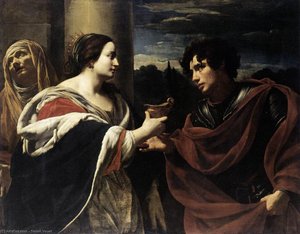
Gaucher de Châtillon, Connétable
 Oil On Canvas
- WallArt
- Baroque Painting
 1632
1632 218.0 x 137.0 cm
 ლუვრის მუზეუმი
 სრული ტექსტის ნახვა
გიკლე / ხელოვნების პრინტი
მუზეუმის დონის ჟიკლე ან ტილოზე ბეჭდვა სწრაფი წარმოებისა და დასრულების მოქნილი ვარიანტებით. ( შეიძინეთ ხელით შესრულებული ნახატი გადასვლა ციფრულ გამოსახულებაზე)




P118B ₾10

P118H ₾10

P118W ₾10

P438Z ₾10

P508JH ₾12

P508YH ₾12

P805H ₾10

P805Z ₾10

P919BZ ₾10

P919G ₾10

P919XJ ₾10

P959ZH ₾10

P968JZ ₾12

W106C ₾8

W218G ₾10

W218JH ₾8

W218Y ₾10

W307PJ ₾10

W316G ₾10

W316PJ ₾8

W316Y ₾10

W398PJ ₾8

W4111J ₾10

W500HY ₾15

W500JH ₾15

W692G ₾12

W849H ₾8

W940BG ₾15

W953PJ ₾8




აირჩიეთ ჩვენს მიერ წინასწარ განსაზღვრული ზომებიდან, რომლებიც ნაწარმოების ორიგინალურ პროპორციებს შეესაბამება.

შეიყვანეთ თქვენთვის საჭირო სიგანე და სიმაღლე, რათა იგი მოერგოს თქვენს ჩარჩოს ან კედელს. ბეჭდვისას შესაძლებელია მხოლოდ მისი შემცირება და არა გაზრდა, ამიტომ სხვა ფორმის ზომის შემთხვევაში გამოსახულება ნაწილობრივ იკარგება. სანამ რაიმეს დაბეჭდავთ, ჩვენ გამოგიგზავნით ციფრულ მაკეტს დასდასტურებლად. ამ გვერდზე ნაჩვენები სურათი არ ასახავს რეალურ ჭრას — ამას მხოლოდ მაკეტი გვიჩვენებს.
მიწოდება მთელ მსოფლიოში () 2 კვირაში, სტანდარტული 4/5 კვირის ნაცვლად. (21 ოქტომბერი)

უფასო ექსპრეს მიწოდება მთელ მსოფლიოში

მაღალი ხარისხის ტილო

ტრანსპორტირების სრული დაზღვევა

საბაჟო გადასახადების დაბრუნების გარანტია

ფერების სრული შესაბამისობის გარანტია

დაბრუნების 100-დღიანი პერიოდი (მხოლოდ წარმოების დეფექტის შემთხვევაში)

100% თანხის სრული დაბრუნების გარანტია

ფასდაკლება დიდი რაოდენობით შეკვეთისას
 მინის ჩარჩოს არჩევანი ხელმისაწვდომია მხოლოდ 110 სმ-მდე ზომისთვის

Gaucher de Châtillon, Connétable
გიკლე / ხელოვნების პრინტი
რეპროდუქციის ზომა
-


ჯამური ღირებულება
₾ 209
A Noble Portrait in Baroque Grace: Simon Vouet’s Gaucher de Châtillon
Simon Vouet's "Gaucher de Châtillon, Connétable" – painted in 1632 – is more than just a portrait; it’s a meticulously crafted window into the heart of 17th-century French nobility and the burgeoning Baroque artistic movement. The painting depicts Gaucher V de Châtillon, a pivotal figure in French history as Constable of Champagne and later Constable of France, rendered with an arresting blend of realism and idealized elegance. Vouet, a key figure in transitioning French art from Mannerism to the dramatic flair of the Baroque, masterfully captures not just the subject’s likeness but also his status, bearing, and a subtle air of contemplative dignity.
The composition itself is carefully orchestrated. Gaucher dominates the frame, positioned slightly off-center, lending him an approachable yet undeniably regal presence. His gaze, directed towards the viewer with a quiet intensity, invites engagement. The rich fabrics – the deep blue doublet and flowing orange robe – are rendered with astonishing detail, showcasing Vouet’s skill in capturing texture and light. Notice how the folds of the garments seem to ripple and move, creating a dynamic sense of volume that elevates the portrait beyond a static representation.
The Baroque Palette and Painterly Technique
Vouet's mastery lies not only in his ability to depict form but also in his innovative use of color and technique. He moved away from the flat, stylized approaches of earlier Renaissance portraiture, embracing a more atmospheric and luminous style influenced by his time spent in Italy. The painting’s palette is dominated by earthy tones – ochres, browns, and deep reds – creating a sense of warmth and gravitas. However, these are punctuated with vibrant blues and subtle greens, particularly in the landscape backdrop, adding depth and visual interest.
Vouet employed a technique known as “alla prima,” meaning he painted directly onto the canvas without extensive underdrawing or layering. This resulted in a remarkably smooth surface and a sense of immediacy. The brushstrokes are visible yet controlled, contributing to the painting’s overall richness and texture. He skillfully used light and shadow – *chiaroscuro* – to sculpt Gaucher's features and create a three-dimensional effect, further enhancing his presence within the scene.
Historical Context: A Nobleman in Turbulent Times
To fully appreciate “Gaucher de Châtillon,” it’s essential to understand its historical context. The painting was created during a period of significant political and social upheaval in France – the reign of Louis XIII and the rise of Cardinal Richelieu, who commissioned many portraits for his collection. Gaucher himself played a crucial role in French politics, serving as Constable during a time of war and instability. His position demanded both military prowess and diplomatic skill.
The inclusion of a landscape – rolling hills under a cloudy sky – subtly reinforces this historical setting. It’s not merely decorative; it provides a sense of place and suggests the challenges faced by Gaucher in his role as a protector of the realm. The painting, therefore, becomes a visual testament to both an individual's life and the broader currents of French history.
Symbolism and Emotional Resonance
Beyond its historical significance, “Gaucher de Châtillon” is rich in symbolic meaning. The noble attire signifies his status and authority, while the contemplative expression suggests a man burdened by responsibility yet possessing inner strength. The composition itself – with Gaucher centrally positioned – conveys a sense of dignity and importance.
Ultimately, Vouet’s portrait transcends mere likeness; it captures something deeper—the essence of a nobleman navigating a complex world. It's a powerful image that speaks to themes of leadership, duty, and the enduring legacy of a remarkable figure in French history. Reproductions of this masterpiece offer a captivating glimpse into a bygone era, inviting viewers to contemplate the artistry and historical significance of this exceptional work.
კითხვები და პასუხები
არის თუ არა სიმონ ვუე-ის „Gaucher de Châtillon, Connétable“ Baroque Painting მიმდევრობის ერთ-ერთი ყველაზე მოთხოვნადი ნამუშევარი?
Baroque Painting მიმდინარეობის ფარგლებში, ნამუშევარი „Gaucher de Châtillon, Connétable“ ფლობს Recognized პოპულარობის დონეს.
რა არის სიმონ ვუე-ის „Gaucher de Châtillon, Connétable“-ის ფეროვანი იდენტობა?
სიმონ ვუე-ის „Gaucher de Châtillon, Connétable“ იყენებს Earthy პალიტრას, სადაც დომინანტური ფერი Gray (#826c5b)-ია.
არსებობს თუ არა მსგავსი ნამუშევრები, როგორც "Gaucher de Châtillon, Connétable"?
სიმონ ვუე-ის „Gaucher de Châtillon, Connétable“-ის მსგავსი ნამუშევრები გვერდი წარმოგიდგენთ მსგავს ნამუშევრებს.
მხატვრის ბიოგრაფია
სიმონ ვუე და ფრანგული ბაროკოს პიონერი
- დაბადება: 9 იანვარი, 1590, პარიზი, საფრანგეთი
- სიცოცხლის ბოლომდე: 30 ივნისი, 1649, პარიზი, საფრანგეთი
სიმონ ვუე იყო გადამწყვეტი ფიგურა ფრანგული მხატვრობის მანიერიზმიდან ბაროკოს სტილში გარდამავალ პროცესში. ის დაიბადა ხელოვნების ოჯახში – მისი მამა, ლორანტი, მხატვარი იყო და ძმა, აუბინი, ასევე ხელოვნებას ეწეოდა – ვუემ ადრეული ტრენინგი მიიღო, რამაც საფუძველი ჩაუყარა მის მომავალ წარმატებას. მისი შვილიშვილი, ლუდოვიკო დორინი, გააგრძელებდა ოჯახის მხატვრულ მემკვიდრეობას.
ადრეული კარიერა და იტალიური გავლენები (1608-1627)
- ადრეული პორტრეტები: ვუემ თავდაპირველად პორტრეტისტი იყო, რამაც ადრეულ ნიჭს გამოავლინა.
- ጉზაგიკრები ინგლისში (1608): ახალგაზრდა ასაკში, 14 წლის ასაკში, ის ინგლისში გაემგზავრა და შეუკვეთა პორტრეტის დახატვა, რამაც გამოავლინა მისი მზარდი რეპუტაცია.
- ოსმალეთსა და ვენეციაში: 1611 წელს, ვუე შეუერთდა ბარონ დე სანკის თანმرافკლებს, რომელიც ფრანგული ელჩი იყო ოსმალურ იმპერიაში, კვლავ პორტრეტების დასახატავად. ამ მოგზაურობამ გაიყვანა კონსტანტინოპოლში და შემდეგ ვენეციაში 1612 წელს.
- რომი (1614-1627): რომში მისი ყოფნა გარდამქმნელი აღმოჩნდა. მან იქ დარჩა თრამეტი წლის განმავლობაში, ჩაფლული ახალგაზრდა ბაროკოს პერიოდის მდიდარი მხატვრულ სივრცეში.
იტალიურ ყოფნისას ვუემ შერწყმა სხვადასხვა გავლენის ნაკადებში. მან შეისწავლა კარავაჯოს მიერ დაწყებული დრამატული განათების ტექნიკები, გააცოცხლა იტალიური მანიერიზმის ელემენტები და ყურადღებით გაანალიზა პაოლო ვერონესის მიერ გამოყენებული ფერთა პალიტრები და di sotto in su (გადმოწეული პერსპექტივა). ის ასევე შთააგონდა კარაკჩის, გუერჩინოს, ლანフランკოსა და გუიდო რენის ნამუშევრებიდან, და ამ მრავალფეროვან სტილებს უნიკალურ მხატვრულ ხედვაში გააერთიანა.
ვუეს გამორჩეული სტილის განვითარება
- მიღება სან ლუკოს აკადემიაში (1624): რომში მისი წარმატებამ წამოიწყო მის არჩევნად პრესტიჟულ სან ლუკოს აკადემიაში ხელმძღვანელად, რაც მისი უნარებისა და აღიარების დასტური იყო იტალიურ სამხატვრულ სამყაროში.
- გავლენების სინთეზი: ვუეს სტილი გამოირჩეოდა სხვადასხვა მხატვრულ გავლენას შთანთქმისა და დახვეწის უნარით. მან უბრალოდ არ გააკოპირა; ამ ელემენტებს ინტეგრირდა კოჰეზიურ და განსაკუთრებით იტალიური ბაროკოს ესთეთიკაში.
- ბაროკოს შემოტანა საფრანგეთში: 1627 წელს დაბრუნების შემდეგ, ვუემ გადამწყვეტი როლი ითამაშა იტალიური ბაროკოს სტილის ფრანგულ მხატვრობაში შემოტანაში, რამაც მნიშვნელოვნად დაარტყა ქვეყნის მხატვრულ ლანდშაფტს.
მთავარი მიღწევები და მემკვიდრეობა
- ფრანგეთის მეფის პირველი მხატვარი: ვუე დანიშნეს Premier peintre du Roi (მეფის პირველ მხატვარად) – პოზიცია დიდი პრესტიჟისა და გავლენის მქონე.
- პროდუქტიული სახელოსო: მან შენარჩუნდა დიდი და აქტიური სახელოსო, სადაც გაწვრთნა უამრავი მხატვარი, რომლებმაც ჩამოაყალიბეს ფრანგელი მხატვრების მომავალი თაობა.
- შენიშნული მოწაფეები: მისი ყველაზე გავლენიანი მოწაფეებს შორის იყვნენ შარლ ლე ბრუნი (რომელმაც მოგვიანებით ორგანიზება გაუკეთა ყველა დეკორატიულ მხატვრობას ვერსალში), ვალენტინ დე ბულონი, შარლ ალფონსი დუ ფრენოი, პიერ მიგნარდი, ეუსტაშ ლე სური და კлод მელანი.
- გავლენა ფრანგულ ხელოვნებაზე: ვუეს გავლენა არ შემოიფარგლებოდა საკუთარი ნამუშევრებით; მისმა სტუდენტებმა ესტილი და ტექნიკები მთელი საფრანგეთი გადაიტანეს, რამაც განსაკუთრებულად ბაროკოს სკოლა შექმნა. მისი გავლენა განსაკუთრებით თვალსაჩინოა ლუი XIV-ის მიერ დანიშნულ დიდ დეკორატიულ კომპლექსებში.
ისტორიული მნიშვნელობა
სიმონ ვუეს მემკვიდრეობა ეფუძნება მის გადამწყვეტ როლს იტალიურსა და ფრანგულ ხელოვნებას შორის ხიდის ფუნქციაში. მან წარმატებით იმპორტია იტალიური ბაროკოს დინამიურობა და დიდებულება, აქცევს მას ისეთ სტილად, რომელიც რეზონანსს უქმნიდა ფრანგული კორტისა და არისტოკრატიის გემოვნებას. მისი გავლენა უდავოა 17 საუკუნეში ფრანგული მხატვრობის განვითარებაზე და მისი წვლილი დღესაც აღიარებულია ხელოვნებათ ისტორიკოსების მიერ.

სიმონ ვუე
1590 - 1649
მოკლე ფაქტები
- Artistic Movement Or Style: ბاروკე პერფორმანსი
- Artists Or Movements Influenced By This Artist:
- შარლ ლ ბრუნი
- ვალენტინ დე ბულონი
- ფრანგული ბაროკო პერფორმანსი
- Artists Who Influenced This Artist:
- კარავაჯო
- पाოლო ვერონეზე
- კარაკი
- გუერჩინო
- ლანフランკო
- გუიდო რენი
- Date Of Birth: 1590 წლის 9 იანვარი
- Date Of Death: 1649 წლის 30 ივნისი
- Full Name: სიმონ ვუეტი
- Nationality: ფრანგული
- Place Of Birth: პარიზი, საფრანგეთი
მსგავსი სტატიები

ბაროკოს დრამა: ოპულენტურობის და ემოციების შემოტანა თანამედროვე ინტერიერებში
აღმოაჩინეთ ბაროკოს ხელოვნების ოპულენტურობა OriginalUniqueArt-ში! რეკონსტრუქციები, პორტრეტები და ინდივიდუალური შეკვეთები. პროფესიონალური კონსულტაცია თქვენი სახლისთვის.

ბարოკოს ეტალონები: 10 შედევრი, რომელმაც განსაზღვრა ეს სტილი | OriginalUniqueArt
აღმოფრთოვანდით ბაროკოს ეპოქის 10 უმშვენიერეს შედევრთან! კარავაჯო, რემბრანდტი და ვერმეერი – გი tanıtեք ამ დიდებულ ხელოვანებს. იხილეთ მათი საუკეთესო ნაშრომები და შექმენით თქვენი სახლისთვის უნიკალური დეკორი OriginalUniqueArt-თან!

ფრანცისკო გოიას 25 შედევრი: ხელოვნების ისტორიაში გამორჩეული ნაწარმოებები | OriginalUniqueArt.com
გაიცანით ფრანცისკო გოიას 25 გამორჩეული შედევრი! რომანტიზმის ბრწყინვალე წარმომადგენლის ტილოები, ისტორიული სიღრმე და განსაცვიფრებელი სილამაზე. შეიძინეთ ხელოვნების რეკონსტრუქციები OriginalUniqueArt.com-ზე და შექმენით თქვენი ოცნების ინტერიერი.

About Us
Discover our story! We bring world-class art into your life through expert curation, personalized creations, and free previews. Trusted by individuals and businesses since 2000.

Simon Vouet: A Baroque Master's Journey from Italian Influence to French Classicism
Explore the life & art of Simon Vouet, a pivotal French Baroque painter who introduced Italian styles to France. Discover his masterpieces and lasting influence on 17th-century art.