ნახვა ინტერьерში
 გაგზავნა
 გაზიარება
 დეტალები
 გზამკვლევი

 ჩამოტვირთვა
 მსგავსები
 რენტგენოგრაფიული კვლევა
 სლაიდშოუ
 კითხვა-პასუხი
 სტატისტიკა
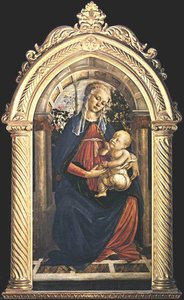
The Annunciation


 სრული ტექსტის ნახვა
გიკლე / ხელოვნების პრინტი
მუზეუმის დონის ჟიკლე ან ტილოზე ბეჭდვა სწრაფი წარმოებისა და დასრულების მოქნილი ვარიანტებით. ( შეიძინეთ ხელით შესრულებული ნახატი გადასვლა ციფრულ გამოსახულებაზე)




P118B ₾10

P118H ₾10

P118W ₾10

P438Z ₾10

P508JH ₾12

P508YH ₾12

P805H ₾10

P805Z ₾10

P919BZ ₾10

P919G ₾10

P919XJ ₾10

P959ZH ₾10

P968JZ ₾12

W106C ₾8

W218G ₾10

W218JH ₾8

W218Y ₾10

W307PJ ₾10

W316G ₾10

W316PJ ₾8

W316Y ₾10

W398PJ ₾8

W4111J ₾10

W500HY ₾15

W500JH ₾15

W692G ₾12

W849H ₾8

W940BG ₾15

W953PJ ₾8




აირჩიეთ ჩვენს მიერ წინასწარ განსაზღვრული ზომებიდან, რომლებიც ნაწარმოების ორიგინალურ პროპორციებს შეესაბამება.

შეიყვანეთ თქვენთვის საჭირო სიგანე და სიმაღლე, რათა იგი მოერგოს თქვენს ჩარჩოს ან კედელს. ბეჭდვისას შესაძლებელია მხოლოდ მისი შემცირება და არა გაზრდა, ამიტომ სხვა ფორმის ზომის შემთხვევაში გამოსახულება ნაწილობრივ იკარგება. სანამ რაიმეს დაბეჭდავთ, ჩვენ გამოგიგზავნით ციფრულ მაკეტს დასდასტურებლად. ამ გვერდზე ნაჩვენები სურათი არ ასახავს რეალურ ჭრას — ამას მხოლოდ მაკეტი გვიჩვენებს.
მიწოდება მთელ მსოფლიოში () 2 კვირაში, სტანდარტული 4/5 კვირის ნაცვლად. (5 ნოემბერი)

უფასო ექსპრეს მიწოდება მთელ მსოფლიოში

მაღალი ხარისხის ტილო

ტრანსპორტირების სრული დაზღვევა

საბაჟო გადასახადების დაბრუნების გარანტია

ფერების სრული შესაბამისობის გარანტია

დაბრუნების 100-დღიანი პერიოდი (მხოლოდ წარმოების დეფექტის შემთხვევაში)

100% თანხის სრული დაბრუნების გარანტია

ფასდაკლება დიდი რაოდენობით შეკვეთისას
 მინის ჩარჩოს არჩევანი ხელმისაწვდომია მხოლოდ 110 სმ-მდე ზომისთვის

The Annunciation
გიკლე / ხელოვნების პრინტი
რეპროდუქციის ზომა
-


ჯამური ღირებულება
₾ 210
The Annunciation: A Florentine Echo of Divine Grace
Sandro Botticelli’s “Annunciation,” painted between 1489 and 1490, is more than just a depiction of a pivotal biblical moment; it's a shimmering distillation of the Early Renaissance spirit – a harmonious blend of classical ideals, burgeoning humanism, and profound spiritual contemplation. This exquisite tempera panel, now housed within the Uffizi Gallery in Florence, invites us into a serene Florentine setting where the angel Gabriel delivers the momentous news to Mary, marking the beginning of her divine journey. The painting’s enduring appeal lies not only in its technical mastery but also in its ability to evoke a sense of quiet reverence and timeless beauty.
Botticelli masterfully employs a classical style reminiscent of his teacher, Fra Filippo Lippi, yet imbues it with a distinctly Florentine sensibility. The composition centers around the angel Gabriel, rendered with an almost ethereal grace – his pose is deliberately off-center, drawing our eye and creating a dynamic balance within the scene. Behind him unfolds a landscape subtly suggestive of Florence itself: a distant hill, reminiscent of the Boboli Gardens, and architectural elements hinting at a building facade, grounding the divine narrative in a recognizable earthly realm. The use of smooth, flowing lines, particularly evident in the drapery and the delicate folds of Gabriel’s wings, creates a sense of movement and effortless elegance. Shapes are largely organic – rounded forms for the body and drapery, contrasted with the geometric precision of the architectural background – a testament to Botticelli's careful observation of nature and his desire to capture its inherent beauty.
A Symphony of Color and Technique
Botticelli’s technique is characterized by a remarkable subtlety and restraint. The painting is executed in tempera on wood, a medium known for its luminous quality and ability to achieve delicate details. He skillfully utilizes *chiaroscuro*, though subtly, to model the figures and create a sense of volume – the soft light illuminating Gabriel’s face and drapery contrasts with the deeper shadows that define Mary's form. The pigments themselves are primarily earth-based, lending the work a rich, warm palette—ochres, siennas, and umbers dominate, creating an atmosphere of quiet solemnity. The slightly layered textures, characteristic of fresco painting (though applied to panel here), suggest the artist’s meticulous brushwork and his dedication to capturing the nuances of light and shadow.
Notably, Botticelli employed a technique known as *incision*, carefully cutting lines into the wood panel itself. These incised lines, visible upon close inspection, not only strengthened the structure but also served to define shapes and create a sense of depth – a sophisticated approach that was particularly prevalent in Florentine painting during this period. The use of gold leaf, though perhaps less pronounced than in some contemporary works, adds a touch of celestial radiance to Gabriel’s wings and certain architectural details, further emphasizing the divine nature of the event.
Symbolism and Spiritual Resonance
Beyond its aesthetic beauty, “The Annunciation” is rich in symbolic meaning. The pose of Gabriel, with his hands folded in prayer or contemplation, immediately conveys a sense of reverence and solemnity. Mary’s kneeling posture, her head bowed in humility, underscores the magnitude of the announcement she receives. The setting itself—a simple, yet elegant interior—represents the sanctity of her home and the quiet intimacy of this momentous encounter. The distant landscape, with its subtle references to Florence, serves as a reminder that even within the divine realm, earthly concerns and beauty still hold significance.
Furthermore, the painting’s composition echoes classical ideals of harmony and proportion. The use of one-point perspective creates a sense of depth and spatial coherence, drawing the viewer into the scene and inviting contemplation. The Annunciation, therefore, is not merely a representation of a biblical event; it's an embodiment of Renaissance values—a celebration of beauty, grace, and spiritual devotion. It’s a window into a world where art and faith converged to create something truly transcendent.
A Timeless Masterpiece – Perfect for Reproduction
OriginalUniqueArt offers meticulously crafted hand-painted reproductions of Botticelli's “Annunciation,” capturing the essence of this iconic masterpiece with unparalleled fidelity. Whether you’re an art collector, a design enthusiast seeking to infuse your space with timeless elegance, or simply someone captivated by the beauty of Renaissance art, our reproductions provide a stunning and authentic way to experience this extraordinary work. Each reproduction is created using archival-quality materials and techniques, ensuring that it will retain its vibrant colors and exquisite detail for generations to come. Explore our collection today and bring the serenity and grace of “The Annunciation” into your home.
კითხვები და პასუხები
სად და რა დანიშნულებისთვის არის რეკომენდებული "The Annunciation"?
სანდრო ბოტეჩელი-ის „The Annunciation“ რეკომენდებულია Statement-ისთვის, იდეალურ შემთხვევაში კი Living Room-ში დასამონტაჟებლად. გამოყენების დანიშნულება და სივრცე ერთობლივად განსაზღვრავს, თუ სად მოუხდება რეკრედუქცია საუკეთესოდ განთავსებას.
რა ატმოსფერო აქვს ნამუშევარს „The Annunciation“?
სანდრო ბოტეჩელი-ის „The Annunciation“-ის საერთო განწყობა არის Calm. ეს განწყობა ნამუშევრის ზოგად ატმოსფეროს აღწერს.
რა არის სანდრო ბოტეჩელი-ის „The Annunciation“-ის ფეროვანი იდენტობა?
სანდრო ბოტეჩელი-ის „The Annunciation“ იყენებს Pastels პალიტრას, სადაც დომინანტური ფერი Rosy Brown (#cdb477)-ია.
მხატვრის ბიოგრაფია
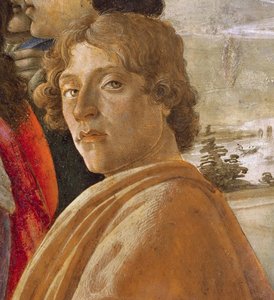
სანდრო ბოტეჩელი: ფლორენტიის რენესანსის ელეგანტური ხატოვანი
ალესან্দ্রო დი მარიანო ფილიპეპი, უფრო ცნობილი როგორც სანდრო ბოტეჩელი (დაახლოებით 1445-1510), იყო ფლორენტიის სკოლის ერთ-ერთი უდიდესი მხატვარი ადრეული რენესანსის პერიოდში. მისი ცხოვრება მჭიდროდაა დაკავშირებული ფლორენციის ხელოვნებისა და საზოგადოების განვითარებასთან, რაც მის შემოქმედებაშიც აშკარად ჩანს. ბოტეჩელის ოჯახი, რომელიც თავიდან ოქრომჭედელს ეკუთვნოდა, შემდეგ კი ტანის დამპროცებელს, უქმნიდა საფუძველს ხელოსნობრივ და დეტალებზე ყურადღების გამრავლების განწყობას, რაც მხატვრის შემოქმედებაში გამოვლინდა. მას მოწაფეობა გაიარეს ფრაფილიპო ლიპისთან, გამოჩენილი ფლორენტელი მხატვართან, რომელმაც ბოტეჩელს საფუძველი ჩაუყარა რენესანსის ესთეტიკისა და ტექნიკის შესწავნებაში.
ბოტეჩელის სტილი გამოირჩევა ლირიკული მშვენიერებით, ელეგანტური ხაზებით, მოქცევადი კონტურებითა და ფერების დელიკატური გამოყენებით. ის წარმატულად აერთიანებდა გვიან-გოთიკურ ტრადიციებს რენესანსის ახალ მიდგომასთან, იღებდა ზემოქმედებას ფრა ან젤იკოსა და პაოლო უცელოსგან, თუმცა საკუთარ, უნიკალურ ხედვას ქმნიდა. მისი ფიგურები ეთერული განწყობით არის გამსჭვირებული, ხშირად აღწერილი როგორც გრძელი პროპორციებითა და ჰარმონიულ მოძრაობებით, რაც სიმშვიდესა და მსუბუქ მელანქოლიას გამოხატავს. ბოტეჩელის ნაწარმოებებში კლასიკური მითოლოგიის ხშირად გამოყენება მისი ჰუმანისტური ინტერესების ასახსნელია.
მთავარი ნაშრომები და შემოქმედებითი განვითარება
ბოტეჩელის მემკვიდრეობა რამდენიმე გამორჩეულ ტილოზეა დამყარებული, რომლებიც საუკუნეების მანძილზე აფასებენ მსმენელებს. "ვენერას დაბადება" (დაახლოებით 1486 წელს), ალბათ მისი ყველაზე ცნობილი ნაწარმოებია – რენესანსის სილამაზისა და ჰარმონიის იდეალების სიმბოლური გამოსახულება. მისი მომხიბლავი კომპოზიცია, ფერების დელიკატური პალიტრა და გამოხატული სიმბოლიზმი მას ხანდაუდებლად კულტურული სიმბოლოდ აქცევს. იგივე აღნიშვნას იმსახურებს "პრიმავერა" (დაახლოებით 1482 წელს), რომელიც რთული და საიდუმო ტილოა, რომელშიც გაზაფხულის და სიყვარულის სიმბოლური ფიგურებია განთავსებული. ამ ნაწარმოებებში ბოტეჩელი გამოავლენს კომპოზიციის დამკვრელს, ატმოსფერული სიღრმის შექმნის უნარსა და ადამიანის გრძნობების βαθმიერად გაგებას.
მხატვრის შემოქმედებითი გზა რამდენიმე ფაზად იყოფოდა. 1470-იან წლებში ბოტეჩელი რელიგიურ თემებზე მუშაობდა, ამყარებდა საკუთარ ტექნიკას და ავითარებდა სახელოვნების დონეს. 1480-იანი წლები მისი შემოქმედებითი სიმძლერის მწვეროდატ, რომელშიც მისმა ყველაზე ცნობილმა მითოლოგიურმა ტილოებმა გაიღო წვლილი. თუმცა, 1490-იანი წლების ბოლოს სტილის 변화 დაფიქსირდა, რაც გიეროლამო სავონაროლას, რთული დომინიკური მღვდელის, მოძველებული იდეოლოგიის ზემოქმედებით განპირობა. ამ პერიოდში მისი ნაშრომები უფრო მკაცრი და ემოციურად დამუხტული გახდა, რაც სულიერ ინტენსივობას ასახავს.
ისტორიული მნიშვნელობა და აღიარება
მისი გარდაცვალების შემდეგ (1510 წელს) ბოტეჩელის რეპუტაცია თანდათან შემცირდა. თითქმის სამასი წლის განმავლობაში მისი ნაშრომები ნაკლებად ყურადღებას უთვლიდნენ, ჩრდილში რჩებოდნენ ლეონარდო და მილანგელოს მსგავსი რენესანსის დიდოსტატების მიმართ. თუმცა, XIX საუკუნის ბოლოს აღმოაჩინეს პრე-რაფელიტები – ინგლისელი მხატვრების ჯგუფი, რომლებმაც უარყვეს აკადემიური ტრადიციები და შთაგონებას იხსენიებდნენ ადრეული იტალიური რენესანსის ხელოვნებაში. მათ ბოტეჩელის ლირიკული მშვენიერება, ფერების სიმდიდრე და პოეტური სულისკვეთება აღნიშნეს, მასთან სულიერი ნათესაობა განაცხადეს.
ამ გაújარებულმა აღიარებამ მისი ნაშრომების მასშტაბურ შეფასებას მოუწოდა და ის ადრეული რენესანსის ერთ-ერთ უმნიშვნელოვანეს მხატვრად აღიარეს. დღეს ბოტეჩელს აფასებენ მისი უნიკალური მხატვრული ხედვისთვის, ნატიფი ტექნიკის შესრულებისთვის და სილამაზის, ემოციისა და სულიერი განმანათლებლის გამოსახულების უნარისთვის. მისი გავლენა იგრძნობა მომავალ თაობათა მხატვრებში, რომელთა ნაშრომებშიც იგივე ელეგანტურობასა და ჰარმონიას ცდილობდნენ აღწევდნენ. ის ფლორენტიის ხელოვნების მიღწევების სიმბოლო და რენესანსის ჰუმანიზმის 증거ა.
ძირითადი ნაშრომები
- "ვენერას დაბადება" (დაახლოებით 1486 წელი): რენესანსის სილამაზისა და ჰარმონიის იდეალების სიმბოლური გამოსახულება.
- "პრიმავერა" (დაახლოებით 1482 წელი): რთული ალეგორიული ტილო, რომელიც გაზაფხულის და სიყვარულის სიმბოლურ ფიგურებს აღწერს.
- "მოციემთა თაყვანისცემა" (1475-1476 წლები): ადრეული ნამუშევარი, რომელიც კომპოზიციის და პერსპექტივის დამკვრელს გამოავლენს.
- "მystick Nativity" (1501 წელი): მისი შემდგომი კარიერის დროს სულიერი თემებისკენ გადასვლით გამოირჩევა.
სანდრო ბოტეჩელი
1445 - 1510 , იტალია
მოკლე ფაქტები
- Artistic Movement Or Style: ศิลปะเรเนซองส์ยุคต้น
- Artists Who Influenced This Artist: ['ฟรา ฟิลิปโป ลีปปิ']
- Date Of Birth: ค.ศ. 1445
- Date Of Death: ค.ศ. 1510
- Full Name: Alessandro di Mariano Filipepi
- Nationality: อิตาลี
- Notable Artworks:
- เกิดของเวนิส
- ฤดูใบไม้ผลิ
- นมัสการพระมาติ
- Place Of Birth: ฟลอเรนซ์ ประเทศอิตาลี
მსგავსი სტატიები

Celestial Messengers: A Comprehensive Exploration of Angelic Representation in Art History
Explore the captivating history of angels in art! Discover symbolism, iconic Renaissance masterpieces & renowned artists. Expert insights for art lovers & collectors at OriginalUniqueArt.
ადრეული რენესანსის 10 შედევრი, რომელმაც განსაზღვრა ხელოვნების განვითარება
აღმოფრთოვანდით ადრეული რენესანსის 10 უმშვენიერეს შედევრს! გავიგეთ დავიდის, ბოტეტიელის, მანტეინის და სხვა დიდებულების ისტორია. იხილეთ ფერწერა, არქიტექტურა და ხელოვნების განვითარება OriginalUniqueArt-ზე. შეიძინეთ მაღალი ხარისბის რეპლიკები და შეცვალეთ თქვენი სახლი!
The Fresco as Family Legacy: Preserving Heritage Through Wall Art
Explore the rich history & enduring legacy of fresco painting. Discover how to preserve family heritage through stunning wall art. Expert insights & restoration guidance.

სანდრო ბოტეჩელის 25 შედევრი: ხელოვნების ისტორია თქვენს სახლში | OriginalUniqueArt
გაიცანით სანდრო ბოტეჩელის 25 შედევრი! რენესანსის ხელოვნების ისტორია, ფერები და მითოლოგიური სიუჟეტები. შეიძინეთ უმაღლესი ხარისხის რეპროდუქციები OriginalUniqueArt-ზე და შექმნით თქვენი ოცნების სახლი. აღმოაჩინეთ სრულყოფილი კოლექცია ონლაინ!

Celestial Messengers: Angels in Painting – A Historical & Artistic Exploration
Explore the captivating history of angels in painting! Discover symbolism, iconic Renaissance & Byzantine masterpieces, and renowned artists. Expert insights for art lovers & collectors at OriginalUniqueArt.