Renaissance
St. Jerome (სანდრო ბოტიჩელი)
სანდრო ბოტიჩელი (1445–1510)-მა შექმნა St. Jerome. ის Renaissance მიძღვნილ სტილს მიეკუთვნება. შესრულებულია Oil On Panel-ით. ნახატი დაცულია ერმიტაჟის მუზეუმი-ში, სან-პეტერბურგი, რუსეთი-ში.
- Oil On Panel
- ერმიტაჟის მუზეუმი, სან-პეტერბურგი

 წინასწარი ნახვა

 ხელით ნაკletი ზეთწერილი
 გაგზავნა
 გაზიარება
 საინფორმაციო ფურცელი


 ჩამოტვირთვა
 მსგავსები
 რენტგენოგრაფიული კვლევა
 სლაიდშოუ
 კითხვა-პასუხი

 სტატისტიკა
St. Jerome, მოკლედ
- სათაური
- St. Jerome
- ხატველი
- სანდრო ბოტიჩელი (1445–1510)
- ხატვის წელი და ადგილი
- ფლორენცია, იტალია
- ტექნიკა
- Oil On Panel
- სად ნახავთ
- ერმიტაჟის მუზეუმი, სან-პეტერბურგი, რუსეთი
- მიმდინარეობა
- Renaissance
- ეპოქა
- Renaissance
- სუბიექტი
- religious lamentation, medieval grief scene, renaissance figures, classical composition, memento mori theme, oil painting technique
რა არის გამოსახული St. Jerome-ში?
A Moment of Profound Grief: Exploring Botticelli’s *St. Jerome*
Sandro Botticelli's *St. Jerome*, a poignant depiction of sorrow and contemplation, offers a captivating glimpse into the artistic sensibilities of the Early Renaissance. While often overshadowed by his more celebrated mythological works like *The Birth of Venus*, this painting reveals Botticelli’s mastery of religious iconography and emotional depth.
Subject & Narrative
- A Scene of Lamentation: Though initially identified as the Lamentation, recent scholarship suggests this work depicts St. Jerome in his final moments, receiving communion before death. The central figure, surrounded by mourners, is likely not Joseph of Arimathea but figures expressing grief over the saint’s impending passing.
- St. Jerome – A Scholar and Ascetic: Saint Jerome (c. 347–420 AD) was a prominent theologian and translator of the Bible into Latin (the Vulgate). His life, marked by both scholarly pursuits and periods of intense asceticism, makes him a compelling subject for artistic representation.
- Setting the Stage: The rocky, cave-like setting evokes a sense of seclusion and spiritual retreat. This isolated location emphasizes the solemnity of the occasion and invites contemplation on mortality.
Artistic Style & Technique
- Renaissance Linearity: Botticelli’s style is characterized by elegant, flowing lines that define forms with precision. This linearity bridges the gap between the late Gothic and Early Renaissance aesthetics.
- Oil on Panel – A Flourishing Medium: Executed in oil on panel, the technique allows for subtle gradations of color and a smooth application of paint, enhancing the realism of the figures and drapery.
- Subdued Palette & Dramatic Lighting: The painting employs a subdued color palette, dominated by earth tones and muted hues. This is contrasted with dramatic lighting that highlights the central figure and casts shadows, intensifying the emotional impact.
- Perspective & Composition: While perspective isn’t fully developed as in later Renaissance works, Botticelli utilizes layering and overlapping forms to create a sense of depth within the confined space. The composition draws the viewer's eye towards St. Jerome through strategic arrangement and contrast.
Symbolism & Iconography
- Mortality & Remembrance: Symbolic elements, such as a skull (a *memento mori*), serve as reminders of human mortality and the transient nature of life.
- Religious Devotion: The act of receiving communion underscores St. Jerome’s unwavering faith and devotion to God in his final moments.
- The Mourners: The surrounding figures represent the grief and sorrow felt by those witnessing the saint's passing, emphasizing the human cost of spiritual dedication.
Historical Context & Legacy
- Florentine Renaissance: Created during the vibrant artistic climate of Florence in the late 15th century, *St. Jerome* reflects the humanist ideals and religious fervor of the period.
- Botticelli’s Diverse Oeuvre: While renowned for his mythological paintings, Botticelli also produced numerous religious works, demonstrating his versatility as an artist.
- Rediscovery & Appreciation: Like many Renaissance masters, Botticelli's work experienced a period of relative obscurity before being rediscovered and celebrated by the Pre-Raphaelites in the 19th century.
Emotional Impact & Interpretation
St. Jerome* evokes feelings of profound sadness, reverence, and contemplation. The painting invites viewers to reflect on themes of mortality, faith, and the human condition. Its quiet intensity and masterful execution make it a compelling work of art that continues to resonate with audiences today.
რომელ მუზეუმში ინახება St. Jerome?
ერმიტაჟის მუზეუმი
სან-პეტერბურგი, რუსეთი
Origins and History of the Hermitage Museum The Hermitage Museum began in 1764. Its foundation traces back to the acquisition of a collection of 225 paintings from the Berlin merchant Johann Ernst Gotzkowsky. Catherine the Great initiated this collection, establishing the museum's presence in Saint Petersburg, Russia.


St. Jerome-ის მაღალი გარ Auflხ resolución-ის გამოსახულებები
საჯარო საკუთრება: მხატვარი გარდაიცვალა 1510 წელს.
სანდრო ბოტიჩელი, St. Jerome, ერმიტაჟის მუზეუმი. საჯარო საკუთრება
კითხვები St. Jerome-ზე, პასუხები
სად არის დღეს გამოფენილი სანდრო ბოტიჩელი-ის „St. Jerome“?
ორიგინალი სანდრო ბოტიჩელი-ის „St. Jerome“ ერმიტაჟის მუზეუმი, სან-პეტერბურგი, რუსეთი-ში ინახება. რესპროდუქცია კი საშუალებას გაძლევთ, ეს ნამუშევარი თქვენს სახლში გამოფენოთ.
რა ტექნიკა გამოიყენეს სანდრო ბოტიჩელი-ის „St. Jerome“-ის შესაქმნელად?
სანდრო ბოტიჩელი-მა „St. Jerome“-ის შესაქმნელად Oil On Panel ტექნიკა გამოიყენა. აღნიშნული ტექნიკა განსაზღვრავს ორიგინალი ნამუშევრის მატერიალურ ბუნებას.
რა თემებია გამოსახული ნამუშევარში სანდრო ბოტიჩელი-ის „St. Jerome“?
სანდრო ბოტიჩელი-ის „St. Jerome“-ში წარმოდგენილი თემები მოიცავს religious lamentation, medieval grief scene, renaissance figures, classical composition, memento mori theme, oil painting technique, symbolic imagery-ს, რაც ერთობლიობაში ასახავს ნამუშევრის შინაარსს.
არის თუ არა "St. Jerome" საავტორო უფლებებისგან თავისუფალი?
რაც შეეხება საავტორო უფლებებს, „St. Jerome“ არის საჯარო საკუთრებაშია — საავტორო უფლებები ამოწდა.
რომელ ხელოვანს მიეწერება "St. Jerome"?
ნამუშევრის „St. Jerome“ ავტორი არის სანდრო ბოტიჩელი. ნამუშევარი დატრიალებულია სანდრო ბოტიჩელი-ის სახელით.
რომელ ხელოვნების მიმდევრობას მიეკუთვნება სანდრო ბოტიჩელი-ის „St. Jerome“?
სანდრო ბოტიჩელი-ის „St. Jerome“ მიეკუთვნება Renaissance მიმდევრობას. ეს მიმდევრობა ნამუშევარს სტილისტურ კონტექსტს სძენს.
სანდრო ბოტიჩელი-ის შემოქმედების რომელი პერიოდის ნაწილია "St. Jerome"?
სანდრო ბოტიჩელი-ის შემოქმედების პერიოდში „St. Jerome“ Mature Renaissance-ს მიეკუთვნება. ეს ფაზა საშუალებას გვაძლევს, იგი ხელოვანის სხვა ნამუშევრებს შევადაროთ.
რატომ არის "St. Jerome"-ის საავტორო უფლებების სტატუსი სწორედ ასეთი?
სანდრო ბოტიჩელი-ის ნამუშევარი „St. Jerome“ არის საჯარო საკუთრებაშია — საავტორო უფლებები ამოწდა. საავტორო უფლებების ვადა ითვლება ხელოვანის გარდაცვალებიდან; სანდრო ბოტიჩელი კი 1510 წელს გარდაიცვალა.
მდებარეობს თუ არა "St. Jerome" მისი ავტორის ქვეყანაში?
არა - ნამუშევარი საზღვარგარეთ ინახება. ნამუშევარი „St. Jerome“ დაცულია რუსეთი-ში, მაშინ როცა სანდრო ბოტიჩელი დაიბადა იტალია-ში.
მხატვრის შესახებ, სანდრო ბოტიჩელი
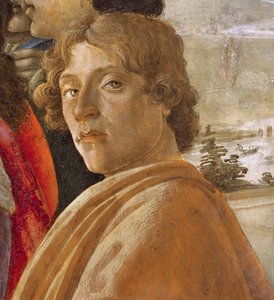
1445–1510, იტალია
სანდრო ბოტიჩელი
The Life of Sandro Botticelli Sandro Botticelli lived his life within the narrow, busy streets of Florence, Italy. Born Alessandro di Mariano di Vanni Filipepi around 1445, he was the son of a tanner. His family lived in the neighborhood of Ognissanti, a place he remained close to throughout his years. He eventually became known by the name Botticelli, a nickname taken from the word botticello, which refers to a small wine cask or little barrel.
სანდრო ბოტიჩელი-ის შესახებ სანდრო ბოტიჩელი-ის გამორჩეული ნამუშევრები
ასევე სანდრო ბოტიჩელი-ის მიერ შექმნილი სხვა ნამუშევრები
 სანდრო ბოთიჩელი
ფლორენცია
იტალია
1445
1485
1510
ქალის ხელახალი születése: ბოთი첼ის ხედვის გამხელა
უცნობია
ვენერას დაბადება1485
 პრიმავერა1482
 ვენერა და მარსი1483
 მოხსენიება მაცხოვრებლების მიერ
ესეები St. Jerome-ის შესახებ
 25 Masterpieces by Sandro Botticelli: The Ultimate Guide to Renaissance BeautyJourney through the ethereal beauty of Sandro Botticelli's greatest works. From The Birth of Venus to his mythic Renaissance masterpieces, …
 The Scholar and the Hermit: Examining the Iconography of Saint Jerome in Renaissance and Baroque ArtExplore the profound iconography of Saint Jerome through Renaissance and Baroque masters. Discover the secrets of sacred art history now.
 Master of Shadow: The Top 25 Essential Artworks by Jusepe de RiberaExplore 25 iconic works by Jusepe de Ribera. Master the drama of Baroque tenebrism. Discover all masterpieces on OriginalUniqueArt.com.