გადართვა ბეჭდვის რეჟიმზე
 სრული ტექსტის ნახვა







































 ნებისმიერი მხარისთვის 105 სმ-ზე (დაახლოებით 41 ინჩი) მეტი ზომის ხელოვნებული ნამუშევრების ან რეპროდუქციებისთვის, ჩარჩო მოგზავნდება დაშლილ კომპლექტში. ეს მეთოდი უზრუნველყოფს უსაფრთხო მიწოდებას და თავიდან აგაცილებთ ტრანსპორტირებისას შესაძლო დაზიანებას.


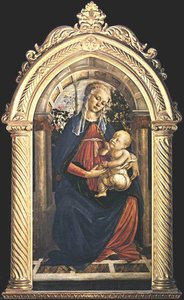
Madonna of the Magnificat – Sandro Botticelli
Sandro Botticelli’s *Madonna of the Magnificat*, painted in 1481, stands as an emblem of Florentine Renaissance artistry and spiritual contemplation. More than just a depiction of Mary and Jesus, it's a meticulously crafted tableau reflecting the humanist ideals prevalent during its time – a testament to Botticelli’s unparalleled skill in capturing both beauty and profound symbolism.
Composition & Style
The painting employs a pyramidal structure, anchoring Mary at its apex and drawing the viewer’s gaze upwards towards her radiant halo. This deliberate arrangement lends stability while simultaneously emphasizing Mary's central role as the embodiment of divine grace. Botticelli’s distinctive style is characterized by elegant linear contours, flowing drapery, and delicate facial features – creating an ethereal atmosphere that transcends mere realism.
Technique & Materials
Botticelli achieved this remarkable effect through tempera on panel—a technique known for its luminosity and ability to preserve detail. Thin glazes of oil paint were layered upon the surface, building up depth and highlighting key elements like Mary’s face and clothing. The subtle sfumato (smoky haziness) employed throughout contributes to a soft, luminous texture – reflecting Botticelli's mastery of Renaissance painting conventions.
Symbolism & Context
The inclusion of the pomegranate—a potent symbol of resurrection and eternal life—is particularly noteworthy. Beyond its religious significance, it subtly references fertility and abundance – mirroring the aspirations of the Medici family who commissioned this masterpiece. Art historians believe Botticelli’s subtle portrayal of Lorenzo de' Medici is evident in one of the young figures positioned in the background.
Legacy & Appreciation
*Madonna of the Magnificat* continues to captivate audiences today, serving as a cornerstone of Renaissance art history and inspiring reproductions that elevate interior design. Its enduring beauty lies not only in its technical brilliance but also in its ability to convey timeless themes of faith, family, and artistic innovation – securing Botticelli’s place among the greatest painters of all time.
კითხვები და პასუხები
რომელ ისტორიულ ეპოქას მიეკუთვნება სანდრო ბოტეჩელი-ის „მარია მღვანის მფლობელი“?
სანდრო ბოტეჩელი-ის „მარია მღვანის მფლობელი“-ის ისტორიული პერიოდია რენესანსი. ეს კლასიფიკაცია ნამუშევარს ხელოვნების ისტორიაში განსაზღვრავს.
რა შემთხვევისთვისაა რეკომენდებული სანდრო ბოტეჩელი-ის „მარია მღვანის მფლობელი“ საჩუქრად?
"მარია მღვანის მფლობელი" სასურველი საჩუქარია დასახელებული იუბილე-ისთვის.
შესაძლებელია თუ არა სანდრო ბოტეჩელი-ის „მარია მღვანის მფლობელი“-ის ნახვა ჩემს საკუთარ კედელზე ყიდვამდე?
შეგიძლიათ ნახოთ სანდრო ბოტეჩელი-ის „მარია მღვანის მფლობელი“ თქვენს საკუთარ კედელზე ნამუშევრის AR წინასწარი ნახვა გვერდის მეშვეობით, თავსდამხვევი რეალობის გამოყენებით თავსებად მოწყობილობაზე.
 ნახვა ინტერьерში
 გაგზავნა
 გაზიარება
 დეტალები
 გზამკვლევი

 ჩამოტვირთვა
 მსგავსები
 რენტგენოგრაფიული კვლევა
 სლაიდშოუ
 Q&A
Q&A სტატისტიკა