
 გაგზავნა
 გაზიარება
 დეტალები
 გზამკვლევი

 ჩამოტვირთვა
 მსგავსები
 სლაიდშოუ
 კითხვა-პასუხი
 სტატისტიკა
Tobie Et L'ange


 გააგრძელეთ კითხვა
გიკლე / ხელოვნების პრინტი
მუზეუმის დონის ჟიკლე ან ტილოზე ბეჭდვა სწრაფი წარმოებისა და დასრულების მოქნილი ვარიანტებით. ( შეიძინეთ ხელით შესრულებული ნახატი გადართვა ციფრულ გამოსახულებაზე)




































აირჩიეთ ჩვენს მიერ წინასწარ განსაზღვრული ზომებიდან, რომლებიც ნაწარმოების ორიგინალურ პროპორციებს შეესაბამება.

შეიყვანეთ თქვენთვის საჭირო სიგანე და სიმაღლე, რათა გამოსახულებამ თქვენს ჩარჩოს ან კედელს ზუსტად მოერგოს. ბეჭდვისას შესაძლებელია მხოლოდ მისი შემცირება და არა გაზრდა, ამიტომ სხვა ფორმის ზომის შემთხვევაში სურათი ნაწილობრივ იკარგება. სანამ რაიმეს დაბეჭდავთ, ჩვენ გამოგიგზავნით ციფრულ მაკეტს დასდასტურებლად. ამ გვერდზე ნაჩვენები სურათი არ ასახავს რეალურ ჭრას — ამას მხოლოდ მაკეტი გვიჩვენებს.
მიწოდება მთელ მსოფლიოში () 2 კვირაში, სტანდარტული 4/5 კვირის ნაცვლად. (7 ნოემბერი)

უფასო ექსპრეს მიწოდება მთელ მსოფლიოში

მაღალი ხარისხის ტილოს ქსოვილი

ტრანსპორტირების სრული დაზღვევა

საბაჟო გადასახადების დაბრუნების გარანტია

ფერების სრული შესაბამისობის გარანტია

დაბრუნების 100-დღიანი პოლიტიკა (მხოლოდ დეფექტის შემთხვევაში)

100% თანხის სრული დაბრუნების გარანტია

ფასდაკლება დიდი რაოდენობით შეკვეთისას
 მინის ჩარჩოს არჩევანი შესაძლებელია მხოლოდ 110 სმ-მდე ზომისთვის

Tobie Et L'ange
გიკლე / ხელოვნების პრინტი
რეპროდუქციის ზომა
-


საბოლოო ღირებულება
₾ 210
The Dramatic Embrace: Salvator Rosa’s “Tobie Et L'Ange”
Salvator Rosa’s “Tobie Et L'Ange,” a captivating Baroque masterpiece, isn’t merely a depiction of two celestial figures; it’s an invitation into a world brimming with allegory, emotion, and the untamed beauty of nature. Painted likely around 1670 in Rome, this work stands as a testament to Rosa’s unique artistic vision – a rejection of rigid academic conventions in favor of a deeply personal and often unsettling exploration of human experience within the grand scheme of the cosmos. The painting immediately draws the eye with its dynamic composition: two angels, rendered with a palpable sense of urgency and interaction, dominate the scene. One gently touches the head of the other, an intimate gesture that belies their divine status, while the central focus – a shimmering fish – becomes a potent symbol of both sustenance and potential danger. This isn’t a serene, idealized portrayal of heaven; it's imbued with a raw energy and a hint of unease, reflecting Rosa’s characteristic penchant for portraying the darker aspects of human nature alongside moments of grace.A Baroque Tapestry: Style, Technique, and Influences
Rosa’s style is instantly recognizable as deeply rooted in the Baroque period, yet he forged his own distinctive path. He absorbed influences from artists like Ribera – particularly his masterful use of tenebrism (strong contrasts between light and dark) – and Poussin, evident in the careful rendering of classical forms and landscapes. However, unlike these contemporaries who often adhered to established rules, Rosa deliberately embraced a more expressive and emotionally charged approach. His brushwork is loose and gestural, conveying movement and immediacy. Notice how he uses thick impasto—layers of paint applied with considerable texture—to build up the figures and landscape, creating a sense of physicality and drama. The color palette leans towards rich earth tones – ochres, browns, and deep reds – punctuated by flashes of silver and gold, contributing to the painting’s overall intensity. Rosa's background in printmaking also profoundly shaped his artistic practice; he frequently employed techniques borrowed from engraving, such as hatching and cross-hatching, to create intricate details and textures within his paintings.Mythic Resonance: Symbolism and Narrative
“Tobie Et L'Ange” is rich with symbolic meaning, drawing upon the biblical story of Tobias and the Angel. The fish itself represents divine providence and sustenance, a gift from God delivered through the angel’s intervention. The touch on the head signifies guidance and protection – a subtle reminder of the spiritual realm influencing earthly affairs. Beyond this immediate narrative, however, the painting operates on multiple levels. The turbulent landscape—a dramatic vista of cliffs, rocks, and swirling clouds—suggests the chaotic nature of human existence and the constant struggle between order and disorder. The presence of smaller figures in the foreground – a man on the left and another on the right – adds to this sense of complexity, hinting at other characters or elements within the larger story. Some art historians suggest that these figures represent the challenges and temptations faced by humanity, while the angels embody divine wisdom and compassion.A Legacy of Romanticism: Rosa’s Enduring Influence
Salvator Rosa's work was hugely influential in shaping the development of Romanticism, a movement that prioritized emotion, individualism, and the sublime beauty of nature. His depictions of wild landscapes—often rendered with a sense of foreboding and danger—challenged the classical emphasis on idealized beauty and harmony. Rosa’s willingness to portray humanity within these untamed environments – often as vulnerable and insignificant in comparison to the power of nature – resonated deeply with Romantic artists like Caspar David Friedrich and J.M.W. Turner. His legacy lies not just in his technical skill, but also in his courageous rejection of convention and his profound engagement with the complexities of human experience. Today, reproductions of “Tobie Et L'Ange” continue to captivate viewers with their dramatic intensity and evocative symbolism, offering a glimpse into the visionary world of one of Baroque art’s most compelling figures.კითხვები და პასუხები
სად უნდა ჩამოკიდოს სალვატორე როზა-ის „Tobie Et L'ange“-ის რეპროდუქცია?
Portrait ფორმატით, „Tobie Et L'ange“-ის რეპროდუქცია რეკომენდებულია Living Room-ისთვის.
შეიძლება თუ არა "Tobie Et L'ange" მაღალი რეზოლუციის ვერსიის გადმოწერა?
"Tobie Et L'ange" ხელოვნების ნიმუშის ციფრული ვერსია ხელმისაწვდომია როგორც მაღალი გარჩევადობის ციფრული გამოსახულების ჩამოტვირთვა, რომლის შეძენაც შეგიძლიათ პირდაპირ მისი ციფრული გამოსახულება გვერდიდან.
რომელი სივრცე შეესაბამება სალვატორე როზა-ის „Tobie Et L'ange“-ის ფერებს?
Earthy ფერების გათვალისწინებით, „Tobie Et L'ange“ რეკომენდებულია Living Room-ისთვის.
მხატვრის ბიოგრაფია
ადრეული ცხოვრება და განათლება
სალვატორე როზა, ი탈იელი ბაროკოს მხატვარი, პოეტი და გრავურის ოსტატი, დაიბადა არენელაში (ნაპოლი) 1615 წლის 20 ან 21 ივნისს. მისი დედა, ჯულია გრეკა როზა, სიცილიელი ბერძენი ოჯახიდან იყო. მამის მიუხედავად, რომელსაც სურდა შვილის ადვოკატი ან მღვდელი ექცია, სალვატორე ადრეული ასაკიდანვე გამოირჩეოდა ხელოვნებისკენ განსაკუთრებულმა ინტერესმა. მან თავისი პირველი ხატვის გაკვეთილები ადგილობრივი მხატვრებისგან მიიღო და მალევე გამოავლინა ნიჭი პეიზაჟებისა და ისტორიული სცენების შესახელებლად. მისი ოჯახური მდგომარეობა არ იყო საკმარისი, რომ პროფესიონალურ განათლებას გაუწოდა, თუმცა სალვატორე თავისი მო talentითა და მონდომებით სწრაფად განვითარდა.ხელოვნური კარიერა
სალვატორე როზას ხელოვნური კარიერა არატradiciული და ექსტრავაგანტული სტილით ხასიათდებოდა, რამაც იგი თანამედროვეებისგან გამოარჩია. ის ნეაპოლში, რომსა და ფლორენციაში აქტიურად მოღვაწეობდა. მისი შემოქმედება რიბერას ნატურალიზმითა და პუსსენის კლასიციზმით იყო შთაგონებული, თუმცა მან უარი განაცხადა რაიმე კონკრეტული სტილის ან მოძრაობის მიცემულობაში ყოფნაზე. როზას ნახატვები ხშირად გამოირჩეოდა დრამატიული პეიზაჟებით, ფილოსოფიური თემებითა და მუქი, ექსპრესიული განათებებით. მისი ერთ-ერთი ყველაზე ცნობილი ნაწარმოები, „პიფაგორასი სამყაროდან გამომავალი“ (კიმბელის ხელოვნების მუზეუმი, ფორტ-ვერტი, შეერთებული შტატები), წარმოაჩენს მის უნიკალურ ფილოსოფიურ და მხატვრულ თემებს. „ეუნუქის მონათვლა“ (Chrysler Museum of Art, Norfolk, United States) აჩვენებს მის უნარს, ჩვეულებრივ ბიბლიურ ისტორიებში მაღალი დრამის შეტანა.გავლენები და მემკვიდრეობა
სალვატორე როზას ნამუშევებმა მნიშვნელოვანი გავლენა მოახდინა ბაროკოს ხელოვნების განვითარებაზე. მისი გავლენა ჩანს მოგვიანავე მხატვრების, როგორებიცაა ლუკა ჯორდანო, რომლებმაც გააგრძელეს მხატვრული ექსპრესიის საზღვრების წინსვლა. როზას პოეზიამ და გრავურებმა ასევე მნიშვნელოვანი წვლილი შეიტანა მისი ხანის ინტელიექტუალურ და კულტურულ ცხოვრებაში. ისტორიაში, სალვატორე როზა გამოირჩეოდა თავისი ანტი-კონფორმისტული ხასიათითა და ხელოვნებისადმი განსაკუთრებული მიძინებებით.მნიშვნელოვანი ლინკები
- სალვატორე როზას პროფილი OriginalUniqueArt-ზე
- ვიკიპედია: სალვატორე როზა
- პიფაგორასი სამყაროდან გამომავალი OriginalUniqueArt-ზე
დასკვნა
სალვატორე როზას ცხოვრება და შემოქმედება დღესაც აღაფრთოვანებს ხელოვნების მოყვარულებსა და ისტორიკოსებს. მისი არატradiciული სტილი და მუდმივი ამბოხი თავისი დროის ნორმების წინააღმდეგ, ბაროკოს ხელოვნების ანალებში შემოინახა მისი ადგილი. როგორც მხატვარი, პოეტი და გრავურის ოსტატი, ის რჩება ენგმატურად ფიგურად, ხოლო მისი ნამუშევები აგრძელებს ახალი თაობის მხატვრებსა და ხელოვნების მოყვარულებს შთაგონებას.
სალვატორე როზა
1615 - 1673 , იტალია
მოკლე ინფორმაცია
- Artistic Movement Or Style: Baroque art
- Artists Or Movements Influenced By This Artist: ['Luca Giordano']
- Artists Who Influenced This Artist: ['José de Ribera']
- Date Of Birth: 20 ივნისი 1615
- Date Of Death: 1673 წელი
- Full Name: Salvator Rosa
- Nationality: იტალიელი
- Notable Artworks:
- Pythagoras emerging from the underworld
- The Baptism of the Eunuch
- Place Of Birth (City And Country): Arenella, Italy
დაკავშირებული სტატიები

Salvator Rosa: A Baroque Rebel's Vision of Landscape, Allegory & the Human Condition
Explore the captivating world of Salvator Rosa, a rebellious Baroque master. Discover his dramatic landscapes, allegorical paintings & lasting influence on Romanticism. Hand-painted reproductions available at OriginalUniqueArt.

Drama in Nature: The Captivating Grandeur of Baroque Landscapes and the Art of Emotional Spectacle
Explore the breathtaking drama of Baroque landscapes. From Rubens's grand vistas to the mastery of chiaroscuro, discover how 17th-century artists transformed nature into a theatrical stage of emotion and light. A deep dive for true art enthusiasts.
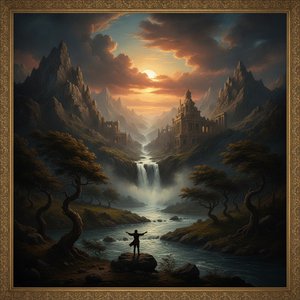
Epic Drama & Dark Vibes: The Ultimate Collector's Guide to Baroque Landscapes
Master the art of drama with our ultimate guide to Baroque landscapes. Discover the power of chiaroscuro, explore legendary masters, and learn how to curate epic, dark-vibe masterpieces for your collection with expert insights from OriginalUniqueArt.
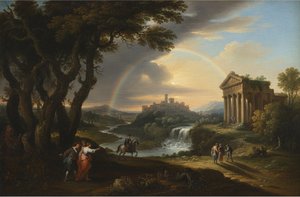
Shadow, Light, and Spectacle: The Dramatic Evolution of Baroque Landscape Painting
Explore the breathtaking drama of Baroque landscapes. Our expert guide delves into the interplay of light and shadow in 17th-century masterpieces. Discover art history and find museum-quality, hand-painted oil reproductions to bring classical grandeur to your home.

Celestial Messengers: Angels in Painting – A Historical & Artistic Exploration
Explore the captivating history of angels in painting! Discover symbolism, iconic Renaissance & Byzantine masterpieces, and renowned artists. Expert insights for art lovers & collectors at OriginalUniqueArt.
