Contemporary Minimalism · 2010
Untitled (რუდოლფ სტინგელი, 2010)
რუდოლფ სტინგელი (1956)-მა შექმნა Untitled. ის შექმნილ არის 2010 წელს. ის Contemporary Minimalism მიძღვნილ სტილს მიეკუთვნება. შესრულებულია Acrylic On Canvas-ით. ნახატი დაცულია Palazzo Grassi-ში, Venice, Italy-ში. ზომა არის 40 × 33 cm.
- 2010
- Acrylic On Canvas
- 40 × 33 cm
- Palazzo Grassi, Venice

 წინასწარი ნახვა

 ხელით შესრულებული ზეთប្រეწერი
 გაგზავნა
 გაზიარება
 სპეცფიკაცია


 ჩამოტვირთვა
 მსგავსები
 რენტგენოგრაფიული კვლევა
 სლაიდშოუ
 კითხვა-პასუხი

 სტატისტიკა
Untitled, მოკლედ
- სათაური
- Untitled
- ავტორი
- რუდოლფ სტინგელი (1956)
- ხატვის წელი და ადგილი
- მერანო, იტალია
- თარიღი
- 2010
- ტექნიკა
- Acrylic On Canvas
- ზომები
- 40 × 33 cm
- სად ნახვა შეგიძლიათ
- Palazzo Grassi, Venice, Italy
- მოძრაობა
- Contemporary Minimalism
- სუბიექტი
- texture, monochrome, sculpture, rhino, geometric, impasto
რა არის გამოსახული Untitled-ში?
Rudolf Stingel’s ‘Untitled’: A Dialogue Between Medieval Iconography and Industrial Texture
Rudolf Stingel's oeuvre defies easy categorization, presenting an artist who consistently interrogates the boundaries between art and everyday life. His work isn’t merely aesthetically pleasing; it compels viewers to contemplate their own perceptions of beauty and artistic process—a deliberate provocation that distinguishes him from many contemporary practitioners. This essay delves into the conceptual core of ‘Untitled,’ examining its striking monochrome sculpture, exploring its fusion of disparate influences, and uncovering the profound emotional resonance embedded within its textured surface.The Sculpture’s Genesis: Material Transformation
Stingel's artistic approach begins with a radical reimagining of conventional materials. Rather than relying on traditional mediums like oil paint or marble, he utilizes industrial components—primarily styrofoam and cast polyurethane—to construct monumental sculptures that challenge preconceived notions about artistic expression. This deliberate selection speaks to Stingel’s fascination with the intersection between craft and industry, mirroring the broader cultural shift towards embracing repurposed materials and questioning established hierarchies within the art world. The process itself is equally significant: Stingel meticulously carves out geometric forms from these blocks of polyurethane, imprinting them with intricate patterns reminiscent of medieval iconography—a deliberate juxtaposition designed to disrupt visual expectations.Medieval Echoes: Symbolism and Iconographic Influence
The sculpture’s surface bears unmistakable traces of religious symbolism. Recurring motifs – crosses, halos, and stylized figures – echo the traditions of European art history, specifically referencing Byzantine icons and Renaissance frescoes. Stingel isn't attempting a literal representation; instead, he employs these symbols as points of reference to stimulate contemplation about faith, spirituality, and the enduring power of visual imagery. This layering of references elevates ‘Untitled’ beyond mere sculptural form, transforming it into a vehicle for conveying complex ideas about cultural heritage and artistic interpretation. The artist’s intention is not simply to reproduce recognizable images but to engage in a dialogue with art history itself.Texture as Emotional Resonance: Technique and Material Exploration
The sculpture's surface possesses an extraordinary tactile quality—a deliberate departure from the smooth, polished finishes typical of classical sculpture. Stingel employs a technique known as ‘carving out,’ where he removes material from the polyurethane block to reveal underlying textures that are then painstakingly smoothed and polished. This process creates surfaces that appear both monumental and subtly vulnerable, mirroring the artist’s exploration of materiality as an expressive medium. The resulting texture is deliberately uneven, capturing the marks of the carving process and emphasizing the physicality of the artwork—a conscious decision to counteract the perceived detachment of abstract sculpture and foster a connection between viewer and object.A Reflection on Perception: Artistic Intent
Ultimately, ‘Untitled’ serves as a meditation on how we perceive art and its relationship to our environment. Stingel's masterful manipulation of industrial material alongside classical iconography compels us to reconsider what constitutes beauty and artistic significance. The sculpture invites viewers to engage in an active process of interpretation—to consider the interplay between tradition and innovation, materiality and symbolism. It’s a testament to Stingel’s belief that art should provoke thought and emotion, pushing beyond mere visual gratification toward a deeper understanding of human experience.Concluding Thoughts: Beyond Representation
‘Untitled’ exemplifies Stingel's commitment to conceptual painting and installations—a genre characterized by its focus on ideas rather than literal depictions. He prioritizes the process of creation itself, demonstrating how readily available materials can be transformed into artworks that resonate with profound emotional depth. By juxtaposing industrial texture with religious iconography, Stingel compels us to confront our assumptions about art’s role in shaping cultural consciousness—a legacy that secures his place as one of the most distinctive voices in contemporary sculpture.რომელ მუზეუმში ინახება Untitled?
Palazzo Grassi
Venice, Italy
გადააზრებული ვენეციელი შედევრი: პალაცო გრასის სული ვენეციის გულში, სადაც გრანდ კანალი წარსული საზღვაო იმპერიის საიდუმლოებებს ჩურჩულებს, დგას პალაცო გრასი — ნაგებობა, რომელიც წარმოადგენს სუნთქავსმგელ ხიდას მეთვრამეტე საუკუნის კლასიკურ ელეგანტურობასა და თანამედროვე ეპოქის პროვოკაციულ პულსს შორის. მისი ზღურბლის გადალახვა ნიშნავს ისეთ სივრცეში შესვლას, სადაც ისტორია მხოლოდ წარსულში არ ბინადრობს, არამედ აქტიურად ესაუბრება აწმყოს. თავდაპირველად არქიტექტორ ჯორჯო მასარის მიერ არისტოკრატული გრასის ოჯახისთვის შექმნილი, პალაცო ნეოკლასიკური დიდებულების დახვეწილ გამოხატულებად იყო ჩაფიქრებული.


Untitled-ის მაღალი გარ Auflხ resolución-ის გამოსახულებები

Protected by copyright: these files are for personal reference, not a licence to republish.
რუდოლფ სტინგელი, Untitled (2010), Palazzo Grassi.
კითხვები Untitled-ზე, პასუხები
სად არის დღეს გამოფენილი რუდოლფ სტინგელი-ის „Untitled“?
ორიგინალი რუდოლფ სტინგელი-ის „Untitled“ Palazzo Grassi, Venice, Italy-ში ინახება. რესპროდუქცია კი საშუალებას გაძლევთ, ეს ნამუშევარი თქვენს სახლში გამოფენოთ.
რა თარიღში შეიქმნა რუდოლფ სტინგელი-ის „Untitled“?
რუდოლფ სტინგელი-ის „Untitled“ შეიქმნა 2010 წელს.
რა ტექნიკა გამოიყენეს რუდოლფ სტინგელი-ის „Untitled“-ის შესაქმნელად?
"Untitled" შესრულებულია Acrylic On Canvas-ით.
რა ზომისაა რუდოლფ სტინგელი-ის „Untitled“ რეალურ ცხოვრებაში?
რუდოლფ სტინგელი-ის „Untitled“ ნამუშევრის ზომებია 33 x 40 cm. რეკროდუქციების შეკვეთა შესაძლებელია სხვა ზომებშიც, პროპორციების სრული შენარჩუნებით.
რას ეხება "Untitled"?
რუდოლფ სტინგელი-ის „Untitled“-ზე გამოსახულია: texture, monochrome, sculpture, rhino, geometric, impasto, religion.
შეიძლება თუ არა რუდოლფ სტინგელი-ის „Untitled“-ის გამოსახულების თავისუფლად რეპროდუცირება?
ავტორული უფლებების სტატუსი ნამუშევრისთვის რუდოლფ სტინგელი-ის „Untitled“: ნამუშევარი არის კვლავ დაცულია საავტორო უფლებით. ეს განსაზღვრავს, შესაძლებელია თუ არა გამოსახულების რეპროდუქციის თავისუფლად წარმოება.
ვინ შექმნა "Untitled"?
ნამუშევრის „Untitled“ ავტორი არის რუდოლფ სტინგელი. ნამუშევარი დატრიალებულია რუდოლფ სტინგელი-ის სახელით.
რომელ სტილს მიეკუთვნება "Untitled"?
რუდოლფ სტინგელი-ის „Untitled“ მიეკუთვნება Contemporary Minimalism მიმდევრობას. ეს მიმდევრობა ნამუშევარს სტილისტურ კონტექსტს სძენს.
რუდოლფ სტინგელი-ის შემოქმედების რომელ პერიოდს მიეკუთვნება „Untitled“?
რუდოლფ სტინგელი-ის შემოქმედების პერიოდში „Untitled“ Late Period-ს მიეკუთვნება. ეს ფაზა საშუალებას გვაძლევს, იგი ხელოვანის სხვა ნამუშევრებს შევადაროთ.
ხელပاتარში: რუდოლფ სტინგელი
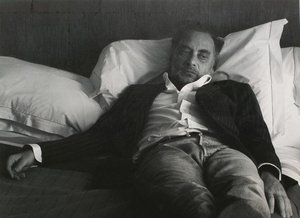
1956, იტალია
რუდოლფ სტინგელი
რუდოლფ სტინგელი: ბიოგრაფია დაბადების ადგილი: მერანო, იტალია (1956) ამჟამინდელი საცხოვრებელი: ნიუ-იორკი, აშშ სხვადასხვა ქვეყნის მოგზაურთა შორის ერთგვარი სიმბოლოა ის ხელოვანი, რომელიც თავის შემოქმედებაში სივრცესა და მასას ასთქმინებს. მოქალაქეობა: იტალიელი ადრეული ცხოვრება და შემოქმედებითი განვითარება რუდოლფ სტინგელი ხელოვნების სცენაზე, 1980-იანი წლების ბოლოს, როგორც გამორჩეულმა ფიგურამ გამოჩნდა. თავდაპირველად იგი ცნობილი გახდა თავისი მონოქრომული ტილოებით, რომლებიც ძირითადად 1987 සිට 1994 წლამდე პერიოდს მოიცავდა; ამ ნამუშევრებს ჰქონდათ ვერცხლისფერი ზედაპირები წითელი, ყვითელი ან ლურჯი ფერების ნატიფი ელფერებით. სწორედ ამ ადრეულმა პერიოდმა ჩამოაყალიბა სტინგელის ინტერესი ზედაპირისა და აღქმის კვლევის მიმართ.
რუდოლფ სტინგელი-ის შესახებ რუდოლფ სტინგელი-ის გამორჩეული ნამუშევრები
ესეები Untitled-ის შესახებ
 Spontaneity and Matter: Distinguishing CoBrA from Art InformelMaster the differences between CoBrA and Art Informel with our expert guide. Learn to identify these post-war movements today.
 10 Iconic Masterpieces Defining the Contemporary Art EraExplore 10 iconic works defining the contemporary era. Discover museum-quality masterpieces on OriginalUniqueArt.com.
 Color & Emotion: The 25 Most Iconic Masterpieces by Mark RothkoImmerse yourself in the profound emotion of Abstract Expressionism. Explore 25 iconic Mark Rothko masterpieces, from his signature color fi…