წინასწარი ნახვა
 გაგზავნა
 გაზიარება
 დეტალები
 გზამკვლევი

 ჩამოტვირთვა
 მსგავსები
 რენტგენოგრაფიული კვლევა
 სლაიდშოუ
 კითხვა-პასუხი
 სტატისტიკა
The Last Judgment (detail) (10)


 გააგრძელეთ კითხვა
გიკლე / ხელოვნების პრინტი
მუზეუმის დონის ჟიკლე ან ტილოზე ბეჭდვა სწრაფი წარმოებისა და დასრულების მოქნილი ვარიანტებით. ( შეიძინეთ ხელით შესრულებული ნახატი გადართვა ციფრულ გამოსახულებაზე)




P118B ₾10

P118H ₾10

P118W ₾10

P438Z ₾10

P508JH ₾12

P508YH ₾12

P805H ₾10

P805Z ₾10

P919BZ ₾10

P919G ₾10

P919XJ ₾10

P959ZH ₾10

P968JZ ₾12

W106C ₾8

W218G ₾10

W218JH ₾8

W218Y ₾10

W307PJ ₾10

W316G ₾10

W316PJ ₾8

W316Y ₾10

W398PJ ₾8

W4111J ₾10

W500HY ₾15

W500JH ₾15

W692G ₾12

W849H ₾8

W940BG ₾15

W953PJ ₾8




აირჩიეთ ჩვენს მიერ წინასწარ განსაზღვრული ზომებიდან, რომლებიც ნაწარმოების ორიგინალურ პროპორციებს შეესაბამება.

შეიყვანეთ თქვენთვის საჭირო სიგანე და სიმაღლე, რათა გამოსახულებამ თქვენს ჩარჩოს ან კედელს ზუსტად მოერგოს. ბეჭდვისას შესაძლებელია მხოლოდ მისი შემცირება და არა გაზრდა, ამიტომ სხვა ფორმის ზომის შემთხვევაში სურათი ნაწილობრივ იკარგება. სანამ რაიმეს დაბეჭდავთ, ჩვენ გამოგიგზავნით ციფრულ მაკეტს დასდასტურებლად. ამ გვერდზე ნაჩვენები სურათი არ ასახავს რეალურ ჭრას — ამას მხოლოდ მაკეტი გვიჩვენებს.
მიწოდება მთელ მსოფლიოში () 2 კვირაში, სტანდარტული 4/5 კვირის ნაცვლად. (8 ნოემბერი)

უფასო ექსპრეს მიწოდება მთელ მსოფლიოში

მაღალი ხარისხის ტილოს ქსოვილი

ტრანსპორტირების სრული დაზღვევა

საბაჟო გადასახადების დაბრუნების გარანტია

ფერების სრული შესაბამისობის გარანტია

დაბრუნების 100-დღიანი პოლიტიკა (მხოლოდ დეფექტის შემთხვევაში)

100% თანხის სრული დაბრუნების გარანტია

ფასდაკლება დიდი რაოდენობით შეკვეთისას
 მინის ჩარჩოს არჩევანი შესაძლებელია მხოლოდ 110 სმ-მდე ზომისთვის

The Last Judgment (detail) (10)
გიკლე / ხელოვნების პრინტი
რეპროდუქციის ზომა
-


საბოლოო ღირებულება
₾ 211
A Symphony of Sorrow and Salvation: Examining Rogier van der Weyden’s ‘The Last Judgment’ Detail
Rogier van der Weyden's 'The Last Judgment,' specifically this arresting detail from the monumental Polyptych housed in Beaune Cathedral, transcends mere depiction; it embodies a profound meditation on mortality and divine justice. Completed around 1446-52 during the Burgundian Renaissance, this painting stands as an unparalleled achievement of Early Netherlandish art—a testament to Van der Weyden’s mastery of emotion and meticulous craftsmanship. Commissioned by Nicolas Rolin, a wealthy patron who envisioned Beaune Cathedral as a beacon of piety, the altarpiece aimed to inspire awe and contemplation within its viewers.- Style & Technique: Van der Weyden's signature style is characterized by an astonishing realism—a departure from the stylized conventions prevalent in earlier artistic movements. He employed oil paint on wood panel, a technique that allowed for unprecedented luminosity and textural nuance. Observe how he painstakingly renders the folds of drapery, conveying weight and movement with remarkable accuracy. The subtle gradations of color contribute to the overall dramatic effect, capturing the ethereal glow of heaven and the grim darkness of hell.
- Historical Context: The painting reflects the anxieties surrounding death and judgment prevalent in fifteenth-century Europe—a period marked by plague outbreaks and a heightened preoccupation with theological concerns. It draws heavily upon biblical narratives concerning the Second Coming of Christ and the final reckoning before God, themes central to Christian belief at the time.
- Symbolism: The composition itself is laden with symbolic significance. At its core lies the scale held aloft by Jesus Christ—a visual representation of divine judgment, weighing souls against righteousness. The figures surrounding him embody various roles in salvation and damnation, reflecting the complexities of Christian theology. Notably, the kneeling Adam symbolizes humanity’s fallen state, awaiting divine redemption.
- Emotional Impact: Van der Weyden's masterful portrayal captures the visceral experience of confronting mortality—a palpable sense of sorrow mingled with hope. The faces of the figures are etched with anguish and despair, conveying the gravity of their predicament. Yet, amidst the gloom, there’s a glimmer of divine compassion, embodied in Jesus’ gaze and the serene expressions of angelic beings.
Comparative Perspective: Michelangelo's Vision
While Van der Weyden’s approach prioritizes psychological depth and textural realism—a hallmark of Northern European art—Michelangelo’s monumental fresco depicting ‘The Last Judgment’ in the Sistine Chapel embodies a distinctly Roman aesthetic. Unlike Van der Weyden’s restrained palette and meticulous detail, Michelangelo utilized vibrant colors to convey grandeur and dynamism. However, both artists share a fundamental aim: to communicate the profound theological message of divine judgment and eternal salvation—a timeless concern that resonates across cultures and eras.Beyond Reproduction: Embracing Artistic Legacy
A high-quality reproduction of ‘The Last Judgment’ detail offers an opportunity to appreciate Van der Weyden's artistic genius and immerse oneself in the spiritual atmosphere of fifteenth-century Burgundy. OriginalUniqueArt.com presents meticulously crafted reproductions that faithfully capture the painting’s luminosity, texture, and emotional intensity—allowing collectors and interior designers alike to bring this iconic masterpiece into their homes. Explore the collection today!კითხვები და პასუხები
რა საერთო აქვს „The Last Judgment (detail) (10)“-ს როგიერ ვან დერ ვაიდენი-ის შემოქმედების სხვა ნაწილით?
"The Last Judgment (detail) (10)" როგიერ ვან დერ ვაიდენი-ის Early Netherlandish Painting სტილის ნამუშევარია, რომლის ძირითად თემებს შორის არის emotional expressionism, byzantine tradition, christian beliefs, moral reflection, royal patronage, spiritual symbolism, iconic imagery, artistic mastery."
რა ემოციურ განწყობას გადმოგვცემს როგიერ ვან დერ ვაიდენი-ის „The Last Judgment (detail) (10)“?
როგიერ ვან დერ ვაიდენი-ის „The Last Judgment (detail) (10)“ გადმოგვცემს Dramatic ემოციურ ტონს.
რა პალიტრასა და რა განწყობას აერთიანებს "The Last Judgment (detail) (10)"?
როგიერ ვან დერ ვაიდენი-ის „The Last Judgment (detail) (10)“ აერთიანებს Earthy პალიტრასა და Dramatic ტონალობას.
მხატვრის ბიოგრაფია
როგირ ვან დერ ვაიდენი: გრძნობების მხატვარი
XIV საუკუნის ბოლოსა და XV საუკუნის პირველ ნახევარში მოღვაწე ფლამანდელი მხატვრის, როგირ ვან დერ ვაიდენის (დაახლოებით 1399-1464) შემოქმედება წარმოადგენს ჩრდილოეთის რენესანსის ერთ-ერთ მნიშვნელოვან მწვერვალს. მისი ნაწარმოებები გამოირჩევა განსაკუთრებული გრძნობიერიობით, დეტალების სიზუსტეებით და ფერის ჰარმონიულობით, რაც მას თანამედროვენსა და მომავალი თაობების მხატვრებზე უდიდეს გავლენას მოაქვს. როგირის ბიოგრაფიული მონაცემები საკმაოდ ცოტაა ცნობილი, თუმცა მისი შემოქმედება საუბრობს თავზე – გამოხატავს ადამიანის შინაგანი სამყაროს, ტკივილს, იმედს და სევდას.
უიწყებოდა თუ არა ოქროს ხელობა? ადრეული პერიოდი და განვითარება
როგირ ვან დერ ვაიდენი დაიბადა ტურნეს ქალაქში, რომელიც მაშინ ფლამანდიის ნაწილად ითვლებოდა. მისი მამა კატლერის (ჭურჭლის დამზადებლის) ოჯახიდან იყო, რაც თავდაპირველად ამყარებს ჰიპოთეზას, რომ როგირმა ადრეულ ასაკში შეიძინა ფრთხილობა და სიფხიზლე დეტალების მიმართ – თვისებები, რომლებიც შემდეგ მის შემოქმედებაში სრულყოფილად გამოვლინდა. 1426 წელს იგი მასტერ-მხატვრად დარეგისტრირდა ტურნეს მხატვრთა გildiას, რაც იმ დროს მნიშვნელოვანი მოვლენა იყო. მისი მასწავლებელი და ინსპირატორი რობერტ კამპინი (ნობილიოსი) იყო, რომლისგანაც მან მიიღო ძირითადი კომპოზიციური და ტექნიკური უნარები. თუმცა, ვან დერ ვაიდენი მალევე გადახდა მასტერ კამპინის გავლენის საწინააღმდეგო პუნქტად, განავითარა საკუთარი, ინდივიდუალური სტილი, რომელსაც ახასიათებს უფრო მეტი ემოციურობა და რეალიზმი.
გამოხატვის ხელოვნება: სტილი და ტექნიკა
ვან დერ ვაიდენის ნაწარმოებების უმნიშვნელოვანესი მახასიათებელი არის გრძნობების გამოსახვა. იგი პირველი ევროპელი მხატვარი იყო, რომელმაც ტილოზე ცრემლებს აღიქვა – ეს თავიდანვე განაცხადა მისი შემოქმედების უნიკალური ხასიათი. მისი კომპოზიციები გამოირჩევა სიტვიდიანობით და დრამატიზმით, თუმცა ისეთი ნიველირით არის დაბალანსებული, რომ არ იწვევს ზედმეტი აღელვებას. ფერის გამაში ვან დერ ვაიდენი გამოიყენებოდა მდიდარი პალიტრა, სადაც ყველა ტონი განსხვავებულია და ერთმანეთთან ჰარმონულად ემთხვევა. იგი ასევე გამოირჩევა ნათლისმომცემლობის უნარით – მისი ფერწერა იქმნება მსუბუქი, თითქოს შინაგანი სინაზეს ასახავს. ვან დერ ვაიდენი თავისი ხატებში ადამიანის ფსიქოლოგიურ მდგომარეობასაც აჩვენებს, რაც მის ნაწარმოებებს უნიკალური სიღრმისსადგურს მატყობს.
მემკვიდრეობა და მნიშვნელობა
როგირ ვან დერ ვაიდენის გავლენა არ შემოიფარგლება მხოლოდ ფლამანდიით. მისი ნაწარმოებები აღესრულება ევროპის მასშტაბით, განსაკუთრებით იტალიასა და ესპანეთში, სადაც მან ახალი დონეების ემოციურობა და რეალიზმი შეიტანა ადგილობრივ ხელოვნებაში. თუმცა მისი პოპულარობა XVII საუკუნეში შემცირდა, XIX საუკუნეში აღმოცენება მოხდა, რაც მის მნიშვნელობას კიდევ უფრო გაამყარა. იგი ითვლება ჩრდილოეთის რენესანსის „სამი დიდი“ მხატვრის (თანავე მასტერ კამპინსა და იან ვან ეიკთან) შორის ერთ-ერთად, რომელმაც უდიდესი წვლილი შეიტანა ევროპული ხელოვნების განვითარებაში. მისი ინოვაციური ტექნიკები და გრძნობიერი კომპოზიციები მომავალი თაობების მხატვრებს შთაგონებდნენ, რაც ხელოვნებაში უდიდეს ცვლილებას მოჰყვა.
შემორჩენილი შედევრები
როგირ ვან დერ ვაიდენის შემოქმედებაში მრავალი ნაწარმოებაა, რომელიც დღემდე იწვევს აღტაცებას. „სათხოვნიდან 내려მონ“, რომელიც მდებარეობს მადრიდის პრადოს მუზეუმში, მისი ყველაზე ცნობილი და მნიშვნელოვანი შედევრია – წარმოადგენს ქრისტეს სათხოვნიდან გადმოსვლის დრამატულ აღწერას. „ლამენტაცია“ (მუზეუმი ბელგიაში) არის კიდევ ერთი გამორჩეული ნაწარმოები, რომელიც ტკივილსა და მწუხარებას გამოხატავს. სხვა მნიშვნელოვანი ტილოებია: „ანონასი“, „სათხოვნიდან 내려მონ“ (რამდენიმე ვერსია), „ბლადელინის სამკვარი“. ეს ნაწარმოებები, ერთადერთი, ადასტურებენ როგირ ვან დერ ვაიდენის გენიოსობას და მისი უდიდეს გავლენას ხელოვნებაზე.
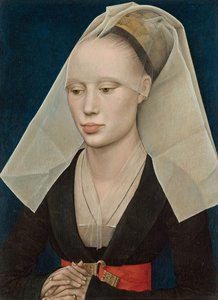
როგიერ ვან დერ ვაიდენი
1400 - 1464 , ბელგია
მოკლე ინფორმაცია
- Artistic Movement Or Style: ადრეული ფლამანდური რენესანსი
- Artists Or Movements Influenced By This Artist:
- იტალიური რენესანსი
- ესპანური მხატვრობა
- Artists Who Influenced This Artist:
- რობერტ კამპინი
- იან ვან ეიკი
- Date Of Birth: დაახლოებით 1400 წელი
- Date Of Death: 1464 წლის 18 ივნისი
- Full Name: როგიერ ვან დერ ვეიდენი
- Nationality: ბელგიელი
- Notable Artworks:
- სათავეს გედლება მარიამზე
- ტირიანი
- დაშვრა ჯვარზე
- მაცხოვრებლის ანგელოზი
- ბლადელინის ტრიპტიქი
- Place Of Birth: ტურნაი, ბელგია
დაკავშირებული სტატიები

Hugo van der Goes: Devotion, Innovation & the Psychological Depth of Early Netherlandish Painting
Explore the revolutionary art of Hugo van der Goes – a master of Early Netherlandish painting renowned for his dramatic realism, psychological depth & profound influence on Renaissance artists. Discover his iconic works and lasting legacy.

Rogier van der Weyden: Emotion, Innovation & the Early Netherlandish Renaissance
Explore the revolutionary art of Rogier van der Weyden, a pivotal figure of the Early Netherlandish Renaissance. Discover his emotional realism, innovative compositions, and lasting impact on painting history.

რემბრანდტის 25 შედევრი: ხელოვნების ისტორია თქვენს სახლში | OriginalUniqueArt
აღმოაჩინეთ რემბრანდტის 25 უნიკალური შედევრი! ოქროს ხანის ბაროკო ხელოვნება, ავტოპორტრეტები და ღამის თვალთუმაჩვილი – OriginalUniqueArt.com-ზე. შეიძინეთ მუზეუმის ხარისხის რეპროდუქციები სახლის დეკორისთვის. Explore the full collection online!

Early Netherlandish Masters: 10 Paintings That Revolutionized Art & Decor
Journey into the world of Early Netherlandish painting! Explore 10 masterpieces by Jan van Eyck, Rogier van der Weyden & more. Discover stunning detail, symbolism & Renaissance art for your home decor. Find museum-quality reproductions on OriginalUniqueArt.com
Early Netherlandish Masters: 10 Paintings That Revolutionized Art & Decor
Journey into the Early Netherlandish Renaissance! Explore 10 iconic paintings by Jan van Eyck, Rogier van der Weyden & more. Discover stunning detail, symbolism, and oil painting techniques. Find museum-quality art reproductions for your home at OriginalUniqueArt.com.