Contemporary Realism
Ajitto (რობერტ მეპლთორპი)
რობერტ მეპლთორპი (1948–1989)-მა შექმნა Ajitto. ის Contemporary Realism მიძღვნილ სტილს მიეკუთვნება. შესრულებულია Gelatin Silver Print-ით. ნახატი დაცულია ჯორჯ Eastman-ის მუზეუმი-ში, როჩესტერი, ამერიკის შეერთებული შტატები-ში. ზომა არის 45 × 35 cm.
- Gelatin Silver Print
- 45 × 35 cm
- ჯორჯ Eastman-ის მუზეუმი, როჩესტერი

 ხელით შესრულებული ზეთប្រეწერი
 გაგზავნა
 გაზიარება
 სპეცფიკაცია


 ჩამოტვირთვა
 მსგავსები
 სლაიდშოუ
 კითხვა-პასუხი

 სტატისტიკა
Ajitto, მოკლედ
- სათაური
- Ajitto
- ავტორი
- რობერტ მეპლთორპი (1948–1989)
- ხატვის წელი და ადგილი
- დალასი, ამერიკის შეერთებული შტატები
- ტექნიკა
- Gelatin Silver Print
- ზომები
- 45 × 35 cm
- სად ნახვა შეგიძლიათ
- ჯორჯ Eastman-ის მუზეუმი, როჩესტერი, ამერიკის შეერთებული შტატები
- მოძრაობა
- Contemporary Realism
- ეპოქა
- Modern
- სუბიექტი
- nude, male figure, minimalism, black & white, sculpture, form
რა არის გამოსახული Ajitto-ში?
A Moment of Quiet Intensity: Robert Mapplethorpe’s “Ajitto”
Robert Mapplethorpe's "Ajitto," created in 1981, is not merely a photograph; it’s a distilled essence of vulnerability and introspection. The image, rendered in stark black and white gelatin silver print, depicts a young man seated on a simple stool, his hands clasped together between his legs – a pose that immediately evokes both shame and profound contemplation. The blurred background subtly emphasizes the subject's isolation, drawing our attention entirely to his posture and expression, which is one of quiet sadness and perhaps even a touch of defiance. This photograph transcends its literal depiction; it’s a powerful meditation on masculinity, sexuality, and the complexities of human experience.
The Artist and His Vision: Mapplethorpe's Formalist Approach
Born in Floral Park, New York, in 1946, Robert Mapplethorpe was a revolutionary figure in photography. He rejected the prevailing trends of his time, eschewing documentary or narrative approaches for a rigorously formalist style. Influenced by artists like Marcel Duchamp and Joseph Cornell, he sought to elevate photography to the level of sculpture, meticulously controlling every element within the frame – lighting, composition, and subject matter. “Ajitto” exemplifies this philosophy; it’s a study in geometry, line, and texture, where the human form becomes an object of aesthetic contemplation rather than a vehicle for storytelling. Mapplethorpe famously stated his goal was to "look for perfection in form," and this pursuit is strikingly evident in the photograph's precise arrangement.
Symbolism and Interpretation: The Weight of the Pose
The pose itself – hands clasped between the legs – carries a significant weight of symbolism. It’s a gesture often associated with shame, vulnerability, and self-consciousness. However, Mapplethorpe deliberately avoids sentimentality, presenting this posture not as an expression of weakness but rather as a moment of quiet resistance. The man's downward gaze suggests introspection, perhaps even a struggle to reconcile his inner world with external expectations. The photograph’s starkness amplifies this ambiguity, leaving the viewer to grapple with the unspoken emotions conveyed by the subject’s stillness. It invites us to consider the private moments of self-reflection that often go unseen.
Historical Context and Artistic Legacy
“Ajitto” was created during a period of significant social and cultural upheaval in America, marked by evolving attitudes towards sexuality and gender roles. Mapplethorpe’s work, particularly his explorations of male beauty and intimacy, often provoked controversy but also challenged conventional notions of artistic representation. The photograph's enduring power lies not only in its aesthetic qualities but also in its ability to resonate with contemporary audiences who continue to grapple with issues of identity, vulnerability, and the complexities of human connection. It’s a testament to Mapplethorpe’s lasting influence on the art world, solidifying his place as one of the most important photographers of the 20th century. Reproductions of “Ajitto” are highly sought after by collectors and interior designers alike, valued for their ability to inject a sense of quiet intensity into any space.
- Size: 35 x 45 cm
- Date: Unknown
რომელ მუზეუმში ინახება Ajitto?
ჯორჯ Eastman-ის მუზეუმი
როჩესტერი, ამერიკის შეერთებული შტატები
სინათლით გამოსახული მემკვიდრეობა ნიუ-იორკის, როჩესტერის მშვიდ და მწვანე ლანდშაფტში აღმართულა მონუმენტი, რომელიც არა მხოლოდ ხელოვნებას, არამედ ვიზუალიზაციის მე través storytelling-ის თავად გამოგონებას მიძღვნილს არის. ჯორჯ ისთმენის მუზეუმი ბევრად უფრო მეტია, ვიდრე ფოტოგრაფიებისა და ფილმების საცავი; იგი ადამიანის იმ უსაზღვრო სურვილის ცოცხალი დასტურია, რომელიც მიზნად ისახავს წარმავალი მომენტების დაჭერას, ეფემერული მოგონებების შენარჩუნებასა და ღრმა ხედვების გაზიარებას. დაფუძნებული ვიზიონერი მეწარმეს, ჯორჯ ისთმენის მიერ — ადამიანისა, რომელმაც თავისი რევოლუციური Kodak-ის კამერებით ფოტოგრაფია დემოკრატიზაცია მოახდინა — ეს ინსტიტუტი წარმოადგენს ტექნოლოგიური ინოვაციის, მხატვრული გამოხატულებისა და არქიტექტურული დიდებულების არაჩვეულებრივ შერწყმას.


Ajitto-ის მაღალი გარ Auflხ resolución-ის გამოსახულებები

Protected by copyright: these files are for personal reference, not a licence to republish.
რობერტ მეპლთორპი, Ajitto, ჯორჯ Eastman-ის მუზეუმი.
კითხვები Ajitto-ზე, პასუხები
რომელი მუზეუმი ინახავს ორიგინალ "Ajitto"-ს?
ორიგინალი რობერტ მეპლთორპი-ის „Ajitto“ ჯორჯ Eastman-ის მუზეუმი, როჩესტერი, ამერიკის შეერთებული შტატები-ში ინახება. რესპროდუქცია კი საშუალებას გაძლევთ, ეს ნამუშევარი თქვენს სახლში გამოფენოთ.
რა მასალისგან არის შესრულებული რობერტ მეპლთორპი-ის „Ajitto“?
"Ajitto" შესრულებულია Gelatin Silver Print-ით.
რა ზომისაა ორიგინალი "Ajitto"?
რობერტ მეპლთორპი-ის „Ajitto“ ნამუშევრის ზომებია 35 x 45 cm. რეკროდუქციების შეკვეთა შესაძლებელია სხვა ზომებშიც, პროპორციების სრული შენარჩუნებით.
რა არის გამოსახული რობერტ მეპლთორპი-ის „Ajitto“-ში?
რობერტ მეპლთორპი-ის „Ajitto“-ზე გამოსახულია: nude, male figure, minimalism, black & white, sculpture, form, introspection.
შეიძლება თუ არა რობერტ მეპლთორპი-ის „Ajitto“-ის გამოსახულების თავისუფლად რეპროდუცირება?
რობერტ მეპლთორპი-ის „Ajitto“ არის კვლავ დაცულია საავტორო უფლებით. ეს სტატუსი განსაზღვრავს, თუ როგორ შეიძლება ნამუშევრის გამოსახულების რეპროდუცირება.
ვინ შექმნა "Ajitto"?
"Ajitto" შექმნილია რობერტ მეპლთორპი-ის მიერ. ამ გვერდზე მოცემული ინფორმაცია აღწერს რობერტ მეპლთორპი-ის ორიგინალურ ნამუშევარს.
რომელ მხატვრულ მიმდევრობას წარმოადგენს რობერტ მეპლთორპი-ის „Ajitto“?
რობერტ მეპლთორპი-ის „Ajitto“ მიეკუთვნება Contemporary Realism მიმდევრობას. ეს მიმდევრობა ნამუშევარს სტილისტურ კონტექსტს სძენს.
რობერტ მეპლთორპი-ის შემოქმედების რომელ პერიოდს მიეკუთვნება „Ajitto“?
"Ajitto" რობერტ მეპლთორპი-ის შემოქმედებითი კარიერის Mature Period პერიოდს განეკუთვნება. ეს კლასიფიკაცია ნამუშევარს ხელოვანის შემოქმედებითი განვითარების ეტაპთან აკავშირებს.
რატომ არის "Ajitto"-ის საავტორო უფლებების სტატუსი სწორედ ასეთი?
რობერტ მეპლთორპი-ის „Ajitto“ არის კვლავ დაცულია საავტორო უფლებით. საავტორო უფლებების ვადა ითვლება ხელოვანის გარდაცვალებიდან, რომელიც მოხდა 1989 წელს.
ხელပاتარში: რობერტ მეპლთორპი

1948–1989, ამერიკის შეერთებული შტატები
რობერტ მეპლთორპი
ფორმებში ჩამკረბილი სიცოცხლე: რობერტ მეპლშტოფის სამყარო რობერტ მეპლშტოფი, სახელი, რომელიც სუნთქვევად სილამაზესა და ღრმა სკანდალსთან არის ასოცირებული, მე-20 საუკუნის ერთ-ერთ ყველაზე გავლენიან ფოტოგრაფად რჩება. 1946 წელს, ნიუ-იორკის ფლორალ-პარკში დაბადებული ხელოვანის გზა არ იყო მყისიერი აღიარების ისტორია; ეს იყო ეტაპობრივი ევოლუტია, რომელიც გამოცდილებით, მენტორობითა და ფორმისა და სურვილის საზღვრების ძიების შეუპოვარი სწრაფვით იყო გაჯერებული. თავდაპირველად პრატის ინსტიტუტში გრაფიკული ხელოვნებით გატაცებული მეპლშტოფი მალევე იგრძნო ტრადიციული აკადემიური შეზღუდვების სიმძიმე და საბოლოოდ, დიპლომის მიღებამდე სწავლის დატოვება გადაწყვიტა. ეს განდგომა არ იყო ხელოვნების უარყოფა, არამედ შუამავალი საშუალების ძიება, რომელიც უფრო პირდაპირ გადმოეტანა მის მზარდ ხედვას – ხედვას, რომელზეც ღრმა გავლენა მოახდინეს ისეთი ხელოვანები, როგორებიც იყვნენ ჯოზეფ კორნელი და მარსელ დიშენი, რომელთა ნაპოვნი ობიექტების გამოყენებისა და კონცეპტუალური თამაშების სტილი მეპლშტოფის განვითარებად ესთეტიკურ გემოვნებას ეხმიანებოდა.
რობერტ მეპლთორპი-ის შესახებ რობერტ მეპლთორპი-ის გამორჩეული ნამუშევრები
ასევე რობერტ მეპლთორპი-ის მიერ
 Patti Smith1976
 Lily with Bud1989
 Tulip1984
 Orchids1985
ესეები Ajitto-ის შესახებ
 A Study in Melancholy: Finding Human Sorrow within the Post-Impressionist TraditionExplore the profound expression of grief through Munch, Van Gogh, and Degas. Discover the soul of Post-Impressionism with our expert study.
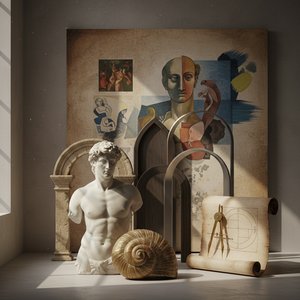 The Eloquence of Form: Exploring Aesthetic Principles & Historical Representations in ArtExplore the rich history of aesthetic principles in art! Discover formalism, abstract expressionism & color theory's impact on modern maste…
 Awe vs. Charm: Understanding the Sublime and the PicturesqueMaster the distinction between the Sublime and the Picturesque through Romantic era art. Explore the beauty of awe and charm today.