

 ნახვა ინტერьерში
 გაგზავნა
 გაზიარება
 დეტალები
 გზამკვლევი

 ჩამოტვირთვა
 მსგავსები
 რენტგენოგრაფიული კვლევა
 სლაიდშოუ
 სტატისტიკა
Демонстрационные рисунки


 სრული ტექსტის ნახვა
ამ გვერდზე წარმოდგენილი ნამუშევარი დაცულია საავტორო უფლების შესახებ კანონმდებლობით, რაც იმას ნიშნავს, რომ ჩვენ არ გვაქვს მისი იდენტური რეპროდუქციის შექმნის ან გაყიდვის სამართლებრივი უფლება. აღნიშნული დაცვა უზრუნველყოფილია ისეთი საერთაშორისო შეთანხმებებით, როგორიცაა ბერნის კონვენცია და ეროვნული კანონმდებლობით, მათ შორის იმ კანონებით, რომლებიც დეტალურად არის გაწერილი აშშ-ის საავტორო უფლების შესახებ კანონი - თავი 17.
ეს მეთოდი სრულად შეესაბამება საავტორო უფლებების რეგულაციებს, რადგან ის არ გულისხმობს დაცული ნამუშევრის კოპირებას ან დუბლირებას. ამგვარად, ეს წარმოადგენს შემოქმედებით რეინტერპრეტაციას — ახალ ნახატს, რომელიც შთაგონებითაა განპირობებული ორიგინალით, თუმცა არ არის მის იდენტურ ასლს.
გიკლე / ხელოვნების პრინტი
მუზეუმის დონის ჟიკლე ან ტილოზე ბეჭდვა სწრაფი წარმოებისა და დასრულების მოქნილი ვარიანტებით. ( შეიძინეთ ხელით შესრულებული ნახატი გადასვლა ციფრულ გამოსახულებაზე)




P118B ₾10

P118H ₾10

P118W ₾10

P438Z ₾10

P508JH ₾12

P508YH ₾12

P805H ₾10

P805Z ₾10

P919BZ ₾10

P919G ₾10

P919XJ ₾10

P959ZH ₾10

P968JZ ₾12

W106C ₾8

W218G ₾10

W218JH ₾8

W218Y ₾10

W307PJ ₾10

W316G ₾10

W316PJ ₾8

W316Y ₾10

W398PJ ₾8

W4111J ₾10

W500HY ₾15

W500JH ₾15

W692G ₾12

W849H ₾8

W940BG ₾15

W953PJ ₾8




აირჩიეთ ჩვენს მიერ წინასწარ განსაზღვრული ზომებიდან, რომლებიც ნაწარმოების ორიგინალურ პროპორციებს შეესაბამება.

შეიყვანეთ თქვენთვის საჭირო სიგანე და სიმაღლე, რათა იგი მოერგოს თქვენს ჩარჩოს ან კედელს. ბეჭდვისას შესაძლებელია მხოლოდ მისი შემცირება და არა გაზრდა, ამიტომ სხვა ფორმის ზომის შემთხვევაში გამოსახულება ნაწილობრივ იკარგება. სანამ რაიმეს დაბეჭდავთ, ჩვენ გამოგიგზავნით ციფრულ მაკეტს დასდასტურებლად. ამ გვერდზე ნაჩვენები სურათი არ ასახავს რეალურ ჭრას — ამას მხოლოდ მაკეტი გვიჩვენებს.
მიწოდება მთელ მსოფლიოში () 2 კვირაში, სტანდარტული 4/5 კვირის ნაცვლად. (26 ოქტომბერი)

უფასო ექსპრეს მიწოდება მთელ მსოფლიოში

მაღალი ხარისხის ტილო

ტრანსპორტირების სრული დაზღვევა

საბაჟო გადასახადების დაბრუნების გარანტია

ფერების სრული შესაბამისობის გარანტია

დაბრუნების 100-დღიანი პერიოდი (მხოლოდ წარმოების დეფექტის შემთხვევაში)

100% თანხის სრული დაბრუნების გარანტია

ფასდაკლება დიდი რაოდენობით შეკვეთისას
 მინის ჩარჩოს არჩევანი ხელმისაწვდომია მხოლოდ 110 სმ-მდე ზომისთვის

Демонстрационные рисунки
გიკლე / ხელოვნების პრინტი
რეპროდუქციის ზომა
-


ჯამური ღირებულება
₾ 208
Demonstration Drawings - Rirkrit Tiravanija: A Reflection on Shared Experience
Rirkrit Tiravanija emerged from the vibrant cultural landscape of Argentina and Thailand, shaping his artistic vision through formative encounters with diverse traditions and perspectives. Born in 1961, he embarked on a journey that spanned continents – Canada and the United States – fostering an understanding of global influences that would become central to his distinctive approach to artmaking. Unlike traditional artists focused solely on individual expression, Tiravanija champions collaboration and communal engagement as core tenets of his creative process; he succinctly encapsulates this philosophy as “bringing people together.” This ethos stems from a childhood steeped in nomadic upbringing across Thailand, Ethiopia, and Canada, profoundly impacting his worldview and informing the very essence of his artistic endeavors. His early academic pursuits at Carleton University steered him towards history, yet his fascination with visual arts quickly superseded scholarly interests, culminating in intensive studies at Ontario College of Art and Banff Centre School of Fine Arts before pursuing postgraduate studies at the School of the Art Institute of Chicago and Whitney Independent Studies Program. Moving to Manhattan solidified his artistic trajectory, establishing a base for continued exploration and experimentation within the dynamic milieu of New York City’s art scene. Tiravanija's artistic practice distinguishes itself through its deliberate disruption of conventional boundaries. Rejecting the solitary pursuit of aesthetic ideals, he prioritizes social interaction as a catalyst for transformative experiences—a concept vividly articulated in his belief that “art can change the world.” This conviction manifests in installations designed to foster dialogue and connection between participants, mirroring his childhood’s nomadic spirit and highlighting the importance of collective action. His seminal work, Untitled 2010 (14086), exemplifies this ethos: a brick-firing machine positioned within a gallery space invites visitors to engage in a participatory ritual—a symbolic gesture reflecting Tiravanija's broader preoccupation with reshaping societal norms and challenging established hierarchies. The Biennale di Venezia iteration of Untitled 2010–2015 builds upon this foundational principle, expanding the scope of communal engagement by distributing bricks among attendees. These bricks represent not merely building materials but also a tangible embodiment of the “family home,” symbolizing inclusivity and fostering connections beyond individual boundaries. Tiravanija’s artistic vision draws inspiration from Situationist ideology—specifically the slogan "别干了" ("Never Work")—which envisions a radical reimagining of labor as inseparable from leisure, thereby dismantling the alienation inherent in capitalist systems. Furthermore, the selection of 14,086 bricks underscores the aspiration to construct a modest dwelling for a family in China – a deliberate reference to architectural vernacular and a poignant commentary on social responsibility. Tiravanija’s artistic exploration delves into themes of community, collective action, and the transformative potential of shared experiences—a legacy that continues to resonate within contemporary art discourse.- Artist: Rirkrit Tiravanija
- Born Year: 1961
- Nationality: Thai
Style and Technique
Tiravanija’s artistic style leans heavily toward relational aesthetics, prioritizing social interaction as a driving force behind creative expression. His installations eschew formal conventions in favor of immersive environments designed to provoke contemplation and encourage dialogue among participants—a deliberate departure from traditional art forms focused solely on visual spectacle. The brick-firing machine itself serves as a conduit for conveying complex ideas about labor, community, and societal transformation. Tiravanija’s meticulous attention to detail ensures that each element contributes to the overall narrative of engagement and reflection.Historical Context
Inspired by Situationist philosophy—particularly the slogan “别干了” ("Never Work")—Tiravanija's work engages with broader socio-political currents, questioning the alienation associated with wage labor and advocating for a more harmonious coexistence between work and leisure. His conceptual approach aligns with the intellectual landscape of the late 20th century, reflecting a critical engagement with dominant cultural paradigms and challenging established hierarchies.Symbolism
The distribution of bricks symbolizes not only architectural construction but also the expansion of domestic intimacy—creating a space for communal connection and fostering inclusivity. The selection of “别干了” (“Never Work”) as a printed inscription underscores Tiravanija’s commitment to dismantling oppressive structures and promoting alternative visions of social organization.Emotional Impact
Ultimately, Tiravanija's art seeks to elicit profound emotional responses from viewers—provoking introspection and fostering empathy through immersive experiences that transcend the boundaries of conventional artistic representation. His installations invite participants into a realm of shared contemplation, encouraging dialogue and prompting reflection on fundamental questions concerning human connection and social responsibility.კითხვები და პასუხები
რომელი სივრცე შეესაბამება Rirkrit Tiravanija-ის „Демонстрационные рисунки“-ის ფერებს?
ნეიტრალური ტონები პალიტრის წყალობით, Rirkrit Tiravanija-ის „Демонстрационные рисунки“ რეკომენდებულია მისაღები ოთახი-ისთვის. სწორედ ფერები განაპირობებს ამ რეკომენდაციას.
სად შემიძლია ვიყიდო Rirkrit Tiravanija-ის „Демонстрационные рисунки“-ის ხელით ნათესლი?
Rirkrit Tiravanija-ის „Демонстрационные рисунки“-ის ხელით ნათესლიერი ასლები იყიდება ეს ვებსაიტი-ზე: ლენის ტილოზე შესრულებული ზეთწარმოთი, ხელით ნათესლით, მათი შეკვეთით მისი ხელით ნათესლიერი რეპროდუქცია გვერდიდან.
Rirkrit Tiravanija-ის „Демонстрационные рисунки“ ღია ფერების ნამუშევარია თუ მუქი?
„Демонстрационные рисунки“-ის საერთო სიკაშკაშე არის ბრწყინვალე, ხოლო მისი განათება — რბილი განათება.
მხატვრის ბიოგრაფია
The Art of Shared Experience: The Life and Vision of Rirkrit Tiravanija
To encounter the work of Rirkrit Tiravanija is to step away from the silent, sterile halls of traditional galleries and into a living, breathing space of human connection. Born in Buenos Aires, Argentina, in 1961, Tiravanija’s identity was forged through a nomadic childhood that spanned the diverse landscapes of Thailand, Ethiopia, and Canada. This global upbringing instilled in him a profound understanding of cultural fluidity and the universal language of shared existence. His artistic journey, while academically rooted in history and fine arts—spanning institutions from Carleton University to the School of the Art Institute of Chicago—eventually transcended the boundaries of the canvas and the sculpture to embrace the very essence of social interaction.
Tiravanija’s practice is famously defined by the concept of Relational Aesthetics, a term coined by curator Nicolas Bourriaud to describe art that takes as its theoretical horizon the realm of human interactions and its social context. Rather than producing static objects for passive observation, Tiravan andija creates environments that function as stages for living. His work rejects the idea of the artwork as an isolated commodity, instead prioritizing the ephemeral magic that occurs when strangers become participants in a shared moment. Through his lens, art is not something to be looked at, but something to be lived, tasted, and felt.
Breaking Bread: The Radicalism of the Everyday
The early 1990s marked a seismic shift in contemporary art with the arrival of Tiravanija’s groundbreaking installations. In his seminal work, “Pad Thai,” presented at the Paula Allen Gallery, he famously abandoned the traditional gallery object entirely. Instead of hanging paintings or placing pedestals, he transformed the exhibition space into a communal kitchen, preparing and serving Pad Thai to visitors. This audacious act of hospitality turned the gallery into a site of nourishment and dialogue, blurring the line between the artist’s labor and the audience's experience. This practice was not merely a performance but an invitation to engage with the conviviality of the everyday.
This theme of culinary connection continued through subsequent projects, such as his 1995 Carnegie International exhibition, where he provided instructions for cooking South-East Asian green curry. By utilizing familiar, domestic tasks like cooking and eating, Tiravanija strips away the pretension often associated with high art, replacing it with a sense of ritual and intimacy. His work serves as a powerful reminder that the most profound artistic experiences can be found in the simplest acts of togetherness, echoing his childhood memories of his grandmother’s garden restaurant where food was always a catalyst for community.
A Legacy of Connection and Social Dialogue
Beyond the sensory delights of shared meals, Tiravanija’s work carries a deep sociopolitical resonance. His more recent endeavors, such as his “Demonstration Drawings,” showcase a different facet of his practice—one that uses visual imagery to reflect on mass uprisings, power, and global capital. By commissioning Thai artists to translate photojournalistic images into drawings, he bridges the gap between historical documentation and contemporary social critique, proving that his commitment to "bringing people together" also extends to fostering critical awareness of the world around us.
The historical significance of Rirkrit Tiravanija lies in his ability to redefine the role of the artist from a creator of objects to a facilitator of experiences. His influence can be seen across generations of artists who seek to dismantle the walls between art and life. As he continues to work between New York, Berlin, and Chiang Mai, his practice remains an enduring testament to the power of relationality—a belief that in an increasingly fragmented world, the most radical act an artist can perform is to create a space where we might truly encounter one another.

Rirkrit Tiravanija
1961 -
მოკლე ფაქტები
- Artistic Movement Or Style: Relational Aesthetics
- Artists Or Movements Influenced By This Artist: ['Social Sculpture']
- Artists Who Influenced This Artist:
- Minimalism
- Conceptual Art
- Date Of Birth: 1961
- Full Name: Rirkrit Tiravanija
- Nationality: Thai
- Notable Artworks:
- Pad thai
- Untitled (free/still)
- Tom kha soup
- Place Of Birth: Buenos Aires, Argentina
მსგავსი სტატიები

The Enduring Form: Sculpture Across History, Technique & Emotional Resonance
Explore the rich history of sculpture with OriginalUniqueArt. Discover key techniques, influential artists & investment potential for discerning collectors. Expert insights into valuing and collecting timeless masterpieces.

Bronze Age to Modern Masters: 10 Sculptures That Redefined Art | OriginalUniqueArt
Journey through art history with 10 legendary bronze sculptures – from Michelangelo's David to Rodin’s Thinker. Explore the stories, techniques & timeless beauty of these masterpieces. Find museum-quality reproductions & elevate your home decor on OriginalUniqueArt.com.

The Enduring Form: Exploring Themes & Techniques in Sculpture Across Historical Periods
Explore the rich history of sculpture from ancient masterpieces to contemporary innovations. Discover key techniques, influential artists & investment potential for discerning art collectors.

Bronze Sculptures That Defined Art History | OriginalUniqueArt
Journey through art history with our Top 10 bronze sculptures! Explore masterpieces by Rodin, Michelangelo & more. Discover stories behind iconic statues and find museum-quality reproductions for your home decor at OriginalUniqueArt.com.
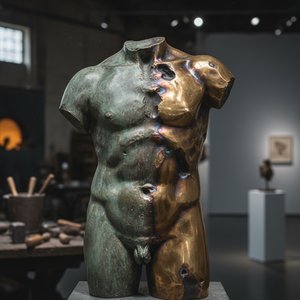
ბრინჯაოს ქანდაკების მარადიული მემკვიდრეობა: ისტორია, ტექნიკა და თანამედროვე ინტერპრეტაციები
გაიგეთ ბრინჯაოს ქანდაკების ისტორია, შექმნის ტექნიკა და თანამედროვე ინტერპრეტაციები. ხელოვნების კოლექციონერებისთვის ექსპერტული მიმოხილვა ინვესტირების პერსპექტივით.
