

 წინასწარი ნახვა
 გაგზავნა
 გაზიარება
 დეტალები

 ჩამოტვირთვა
 მსგავსები
 რენტგენოგრაფიული კვლევა
 სლაიდშოუ
Intermedian
 18.0 x 70.0 cm
 Canberra Museum and Gallery
 გადასართად დაწვრილებით ნახეთ
შეიძინეთ მაღალი რეზოლუციის, გაუმჯობესებული ციფრული გამოსახულება, რომელიც ხარისხით ბევრად აღემატება ონლაინ წინასწარ ნახვას.
თითოეულ ფაილს ჩვენი შიდა სპეციალისტები საგულდაგულოდ ამზადებენ თანამედროვე ინსტრუმენტებისა და პროფესიონალური რეტუშირების გამოყენებით. ჩვენ უზრუნველყოფთ, რომ თითოეულ გამოსახულებას ჰქონდეს გამორჩეული სიცხადე, ფერების ზუსტი გადაცემა და დეტალიზაცია.
დასრულებული ფაილი ელექტრონული ფოსტით 72 საათში გიგზავნით; იგი ოპტიმიზებულია პროფესიონალური, რედაქციული და პოლიგრაფიული გამოყენებისთვის. ეს არის ისეთივე ხარისხი, რომელსაც წამყვანი დიზაინ-სტუდიები, გამომცემლობები და გალერეები ენდობიან.
ციფრული გამოსახულება
ჩამოტვირთეთ მაღალი გარჩევადობის ფაილი პირადი გამოყენებისთვის, დასაბეჭდად და შემოქმედებითი პროექტებისთვის. ( გადართვა ბეჭდვაზე გადართვა ხელით შესრულებულ ნახატზე)
ყოველ ციფრულ გამოსახულების შეკვეთაში შედის
ექსპერტული ციფრული მიწოდება, გარანტირებული
როდესაც ირჩევთ OriginalUniqueArt.com-ს, თქვენ მხოლოდ სურათს კი არ იღებთ, არამედ იღებთ პროფესიონალურად დამუშავებულ ციფრულ ნამუშევარს, რომელიც შექმნილია უზადო სიზუსტით და დაცულია კმაყოფილების გარანტიით. თქვენს შეკვეთას ავტომატურად მოჰყვება შემდეგი:

სწრაფი მიწოდება ელექტრონული ფოსტით
თქვენს მაღალი რეზოლუციის ციფრულ გამოსახულებას ელექტრონული ფოსტით შეკვეთის დაწყებიდან 72 საათში მიიღებთ — ის მზად იქნება დაუყოვნებლივი გამოყენებისთვის.

AI-ით გაუმჯობესებული ციფრული ფაილი
თქვენი ხელოვნების ნიმუშები პროფესიონალურად არის ოპტიმიზებული მოწინავე AI ინსტრუმენტებისა და მექანიკური რედაქტირების მეშვეობით, რაც უზრუნველყოფს მაქსიმალურ დეტალიზაციას, სიცხადესა და ფერების სიზუსტეს.

ციფრული გამოსახულებების უფასო სამუდამო ხელახალი მიღება
ფაილი შემთხვევით წაიშალა ან დაკარგეთ? ნუបედავთ — ჩვენ მას ნებისმიერ დროს, უფასოდ ხელახლა გამოგეგზავნით.

იმპორტის გადასახადების გარეშე — ყოველთვის
ჭიდად ისიამოვნეთ თქვენი ნამუშევრით მყისიერად, საბაჟო გადასახადის, მოსაკრებლის ან მიწოდების ხარჯის გარეშე - ციფრული ჩამტვირთვისას ყოველთვის საგადასახადო თავისუფლებაა.

ფერების სიზუსტის გარანტია
პროფესიონალური ინსტრუმენტებისა და ფერების მართვის სისტემის გამოყენებით, ჩვენ უზრუნველყოფთ, რომ თქვენი ციფრული გამოსახულება მაქსიმალურად ზუსტად ასახავდეს ორიგინალურ ფერებს.

60-დღიანი კმაყოფილების გარანტია
თუ თქვენს ციფრულ გამოსახულებას ვერ დაკმაყოფილებთ, ჩვენ შევირჩევთ მას ან დავაბრუნებთ 100% თანხას 60 დღის განმავლობაში — ყოველგვარი დამატებითი კითხვის გარეშე.

100% თანხის დაბრუნების გარანტია
არ არის თქვენი კმაყოფილების საფუძველი? მიიღეთ თანხის სრული დაბრუნება ციფრული ფაილის მიღებიდან 60 დღის განმავლობაში — ყოველგვარი დამატებითი კითხვის გარეშე.

ფასდაკლება დიდი რაოდენობით შეკვეთაზე
შეიძინეთ 3 გამოსახულება და მიიღეთ 10% ფასდაკლება - შეიძინეთ 5 და მიიღეთ 15% ფასდაკლება - შეიძინეთ 10+-ზე და მიიღეთ 20% ფასდაკლება. იდეალურია კრეატიული პროექტებისთვის, გალერეებისა და სააგენტოებისთვის.
კოლექციონირებადი ნივთის აღწერა
მხატვრის ბიოგრაფია
John Constable: A Revolutionary of Light and Landscape
Born on June 11, 1776, in the tranquil village of East Bergholt, Suffolk, John Constable’s life was inextricably linked to the rolling hills and shimmering waterways of his native England. His early years were shaped by a modest upbringing within a prosperous corn merchant family, an environment that initially steered him towards a career in business. However, a nascent artistic sensibility, nurtured through exposure to his uncle’s collection of prints and drawings, ultimately led him down a radically different path – one dedicated to capturing the essence of the English countryside with unprecedented honesty and emotional depth.
Constable's formative years were spent at a local day school in Dedham, Essex, a location that would become the cornerstone of his artistic vision. It was here, amidst the familiar landscapes of the Vale of Dedham, that he began to develop his unique style – one characterized by an intense observation of light and shadow, a masterful use of atmospheric perspective, and a profound connection with the natural world. Unlike many of his contemporaries who idealized their subjects, Constable sought to represent reality as he perceived it, imbuing his paintings with a palpable sense of immediacy and feeling.
His early works, such as *The Hay Wain* (1820), quickly gained recognition for their unassuming charm and remarkable depiction of rural life. This painting, depicting a simple picnic scene on the banks of the River Stour, became an instant success, establishing Constable’s reputation as a leading landscape painter. However, it was his later paintings, particularly those focused on Dedham Vale – a series of canvases that he considered his “best” – that truly cemented his legacy. These works, including *Dedham Vale* (1821) and *The Cornfield* (1826), are celebrated for their luminous quality, their subtle shifts in color, and their ability to evoke the quiet beauty of the English countryside.
A Romantic at Heart
Constable’s artistic journey unfolded during a period of significant social and intellectual change – the late 18th and early 19th centuries. His work is firmly rooted in the Romantic movement, an artistic and literary trend that emphasized emotion, imagination, and the sublime power of nature. Unlike the Neoclassical painters who favored classical themes and idealized forms, Constable sought to capture the raw beauty and untamed spirit of the English landscape. He was deeply influenced by artists such as J.M.W. Turner, whose use of light and color he admired immensely.
However, Constable’s approach to Romanticism differed from that of many of his contemporaries. While he shared their fascination with nature, he rejected the grand, dramatic landscapes favored by some Romantic painters. Instead, he focused on the intimate details of everyday life – the changing seasons, the activities of rural communities, and the subtle shifts in light and shadow. His paintings are not intended to overwhelm the viewer with spectacle but rather to invite them into a quiet contemplation of the natural world.
Technique and Innovation
Constable’s artistic technique was characterized by a remarkable degree of observation and experimentation. He frequently painted *en plein air* – directly from nature – which allowed him to capture the fleeting effects of light and atmosphere with unparalleled accuracy. His use of color was particularly innovative, as he employed a wide range of hues and tones to create a sense of depth and luminosity. Unlike many of his contemporaries who relied on carefully mixed pigments, Constable often applied thin washes of paint directly to the canvas, allowing the colors to blend and mingle naturally.
He also developed a unique approach to depicting atmospheric perspective – the gradual fading of detail and color with distance. This technique, which he perfected over many years, is evident in his paintings of Dedham Vale, where distant hills appear to dissolve into a hazy blue-gray mist. Constable’s mastery of light and atmosphere was truly revolutionary, and it profoundly influenced generations of landscape painters who followed him.
Legacy and Recognition
Despite his artistic brilliance, Constable faced considerable challenges during his lifetime. His paintings were often met with skepticism by critics and the public, who found his unidealized depictions of rural life to be unconventional and lacking in grandeur. He struggled financially throughout much of his career, and he died in relative obscurity at the age of 60.
However, Constable’s reputation gradually grew after his death, and today he is widely regarded as one of England's greatest landscape painters. His paintings are celebrated for their honesty, their emotional depth, and their remarkable depiction of the English countryside. The area surrounding Dedham – known as “Constable Country” – has been designated a National Landscape, ensuring that future generations will be able to appreciate the beauty and tranquility of his beloved landscapes.
Thomas Moran: A Parallel Vision
While separated by decades and geographical distance, Thomas Moran’s artistic career shares intriguing parallels with Constable's. Both artists were deeply influenced by the Romantic movement and sought to capture the essence of the natural world through their paintings. However, Moran focused primarily on the dramatic landscapes of the American West – the Rocky Mountains, Yellowstone National Park, and the Grand Canyon – while Constable remained firmly rooted in the familiar countryside of Suffolk.
Despite these differences, both artists shared a commitment to observation, experimentation, and emotional honesty. Moran’s use of color and atmospheric perspective was equally innovative as Constable's, and his paintings are celebrated for their breathtaking beauty and dramatic power. Together, Constable and Moran represent two distinct yet complementary approaches to landscape painting – one rooted in the quiet intimacy of the English countryside, the other in the vast grandeur of the American West.
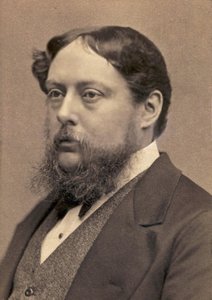
richard anthony proctor
1837 - 1888 , United Kingdom
მოკლე ინფორმაცია
- Artistic Movement Or Style: Romanticism
- Artists Or Movements Influenced By This Artist: ['Barbizon school']
- Artists Who Influenced This Artist: ['J.M.W. Turner']
- Date Of Birth: June 11, 1776
- Date Of Death: March 31, 1837
- Full Name: John Constable
- Nationality: English
- Notable Artworks:
- The Hay Wain
- Dedham Vale
- Wivenhoe Park
- Place Of Birth: East Bergholt, Suffolk

