

 წინასწარი ნახვა
 გაგზავნა
 გაზიარება
 დეტალები
 გზამკვლევი

 ჩამოტვირთვა
 მსგავსები
 რენტგენოგრაფიული კვლევა
 სლაიდშოუ
 სტატისტიკა
The discovery of fire
 Surrealism
 1935
1935 22.0 x 15.0 cm
 გადასართად დაწვრილებით ნახეთ
შეიძინეთ მაღალი რეზოლუციის, გაუმჯობესებული ციფრული გამოსახულება, რომელიც ხარისხით ბევრად აღემატება ონლაინ წინასწარ ნახვას.
თითოეულ ფაილს ჩვენი შიდა სპეციალისტები საგულდაგულოდ ამზადებენ თანამედროვე ინსტრუმენტებისა და პროფესიონალური რეტუშირების გამოყენებით. ჩვენ უზრუნველყოფთ, რომ თითოეულ გამოსახულებას ჰქონდეს გამორჩეული სიცხადე, ფერების ზუსტი გადაცემა და დეტალიზაცია.
დასრულებული ფაილი ელექტრონული ფოსტით 72 საათში გიგზავნით; იგი ოპტიმიზებულია პროფესიონალური, რედაქციული და პოლიგრაფიული გამოყენებისთვის. ეს არის ისეთივე ხარისხი, რომელსაც წამყვანი დიზაინ-სტუდიები, გამომცემლობები და გალერეები ენდობიან.
ციფრული გამოსახულება
ჩამოტვირთეთ მაღალი გარჩევადობის ფაილი პირადი გამოყენებისთვის, დასაბეჭდად და შემოქმედებითი პროექტებისთვის. ( გადართვა ბეჭდზე შეიძინეთ ხელით შესრულებული ნახატი)
ყოველ ციფრულ გამოსახულების შეკვეთაში შედის
ექსპერტული ციფრული მიწოდება, გარანტირებული
როდესაც ირჩევთ OriginalUniqueArt.com-ს, თქვენ მხოლოდ სურათს კი არ იღებთ, არამედ იღებთ პროფესიონალურად დამუშავებულ ციფრულ ნამუშევარს, რომელიც შექმნილია უზადო სიზუსტით და დაცულია კმაყოფილების გარანტიით. თქვენს შეკვეთას ავტომატურად მოჰყვება შემდეგი:

სწრაფი მიწოდება ელექტრონული ფოსტით
თქვენს მაღალი რეზოლუციის ციფრულ გამოსახულებას ელექტრონული ფოსტით შეკვეთის დაწყებიდან 72 საათში მიიღებთ — ის მზად იქნება დაუყოვნებლივი გამოყენებისთვის.

AI-ით გაუმჯობესებული ციფრული ფაილი
თქვენი ხელოვნების ნიმუშები პროფესიონალურად არის ოპტიმიზებული მოწინავე AI ინსტრუმენტებისა და მექანიკური რედაქტირების მეშვეობით, რაც უზრუნველყოფს მაქსიმალურ დეტალიზაციას, სიცხადესა და ფერების სიზუსტეს.

ციფრული გამოსახულებების უფასო სამუდამო ხელახალი მიღება
ფაილი შემთხვევით წაიშალა ან დაკარგეთ? ნუបედავთ — ჩვენ მას ნებისმიერ დროს, უფასოდ ხელახლა გამოგეგზავნით.

იმპორტის გადასახადების გარეშე — ყოველთვის
ჭიდად ისიამოვნეთ თქვენი ნამუშევრით მყისიერად, საბაჟო გადასახადის, მოსაკრებლის ან მიწოდების ხარჯის გარეშე - ციფრული ჩამტვირთვისას ყოველთვის საგადასახადო თავისუფლებაა.

ფერების სიზუსტის გარანტია
პროფესიონალური ინსტრუმენტებისა და ფერების მართვის სისტემის გამოყენებით, ჩვენ უზრუნველყოფთ, რომ თქვენი ციფრული გამოსახულება მაქსიმალურად ზუსტად ასახავდეს ორიგინალურ ფერებს.

კმაყოფილების 100-დღიანი გარანტია
თუ თქვენ არ დაკმაყოფილებული ხართ თქვენი ციფრული გამოსახულებით, ჩვენ შევიტანთ მასში ცვლილებებს ან დაგიბრუნებთ 100% თანხას 100 დღის განმავლობაში - ყოველგვარი კითხვის დასმევის გარეშე.

100% თანხის დაბრუნების გარანტია
არ არის კმაყოფილი? მიიღეთ სრული თანხის დაბრუნება ციფრული ფაილის მიღებიდან 100 დღის განმავლობაში — ყოველგვარი დამატებითი კითხვების გარეშე.

ფასდაკლება დიდი რაოდენობით შეკვეთაზე
შეიძინეთ 3 გამოსახულება და მიიღეთ 10% ფასდაკლება - შეიძინეთ 5 და მიიღეთ 15% ფასდაკლება - შეიძინეთ 10+-ზე და მიიღეთ 20% ფასდაკლება. იდეალურია კრეატიული პროექტებისთვის, გალერეებისა და სააგენტოებისთვის.
A Surreal Ignition: René Magritte’s ‘The Discovery of Fire’ (1935)
“The Discovery of Fire”, painted in 1935 by the master of surrealism, René Magritte, is a captivating and unsettling work that embodies the core tenets of his artistic vision. Measuring just 22 x 15 cm, this oil painting packs an immense symbolic punch, presenting a gleaming brass tuba dramatically engulfed in flames. It’s a small canvas with a monumental idea at its heart.Subject & Style: The Unexpected Encounter
The image is strikingly incongruous – a meticulously rendered musical instrument consumed by the raw energy of fire. Magritte doesn't depict the *act* of discovering fire, but rather presents us with its aftermath, or perhaps a paradoxical moment where creation and destruction are inextricably linked. This juxtaposition is quintessential Magritte. The style firmly resides within Surrealism, characterized by illogical scenes, dreamlike imagery, and a deliberate unsettling of reality. While influenced by earlier movements like Impressionism in his formative years, Magritte moved decisively towards a precise, almost hyper-realistic depiction of unreal scenarios. The work echoes the spirit of artists like Giorgio de Chirico, who also explored themes of alienation and mystery through unexpected combinations of objects.Technique & Composition: Precision Meets Chaos
Magritte’s technical skill is evident in the smooth, reflective surfaces of the tuba, contrasted sharply with the turbulent texture of the flames. The oil paint is applied with visible brushstrokes, lending a tactile quality to both elements. The composition centers the tuba within the frame, emphasizing its importance as the focal point. A shallow depth of field and limited atmospheric perspective contribute to a slightly claustrophobic feel, drawing the viewer directly into the scene. Strong highlights and shadows sculpt the forms, enhancing their dramatic impact. The lines are clean and defined, particularly in outlining the instrument, while the flames possess an organic, flowing quality.Symbolism & Interpretation: Beyond the Literal
The symbolism within “The Discovery of Fire” is open to interpretation – a hallmark of Magritte’s work. The tuba, traditionally associated with music and harmony, is here subjected to violent destruction. This could represent the destructive potential inherent in beauty or artistry itself. Fire, universally symbolic of transformation, passion, and even purification, adds another layer of complexity. Is this a depiction of creative inspiration burning brightly, or a warning about the dangers of unchecked power? The title itself invites contemplation: what *is* the discovery of fire beyond its practical application? Perhaps it’s the realization of our own destructive capabilities, or the awakening of primal instincts.Historical Context & Legacy
Created in 1935, during a period of growing political unrest in Europe, the painting can also be viewed through the lens of societal anxieties. Magritte's work often subtly challenged conventional thinking and questioned established norms. His influence on subsequent generations of artists is undeniable, particularly within Pop Art and Conceptual Art. Today, his paintings are held in major museum collections worldwide, including the Menil Collection in Houston, which showcases a significant body of Surrealist art.Emotional Impact & Interior Design
“The Discovery of Fire” evokes a complex emotional response – fascination mingled with unease. It’s a piece that demands attention and encourages contemplation. Its dramatic color palette—fiery reds, oranges, and yellows against the cool brass tones—makes it a striking statement piece for any interior. A high-quality reproduction would be particularly effective in modern or minimalist spaces, adding a touch of intellectual intrigue and artistic sophistication. The painting’s small size also makes it versatile; it could work well as part of a gallery wall or as a focal point in a smaller room.- Style: Surrealism
- Medium: Oil on Canvas
- Dimensions: 22 x 15 cm
- Year: 1935
მხატვრის ბიოგრაფია
Early Life and the Seeds of Surrealism
René Magritte, born René François Ghislain Magritte on November 21, 1898, in Lessines, Belgium, emerged into a world that would profoundly shape his enigmatic artistic vision. His early years were marked by an unsettling event – the suicide of his mother when he was just thirteen. The image of her body being recovered from the River Sambre, with her dress obscuring her face, became a haunting motif that would subtly permeate his later work, manifesting in veiled figures and a persistent exploration of hidden realities. This early trauma instilled within him a fascination with mystery, loss, and the unsettling power of what remains unseen. While details of his childhood remain somewhat elusive, it’s clear this formative experience laid the groundwork for his lifelong questioning of perception and representation. He began drawing lessons at age ten, revealing an innate inclination towards visual expression, but initially explored Impressionism before embarking on a path that would lead him to become one of the most significant figures in Surrealist art.
Artistic Development and Influences
Magritte’s artistic journey was not immediate or straightforward. He studied at the Académie Royale des Beaux-Arts in Brussels, yet found its traditional methods stifling. His early work experimented with Futurism and Cubism, absorbing elements of these avant-garde movements but ultimately rejecting their purely formal concerns. It wasn't until encountering Giorgio de Chirico’s painting *The Song of Love* in 1922 that Magritte discovered a resonance that would irrevocably alter his artistic course. De Chirico’s dreamlike landscapes and unsettling juxtapositions unlocked within Magritte a new way of seeing – a world where the familiar could be rendered strange, and the ordinary imbued with profound mystery. This encounter sparked his commitment to Surrealism, though he often maintained a unique distance from its more overtly psychological or automatic approaches. He preferred a meticulous, almost clinical precision in his painting, using realistic techniques to depict illogical scenarios.
The Heart of Surrealism: Challenging Reality
By 1926, Magritte had fully embraced the tenets of Surrealism, producing *Le Jockey Perdu (The Lost Jockey)*, widely considered his first truly surrealist work. However, his brand of Surrealism was distinct. He wasn’t interested in exploring the subconscious through free association or dream imagery in the manner of some of his contemporaries. Instead, Magritte sought to challenge viewers' perceptions of reality by presenting ordinary objects in unexpected contexts, forcing them to question their assumptions about the world around them. Iconic works like *The Treachery of Images (This is not a pipe)* (1929) brilliantly deconstructs the relationship between image and object, reminding us that a representation is never the thing itself. *Les Amants (The Lovers)* (1927-1928), with its shrouded figures, echoes the trauma of his mother’s death while simultaneously exploring themes of concealment and intimacy. *Time Transfixed* (1938) presents a locomotive bursting through a brick wall, disrupting our sense of space and time. And *The Human Condition* (1933), a canvas within a canvas, blurs the boundaries between representation and reality, prompting us to consider how we perceive and interpret the world.
Major Achievements and Recognition
Despite initial struggles for recognition, Magritte’s work gradually gained prominence, particularly in the United States with exhibitions in 1936 and later retrospective shows at the Museum of Modern Art (1965) and the Metropolitan Museum of Art (1992). He remained politically engaged throughout his life, advocating for artistic autonomy. He continued to refine his signature style, exploring themes of repetition, illusion, and the power of language in paintings that are both intellectually stimulating and visually arresting. Magritte died on August 15, 1967, leaving behind a body of work that continues to captivate and challenge audiences worldwide. His influence extends far beyond the realm of painting, impacting pop art, minimalist art, conceptual art, and even advertising and film.
- Museum Collections: Musées royaux des Beaux-Arts de Belgique, Brussels; Magritte Museum
Magritte's enduring legacy lies in his ability to make us see the familiar anew, to question our assumptions about reality, and to appreciate the power of art to provoke thought and inspire wonder. He wasn’t simply painting images; he was crafting visual paradoxes that continue to resonate with viewers decades after their creation, solidifying his position as a true master of Surrealism and a pivotal figure in 20th-century art.
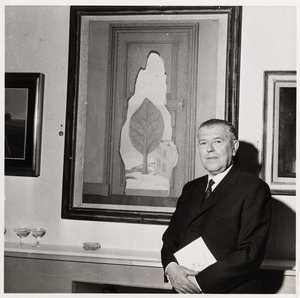
რენე მარგრიტი
1898 - 1967 , ბელგია
მოკლე ინფორმაცია
- Artistic Movement Or Style: სურრეალიზმი
- Artists Or Movements Influenced By This Artist:
- პოპ არტის
- მინიმალიზმი არტის
- Artists Who Influenced This Artist: ['გიორგი დე ჩირიკო']
- Date Of Birth: ნovemბერი 21, 1898
- Date Of Death: აგვისტოს 15, 1967
- Full Name: René François Ghislain Magritte
- Nationality: ბელგიელი
- Notable Artworks:
- ლე ამანტსი
- თე ტრᅦჩერაჰი ოფ იმ აჟე სის
- ไทม์ ტრანსფიქსਡ
- თე ჰუმენ კონდიშენი
- Place Of Birth: ლესინეს ბელგია