
 წინასწარი ნახვა
 გაგზავნა
 გაზიარება
 დეტალები
 გზამკვლევი

 ჩამოტვირთვა
 მსგავსები
 რენტგენოგრაფიული კვლევა
 სლაიდშოუ
 კითხვა-პასუხი
 სტატისტიკა
 ტოპ 100 ნამუშევარი
შეფარული მკვლელი

- 150.0 x 195.0 cm


 გააგრძელეთ კითხვა
მიიღეთ ბეჭდვისთვის გამზადებული ფაილი, რომლის ხარისხიც ბევრად აღემატება ვებ-პრევიუსს. ჩვენს ბაზაში არსებული ყველა ციფრული გამოსახულება ეყრდნობა მაღალი რეზოლუციის ორიგინალს — როგორც წესი, 5,000-დან 15,000 პიქსელამდე სიგანის — რაც საშუალებას გაძლევთ, თავდაჯერებულად დაამბოროთ დიდი ზომის ბეჭდვა, მოახდინოთ ფრაგმენტის მჭიდროდ გამოჭრა ან აღადგინოთ ნატიფი დეტალები.
ჩვენს სტუდიაში არცერთი ფაილი შეუმჩნევლად არ რჩება. ციფრული ექსპერტი ადარებს ფერებს ორიგინალ ნახატს და საჭიროების შემთხვევაში ასწორებს მათ, შემდეგ კი პროფესიონალური რეტუშირების ინსტრუმენტებით აუმჯობესებს სიცხადესა და დეტალიზაციას — ყოველთვის ოსტატის ფუნჯის მონაკვეთებისა და სტილის ერთგულებით. შედეგი არის გამოსახულება, რომელიც ნამდვილ ნახატს ჰგავს და არა ფილტრებულ სკანირებას.
თქვენ აკონტროლებთ პროცესს მის დასრულებამდე: ჩვენი ექსპერტი 72 საათის განმავლობაში გამოგიგზავნით გამოსახულებას ელექტრონული ფოსტით გადასასინჯად. არ დაკმაყოფილებული? მოითხოვეთ ცვლილებები ან შესწორებები, ან მოითხოვეთ თანხის დაბრუნება, თუ ხარისხი თქვენს მოლოდინს ვერ შეესაბამება.
ეს არის ხარისხი, რომელსაც ენდობიან გამომცემლობები, დიზაინ სტუდიები, გალერეები და அச்சგამოცემები.
ციფრული გამოსახულება
ჩამოტვირთეთ მაღალი გარჩევადობის ფაილი პირადი გამოყენებისთვის, დასაბეჭდად და შემოქმედებითი პროექტებისთვის. ( ბეჭდვის რეჟიმზე გადართვა შეიძინეთ ხელით შესრულებული ნახატი)
ყოველ ციფრულ გამოსახულების შეკვეთაში შედის
ექსპერტული ციფრული მიწოდების გარანტია
როდესაც ირჩევთ OriginalUniqueArt.com-ს, თქვენ მხოლოდ სურათს კი არ იღებთ, არამედ იღებთ პროფესიონალურად დამუშავებულ ციფრულ ნამუშევარს, რომელიც შექმნილია უზადო სიზუსტით და დაცულია კმაყოფილების გარანტიით. თქვენს შეკვეთას ავტომატურად მოჰყვება შემდეგი:

სწრაფი ელექტრონული მიწოდება
თქვენს მაღალი რეზოლუციის ციფრულ გამოსახულებას შეკვეთის დაწყებიდან 72 საათში ელექტრონული ფოსტით მიიღებთ — ის მზად იქნება დაუყოვნებლივი გამოყენებისთვის.

ხელოვნური ინტელექტით გაუმჯობესებული ციფრული გამოსახულება
თქვენი ხელოვნების ნიმუშები პროფესიონალურად არის ოპტიმიზებული მოწინავე AI ინსტრუმენტებისა და მექანიკური რედაქტირების მეშვეობით, რაც უზრუნველყოფს მაქსიმალურ დეტალიზაციას, სიცხადესა და ფერების სიზუსტეს.

ციფრული გამოსახულებების უფასო სამუდამო ხელახალი მიღება
ფაილი შემთხვევით წაიშალა ან დაკარგეთ? ნუបედავთ — ჩვენ მას ნებისმიერ დროს, უფასოდ ხელახლა გამოგეგზავნით.

იმპორტის გადასახადების გარეშე — ყოველთვის
ჭიდად ისიამოვნეთ თქვენი ნამუშევრით მყისიერად, საბაჟო გადასახადის, მოსაკრებლის ან მიწოდების ხარჯის გარეშე - ციფრული ჩამტვირთვისას ყოველთვის საგადასახადო თავისუფლებაა.

ფერების სიზუსტის გარანტია
პროფესიონალური ინსტრუმენტებისა და ფერების მართვის სისტემის გამოყენებით, ჩვენ უზრუნველყოფთ, რომ თქვენი ციფრული გამოსახულება მაქსიმალურად ზუსტად ასახავდეს ორიგინალურ ფერებს.

კმაყოფილების 100-დღიანი გარანტია
თუ თქვენ არ დაკმაყოფილებული ხართ თქვენი ციფრული გამოსახულებით, ჩვენ შევიტანთ მასში ცვლილებებს ან დაგიბრუნებთ 100% თანხას 100 დღის განმავლობაში — ყოველგვარი კითხვის დასმევის გარეშე.

100% თანხის დაბრუნების გარანტია
არ არის კმაყოფილი? მიიღეთ თანხის სრული დაბრუნება ციფრული ფაილის მიღებიდან 100 დღის განმავლობაში — ყოველგვარი დამატებითი კითხვების გარეშე.

ფასდაკლება დიდი რაოდენობით შეკვეთაზე
შეიძინეთ 3 გამოსახულება და მიიღეთ 10% ფასდაკლება - შეიძინეთ 5 და მიიღეთ 15% ფასდაკლება - შეიძინეთ 10+-ზე და მიიღეთ 20% ფასდაკლება. იდეალურია კრეატიული პროექტებისთვის, გალერეებისა და სააგენტოებისთვის.
რენე მაგრიტის "გამუქებული მკვლელი": სიზმრების სამეფოდან ერთ-ერთი ყველაზე გამორჩეული ნაწარმოები
რენე მაგრიტის "გამუქებული მკვლელი" (L'Assassin menacé), 1927 წლის ტილო, წარმოადგენს სურრეალიზმის ეპოქის ერთ-ერთ უმნიშვნელოვანეს შედევრად. ეს ნაწარმოები, რომელიც დღეისთვის ამერიკის თანამედროვე ხელოვნების მუზეუმში (MoMA) ინახება, დამთვალიერებლებს გადა transportingს აბნაკარა სამყაროში, სადაც ჩვეული და წარმოუდგენელი ერთმანეთში ერევა. მაგრიტმა თავისი ტიპური სტილის გამოყენებით, შექმნა კომპოზიცია, რომელიც იწვევს შფოთვას, კითხვებსა და ფილოსოფიურ მსჯელობას ადამიანის არსებობის შესახებ.კომპოზიციის ანალიზი: სიმბოლოები და კონტრასტები
ნაწარმოებში ხედვადია პეიზაჟი, რომელიც განათებულია ნაზვი, მოცისფერი ფერებით. ოთახში, ელეგანტურად ჩაცმული ქალი მიწევს წითელ საწოლზე, თითქოსდა უგულებელყოფს საკუთარ მდგომარეობას. მის ზემოთ, მასშტაბური ოქროს გრამოფონი დგას, რომელიც სიმბოლოა დამთვალვერების და შეღავთრებისთვის. ორი მამაკაცი, რომლებიც ბოილერის ქუდი აცვიათ, მკაცრი სახეებით გვხედავენ, ისინი წარმოადგენენ ხელისუფლების ანონიმურობის განსახიერებას. ფონის სიბნელმემორეში, ჩრდილებიდან ადამიანების თავსებ გამოჩნდა, რაც მიანიშნებს დამალვილ დამთვალვერლებზე. ოთახში ასევე მოქცეულია მუქი ფორმის სავარცხელი, რომელიც კიდევ უფრო ზღუდავს ამაღელვებას და საიდუმოებას. მაგრიტის უნიკალური ტექnika - ზუსტი რეალიზმი წარმოუდგენლად არაცნობიერ კონტექსტში - ქმნის დეზორიენტაციის გრძნობას, რომელიც გამოწვევს ჩვენს აღქმის შეცვლას.ისტორიული კონტექსტი და სურრეალიზმის გავლენა
"გამუქებული მკვლელი" შეიქმნა პირველი მსოფლიო ომის შემდეგ, პერიოდში, როდესაც სურრეალიზმი ცდილობდა გაეხსნა აზროვნების, ენისა და ადამიანური გამოცდილების საზღვრები. ფსიქოანალიტიკოს ზიგმუნდ ფროიდის თეორიების შთაგონებით, სურრეალისტმა მხატვრებმა, მაგრიტმა ჩათვალა, რომ უნდა შესწავლა ოცნებების სამყარო, ქვეცნობიერი და არაცIONALური. ეს ნაწარმოები გამოხატავს სწორედ ამ 탐구를, რომელიც отказывается აზროვნებისაგან და ემსახურება ფანტაზიას. მაგრიტის შემოქმედებაში მნიშვნელოვნა როლს თამაშობს "ფანტომასი", პოპულარული 범죄 시리즈, რომლის სცენებიდან მუდამ იღებდა შთაგონებას.ემოციური გავლენა და ხელოვნების ძალა
"გამუქებული მკვლელი" არ არის მხოლოდ ვიზუალურად მომხიბლავი ნაწარმოები, არამედ ის ასევე წარმოქმნის ღრმავრცეული ემოციურ რეზონანსს. დამთვალიერებელი გრძნობს შფოთვას, უსაფრთხოების ნაკლებობას და საიდუმოებას. ნაწარმოები იწვევს კითხვებს ადამიანის არსებობის შესახებ, განსაკუთრებით იმის შესახებ, თუ რამდენად ხშირად ვართ ჩვენ დამთვალვერებლების ქვეშ, ანუ როგორ გვიცნობენ სხედანს. მაგრიტის ხელოვნება გვასწავლის, რომ რეალობა შეიძლება იყოს უფრო რთული და არაცნობიერი, ვიდრე ჩვენი აღქმა გვაძლევს საშუალებას. "გამუქებული მკვლელი" არის ტილო, რომელიც აინტერესებს თაობებს, მისი სიმბოლოები და ემოციური ძალაუფლება კი დღემდე ინარჩუნებენ აქტუალობას.კითხვები და პასუხები
რომელი სივრცე შეესაბამება რენე მაგრიტი-ის „შეფარული მკვლელი“-ის ფერებს?
რენე მაგრიტი-ის „შეფარული მკვლელი“-ის ბუნებრივი ტონები ფერები იდეალურად ერგება მის რეკომენდებულ სივრცეს: მისაღები ოთახი.
შეიძლება თუ არა რენე მაგრიტი-ის „შეფარული მკვლელი“-ის გამოსახულების თავისუფლად რეპროდუცირება?
ავტორული უფლებების სტატუსი ნამუშევრისთვის რენე მაგრიტი-ის „შეფარული მკვლელი“: ნამუშევარი არის კვლავ დაცულია საავტორო უფლებით. ეს განსაზღვრავს, შესაძლებელია თუ არა გამოსახულების რეპროდუქციის თავისუფლად წარმოება.
რა არის „შეფარული მკვლელი“-ის რეპროდუცირების უფლებები MoMA - Moderni Kaloi Muzeumi-ში?
რენე მაგრიტი-ის „შეფარული მკვლელი“-ის საავტორო უფლებების სტატუსი ნათელია: ნამუშევარი არის კვლავ დაცულია საავტორო უფლებით. მისი ყოფნა MoMA - Moderni Kaloi Muzeumi-ში ამ სტატუსს არ ცვლის.
მხატვრის ბიოგრაფია
The Early Life of René Magritte
Born René François Ghislain Magritte on November 21, 1898, in Lessines, Belgium, the artist entered a world defined by the quiet industry of his family. His father, Léopold Magritte, worked as a tailor and textile merchant, providing a stable, if unremarkable, upbringing. By the age of ten, René Magritte had already begun to seek out formal drawing lessons, discovering an early inclination toward visual expression that would eventually define his life's work.
A profound shadow fell over his adolescence in 1912 when his mother, Régina Bertinchamps, died by suicide. This loss left a permanent mark on his psyche, introducing a sense of mystery and concealment that would later manifest in his paintings through veiled figures and obscured faces. Such personal trauma often informs the quiet tension found in his later compositions, where the seen and the unseen exist in a state of constant friction.
His formal training began in earnest at the Académie Royale des Beaux-Arts in Brussels, where he studied from 1916 to 1918. During these years, he moved away from the simple sketches of his youth toward a more disciplined understanding of form. This period of academic study provided the technical foundation necessary for the conceptual shifts that would follow as he moved toward the avant-garde movements of the early twentieth century.
Artistic Development and Early Influences
Magritte’s early forays into painting around 1915 were marked by an Impressionistic sensibility. These initial efforts were far from the cerebral puzzles that would later define his name. During the First World War, his path took a detour into the military, where he served as a cartographer in the Belgian army. This period of service provided a structured, technical contrast to his burgeoning creative impulses. Upon returning to his studies, he began to move away from the soft edges of Impressionism, experimenting instead with the fractured planes of Cubism and the dynamic energy of Futurism. These movements offered him a way to deconstruct the visual world, though he would eventually find their formal concerns too limiting for his specific vision.
A profound shift occurred when he encountered the work of Giorgio de Chirico. The 1914 painting The Song of Love left a lasting impression on him, introducing a sense of dreamlike tension that resonated deeply. This encounter helped steer him toward a style that favored the unsettling juxtaposition of the familiar. He also drew inspiration from the paintings of William Degouve de Nuncques, whose influence contributed to the development of his unique aesthetic. These early years were a period of searching, a time when he moved through various avant-garde styles to find a language capable of expressing the strange logic of the subconscious.
The Paris Years and Surrealism
By 1927, the quietude of his Belgian life gave way to the restless energy of Paris. This move marked a significant shift in his trajectory, as he became deeply involved with the Surrealist group. In the cafes and studios of the city, he found a community of like-minded thinkers, forming friendships with figures such as André Breton, Paul Éluard, and Salvador Dalí. These connections were not merely social; they were intellectual alignments that helped define his place within the movement. He moved through this period with a sense of purpose, seeking to translate the irrational into a visual language that challenged the logic of the waking world.
His transition into this new mode of expression had already begun in 1926 with the production of Le Jockey Perdu (The Lost Jockey), a work widely recognized as his first truly surrealist painting. This early foray into the unexpected preceded his formal immersion in the Parisian scene. During his time in the city, his professional life took on a more structured, if precarious, form. In 1929, he was put under contract at the Goemans Gallery in Paris, alongside Jean Arp and Yves Tanguy. This period of formal association provided a brief window of stability before the complexities of the decade eventually drew him back toward his home country.
The Return to Brussels and Advertising
The departure from Paris in 1930 marked a period of pragmatic redirection for Magritte. Returning to Brussels, he sought stability through the commercial application of his visual skills. He and his brother, Paul, established an advertising agency, a venture that required a disciplined approach to imagery and typography. This professional life was not a departure from his creative instincts but a refinement of them, as he navigated the intersection of art and commerce.
His livelihood was often tied to the industrial and the mundane. He spent time as a draughtsman for a wallpaper factory, and his expertise was utilized by the factory Usines Peters-Lacroix (U.P.L.) as a designer. These years of commercial labor provided a steady income and a deep familiarity with the textures and patterns of everyday objects. This technical precision would later inform the clarity of his more philosophical works. He also found work in the film industry, designing posters for the German sound film distributor Tobis Klangfilm. For these assignments, he adopted the pseudonym 'Emair', a mask that allowed him to operate within the commercial sphere while maintaining a professional distance.
The Renoir Period and Sunlit Surrealism
During the mid-1940s, Magritte’s aesthetic underwent a notable shift. Between about 1943 and 1947, he moved away from the darker, more somber tones that had characterized much of his earlier surrealist output. This phase, often referred to as his Renoir Period, saw him adopting a palette of bright colors and compositions that leaned toward the optimistic. It was a departure from the heavy, psychological tension of his previous years, favoring instead a sense of clarity and light.
This stylistic evolution was not a random whim but was deeply connected to the intellectual climate of the time. His work during these years was influenced by the manifesto Surrealism in Full Sunlight. Drawing inspiration from the painter Pierre-Auguste Renoir, Magritte embraced a more luminous approach to his subjects. The shadows that once obscured his figures were replaced by a more open, sunlit quality. While this shift was met with some skepticism by his contemporaries in the surrealist movement, it represented a significant moment of personal experimentation in his long career.
Technique and Signature Visual Style
Magritte’s approach to the canvas was marked by a meticulous, almost clinical precision. He avoided the expressive, messy brushwork favored by many of his contemporaries, opting instead for a style that rendered the impossible with startling clarity. By using realistic techniques to depict illogical scenarios, he stripped away the comfort of the familiar. This clarity was essential to his method of creating visual paradoxes, where the precision of the execution made the strangeness of the subject matter even more unsettling.
His imagery relied heavily on the juxtaposition of ordinary objects within unexpected contexts. He frequently returned to a specific vocabulary of motifs: the bowler hat, the apple, and the female torso. These objects, stripped of their mundane utility, became symbols of a deeper, hidden reality. He often manipulated the relationship between an object and its representation, most notably through the use of text within his paintings to challenge the viewer's perception of language and image. This intellectual friction was further heightened by his use of veiled faces and floating objects, which disrupted the natural laws of gravity and identity.
- The Treachery of Images (1929)
- The Son of Man (1964)
- The Lovers (undated)
- The Castle of the Pyrenees (1959)
- Time Transfixed (1938)
Key Masterpieces and Iconic Works
Magritte’s canvases often functioned as visual puzzles designed to disrupt the viewer's certainty. In 1929, he produced The Treachery of Images, a work that presents a meticulously rendered pipe alongside the declaration "This is not a pipe." This paradox forces a confrontation with the gap between an object and its representation. His exploration of concealment reached a poignant peak in the 1928 series The Lovers. These four variations depict figures attempting to kiss through shrouds of white cloth, a motif that transforms intimacy into a sense of profound frustration.
The artist also possessed a talent for disrupting the logic of domestic and physical space. In 1938, Time Transfixed presented a heavy locomotive bursting through a brick wall, a scene that defies the stability of architecture. This ability to place the mundane in impossible settings became a hallmark of his mature period. In 1953, Golconda populated a sky with dozens of nearly identical men in dark overcoats and bowler hats. These figures appear in a three-dimensional lattice, suspended in mid-air as if caught in a moment of falling or rising.
Even in his later years, certain symbols remained constant. The Son of Man, created in 1964, features a man in a bowler hat whose face is partially obscured. This repetition of the bourgeois "little man" and the bowler hat helped establish a visual language that was both simple and deeply unsettling. His work remains a study in the tension between what is seen and what is known.
Where to See His Works Today
The preservation of his visual puzzles is distributed across several major institutions, ensuring his presence remains felt in both Europe and the Americas. In Brussels, the Magritte Museum in Jette offers a dedicated space for his output, situated in the very house where he lived and worked for twenty-four years. This site remains deeply connected to his personal history, as the apartment where he resided with his wife, Georgette, provided much of the inspiration for his compositions. Nearby, the Musées Royaux des Beaux-Arts also holds a significant portion of his paintings, maintaining the Belgian connection to his surrealist inquiry.
His influence extends across the Atlantic, where American collections house several of his significant canvases. The Museum of Modern Art in New York City maintains a selection of his works, while the Menil Collection in Houston, Texas, is home to the 1953 painting Golconda. These locations allow for a continued study of how he manipulated the familiar to create the unexpected.
- The Lovers (undated)
- The Son of Man (1964)
- Time Transfixed (1938)
- The Treachery of Images (1929)
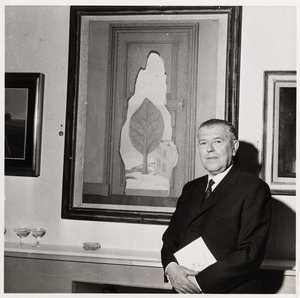
რენე მაგრიტი
1898 - 1967 , ბელგია
მოკლე ინფორმაცია
- Artistic Movement Or Style: სურრეალიზმი
- Artists Or Movements Influenced By This Artist:
- პოპ-არტი
- მინიმალისტური ხელოვნება
- კონცეპტუალური ხელოვნება
- Artists Who Influenced This Artist:
- ჯორჯო დე ქირიკო
- კლოდ მონე
- ვინსენტ ვან გოგი
- პოლ სეზანი
- ჟორჟ სე apart
- პაბლო პიკასო
- Date Of Birth: 1898
- Date Of Death: 1967
- Full Name: რენე ფრანცის გიშილ მარგრიტი
- Nationality: ბელგიელი
- Notable Artworks:
- გამოსახულების ღალატი
- შეყვარებულები
- გაყინული დრო
- ადამიანური მდგომარეობა
- კაცის ვაჟი
- პირენეების ციხე
- გოლკონდა
- Place Of Birth: ლესინეს, ბელგია