მენიუ
წინასწარი ნახვაწინასწარი ნახვა AR წინასწარი ნახვაAR წინასწარი ნახვა გადართვა ბეჭდზე გადართვა ბეჭდზეგადასვლა ციფრულ გამოსახულებაზე გადასვლა ციფრულ გამოსახულებაზე გაგზავნაგაგზავნა


დეტალებიდეტალები დამატება ფავორიტებში დამატება ფავორიტებში ჩამოტვირთვაჩამოტვირთვა მსგავსებიმსგავსები რენტგენოგრაფიული კვლევარენტგენოგრაფიული კვლევა სლაიდშოუსლაიდშოუ სტატისტიკასტატისტიკა

მწვანილის იმპერია, მეორე

გა explore René Magritte-ის ‘The Empire of Light, II’, сюрреалистичный шедевр, რომელიც აერთიანებს დღესას და ღრუბელს. აღმოაჩინეთ მისი ფილოსოფიური სიღრმე, უნიკალური სტილი და თანამედროვე ხელოვნებაზე გრძელვადიანი გავლენა. ეს არის მომხიბლავიปริზმი შეფასების და რეალობის შესახებ.

რენე მაგრიტი (1898-1967) - ბელგიელი სურრეალისტი მხატვარი! აღმოაჩინეთ მისი გამორჩეული ტილოები, როგორიცაა "მსაყვარლები", რომლებიც გამოწვევენ რეალობასა და აღქმას. ისტორიული მნიშვნელობის მქონე ხელოვნება!

ხელით ნაკვეთი ზეთის ტილოს რეპროდუქცია

ტილოზე შესრულებული ფერწერიანი ზეთប្រდათი, თქვენთვის სასურველი ზომისა და ჩარჩოსთვის, ჩვენი ხელოვანების მიერ შეკვეთის საფუძველზე დამზადებული. (გადართვა ბეჭდზე გადართვა ბეჭდზეგადასვლა ციფრულ გამოსახულებაზე გადასვლა ციფრულ გამოსახულებაზე)

P118B $10
P118H $10
P118W $10
P438Z $10
P508JH $12
P508YH $12
P805H $10
P805Z $10
P919BZ $10
P919G $10
P919XJ $10
P959ZH $10
P968JZ $12
W106C $8
W218G $10
W218JH $8
W218Y $10
W307PJ $10
W316G $10
W316PJ $8
W316Y $10
W398PJ $8
W4111J $10
W500HY $15
W500JH $15
W692G $12
W849H $8
W940BG $15
W953PJ $8

სტანდარტული
სასურველი ზომის
CM
INCH

აირჩიეთ ჩვენს მიერ წინასწარ განსაზღვრული ზომებიდან, რომლებიც ნაწარმოების ორიგინალურ პროპორციებს შეესაბამება.

სიგანე
სიმაღლე

თქვენ შეგიძლიათ მიუთითოთ თქვენთვის სასურველი ზომები კონკრეტული ჩარჩოს ან სივრცის შესაბამისად. თუ თქვენ მიერ არჩეული ზომა არ შეესაბამება ორიგინალი გამოსახულების პროპორციებს, ჩვენ ან შევაჭრებთ ნაწარმოებს, ან ტილოზე დავამატებთ ხელით მოხატულ ელემენტებს. წარმოების დაწყებამდე, დამტკიცებისთვის გამოგეგზავნებათ ციფრული მაკეტი.
გთხოვთ, გაითვალისწინოთ, რომ ეკრანზე ნაჩვენები წინასწარი შეხედულება არ ასახავს რეალურ შეჭრას ან გაფართოებას. საბოლოო კომპოზიციას ზუსტად მხოლოდ მაკეტი წარმოაჩენს.
მიუხედავად იმისა, რომ შესაძლებელია ინდივიდუალური ზომების შერჩევა, ორიგინალური პროპორციების შენარჩუნებისათვის გირჩევთ, გამოიყენოთ წინასწარ განსაზღვრული სიის ზომები.

რა შეიძლება შეიცვალოს: სახის ჩანაცვლება მომხმარებლის ფოტოთი; შინაური ცხოველის დამატება (მაგ., კატის ჩანაცვლება ძაღლით); ფონზე ფარული შეტყობინების დამატება; ფონის პეიზაჟის ან ელემენტების შეცვლა.
შეკვეთის შემდეგ, OriginalUniqueArt.com გუნდი დაგიკავშირდებათ ელექტრონული ფოსტით ინსტრუქციებისთვის და გამოგიგზავნით წინასწარ ნახაზს (mockup).

მიწოდება მსოფლიო მასშტაბით -ში 3/4 კვირაში, სტანდარტული 5 კვირის ნაცვლად. (9 სექტემბერი). ხარისხზე კომპრომისის გაკეთება არ მოხდება.

why_choose_icon
უფასო ექსპრეს მიწოდება მთელ მსოფლიოში
why_choose_icon
საბამად მაღალი ხარისხის ტილო
why_choose_icon
სრული ტრანსპორტირების დაზღვევა
why_choose_icon
საბაჟო გადასახადების დაბრუნების გარანტია
why_choose_icon
ფერების სრული შესაბამისობის გარანტია
why_choose_icon
დაბრუნების 100-დღიანი პოლიტიკა (მხოლოდ დეფექტის შემთხვევაში)
why_choose_icon
100% თანხის დაბრუნების გარანტია
why_choose_icon
ფასდაკლება დიდი რაოდენობით შეკვეთისას

ჯამური ღირებულება

$ 300

reproduction

მწვანილის იმპერია, მეორე

რეკლამაციის ტექნიკა

რეკლამაციის ზომა

-

საბოლოო ფასი

$ 300

მოკლე ინფორმაცია

  • Dimensions: 31 x 39"
  • Title: The Empire of Light
  • Artistic style: Precise, impersonal; Dreamlike quality.
  • Subject or theme: Paradoxical landscape; Illusion vs. reality.
  • Year: 1950
  • Notable elements or techniques: Juxtaposition of day and night; Light and shadow play.
  • Artist: René Magritte

ხელოვნების ტესტი

თითოეულ კითხვაზე მხოლოდ ერთი სწორი პასუხია.

კითხვა 1:

What artistic movement is René Magritte’s ‘The Empire of Light, II’ primarily associated with?
კითხვა 2:
Describe the dominant visual element in ‘The Empire of Light, II’.
კითხვა 3:
What technique did Magritte employ to create depth and focus within the painting?
კითხვა 4:
According to Magritte’s statement, what is his primary fascination regarding night and day?
კითხვა 5:
‘The Empire of Light, II’ reflects a broader artistic tradition concerning nocturnes. Name one other famous painting that utilizes similar techniques to evoke mood.

The Empire of Light, II by René Magritte

René Magritte’s The Empire of Light, II stands as a cornerstone of Surrealist art—a deceptively simple depiction that unravels layers of philosophical inquiry and visual paradox. Created between 1940 and 1960, this painting transcends mere representation, inviting viewers into a realm where logic yields to dreamlike contemplation. It’s more than just an image; it's a carefully constructed puzzle designed to challenge our fundamental assumptions about perception and reality itself.

The Artistic Style and Technique

Magritte’s approach aligns squarely with Surrealism’s rejection of rational thought, prioritizing the subconscious mind as a source of artistic inspiration. The Empire of Light, II showcases Magritte’s signature impersonal style—characterized by meticulous detail and a deliberate avoidance of expressive brushstrokes. He favored a technique that prioritized precision and clarity, mirroring the aesthetic principles of Cubism but imbued with an unsettling stillness. The painting employs chiaroscuro – dramatic contrasts between light and shadow – to heighten the sense of unease and disorientation. This masterful manipulation of illumination draws attention to the lamppost at the center of the composition, establishing it as a focal point that simultaneously illuminates and obscures.

Philosophical and Cultural Significance

Magritte famously stated: “I have always felt the greatest interest in night and in day, yet without ever having preferred one or the other.” This profound observation encapsulates the core preoccupation of his artistic vision—a fascination with juxtaposing opposing forces to expose their inherent contradictions. The Empire of Light, II embodies this concept beautifully. The painting serves as a metaphor for the human condition—a constant negotiation between darkness and light, certainty and doubt. It echoes themes explored in broader artistic traditions, notably Rembrandt’s The Night Watch and Friedrich’s Two Men Contemplating the Moon—works that similarly utilize nocturnal landscapes to evoke mood and contemplation.

Relevance in Art History

Magritte’s contribution to Surrealist art cemented his place as a pivotal figure in 20th-century visual culture. His work anticipated developments in Pop Art and Conceptual Art, demonstrating an uncanny ability to distill complex ideas into striking images. The depiction of night scenes—a recurring motif throughout Western art history—reflects a broader cultural preoccupation with confronting the unknown and questioning accepted norms. Like Degouve de Nuncques’s *The Blind House*, Magritte's oeuvre explores the elusive nature of perception, prompting viewers to reconsider what they see as “real.”

Conclusion

The Empire of Light, II remains a testament to Magritte’s artistic genius—a deceptively tranquil painting brimming with intellectual depth and emotional resonance. Its unsettling juxtaposition of day and night compels us to confront the limitations of our senses and embrace the ambiguity inherent in experience. For those seeking inspiration or desiring to adorn their homes with a piece of art history, a high-quality reproduction captures the essence of Magritte’s vision—a timeless exploration of reality and illusion.

Explore more of Magritte’s captivating artwork on OriginalUniqueArt: Rene Magritte

Delve deeper into the history of art and its diverse forms at Bethlem Museum of the Mind in London—a unique destination for artistic discovery.


მხატვრის ბიოგრაფია

Early Life and the Seeds of Surrealism

René Magritte, born René François Ghislain Magritte on November 21, 1898, in Lessines, Belgium, emerged into a world that would profoundly shape his enigmatic artistic vision. His early years were marked by an unsettling event – the suicide of his mother when he was just thirteen. The image of her body being recovered from the River Sambre, with her dress obscuring her face, became a haunting motif that would subtly permeate his later work, manifesting in veiled figures and a persistent exploration of hidden realities. This early trauma instilled within him a fascination with mystery, loss, and the unsettling power of what remains unseen. While details of his childhood remain somewhat elusive, it’s clear this formative experience laid the groundwork for his lifelong questioning of perception and representation. He began drawing lessons at age ten, revealing an innate inclination towards visual expression, but initially explored Impressionism before embarking on a path that would lead him to become one of the most significant figures in Surrealist art.

Artistic Development and Influences

Magritte’s artistic journey was not immediate or straightforward. He studied at the Académie Royale des Beaux-Arts in Brussels, yet found its traditional methods stifling. His early work experimented with Futurism and Cubism, absorbing elements of these avant-garde movements but ultimately rejecting their purely formal concerns. It wasn't until encountering Giorgio de Chirico’s painting *The Song of Love* in 1922 that Magritte discovered a resonance that would irrevocably alter his artistic course. De Chirico’s dreamlike landscapes and unsettling juxtapositions unlocked within Magritte a new way of seeing – a world where the familiar could be rendered strange, and the ordinary imbued with profound mystery. This encounter sparked his commitment to Surrealism, though he often maintained a unique distance from its more overtly psychological or automatic approaches. He preferred a meticulous, almost clinical precision in his painting, using realistic techniques to depict illogical scenarios.

The Heart of Surrealism: Challenging Reality

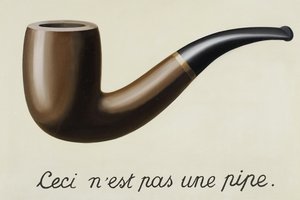
By 1926, Magritte had fully embraced the tenets of Surrealism, producing *Le Jockey Perdu (The Lost Jockey)*, widely considered his first truly surrealist work. However, his brand of Surrealism was distinct. He wasn’t interested in exploring the subconscious through free association or dream imagery in the manner of some of his contemporaries. Instead, Magritte sought to challenge viewers' perceptions of reality by presenting ordinary objects in unexpected contexts, forcing them to question their assumptions about the world around them. Iconic works like *The Treachery of Images (This is not a pipe)* (1929) brilliantly deconstructs the relationship between image and object, reminding us that a representation is never the thing itself. *Les Amants (The Lovers)* (1927-1928), with its shrouded figures, echoes the trauma of his mother’s death while simultaneously exploring themes of concealment and intimacy. *Time Transfixed* (1938) presents a locomotive bursting through a brick wall, disrupting our sense of space and time. And *The Human Condition* (1933), a canvas within a canvas, blurs the boundaries between representation and reality, prompting us to consider how we perceive and interpret the world.

Major Achievements and Recognition

Despite initial struggles for recognition, Magritte’s work gradually gained prominence, particularly in the United States with exhibitions in 1936 and later retrospective shows at the Museum of Modern Art (1965) and the Metropolitan Museum of Art (1992). He remained politically engaged throughout his life, advocating for artistic autonomy. He continued to refine his signature style, exploring themes of repetition, illusion, and the power of language in paintings that are both intellectually stimulating and visually arresting. Magritte died on August 15, 1967, leaving behind a body of work that continues to captivate and challenge audiences worldwide. His influence extends far beyond the realm of painting, impacting pop art, minimalist art, conceptual art, and even advertising and film.

  • Museum Collections: Musées royaux des Beaux-Arts de Belgique, Brussels; Magritte Museum

Magritte's enduring legacy lies in his ability to make us see the familiar anew, to question our assumptions about reality, and to appreciate the power of art to provoke thought and inspire wonder. He wasn’t simply painting images; he was crafting visual paradoxes that continue to resonate with viewers decades after their creation, solidifying his position as a true master of Surrealism and a pivotal figure in 20th-century art.

რენე მარგრიტი

რენე მარგრიტი

1898 - 1967 , ბელგია

მოკლე ინფორმაცია

  • Artistic Movement Or Style: სურრეალიზმი
  • Artists Or Movements Influenced By This Artist:
    • პოპ არტის
    • მინიმალიზმი არტის
  • Artists Who Influenced This Artist: ['გიორგი დე ჩირიკო']
  • Date Of Birth: ნovemბერი 21, 1898
  • Date Of Death: აგვისტოს 15, 1967
  • Full Name: René François Ghislain Magritte
  • Nationality: ბელგიელი
  • Notable Artworks:
    • ლე ამანტსი
    • თე ტრᅦჩერაჰი ოფ იმ აჟე სის
    • ไทม์ ტრანსფიქსਡ
    • თე ჰუმენ კონდიშენი
  • Place Of Birth: ლესინეს ბელგია
აღმოაჩინეთ ხელოვნების ნაწარმოებები თემების, სტილისა და მახასიათებლების მიხედვით დაჯგუფებული.