
 წინასწარი ნახვა
 გაგზავნა
 გაზიარება
 დეტალები
 გზამკვლევი

 ჩამოტვირთვა
 მსგავსები
 რენტგენოგრაფიული კვლევა
 სლაიდშოუ
 კითხვა-პასუხი
 სტატისტიკა
სახელწოდება: "თეო đứcება"


 გააგრძელეთ კითხვა
მიიღეთ ბეჭდვისთვის გამზადებული ფაილი, რომლის ხარისხიც ბევრად აღემატება ვებ-პრევიუსს. ჩვენს ბაზაში არსებული ყველა ციფრული გამოსახულება ეყრდნობა მაღალი რეზოლუციის ორიგინალს — როგორც წესი, 5,000-დან 15,000 პიქსელამდე სიგანის — რაც საშუალებას გაძლევთ, თავდაჯერებულად დაამბოროთ დიდი ზომის ბეჭდვა, მოახდინოთ ფრაგმენტის მჭიდროდ გამოჭრა ან აღადგინოთ ნატიფი დეტალები.
ჩვენს სტუდიაში არცერთი ფაილი შეუმჩნევლად არ რჩება. ციფრული ექსპერტი ადარებს ფერებს ორიგინალ ნახატს და საჭიროების შემთხვევაში ასწორებს მათ, შემდეგ კი პროფესიონალური რეტუშირების ინსტრუმენტებით აუმჯობესებს სიცხადესა და დეტალიზაციას — ყოველთვის ოსტატის ფუნჯის მონაკვეთებისა და სტილის ერთგულებით. შედეგი არის გამოსახულება, რომელიც ნამდვილ ნახატს ჰგავს და არა ფილტრებულ სკანირებას.
თქვენ აკონტროლებთ პროცესს მის დასრულებამდე: ჩვენი ექსპერტი 72 საათის განმავლობაში გამოგიგზავნით გამოსახულებას ელექტრონული ფოსტით გადასასინჯად. არ დაკმაყოფილებული? მოითხოვეთ ცვლილებები ან შესწორებები, ან მოითხოვეთ თანხის დაბრუნება, თუ ხარისხი თქვენს მოლოდინს ვერ შეესაბამება.
ეს არის ხარისხი, რომელსაც ენდობიან გამომცემლობები, დიზაინ სტუდიები, გალერეები და அச்சგამოცემები.
ციფრული გამოსახულება
ჩამოტვირთეთ მაღალი გარჩევადობის ფაილი პირადი გამოყენებისთვის, დასაბეჭდად და შემოქმედებითი პროექტებისთვის. ( ბეჭდვის რეჟიმზე გადართვა შეიძინეთ ხელით შესრულებული ნახატი)
ყოველ ციფრულ გამოსახულების შეკვეთაში შედის
ექსპერტული ციფრული მიწოდების გარანტია
როდესაც ირჩევთ OriginalUniqueArt.com-ს, თქვენ მხოლოდ სურათს კი არ იღებთ, არამედ იღებთ პროფესიონალურად დამუშავებულ ციფრულ ნამუშევარს, რომელიც შექმნილია უზადო სიზუსტით და დაცულია კმაყოფილების გარანტიით. თქვენს შეკვეთას ავტომატურად მოჰყვება შემდეგი:

სწრაფი ელექტრონული მიწოდება
თქვენს მაღალი რეზოლუციის ციფრულ გამოსახულებას შეკვეთის დაწყებიდან 72 საათში ელექტრონული ფოსტით მიიღებთ — ის მზად იქნება დაუყოვნებლივი გამოყენებისთვის.

ხელოვნური ინტელექტით გაუმჯობესებული ციფრული გამოსახულება
თქვენი ხელოვნების ნიმუშები პროფესიონალურად არის ოპტიმიზებული მოწინავე AI ინსტრუმენტებისა და მექანიკური რედაქტირების მეშვეობით, რაც უზრუნველყოფს მაქსიმალურ დეტალიზაციას, სიცხადესა და ფერების სიზუსტეს.

ციფრული გამოსახულებების უფასო სამუდამო ხელახალი მიღება
ფაილი შემთხვევით წაიშალა ან დაკარგეთ? ნუបედავთ — ჩვენ მას ნებისმიერ დროს, უფასოდ ხელახლა გამოგეგზავნით.

იმპორტის გადასახადების გარეშე — ყოველთვის
ჭიდად ისიამოვნეთ თქვენი ნამუშევრით მყისიერად, საბაჟო გადასახადის, მოსაკრებლის ან მიწოდების ხარჯის გარეშე - ციფრული ჩამტვირთვისას ყოველთვის საგადასახადო თავისუფლებაა.

ფერების სიზუსტის გარანტია
პროფესიონალური ინსტრუმენტებისა და ფერების მართვის სისტემის გამოყენებით, ჩვენ უზრუნველყოფთ, რომ თქვენი ციფრული გამოსახულება მაქსიმალურად ზუსტად ასახავდეს ორიგინალურ ფერებს.

კმაყოფილების 100-დღიანი გარანტია
თუ თქვენ არ დაკმაყოფილებული ხართ თქვენი ციფრული გამოსახულებით, ჩვენ შევიტანთ მასში ცვლილებებს ან დაგიბრუნებთ 100% თანხას 100 დღის განმავლობაში — ყოველგვარი კითხვის დასმევის გარეშე.

100% თანხის დაბრუნების გარანტია
არ არის კმაყოფილი? მიიღეთ თანხის სრული დაბრუნება ციფრული ფაილის მიღებიდან 100 დღის განმავლობაში — ყოველგვარი დამატებითი კითხვების გარეშე.

ფასდაკლება დიდი რაოდენობით შეკვეთაზე
შეიძინეთ 3 გამოსახულება და მიიღეთ 10% ფასდაკლება - შეიძინეთ 5 და მიიღეთ 15% ფასდაკლება - შეიძინეთ 10+-ზე და მიიღეთ 20% ფასდაკლება. იდეალურია კრეატიული პროექტებისთვის, გალერეებისა და სააგენტოებისთვის.
ინტიმურობის არსი
"ებრაელი невеST" არის შედევრი, რომელიც ახ captures ღრმა ემოციურ კავშირს ორ ფიგურას შორის, რომლებიც ინტიმურ ჩახუტებაში არიან მოქცეულნი. ეს ნამუშევარი ასხივებს სითბოსა და სინაზეს, რაც მას ნებისმიერი ხელოვნების კოლექციისა თუ ინტერიერის სივრცის მომხიბვლელ დანამატად აქცევს. ყურადღების ცენტრში წყვილის ურთიერთქმედებაა: მამაკაცის მზრუნველი მკლავი ქალს გარს აკრავს, ხოლო მისი ხელი ნაზად restებს მამაკაცის მკერდზე. მათი გამომეტყველება და სხეულის ენა სიყვარულისა და ერთგულების ღრმა განცდას გადმოგვცემს, რაც მაყურებელს მათ პირად მომენტში ეპყრობა.
ჰოლანდიური ოქროს ხანის შედევრი
რემბრანტ ვან რეინს მიერ ჰოლანდიის ოქროს ხანაში შექმნილი ეს ნამუშევარი ბაროკოს სტილის ნიმუშია, რაც გამოხატულია სინათლისა და ჩრდილის დრამატული გამოყენებით (კიაროსკურო). ეს ტილო რემბრანტის ოსტატობის დასტურია ადამიანური ემოციების გადმოცემასა და ზეთოვანი საღებავების ფლობაში. ქსოვილების მდიდარი ტექსტურა და კანის ტონების დეტალური აღწერა ხაზს უსვამს მის ტექნიკურ სიმძლავრესა და დეტალებზე ორიენტირებულობას.
მდიდარი ტექსტურები და მიწისფერი ტონები
ფერთა პალიტრაში დომინირებს მიწისფერი ტონები — ყავისფერი, წითელი და ოქროსფერი, რაც თბილ და მყუდრო ატმოსფეროს ქმნის. ქალის მკვეთრი წითელი კაბა გამოირჩევა მამაკაცის სამოსისა და ფონის ბნელი ელფერების ფონზე, რაც ქმნის ფოკალურ წერტილს და აძლიერებს კომპოზიციას. კონტრასტული ფერებისა და ტექსტურების გამოყენება მაყურებელს მოუწოდებს, წარმოიდგინოს ამ მასალების შეხების შეგრცნება, რაც სცენას სიღრმესა და სირთულეს სძენს.
სიმბოლიზმი და ისტორიული კონტექსტი
სურათის შინაარსი წარმოგვიდგება, როგორც წყვილის პორტრეტი, რომელიც შესაძლოა სიყვარულისა თუ ერთგულების მომენტს ასახავს. ქალის წითელი კაბა შეიძლება სიმბოლურად გამოხატავდეს სიყვადს ან ვნებას, ხოლო მამაკაცის მზრუნველი ჟესტი მზრუნველობასა და თავდადებას მიანიშნებს. ფონზე არსებული ფანჯარა კი შესაძლოა გარე სამყაროს ან მომავალი შესაძლებლობების სიმბოლო იყოს. ეს ნამუშევარი არა მხოლოდ ადამიანური ემოციების მშვენიერი რეპრეზენტაცია, არამედ ისტორიული არტეფაქტიცაა, რომელიც ასახავს ჰოლანდიის ოქროს ხანის კულტურულ და მხატვრულ ღირებულებებს.
ემოციური გავლენა და ინტერიერის დიზაინი
"ებრაელი невеST" უფრო მეტია, ვიდრე უბრალოდ ნახატი; ეს არის ემოციური გამოცდილება, რომელიც ნებისმიერ სივრცეს სითბოსა და ინტიმურობას სძენს. რბილი, გაფანტული განათება და ნაზი მნათობები სიმშვიდისა და ბალანსის შეგრძნებას ქმნის, რაც მას იდეალურ ნამუშევრად აქცევს მისაღებ, საძინებელ ან სამუშაო ოთახებში. მიუხედავად იმისა, ხელოვნების მოყვარული ხართ, კოლექციონერი თუ ინტერიერის დიზაინერი, ეს შედევრი თქვენს გარემოს ელეგანტურობისა და დახვეწილობის შეხებას შესძენს.
ფლობილთ რემბრანტის ხელოვნების ისტორიის ნაწილი
შემოიტანეთ რემბრანტის "ებრაელი невеST"-ის მარადიული სილამაზე თქვენს სახლში ჩვენი მაღალი ხარისხის, ხელით შესრულებული რეპროდუქციებით. თითოეული ასლი შექმნილია დეტალებზე ზედმიწევნითი ყურადღებით, რათა დარწმუნდეთ, რომ თქვენ მიიღებთ ნამუშევარს, რომელიც ორიგინალის არსსა და ემოციურ სიღრმეს ინარჩუნებს. გაუმჯობესეთ თქვენი სივრცე ნამუშევრით, რომელიც მოგვითხრობს ისტორიას და აღძვრის ინტიმურობისა და სითბოს განცდას.
კითხვები და პასუხები
რა არის რემბრანტ ვან რეინი-ის „სახელწოდება: "თეო đứcება"“-ის დომინანტური ფერი?
"სახელწოდება: "თეო đứcება"" უფრო მეტად ჟამრიდან ქარვისფრამდე ტონს ეკვრის.
მისი პალიტრის გათვალისწინებით, რომელი ოთახისთვისაა რეკომენდებული "სახელწოდება: "თეო đứcება""-ის განთავსება?
რემბრანტ ვან რეინი-ის „სახელწოდება: "თეო đứcება"“-ის ბუნებრივი ტონები ფერები იდეალურად ერგება მის რეკომენდებულ სივრცეს: მისაღები ოთახი.
რა შემთხვევისთვისაა რეკომენდებული რემბრანტ ვან რეინი-ის „სახელწოდება: "თეო đứcება"“ საჩუქრად?
"სახელწოდება: "თეო đứcება"" შესანიშნავი საჩუქარია დასახელებული იუბილე-ისთვის.
მხატვრის ბიოგრაფია
The Life of Rembrandt van Rijn
Born on 15 July 1606 in Leiden, in the Dutch Republic, Rembrandt van Rijn entered a world of modest means. He was the ninth child born to Harmen Gerritszoon van Rijn and Neeltgen Willemsdochter van Zuijtbrouck. His life was one of immense productivity, spanning many decades of creative output. By the time he died on 4 October 1669, he had left behind a vast legacy that includes about 300 paintings, 300 etchings, and several hundred drawings.
As a painter, printmaker, and draughtsman, he became a central figure of the Dutch Golden Age. His work was not limited to a single medium; he moved between the heavy application of paint and the precise, delicate lines of intaglio printmaking. This technical range allowed his visual ideas to reach far beyond the borders of the Netherlands. His ability to capture human emotion and light became a defining characteristic of his many years of practice.
His surviving works offer a window into a life lived through constant creation. Some of his notable pieces include:
- The Night Watch (1642)
- The Return of the Prodigal Son (1669)
- Isaac and Rebecca (about 1669)
Early Life, Family and Training
Born into a family of modest, industrious means, Rembrandt entered a world shaped by the steady rhythms of trade. His father, Harmen Gerritszoon van Rijn, worked as a miller, while his mother, Neeltgen Willemsdochter van Zuijtbrouck, was the daughter of a baker. This stable upbringing in Leiden provided the foundation for a boy who would eventually command the attention of the Dutch Republic. Before he ever picked up a brush, he attended Latin school, an education that likely sharpened the intellectual depth found in his later compositions.
His formal artistic development began in earnest when he was apprenticed to Jacob van Swanenburg. This three-year period of study provided the technical grounding necessary for a professional career. After completing his apprenticeship, he moved toward the center of the Dutch art world, seeking further instruction in Amsterdam. He spent six months under the guidance of the history painter Pieter Lastman, a period that proved essential in shaping his understanding of complex narrative and human emotion.
Establishing a Career in Leiden and Amsterdam
By 1625, the young artist had moved beyond his apprenticeship and opened a studio in Leiden. He did not work alone; he shared this space with his colleague Jan Lievens. During these years, his output focused on religious and allegorical subjects. He often paid close attention to the fine details of costumes and jewelry in these early works. As his reputation grew, he began to attract his own pupils, including Gerrit Dou and Isaac de Jouderville, which helped establish a professional workshop structure.
A significant shift occurred in 1631 when he moved to Amsterdam. This relocation was a strategic step into the commercial heart of the Dutch Republic. Shortly after his arrival, he became involved with the Amsterdam art dealer Hendrik van Uylenburgh. This connection provided the professional stability and access to high-profile clients necessary to solidify his standing. He soon became a member of the city's guild of painters, a formal recognition of his status within the established artistic community. In this bustling urban environment, he transitioned into a leading portraitist, finding success through a growing network of patrons and the support of the city's merchant class.
Patrons, Workshop and Commissions
Success in the Dutch Golden Age required more than talent; it demanded the right connections. By 1628, Rembrandt had already secured his first recorded buyer, Joan Huydecoper. This early recognition was soon bolstered by the discovery of his talent in 1629 by Constantijn Huygens. Such high-level patronage provided the stability necessary to expand his influence. Prince Frederik Hendrik became a consistent supporter, continuing to purchase his paintings and ensuring the artist's presence in the most influential circles of the time.
As his reputation grew, so did the scale of his operations. He began accepting students in 1627, building a workshop that would become a significant center for artistic production. Among those who studied under his guidance were Gerrit Dou and Isaac de Jouderville. This instructional period allowed him to manage a growing number of commissions while refining the specific techniques that would define his career. His studio was a place of constant activity, where the demands of his patrons met the practical needs of a busy professional practice.
Marriage and Family Life
In 1634, Rembrandt’s personal life underwent a significant change when he married Saskia van Uylenburgh on 2 July. Saskia came from a family of standing; her father, Rombertus Uylenburg, held the positions of mayor and justice of the Court of Friesland. Their union brought a sense of stability to his growing life in Amsterdam, and Saskia became a constant presence in his creative world. She appeared frequently as a model in his drawings and etchings, her likeness becoming a recurring element in his visual language.
The couple had a son, Titus van Rijn, who grew up within the busy atmosphere of the artist's studio. Titus was more than a member of the household; he was a frequent subject for his father's studies and eventually took on the responsibility of managing the family's affairs. The bond between father and son was central to the domestic life of the household, particularly as the years passed and the complexities of the artist's professional and financial standing shifted.
Technique and Artistic Style
Rembrandt had a way of making light feel like a physical presence in a room. He became a master of chiaroscuro, using the sharp contrast between deep shadows and bright highlights to create a sense of drama and weight. This was not merely a trick of the light; it was a way to guide the eye and suggest the hidden depths of a person's character. He used these shadows to sculpt faces and objects, making them feel tangible and real even in the dimmest settings.
His skill extended far beyond the canvas and into the intricate world of intaglio printmaking. He was a prolific etcher who understood how to translate the heavy, atmospheric qualities of his paintings onto a copper plate. To achieve this, he relied on a precise set of technical methods. He used biting to etch lines into the metal, combined with fluid lines and delicate cross-hatching to build up texture. Through subtle tonalities, he could replicate the soft transitions of light that he achieved with a brush, allowing his visual ideas to reach a much wider audience through his prints.
Key Works and Masterpieces
Rembrandt’s ability to capture human emotion is perhaps most visible in his large-scale compositions. In 1642, he completed The Night Watch, a work that demonstrates his command over light and shadow to create a sense of movement and drama. This period of his life saw him moving toward more complex, crowded scenes that required a deep understanding of how light falls across a group of people.
As he aged, his focus often turned toward the weight of human experience and spiritual themes. The Return of the Prodigal Son, finished in 1669, reflects the profound psychological depth he sought in his later years. Similarly, Isaac and Rebecca, painted about 1669, shows his interest in the quiet, intimate connections between individuals. Even in his earlier, more vigorous works like The Blinding of Samson, there is a clear sense of the tension and narrative power he could pull from a single moment.
- The Anatomy Lesson of Dr. Nicolaes Tulp (1632)
- Self Portrait (1639)
- The Feast of Belshazzar (1635)
Where to See the Works Today
To encounter the physical presence of Rembrandt's hand, one must travel to several major institutions across Europe and North America. His legacy is spread across many collections, with the National Gallery in London holding sixteen of his works. In Paris, the Louvre maintains thirteen pieces, offering a quiet space to observe his use of light. The Mauritshuis in The Hague is another essential stop, housing twelve works that reflect his development.
The reach of his art extends far beyond the Netherlands. In Munich, the Alte Pinakothek holds eleven paintings, while the Metropolitan Museum of Art in New York contains eleven as well. These collections allow us to see how his style evolved from his early years in Leiden to his later, more introspective period. Seeing these works in person reveals the texture of the paint and the depth of the shadows he created.
- The Night Watch (1642)
- The Return of the Prodigal Son (1669)
- Isaac and Rebecca (about 1669)
- The Anatomy Lesson of Dr Nicolaes Tulp (1632)
- The Blinding of Samson
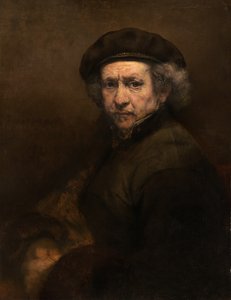
რემბრანტ ვან რეინი
1606 - 1669 , ნიდერლანდები
მოკლე ინფორმაცია
- Artists Who Influenced This Artist:
- პიტერ ლასტმანი
- იაკობ ვან სვანენბურგი
- ტიციანი
- რაფაელი
- Date Of Birth: 1606
- Date Of Death: 1669
- Full Name: რემბრანტ ჰარმენსონ ვან რეინი
- Nationality: ნიდერლანდელი
- Notable Artworks:
- დოქტორი ნიკოლას ტულპის ანატომიური გაკვეთილი
- Night Watch
- დაკარგული შვილის დაბრუნება
- სამსონის ბრმობა
- Place Of Birth: ლეიდენი, ნიდერლანდები