გადართვა ბეჭდვის რეჟიმზე
 სრული ტექსტის ნახვა







































 ნებისმიერი მხარისთვის 105 სმ-ზე (დაახლოებით 41 ინჩი) მეტი ზომის ხელოვნებული ნამუშევრების ან რეპროდუქციებისთვის, ჩარჩო მოგზავნდება დაშლილ კომპლექტში. ეს მეთოდი უზრუნველყოფს უსაფრთხო მიწოდებას და თავიდან აგაცილებთ ტრანსპორტირებისას შესაძლო დაზიანებას.


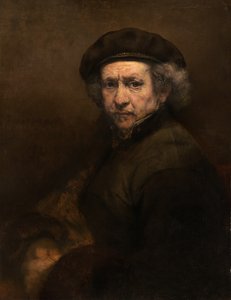
A Mirror to the Soul: Rembrandt’s Introspective Masterpiece
In the twilight of his extraordinary career, Rembrandt van Rijn turned his gaze inward, producing a Self-Portrait that serves as a profound meditation on the human condition. Created in 1669, this work is far more than a mere recording of physical features; it is a psychological landscape rendered with unparalleled sensitivity. The painting captures a man of advanced years, his face etched with the wisdom and weariness of a life lived intensely. With a serious expression and a direct, unflinching gaze that meets the viewer, Rembrandt invites us into a private moment of contemplation. The subject, adorned with a gold-colored hat and a well-defined beard and mustache, possesses an aura of quiet dignity that transcends the canvas.
The technical mastery on display is a testament to the artist's lifelong pursuit of truth. Utilizing the Baroque style, Rembrandt employs a dramatic use of chiaroscuro, creating stark contrasts between light and shadow that breathe life into the composition. The way light falls across his features creates an illusion of depth and texture, making the skin and fabric seem almost palpable. Through meticulous layering and blending of oil paint, he achieves a complexity where textures appear to vibrate with emotion. This technique does not merely illuminate the subject; it sculpts him, using light as a tool to reveal the underlying psychological depth of the artist himself.
The Weight of Experience and the Light of Truth
Beyond the surface level of portraiture, this work is steeped in the historical context of Rembrandt’s later years. Having navigated periods of immense personal hardship and financial instability, the artist used his brush to process the realities of mortality and change. The painting functions as a window into a genius grappling with the passage of time. There is a palpable sense of vulnerability within the frame, yet it is balanced by an unwavering artistic integrity. The subtle use of light, emanating from an unseen source, can be interpreted as a symbol of divine illumination, suggesting that even amidst the shadows of life, there remains a pursuit of spiritual and artistic truth.
For the collector or the lover of fine art, this Self-Portrait offers an emotional resonance that is rare in the annals of art history. It evokes universal feelings of contemplation and acceptance, making it a powerful piece for any curated collection or thoughtfully designed interior. To possess a reproduction of such a work is to bring a sense of profound introspection and historical gravity into a space. It is not merely an image to be observed, but an experience to be felt—a hauntingly beautiful encounter with the enduring spirit of one of the greatest masters to ever grace a canvas.
კითხვები და პასუხები
რა წელს შეიქმნა რემბრანტ ვან რეინი-ის „ავტოპორტრეტი“?
რემბრანტ ვან რეინი-ის „ავტოპორტრეტი“ შექმნის თარიღია 1669.
შესაძლებელია "ავტოპორტრეტი" უფრო დეტალურად შევისწოვო?
"ავტოპორტრეტი" შესაძლებელია ფენად ფენად დავათვალიეროთ ნამუშევრის რენტგენოგრაფია გვერდზე, რომელიც წარმოადგენს ინტერაქტიულ ვიზუალურ ხელსნოს, რესტავრატორის სინათლის მაგიდის შთაგონებით შექმნილით და გამოსახულების თერთმეტ ოპტიკურ შრეზე დაფუძნებული წაკითხვადობით.
სად არის რეკომენდებული „ავტოპორტრეტი“-ის კვადრატული ფორმატი ფორმატის გამოფენა?
კვადრატული ფორმატი ფორმისთვის, „ავტოპორტრეტი“-ის რეპროდუქცია, რეკომენდებულია მისაღები ოთახი-ისთვის.
 ნახვა ინტერьерში
 გაგზავნა
 გაზიარება
 დეტალები
 გზამკვლევი

 ჩამოტვირთვა
 მსგავსები
 რენტგენოგრაფიული კვლევა
 სლაიდშოუ
 კითხვა-პასუხი
 სტატისტიკა