
 წინასწარი ნახვა
 გაგზავნა
 გაზიარება
 დეტალები
 გზამკვლევი

 ჩამოტვირთვა
 მსგავსები
 რენტგენოგრაფიული კვლევა
 სლაიდშოუ
 კითხვა-პასუხი
 სტატისტიკა
Still Life, Strawberries and Nuts

- 1822.0 x 1822.0 cm


 გააგრძელეთ კითხვა
გიკლე / ხელოვნების პრინტი
მუზეუმის დონის ჟიკლე ან ტილოზე ბეჭდვა სწრაფი წარმოებისა და დასრულების მოქნილი ვარიანტებით. ( შეიძინეთ ხელით შესრულებული ნახატი გადართვა ციფრულ გამოსახულებაზე)




P118B ₾10

P118H ₾10

P118W ₾10

P438Z ₾10

P508JH ₾12

P508YH ₾12

P805H ₾10

P805Z ₾10

P919BZ ₾10

P919G ₾10

P919XJ ₾10

P959ZH ₾10

P968JZ ₾12

W106C ₾8

W218G ₾10

W218JH ₾8

W218Y ₾10

W307PJ ₾10

W316G ₾10

W316PJ ₾8

W316Y ₾10

W398PJ ₾8

W4111J ₾10

W500HY ₾15

W500JH ₾15

W692G ₾12

W849H ₾8

W940BG ₾15

W953PJ ₾8




აირჩიეთ ჩვენს მიერ წინასწარ განსაზღვრული ზომებიდან, რომლებიც ნაწარმოების ორიგინალურ პროპორციებს შეესაბამება.

შეიყვანეთ თქვენთვის საჭირო სიგანე და სიმაღლე, რათა გამოსახულებამ თქვენს ჩარჩოს ან კედელს ზუსტად მოერგოს. ბეჭდვისას შესაძლებელია მხოლოდ მისი შემცირება და არა გაზრდა, ამიტომ სხვა ფორმის ზომის შემთხვევაში სურათი ნაწილობრივ იკარგება. სანამ რაიმეს დაბეჭდავთ, ჩვენ გამოგიგზავნით ციფრულ მაკეტს დასდასტურებლად. ამ გვერდზე ნაჩვენები სურათი არ ასახავს რეალურ ჭრას — ამას მხოლოდ მაკეტი გვიჩვენებს.
მიწოდება მთელ მსოფლიოში () 2 კვირაში, სტანდარტული 4/5 კვირის ნაცვლად. (8 ნოემბერი)

უფასო ექსპრეს მიწოდება მთელ მსოფლიოში

მაღალი ხარისხის ტილოს ქსოვილი

ტრანსპორტირების სრული დაზღვევა

საბაჟო გადასახადების დაბრუნების გარანტია

ფერების სრული შესაბამისობის გარანტია

დაბრუნების 100-დღიანი პოლიტიკა (მხოლოდ დეფექტის შემთხვევაში)

100% თანხის სრული დაბრუნების გარანტია

ფასდაკლება დიდი რაოდენობით შეკვეთისას
 მინის ჩარჩოს არჩევანი შესაძლებელია მხოლოდ 110 სმ-მდე ზომისთვის

Still Life, Strawberries and Nuts
გიკლე / ხელოვნების პრინტი
რეპროდუქციის ზომა
-


საბოლოო ღირებულება
₾ 211
Raphaelle Peale’s “Still Life, Strawberries and Nuts”: A Window into Early American Domesticity
Raphaelle Peale's "Still Life, Strawberries and Nuts," painted in 1822, is more than just a depiction of fruit and nuts; it’s a meticulously crafted snapshot of early 19th-century American domestic life. Born into the renowned Peale family – a lineage deeply intertwined with natural history and artistic legacy – Raphaelle inherited a profound appreciation for observation and detail, qualities that he brought to bear on his still lifes with remarkable precision. This particular work, housed within the Art Institute of Chicago, offers a rare glimpse into the refined tastes and burgeoning aesthetic sensibilities of the era, showcasing a deliberate departure from the prevailing trends in European art.
Peale’s style is distinctly influenced by the Spanish masters, particularly their penchant for dramatic lighting and carefully arranged compositions. He eschewed the overly ornate or sentimental approaches favored by some of his contemporaries, opting instead for a restrained elegance characterized by crisp forms, balanced arrangements, and a subtle interplay of light and shadow. The painting's palette is dominated by earthy tones – rich browns, deep reds, and muted greens – creating a sense of warmth and intimacy. The arrangement itself—a carefully curated selection of strawberries, nuts, citrus fruits, and a porcelain bowl—is not merely decorative; it speaks to the abundance and prosperity enjoyed by many American households at the time. The inclusion of Chinese export porcelain, a highly prized luxury item, further underscores this sense of affluence and connection to global trade.
The Language of Still Life: Symbolism and Meaning
Still life painting during Peale’s era was deeply rooted in symbolism. Objects were not simply presented for their visual appeal but carefully chosen to convey specific meanings – often religious, moral, or philosophical. Peale's work is no exception; the arrangement of fruits and nuts can be interpreted as a meditation on mortality, abundance, and the fleeting nature of beauty. The presence of raisins, for instance, symbolizes decay and the passage of time, while the vibrant strawberries evoke notions of fertility and renewal. The careful placement of each element within the composition suggests a deliberate attempt to create a harmonious balance between these contrasting themes.
Furthermore, Peale’s choice of objects reflects the evolving role of women in American society. The abundance of fruits and nuts—items typically associated with domesticity and nurturing—can be seen as a subtle celebration of female labor and responsibility within the home. The inclusion of a bowl, a central element in still life arrangements, further emphasizes this theme, suggesting a focus on caretaking and hospitality. It’s important to note that Peale's work was created during a period when women were increasingly excluded from formal artistic training; his meticulous attention to detail and masterful technique served as a powerful assertion of their creative potential.
A Trompe-l'œil Masterpiece: Deception and Illusion
What truly elevates “Still Life, Strawberries and Nuts” is Peale’s daring use of *trompe-l'œil*, or illusionistic painting. The arrangement appears to spill out from the canvas itself, creating a convincing sense of depth and realism. The subtle suggestion of a napkin partially covering a Venus figure adds an element of mystery and intrigue, challenging the viewer to question what is real and what is merely a representation. This technique was particularly innovative for its time, demonstrating Peale’s mastery of perspective and his willingness to push the boundaries of traditional still life painting.
The deliberate concealment of the Venus figure—a nod to classical mythology—is not simply decorative; it serves as a commentary on the idealized image of womanhood prevalent in 19th-century America. By partially obscuring her form, Peale invites the viewer to contemplate the complexities and contradictions inherent in representations of female beauty. The painting’s overall effect is both captivating and thought-provoking, inviting repeated viewing and careful consideration.
Collecting a Legacy: Reproduction and Appreciation
Today, “Still Life, Strawberries and Nuts” stands as a testament to Raphaelle Peale's pioneering role in American art. Its meticulous detail, evocative symbolism, and innovative use of *trompe-l'œil* continue to fascinate viewers and inspire artists alike. High-quality reproductions capture the painting’s rich colors and subtle nuances, allowing art lovers to appreciate its beauty and complexity from afar. Whether displayed as a centerpiece in a formal dining room or incorporated into a curated collection of American still lifes, Peale’s masterpiece offers a timeless glimpse into a bygone era—a reminder of the enduring power of observation, artistry, and the quiet beauty of everyday life.
კითხვები და პასუხები
სად შეიძლება რაფაელ პილი-ის „Still Life, Strawberries and Nuts“-ის ხელით ნათესლობილ ასლების შეძენა?
"Still Life, Strawberries and Nuts" ხელმისაწვდომია, როგორც ლენის ტილოზე შესრულებული ზეთწარმოთი, ხელით ნათესლით. შეკვეთის განთავსება და სასურველი ზომის არჩევა შესაძლებელია ხელით შესრულებული რეპროდუქცია გვერდის მეშვეობით.
რომელ სტილს მიეკუთვნება "Still Life, Strawberries and Nuts"?
რაფაელ პილი-ის „Still Life, Strawberries and Nuts“-თან დაკავშირებული ხელოვნების მიმდინარეობა არის American Still Life. ეს კლასიფიკაცია ნამუშევარს მსგავს ხელოვანთა და ქსნეულობათა წრეში ათავსებს.
რა ეროვნული წარმომავლობა დგას „Still Life, Strawberries and Nuts“-ის American Still Life-ის მიღმა?
"Still Life, Strawberries and Nuts" თავისი შემქმნელის სამშობლოს მეშვეობით American Still Life მიმდინარეობას ამერიკის შეერთებული შტატები-სთან აკავშირებს.
მხატვრის ბიოგრაფია
ამერიკული ნატურმოცენობის პიონერი
მეთვრამეტე საუკუნის დასაწყისის ამერიკული ხელოვნების მზარდ ლანდშაფტში, სადაც პორტრეტული ჟანრი დომინირებდა, როგორც სტატუსისა და მემკვიდრეობის მთავარი საშუალება, რაფაელ პილი大胆ად მიმართა თავისი მზერა უსულსმყოფელი საგნობების მშვიდობიან და ხშირად უგულებელყოფილ სილამაზეს. 1774 წელს ანაპოლისში დაბადებული პილი არა მხოლოდ მხატვარი, არამედ პიონერი იყო, რომელმაც შექმნა სპეციფიკური ნიშა, რომელიც მანამდე ახალ სახელმწიფოს მხატვრულ რეპერტუარში მიტოვებული იყო. როგორც ლეგენდარული ჩარლზ უილსონ პილის ვაჟი, მისი არსებობა პირდაპირ იყო გადაჯაჭვული ამერიკული სამეცნიერო და მხატვრული აღმოჩენების პულსთან. ამერიკის ერთ-ერთი ყველაზე გავლენიანი სახელგანთიადებული დინასტიის გარემოცვაში გაზრდილმა რაფაელმა ჩაიძირა ისეთ გარემოში, სადაც ზედმიწევნითი დაკვირვება მიიჩნეოდა როგორც სახეობის ხელოვნება, ისე სამეცნიერო აუცილებლობა.
მისი ადრეული სწავლება ღრმად იყო ფესვგადგმული ნატურალიზმისა და ხელოსნობის ამ ორმაგ ტრადიციაში. მამამისის მეთვალყურეობის ქვეშ, პილმა ისწავლა სამყაროს ღრმა დეტალების პრიზმაში დანახვა — უნარი, რომელიც მოგვიანებით მისი მომწიფებული სტილის საფირმო ნიშანი გახდა. მაშინ, როდესაც მისი დანACHები ხშირად მედიცინას ან ბუნების ისტორიას მიჰყვებოდნენ, რაფაელმა დოკუმენტირების ეს მემრგევი ვნება ტილოსზე ზეთის საღებავებით გადაიტანა. იგი არ ცდილობდა მხოლოდ ობიექტების რეპრეზენტაციას; იგი მათ ამაღლებას ესწრებოდა. ხილის ტექსტურებზე, ფარფანის ბრწყინვალებასა და ორგანული მასის ნატიფი გახრწნაზე ფოკუსირებით, მან წარმავალს მუდმივობის განცდა შესძინა და უბრალო სამზარე kuchenის ნივთები მაღალი ხელოვნების საგნად აქცია.
ტექსტურისა და Trompe l'oeil-ის ოსტატობა
პილის შემოქმედების ჭეშმარიტი ბრწყინვალება სინათლისა და ზედაპირის ტექნიკურ მართვაში მდგომარეობს. იგი გახდა trompe l'oeil-ის — ტექნიკის, რომელიც მიზნად ისახავს „თვალის მოტყუებას“ — ოსტატი, რაც ისეთ ილუზიებს ქმნიდა, რომ მაყურებელს ხშირად უჩნდებოდა სურვილი, ხელს გაწვდენოდა და გამოსახულ საგნებს შეეხო. მისი კომპოზიციები, როგად ქალის, ბევრის ან თევზის გამოსახულებები, ტაქტილური რეალობის კვლევაა. მისი გლაზირებისა და ჩრდილების ოსტატური გამოყენებით, თითქმის შესაძლებელია იგრძნო მომწიფებული ქალის ბარბარიანი კანი ან კერამიკული ჭიქის ცივი, გლუვი ზედაპირი.
პილის სტილისტური განვითარება მნიშვნელოვნად იყო ფორმირებული ევროპული ტრადიციების ცოდნით, განსაკუთრებით ესპანელი ოსტატების გავლენით, რომლებმაც დიდი ხანია სრულყოფილად დაამუშავეს ნატურმოცენობის ხელოვნება. ამ ძველი სამყაროს სოფისტიკურობის უნიკალურ ამერიკულ სენსიტიტასთან შერწყმით, მან შექმნა ნამუშევრები, რომლებიც ერთდროულად გლობალურად ინფორმირებული და ლოკალურად საფუძვლიანი იყო. მისი ნახატები ხშირად მოიცავს:
- ზედმიწევნითი დეტალიზაცია: ბუნების უმცირესი ნაკლოვანებების დაფიქსირების ურყევი ერთგულება, ვაშლიდან დაწყებული მცირე ლაქებით, ფოთლის ნატიფი ვენებით დასრულებული.
- დრამატული განათება: ქიაროსკუროს გამოყენება სუბიექტების წინ წამოწევისთვის ბნელი, ატმოსფერული ფონებიდან, რაც თითოეულ საგანს სკულპტურულ სიცოცხლეს სძენს.
- კომპოზიციური ბალანსი: ელემენტების ფრთხილი განლაგება, რომელიც მაყურებლის თვალს წარმართავს სიუხვისა და სიკვდილის მდუმარე, გამჭვრეტელ ნარატივში.
მუდმივი მემკვიდრეობა ამერიკულ ხელოვნებაში
მიუხედავად იმისა, რომ მისი კარიერა შედარებით მოკლე იყო და 1825 წელს დასრულდა, რაფაელ პილის გავლენა ამერიკული ხელოვნების ტრაექტორიაზე გადაჭარბებული ვერ იქნება. მან დაარღვია პორტრეტული ჟანრის მონოპოლია და დაამტკიცა, რომ საყოფაცხოვრებო და ნატურალისტური თემები მაღალი მხატვრული თავდადების ღირსია. ამით მან საფუძველი ჩაუყარა ამერიკელი ნატურმოცენობის მხატვრების თაობებს, რომლებმაც მისი კვალდაკვალ დაიწყეს სიუხვის, გახრწნისა და ყოველდღიურობის სილამაზის თემების კვლევა.
დღეს პილი იხსენებენ არა მხოლოდ როგორც ცნობილი ოჯახის წევრს, არამედ როგორც გამორჩეულ ტალანტს, რომელსაც ჰქონდა სიმამაცე, პატარა რამესში დიდება ეპოვა. მისი ნამუშევრები რჩება ამერიკული ისტორიის იმ პერიოდის ცოცხალ მოწმობად, როდესაც ერი ჯერ კიდევ განსაზღვრავდა თავის ვიზუალურ იდენტობას. მისი ფუნჯით, კალათის უბრალო შიგთავსმა ან მაგიდის მოკლედ მოწყობილმა ნივთებმა სამუდამო სიმბოლოებად იქცნენ იმ მზარდი კულტურის უნარისა, რომელსაც შეეძლო world-ს დაკვირვება, დაფასება და უკვდავყოფა.

რაფაელ პილი
1774 - 1825 , ამერიკის შეერთებული შტატები
მოკლე ინფორმაცია
- Artistic Movement Or Style: Still Life
- Artists Or Movements Influenced By This Artist: ['ესპანელი ოსტატები']
- Artists Who Influenced This Artist: ['ჩარლზ უილსონ პილი']
- Date Of Birth: 1774 წლის 17 თებერვალი
- Date Of Death: 1825 წლის 4 მარტი
- Full Name: რაფაელ პილი
- Nationality: ამერიკელი
- Notable Artworks:
- Still Life with Raisins, Yellow and Red Apples in Porcelain Basket
- Still Life with Jug and Fish
- Place Of Birth: Annapolis, United States
დაკავშირებული სტატიები
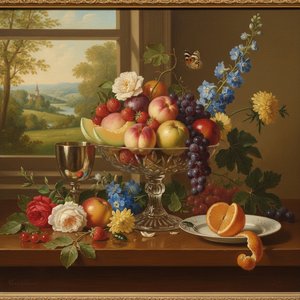
Severin Roesen: Evoking National Identity Through American Still Life Painting
Explore the captivating world of Severin Roesen, a major American still life painter influenced by Dutch masters. Discover his lush compositions and the symbolism within his art – a window into 19th-century America.

The Bountiful Still Life: Symbolism & Artistic Representation of Fruit Across Art History
Explore the rich history of still life painting & the symbolism of fruit across art movements. Discover masterpieces from Caravaggio to Cézanne with OriginalUniqueArt – expert guidance & museum-quality reproductions.
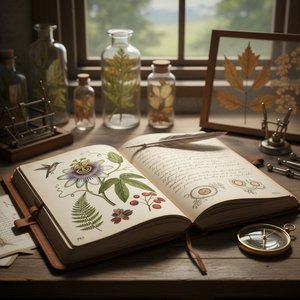
Titian Ramsay Peale II: A Legacy of Botanical Precision & Artistic Innovation
Explore the life & art of Titian Ramsay Peale II, a master of botanical precision and wildlife painting. Discover his legacy bridging art & natural history at OriginalUniqueArt.

American Realism's Defining Works: 10 Masterpieces for Your Home
Explore 10 defining American Realism masterpieces – Hopper, Homer & more. Discover the stories behind these iconic paintings and bring timeless art to your home with OriginalUniqueArt's museum-quality reproductions. Explore the full collection online.

Charles Willson Peale: Portraiture, Enlightenment Ideals & Shaping American Identity
Explore the life & art of Charles Willson Peale – Revolutionary portraitist, scientist, and founder of America’s first museum. Discover his iconic paintings of Washington & the Enlightenment ideals that shaped a nation.