

 ნახვა ინტერьерში
 გაგზავნა
 გაზიარება
 დეტალები
 გზამკვლევი

 ჩამოტვირთვა
 მსგავსები
 რენტგენოგრაფიული კვლევა
 სლაიდშოუ
 სტატისტიკა
Up the River During Qingming
 Oil On Canvas
- WallArt
- Ming Dynasty Painting
 1644
1644 34.0 x 804.0 cm
 ტაიპეკის ეროვნული სასახლის მუზეუმი
 სრული ტექსტის ნახვა
გიკლე / ხელოვნების პრინტი
მუზეუმის დონის ჟიკლე ან ტილოზე ბეჭდვა სწრაფი წარმოებისა და დასრულების მოქნილი ვარიანტებით. ( შეიძინეთ ხელით შესრულებული ნახატი გადასვლა ციფრულ გამოსახულებაზე)




P118B ₾10

P118H ₾10

P118W ₾10

P438Z ₾10

P508JH ₾12

P508YH ₾12

P805H ₾10

P805Z ₾10

P919BZ ₾10

P919G ₾10

P919XJ ₾10

P959ZH ₾10

P968JZ ₾12

W106C ₾8

W218G ₾10

W218JH ₾8

W218Y ₾10

W307PJ ₾10

W316G ₾10

W316PJ ₾8

W316Y ₾10

W398PJ ₾8

W4111J ₾10

W500HY ₾15

W500JH ₾15

W692G ₾12

W849H ₾8

W940BG ₾15

W953PJ ₾8




აირჩიეთ ჩვენს მიერ წინასწარ განსაზღვრული ზომებიდან, რომლებიც ნაწარმოების ორიგინალურ პროპორციებს შეესაბამება.

შეიყვანეთ თქვენთვის საჭირო სიგანე და სიმაღლე, რათა იგი მოერგოს თქვენს ჩარჩოს ან კედელს. ბეჭდვისას შესაძლებელია მხოლოდ მისი შემცირება და არა გაზრდა, ამიტომ სხვა ფორმის ზომის შემთხვევაში გამოსახულება ნაწილობრივ იკარგება. სანამ რაიმეს დაბეჭდავთ, ჩვენ გამოგიგზავნით ციფრულ მაკეტს დასდასტურებლად. ამ გვერდზე ნაჩვენები სურათი არ ასახავს რეალურ ჭრას — ამას მხოლოდ მაკეტი გვიჩვენებს.
მიწოდება მთელ მსოფლიოში () 2 კვირაში, სტანდარტული 4/5 კვირის ნაცვლად. (22 ოქტომბერი)

უფასო ექსპრეს მიწოდება მთელ მსოფლიოში

მაღალი ხარისხის ტილო

ტრანსპორტირების სრული დაზღვევა

საბაჟო გადასახადების დაბრუნების გარანტია

ფერების სრული შესაბამისობის გარანტია

დაბრუნების 100-დღიანი პერიოდი (მხოლოდ წარმოების დეფექტის შემთხვევაში)

100% თანხის სრული დაბრუნების გარანტია

ფასდაკლება დიდი რაოდენობით შეკვეთისას
 მინის ჩარჩოს არჩევანი ხელმისაწვდომია მხოლოდ 110 სმ-მდე ზომისთვის

Up the River During Qingming
გიკლე / ხელოვნების პრინტი
რეპროდუქციის ზომა
-


ჯამური ღირებულება
₾ 209
A Glimpse into Imperial Life and Artistic Mastery
“Up the River During Qingming” – a title that conjures images of a vibrant, bustling scene, yet within its painted surface lies a profound meditation on life, death, and the ephemeral beauty of the natural world. Attributed to the masterful Qiu Ying, a painter who defied conventional artistic paths to forge his own legacy during the Ming Dynasty (1494-1552), this handscroll offers an unparalleled window into 17th-century China – a time of immense cultural flourishing and imperial grandeur. More than just a depiction of a river journey, it’s a meticulously crafted tableau that speaks volumes about social hierarchy, artistic innovation, and the enduring fascination with capturing fleeting moments.
The Painter's Journey: From Lacquer to Legend
Qiu Ying’s origins were remarkably unconventional. He began his career not within the established academies of art, but as a lacquer artisan – a skill that instilled in him an extraordinary attention to detail and a deep understanding of color and texture. This early apprenticeship honed his ability to render intricate patterns with precision, a quality that would become hallmarks of his later paintings. He subsequently studied under Zhou Chen in Suzhou, a renowned master who further refined his technique and exposed him to the prevailing artistic trends of the era. Qiu Ying’s journey is a testament to the power of self-directed learning and the diverse paths one can take to achieve artistic greatness.
A Symphony of Color and Technique
The scroll's visual impact is immediately arresting, dominated by a rich palette of mineral pigments – vibrant blues derived from lapis lazuli, shimmering greens sourced from malachite, and fiery reds achieved with cinnabar. Qiu Ying’s technique exemplifies the “gongbi” style, characterized by meticulous brushwork and an almost photographic realism. Notice the incredible detail in the rendering of the buildings lining the riverbank – each tile meticulously depicted, reflecting the opulence of imperial architecture. The water itself is treated with a remarkable fluidity, utilizing layered washes to create an illusion of movement and depth. The use of “wet-on-wet” technique further enhances this effect, blurring the boundaries between foreground and background.
Scenes of Celebration and Social Commentary
“Up the River During Qingming” is not simply a landscape painting; it’s a carefully constructed narrative. The scene unfolds along the Jinming River, teeming with activity as people celebrate the Qingming Festival – a time for honoring ancestors and visiting graves. We see elaborate boat races, lively dance performances, acrobatic displays, and even military reviews, all taking place within the confines of a grand palace complex. These activities are not merely decorative; they subtly comment on the social hierarchy of the time, with the emperor’s presence and lavish displays signifying his authority and power. The inclusion of stage performances suggests an appreciation for entertainment and cultural refinement.
Symbolism and the Ephemeral Nature of Life
Beyond its surface details, “Up the River During Qingming” is imbued with symbolic meaning. The river itself represents the flow of time, while the figures within the scene embody the diverse roles and aspirations of Ming Dynasty society. The meticulous detail with which Qiu Ying depicts the landscape – from the towering willow trees to the meticulously rendered buildings – underscores the importance of harmony between humanity and nature. Ultimately, the painting serves as a poignant reminder of the fleeting beauty of life and the enduring desire to capture it on canvas. It’s a masterpiece that continues to resonate with viewers centuries later, offering a glimpse into a bygone era and inviting us to contemplate our own place within the grand sweep of history.
კითხვები და პასუხები
რატომ არის "Up the River During Qingming"-ის საავტორო უფლებების სტატუსი სწორედ ასეთი?
„Up the River During Qingming“-ის საავტორო უფლებების სტატუსი - საჯარო საკუთრებაშია - მისი საავტორო უფლებები ამოწდა - გამომდინარეობს მხატვრის გარდაცვალებიდან, რომელიც მოხდა 1552-ში.
რა ტექნიკა გამოიყენეს ჩიუ ინგი-ის „Up the River During Qingming“-ის შესაქმნელად?
ჩიუ ინგი-ის „Up the River During Qingming“-ის ტექნიკა არის Oil On Canvas. რეპროდუქციების მიზანია ამ ტექნიკის ვიზუალური მხარის ზუსტი გადმოცემა.
არის თუ არა ჩიუ ინგი-ის „Up the River During Qingming“ Ming Dynasty Painting მიმდევრობის ერთ-ერთი ყველაზე მოთხოვნადი ნამუშევარი?
Ming Dynasty Painting მიმდინარეობის ფარგლებში, ნამუშევარი „Up the River During Qingming“ ფლობს Recognized პოპულარობის დონეს.
მხატვრის ბიოგრაფია
დასაღები ცხოვრება ფუნჯის მონასმით: ჩიუ ინგის სამყარო
1494 წელს, დღევანდელი ჯანსუსის პროვინციის მახლობლად მდებარე ქალაქ ტაიცანში, თავმდაბალ პირობებში დაბადებული ჩიუ ინგი მინგის დინასტიის ერთ-ერთ ყველაზე აღიარებულ ფერწერად იქცა. მისი გზა, განსხვავებით მისი ეპოქის იმ ბევრ ხელოვანისაგან, ვინც აკადემიური გარემო და სქოლასტიკური განათლება მიიღო, გასაოცრად თვითნაკადი იყო. მან თავისი შემოქმედებითი მოგზაურობა არა ტრადიციული გზებით, არამედ ლაკის ხელოსნის მოწაფედ დაიწყო, სადაც დეტალურ დეკორატიულ სამუშაოებზე მუშაობით დახვეწდა უნარებს – სწორედ ამ საფუძველმა განაპირობა ის განსაკუთრებული სიზუსტე და სიფრთხილე, რაც მისი შემდგომი ნამუშევრების განუყოფელი ნაწილი გახდა. ამ ადრეულმა გამოცდილებამ მას ხაზისა და ფერის ოსტატობა შეუძინა, რასაც შემდგომში სუჟოუში, მინგის პერიოდის ცენტრალურ კულტურულ ჰაბში, ჟოუ ჩენის მეთვალყურეობის ქვეშ დახვეწდა. სწორედ ამ დინამიკურ გარემოში დაიწყო ჩიუ ინგის ნამდვილი აყვავება, როდესაც მან შეითვისა ახალი ტექნიკები და შექმნა თავისი უნიკალური, გამორჩეული სამხატვრო ხმა.მრავალფეროვნების ოსტატი: სტილი და ტექნიკა
ჩიუ ინგის გენიუალიზმი არა ერთ კონკრეტულ სკოლასთან ან სტილთან მჭიდროდ დაკავშირებულობაში, არამედ მის არაჩვეულებრივ მრავალმხრივობაში მდგომარეობდა. მიუხედავად იმისა, რომ სუჟოუ ვუის სკოლისთვის დამახასიათებელი დელიკატური ტაშის საღებავებით შესრულებული ფერწერის ციხესიმაგრე იყო, ჩიუ ინგმა აჩვენა გამორჩეული უნარი, დაეუფლნა როგორც ეს ნიუანსური მიდგომა, ისე დეტალებით მდიდარი და ცოცხალი გონბის ტექნიკა. ამ ადაპტაციის უნარმა მას საშუალება მისცა, სხვადასხვა გემოვნების მქონე დამკვეთებს მოემსახურა და საკუთარი თავი ძალიან მოთხოვნად ხელოვანად დაიმკვიდრა. იგი ოსტატურად აერთიანებდა ამ ტექნიკებს და ხშირად იყენებდა „მწვანე და ლურჯი“ სტილის ელემენტებს, რომელიც ცნობილია თავისი მდიდარი ფერებითა და რთული დეტალებით. მისი ნამუშევრები გამოირჩევა ფერების დახვეწილობით, დეტალებზე განსაკუთრებული ყურადღებით და იმ საოცარი უნარით, რომლითაც მას შეუძლია აღძგიოს როგორც გრანდიოზული პანორამული პეიზაჟები, ისე ინტიმური და ნატიფი სცენები. ეს ტექნიკური სიმძლავრე მხოლოდ ხელოვნებას არ ნიშნავდა; ეს იყო ამბის თქმა, ემოციის გადაცემა და სიცოცხლის შემოტანა აბრეშუმსა თუ ქაღალდზე.მფარველობა და კარიერის აყვავება
ჩიუ ინგის კარიერა მდიდარი მეწამეების გულუხვად მხარდაჭერას მოჰყვა, რომლებმაც მას სხვადასხვა თემატიკის ნამუშევრების შეკვეთა დაუგეს. მან შექმნა პეიზაჟები ატმოსფერული პერსპექტივით, რელიგიური სცენები სულიერი მონღვიმობით, ყვავილებისა და ბაღების ნატიფი გამოსახულებები სიცოცხლისგან სავსე და შთამბეჭდავი ფიგურული კომპოზიციები, რომლებიც თავისი პერსონაჟების არსს გადმოგვცემდა. მის ყველაზე აღიარებულ შემოქმედებაში შედის ისეთი შედევრები, როგორიცაა „მდინარეზე ქინგმინგის დროს“, რომელიც შთაგონებულია ჩრდილოეთ სუნის დინასტიის საკულტო ორიგინალით; „ქალი ბამბუკის ტყეში“, რომელიც წარმოაჩენს მის უნარს, დახატოს ელეგანტური ფიგურები ბუნებრივ გარემოში; „შვიდი ბრძანი ბამბუკის ტყეში“, რაც მისი კლასიკური ლიტერატურული თემების ცოდნას მოწმობს; და „გაზაფხულის დილა ჰანის სასახლეში“, რომელიც სამეფო ცხოვრების ცოცხალი აღწერაა. ისეთი მნიშვნელოვანი მფარველები, როგორებიც იყვნენ სუჟოუელი ჩენ გუანი, მოგვიანებით კი ჟოუ ფენლაი და სიანგ იუანბიანი – ორივე გამოჩენილი ხელოვნების შემკრბელი – გადამწყვეტ როლს ასრულებდნენ მისი შემოცნEMENTS მხარდაჭერაში, რაც მას შემოქმედებითი თავისუფლებისა და ტექნიკის სრულყოფის საშუალებას აძლევდა.მემკვიდრეობა და მარადიული გავლენა
ჩიუ ინგის ნიჭმა და მრავალფეროვნებამ მას მინგის დინასტიის „ოთხი ოსტატის“ რიგში დააკვირვებინა, რაც ჩინური ფერწერაზე მისი ღრმა გავლენის დასტურია. მან ხიდი ააგო ტრადიციულ სტილებსა და თანამედროვე გემოვნებას შორის, შექმნა ნამუშევრები, რომლებიც ერთდროულად ტექნიკურად ბრწყინვალე და ესთეტიკურად სასიამოვნო იყო. მისი ფეროვნება ასახავს უფრო ადრეული ოსტატების, განსაკუთრებით სუნის დინასტიის გავლენას, თუმცა მან ეს ისტორიული წინაპირდადენები საკუთარი ეპოქის ესთეტიკასთან ოსტატურად შეዋდა. იგი არ ახდენდა უბრალოდ იმიტაციას; იგი ახდენდა სინთეზს, ინოვაციას და საბოლოოდ შექმნა სტილი, რომელიც მხოლოდ მისეული იყო. მისი სიცოცხლის შემდგომაც, ჩიუ ინგის გავლენა გავრცელდა ხელოვანთა იმ თაობებზე, რომლებიც აღფრთოვანებულნი იყვნენ მისი დახვეწილი ტექნიკითა და ინოვაციური მიდგომით. ის რჩება ჩინური ხელოვნების ისტორიაში აღიარებულ ფიგურად, რომელიც პატივს მიაგებს სილამაზის დაჭერას, მნიშვნელობის გადმოცემას და ხელოვნებაში წარუვალ კვალის დატოვებას. დღესაც კი, მისი სახელი მერსკურის ერთ-ერთ კრატერზეა დატანილი – რაც შესაფერისი// tributo// არის ხელოვანისთვის, რომლის ხედვაც მიწიურ საზღვრებს სცილდებოდა. მისი მემკვიდრეობა დღემდე აღფრთოვანებასა და მოწიწებას იწვევს ხელოვნების მოყვარულთა შორის მთელ მსოფლიოში.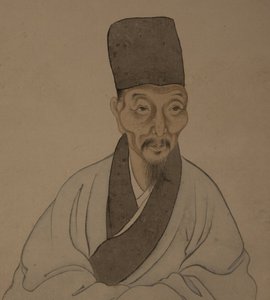
ჩიუ ინგი
1494 - 1552 , ჩინეთი
მოკლე ფაქტები
- Artistic Movement Or Style: გონბი, უ-ს სკოლა
- Artists Or Movements Influenced By This Artist: ['მინგ დინასტიის ხელოვანები']
- Artists Who Influenced This Artist: ['სុង დინასტიის ოსტატები']
- Date Of Birth: 1494
- Date Of Death: 1552
- Full Name: ჩიუ ინგი
- Nationality: ჩინელი
- Notable Artworks:
- მდინარეზე ზემოთ ცინმინგის დროს
- ქალი ბამბუკის ტყეში
- ბამბუკის ტყის შვიდი ბრძენი
- გაზაფხულის დილა ჰანის სასახლეში
- Place Of Birth: ტაიცანგი, ჩინეთი
მსგავსი სტატიები
Xie Zhiliu: A Legacy of Ink Wash Painting & Modern Chinese Literati Tradition
Explore the legacy of Xie Zhiliu, a master of Chinese ink wash painting & prominent figure in modern art. Discover his techniques, influences, and contributions to literati tradition. A guide for discerning collectors.
The Timeless Beauty of Chinese Calligraphy: An Exploration of Ink, Spirit, and the Art of the Brush
Embark on a profound journey through the soul of Chinese calligraphy. Explore the historical mastery of ink, brush, and script, from ancient Zhuanshu to elegant running script, and discover how this timeless art form reflects the enduring spirit of classical East Asian aesthetics.

Ephemeral Expressions: Exploring the Nuances of Ink on Paper Through History & Contemporary Art
Explore the captivating world of ink wash painting – from its ancient origins to contemporary masters. Discover techniques, symbolism & conservation insights with OriginalUniqueArt.com.
Pu Xinyu's 'Puru': A Legacy of Literati Painting & Emotional Resonance
Explore the captivating world of Pu Xinyu (Puru), the last great literati painter. Discover his imperial heritage, masterful ink wash techniques & enduring legacy – a valuable addition to any discerning art collection.
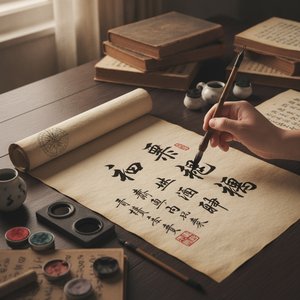
Mastering the Flow: The Timeless Art of Ink on Paper and the Legacy of Calligraphic Mastery
Explore the profound elegance of ink on paper. From the rhythmic running script of the Ming Dynasty to Zen-inspired haiku, discover the history, technique, and meditative mastery behind the world's most timeless calligraphic traditions.