Gongbi Landscape · 1530
Handscroll (ჩიუ ინგი, 1530)
ჩიუ ინგი (1494–1552)-მა შექმნა Handscroll. დათარიღებულია 1530 წლით. ის Gongbi Landscape მიძღვნილ სტილს მიეკუთვნება. შესრულებულია Acrylic On Canvas-ით. ნახატი დაცულია მეტროპოლიტენის ხელოვნების მუზეუმი-ში, ნიუ-იორკი, ამერიკის შეერთებული შტატები-ში.
- 1530
- Acrylic On Canvas
- მეტროპოლიტენის ხელოვნების მუზეუმი, ნიუ-იორკი

 წინასწარი ნახვა

 ხელით ნაკletი ზეთწერილი
 გაგზავნა
 გაზიარება
 საინფორმაციო ფურცელი


 ჩამოტვირთვა
 მსგავსები
 რენტგენოგრაფიული კვლევა
 სლაიდშოუ
 კითხვა-პასუხი

 სტატისტიკა
Handscroll, მოკლედ
- სათაური
- Handscroll
- ხატველი
- ჩიუ ინგი (1494–1552)
- ხატვის წელი და ადგილი
- ტაიცაঙ্গি, ჩინეთის სახალხო რესპუბლიკა
- თარიღი
- 1530
- ტექნიკა
- Acrylic On Canvas
- სად ნახავთ
- მეტროპოლიტენის ხელოვნების მუზეუმი, ნიუ-იორკი, ამერიკის შეერთებული შტატები
- მიმდინარეობა
- Gongbi Landscape
- ეპოქა
- Late Medieval
- სუბიექტი
- ming dynasty, landscape, scroll, qiu ying, luohans, chinese art
რა არის გამოსახული Handscroll-ში?
Qiu Ying’s “Up the River During Qingming”: A Masterpiece of Ming Dynasty Serenity
“Up the River During Qingming,” painted by Qiu Ying during the mid-16th century, is more than just a landscape; it's a carefully constructed meditation on harmony, leisure, and the enduring beauty of nature. Attributed to one of China’s Four Masters of the Ming Dynasty – alongside Shen Zhou, Tang Yin, and Wen Zhengming – this exquisite handscroll offers a rare glimpse into the refined aesthetic sensibilities of Suzhou during that era. The work, currently residing in the collection of the National Gallery of Canada, invites viewers into a tranquil scene brimming with subtle symbolism and masterful brushwork.
Qiu Ying’s artistic journey was remarkably unconventional for his time. Rather than pursuing formal training within established art circles, he began as a lacquer artisan, honing his skills in meticulous detail – a foundation that profoundly influenced the precision and control evident throughout “Up the River During Qingming.” This early experience instilled in him an unparalleled understanding of line and color, qualities he would later translate into his celebrated landscape paintings. His apprenticeship with Zhou Chen in Suzhou further solidified his technical abilities, exposing him to the techniques of the Wu School, known for its emphasis on ink washes and a more expressive approach to nature.
A Symphony of Detail: Technique and Style
The painting’s remarkable quality stems from Qiu Ying's mastery of the gongbi technique – a highly detailed, realistic style that was favored by court painters. Each element—from the meticulously rendered bamboo stalks to the delicate folds of the pavilions—is executed with painstaking precision, creating an illusion of incredible depth and texture. Notice the subtle gradations of color achieved through layering washes of ink and pigment; this creates a luminous quality that brings the scene to life. The composition is carefully balanced, drawing the eye across the landscape in a deliberate and engaging manner. The artist’s use of loose brushwork, particularly in depicting the distant mountains and flowing river, contrasts beautifully with the tightly controlled detail of the foreground elements, demonstrating Qiu Ying's versatility and his ability to seamlessly blend different artistic approaches.
Symbolism Woven into the Landscape
“Up the River During Qingming” is rich in symbolic meaning. The scene depicts a scholar leisurely enjoying a day by the river, surrounded by carefully arranged pavilions and gardens. This imagery reflects the Confucian ideals of scholarly pursuits, contemplation, and harmony with nature – values highly esteemed during the Ming Dynasty. The presence of the tavern and the farmer gathering water vegetables adds a touch of everyday life to the scene, reminding us that even amidst beauty and tranquility, human activity continues. The bamboo grove, a recurring motif in Chinese art, symbolizes resilience, integrity, and longevity—qualities admired in virtuous individuals. The distant mountains represent permanence and stability, while the flowing river embodies fluidity and change.
A Window into Ming Dynasty Culture
Beyond its aesthetic beauty, “Up the River During Qingming” offers a valuable insight into Ming Dynasty culture. It reflects the importance of gardens as spaces for contemplation, artistic expression, and social interaction. The lavish furnishings within the pavilions—including the exquisite celadon vase—demonstrate the wealth and sophistication of the era’s elite. The painting also reveals the influence of philosophical ideas, particularly those associated with Zhou Dunyi, whose “On the Love for the Lotus” inspired the scene's composition and symbolism. Qiu Ying’s ability to seamlessly integrate these diverse elements into a cohesive and harmonious whole is a testament to his artistic skill and cultural awareness.
Collecting a Legacy: Reproduction and Inspiration
Reproductions of “Up the River During Qingming” capture only a fraction of the painting's original impact. The subtle nuances of color, texture, and brushwork are difficult to replicate fully, but high-quality reproductions offer an accessible way to appreciate Qiu Ying’s artistry. This work serves as a powerful reminder of the enduring appeal of Chinese landscape painting—a genre that continues to inspire artists and captivate viewers with its beauty, symbolism, and profound sense of serenity.
რომელ მუზეუმში ინახება Handscroll?
მეტროპოლიტენის ხელოვნების მუზეუმი
ნიუ-იორკი, ამერიკის შეერთებული შტატები
Origins and History of the Metropolitan Museum of Art The Metropolitan Museum of Art began with a vision shared by a group of businessmen, financiers, and leading artists and thinkers. Following its incorporation in 1870, the institution sought a permanent home to house its growing acquisitions. Before settling into its current location, the museum briefly resided in the Douglas Mansion estate on West 14th Street.
 სოკრატეს სიკვდილი, მეტროპოლიტენი, ნიუ-იორკიჟაკ-ლუი დავიდი, 1787
 ჯონ სინგერ სარჯენტი
ცხოვრება სინათლეში და საზოგადოებაში
ფლორენცია
იტალია
1856
უცნობია
1925
ხედვა არისტოკრატიული ელეგანტურობის შესახებ
ოქროს ხანა
--Overall Impression-- ხელოვნების ნაწილი არის ქალის პორტრეტი ელეგანტური, მუქი კაბით. ეს არის კლასიკურჯონ სინგერ სარჯენტი, 1884
 ვაშინგტონი დელავერის გადაკვეთაზეემანუელ გოთლიბ ლუცე, 1851
Handscroll-ის მაღალი გარ Auflხ resolución-ის გამოსახულებები

საჯარო საკუთრება: მხატვარი გარდაიცვალა 1552 წელს.
სხვა ზომები, კადრისრები და ციტირება →ჩიუ ინგი, Handscroll (1530), მეტროპოლიტენის ხელოვნების მუზეუმი. საჯარო საკუთრება
კითხვები Handscroll-ზე, პასუხები
სად არის დღეს გამოფენილი ჩიუ ინგი-ის „Handscroll“?
ჩიუ ინგი-ის „Handscroll“ წარმოდგენილია მეტროპოლიტენის ხელოვნების მუზეუმი, ნიუ-იორკი, ამერიკის შეერთებული შტატები-ში. მუზეუმის აღწერილობა ეხება ორიგინალ ნამუშევარს და არა რეპროდუქციებს.
რა წელში შეიქმნა "Handscroll"?
ჩიუ ინგი-ის „Handscroll“ შეიქმნა 1530 წელს.
რა მასალისგან არის შესრულებული ჩიუ ინგი-ის „Handscroll“?
ჩიუ ინგი-მა „Handscroll“-ის შესაქმნელად Acrylic On Canvas ტექნიკა გამოიყენა. აღნიშნული ტექნიკა განსაზღვრავს ორიგინალი ნამუშევრის მატერიალურ ბუნებას.
რა თემებია გამოსახული ნამუშევარში ჩიუ ინგი-ის „Handscroll“?
ჩიუ ინგი-ის „Handscroll“-ში წარმოდგენილი თემები მოიცავს ming dynasty, landscape, scroll, qiu ying, luohans, chinese art, gongbi-ს, რაც ერთობლიობაში ასახავს ნამუშევრის შინაარსს.
არის თუ არა "Handscroll" საავტორო უფლებებისგან თავისუფალი?
ავტორული უფლებების სტატუსი ნამუშევრისთვის ჩიუ ინგი-ის „Handscroll“: ნამუშევარი არის საჯარო საკუთრებაშია — საავტორო უფლებები ამოწდა. ეს განსაზღვრავს, შესაძლებელია თუ არა გამოსახულების რეპროდუქციის თავისუფლად წარმოება.
ვინ შექმნა "Handscroll"?
"Handscroll" შექმნილია ჩიუ ინგი-ის მიერ. ამ გვერდზე მოცემული ინფორმაცია აღწერს ჩიუ ინგი-ის ორიგინალურ ნამუშევარს.
რომელ ხელოვნების მიმდევრობას მიეკუთვნება ჩიუ ინგი-ის „Handscroll“?
ჩიუ ინგი-ის „Handscroll“ მიეკუთვნება Gongbi Landscape მიმდევრობას. ეს მიმდევრობა ნამუშევარს სტილისტურ კონტექსტს სძენს.
ჩიუ ინგი-ის შემოქმედების რომელი პერიოდის ნაწილია "Handscroll"?
ჩიუ ინგი-ის შემოქმედების პერიოდში „Handscroll“ Mid-16th Century-ს მიეკუთვნება. ეს ფაზა საშუალებას გვაძლევს, იგი ხელოვანის სხვა ნამუშევრებს შევადაროთ.
რა ასაკში შექმნა ჩიუ ინგი-მა „Handscroll“?
ჩიუ ინგი 36 წლის იყო, როდესაც 1530 წელს შექმნა „Handscroll“. ასაკი გამოთვლილია ხელოვანის დაბადების წლის, 1494, საფუძველზე.
მხატვრის შესახებ, ჩიუ ინგი
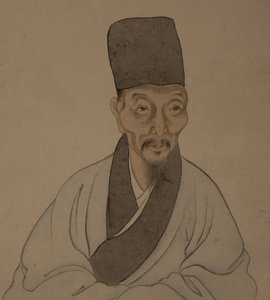
1494–1552, ჩინეთის სახალხო რესპუბლიკა
ჩიუ ინგი
დასაღები ცხოვრება ფუნჯის მონასმით: ჩიუ ინგის სამყარო 1494 წელს, დღევანდელი ჯანსუსის პროვინციის მახლობლად მდებარე ქალაქ ტაიცანში, თავმდაბალ პირობებში დაბადებული ჩიუ ინგი მინგის დინასტიის ერთ-ერთ ყველაზე აღიარებულ ფერწერად იქცა. მისი გზა, განსხვავებით მისი ეპოქის იმ ბევრ ხელოვანისაგან, ვინც აკადემიური გარემო და სქოლასტიკური განათლება მიიღო, გასაოცრად თვითნაკადი იყო. მან თავისი შემოქმედებითი მოგზაურობა არა ტრადიციული გზებით, არამედ ლაკის ხელოსნის მოწაფედ დაიწყო, სადაც დეტალურ დეკორატიულ სამუშაოებზე მუშაობით დახვეწდა უნარებს – სწორედ ამ საფუძველმა განაპირობა ის განსაკუთრებული სიზუსტე და სიფრთხილე, რაც მისი შემდგომი ნამუშევრების განუყოფელი ნაწილი გახდა. ამ ადრეულმა გამოცდილებამ მას ხაზისა და ფერის ოსტატობა შეუძინა, რასაც შემდგომში სუჟოუში, მინგის პერიოდის ცენტრალურ კულტურულ ჰაბში, ჟოუ ჩენის მეთვალყურეობის ქვეშ დახვეწდა.
ასევე ჩიუ ინგი-ის მიერ შექმნილი სხვა ნამუშევრები
 Up the River During Qingming1644
 Zhao Mengfu Writing the Heart (Hridaya) Sutra in Exchange for Tea1542
 Lady Su Hui and Her Verse Puzzle501
 The Seven sages of the bamboo grove1552

ესეები Handscroll-ის შესახებ
 Understanding Chinese Painting: A Comparison of Gongbi and XieyiMaster the differences between Gongbi and Xieyi styles. Discover the history and techniques of Chinese ink painting now.
 25 Must-See Masterpieces at Berlin's Alte NationalgalerieExplore 25 iconic masterpieces from Berlin's Alte Nationalgalerie. From Romanticism to Impressionism, discover them all on OriginalUniqueAr…
 Understanding Chinese Art: Literati Painting and Song Academy PaintingMaster the distinction between Song Academy and Literati painting styles. Explore Chinese art history through expert analysis today.