

 წინასწარი ნახვა
 გაგზავნა
 გაზიარება
 დეტალები

 ჩამოტვირთვა
 მსგავსები
 რენტგენოგრაფიული კვლევა
 სლაიდშოუ
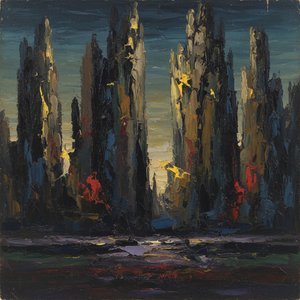
Greenhouse in Winter
 Oil On Canvas
- WallArt
- Modernism
 1949
1949 64.0 x 43.0 cm
 British Council Collection
 გადასართად დაწვრილებით ნახეთ
ხელით ნაკვეთი ზეთის ტილოს რეპროდუქცია
ტილოზე შესრულებული ფერწერიანი ზეთប្រდათი, თქვენთვის სასურველი ზომისა და ჩარჩოსთვის, ჩვენი ხელოვანების მიერ შეკვეთის საფუძველზე დამზადებული. ( შეიძინეთ პრინტი შეიძინეთ გამოსახულება)




P118B $10

P118H $10

P118W $10

P438Z $10

P508JH $12

P508YH $12

P805H $10

P805Z $10

P919BZ $10

P919G $10

P919XJ $10

P959ZH $10

P968JZ $12

W106C $8

W218G $10

W218JH $8

W218Y $10

W307PJ $10

W316G $10

W316PJ $8

W316Y $10

W398PJ $8

W4111J $10

W500HY $15

W500JH $15

W692G $12

W849H $8

W940BG $15

W953PJ $8




აირჩიეთ ჩვენს მიერ წინასწარ განსაზღვრული ზომებიდან, რომლებიც ნაწარმოების ორიგინალურ პროპორციებს შეესაბამება.

თქვენ შეგიძლიათ მიუთითოთ თქვენთვის სასურველი ზომები კონკრეტული ჩარჩოს ან სივრცის შესაბამისად. თუ თქვენ მიერ არჩეული ზომა არ შეესაბამება ორიგინალი გამოსახულების პროპორციებს, ჩვენ ან შევაჭრებთ ნაწარმოებს, ან ტილოზე დავამატებთ ხელით მოხატულ ელემენტებს. წარმოების დაწყებამდე, დამტკიცებისთვის გამოგეგზავნებათ ციფრული მაკეტი.
გთხოვთ, გაითვალისწინოთ, რომ ეკრანზე ნაჩვენები წინასწარი შეხედულება არ ასახავს რეალურ შეჭრას ან გაფართოებას. საბოლოო კომპოზიციას ზუსტად მხოლოდ მაკეტი წარმოაჩენს.
მიუხედავად იმისა, რომ შესაძლებელია ინდივიდუალური ზომების შერჩევა, ორიგინალური პროპორციების შენარჩუნებისათვის გირჩევთ, გამოიყენოთ წინასწარ განსაზღვრული სიის ზომები.
შეკვეთის შემდეგ, OriginalUniqueArt.com გუნდი დაგიკავშირდებათ ელექტრონული ფოსტით ინსტრუქციებისთვის და გამოგიგზავნით წინასწარ ნახაზს (mockup).
მიწოდება მსოფლიო მასშტაბით -ში 3/4 კვირაში, სტანდარტული 5 კვირის ნაცვლად. (21 აგვისტო). ხარისხზე კომპრომისის გაკეთება არ მოხდება.

უფასო ექსპრეს მიწოდება მთელ მსოფლიოში

საბამად მაღალი ხარისხის ტილო

სრული ტრანსპორტირების დაზღვევა

საბაჟო გადასახადების დაბრუნების გარანტია

ფერების სრული შესაბამისობის გარანტია

60-დღიანი დაბრუნების პოლიტიკა (მხოლოდ დეფექტის შემთხვევაში)

100% თანხის დაბრუნების გარანტია

ფასდაკლება დიდი რაოდენობით შეკვეთისას
 მინის ჩარჩოს არჩევანი ხელმისაწვდომია მხოლოდ 110 სმ-ზე ნაკლები ზომისთვის

Greenhouse in Winter
რეკლამაციის ტექნიკა
რეკლამაციის ზომა
-


საბოლოო ფასი
$ 300
ნაწარმოების აღწერა
A Still Life Illuminated: Exploring Prunella Clough’s “Greenhouse in Winter”
The painting "Greenhouse in Winter" by Prunella Clough, completed in 1949, stands as a testament to the quiet beauty of observation and the subtle power of abstraction. More than just a depiction of a winter greenhouse—a meticulously arranged space filled with potted plants—it’s an invitation into a contemplative mood, reflecting the artist's distinctive approach to capturing the essence of everyday life through a deliberately fractured lens. This piece resides within the British Council Collection in London, cementing its place as a significant contribution to mid-century British art.Origins and Influences: Shaping Clough’s Artistic Vision
Born in Chelsea in 1919, Prunella Clough benefited from an upbringing steeped in artistic appreciation thanks to her family's connections with prominent figures like Henry Moore and Eileen Gray. Her early education fostered a keen eye for detail and form, while Gray’s pioneering designs undoubtedly instilled a fascination with geometric precision and unconventional spatial arrangements—influences that would permeate Clough’s oeuvre. The war years provided invaluable experience in visual communication, honing her skills as a cartographer and shaping her understanding of how to distill complex information into impactful imagery.Decoding the Composition: Cubist Echoes and Symbolic Resonance
The painting's aesthetic is firmly rooted in Synthetic Cubism, championed by artists like Kazimir Severinovich Malevich and Johannes Van Haensbergen. Clough eschews realistic representation, opting instead for a fragmented composition dominated by angular blocks of color—primarily muted browns, grays, and blues—that disrupt traditional perspective. Geometric shapes – rectangles and squares – are strategically positioned to create a sense of instability and challenge the viewer’s preconceptions about space. However, beyond its formal innovation lies a deeper symbolic significance. The greenhouse itself represents resilience and perseverance amidst adversity, mirroring Clough's own unwavering dedication to her craft. The prominent green foliage symbolizes vitality and growth, juxtaposed against the somber palette to evoke feelings of melancholy and introspection.Technique and Texture: Impressionistic Brushstrokes Revisited
Clough’s masterful technique utilizes oil paint applied with broad brushstrokes—a deliberate departure from smoother Impressionist styles—resulting in a palpable textural surface. Impasto, where thick layers of pigment are built up onto the canvas, contributes to this tactile quality, allowing viewers to perceive the artist's physicality and expressive gesture. The careful layering of color creates depth and luminosity, capturing the subtle nuances of light filtering through the greenhouse windows. Despite its apparent simplicity, the painting demands close attention, rewarding the observer with a rich tapestry of visual information and emotional resonance.A Legacy Enduring: “Greenhouse in Winter” Today
“Greenhouse in Winter” continues to captivate audiences today thanks to its understated elegance and profound psychological depth. Its inclusion in the Sorø Kunstmuseum’s collection underscores its importance within Scandinavian art history, demonstrating Clough's ability to elevate commonplace subjects into vehicles for contemplation and artistic innovation. Reproductions of this iconic artwork are available on OriginalUniqueArt.com, offering collectors and interior designers alike a chance to experience firsthand the enduring beauty and intellectual stimulation of Prunella Clough’s visionary vision.მხატვრის ბიოგრაფია
Prunella Clough: A Life in Art
Early Life and Education
Born on November 11, 1919, in Chelsea, London, Prunella Clough came from an affluent upper-middle-class family. Her father, the poet Eric Taylor, initially provided her with a private education. She later enrolled as a part-time student at the Chelsea School of Art (now Chelsea College of Art and Design) in 1937, and in 1938 took classes with the sculptor Henry Moore. Her aunt was the influential Irish designer Eileen Gray, who undoubtedly impacted her aesthetic sensibilities. Clough remained a London resident throughout her life.
Wartime Service and Early Career
During World War II, Clough served as a cartographer for the Office of War Information, a role that likely honed her observational skills. Following the war, she dedicated herself to painting full-time, supplementing her income with teaching positions at Chelsea (1956–69) and Wimbledon School of Art (1966-97). The Clough-Taylor family’s frequent holidays in Southwold proved significant; her mother purchased Woldside House there in 1945, which became a crucial base for the artist until 1966.
Artistic Development and Influences
Clough's early work was linked with Neo-Romantic artists like John Minton and Michael Ayrton, focusing on closely observed details of the landscape, particularly around Southwold, Lowestof, and Yarmouth. However, she soon moved beyond this style, increasingly drawn to the industrial landscapes of post-war Britain. Key relationships with artists like John Berger, Ghisha Koenig, and David Carr further shaped her artistic vision.
- 1940s - 1950s: Early landscapes, harbor scenes, and figures reflecting Neo-Romantic tendencies.
- 1950s - 1960s: Shift towards industrial subjects – factories, power stations, construction sites – documenting the changing British landscape.
- 1960s - 1970s: Increasing abstraction, with a gradual disappearance of the human figure from her canvases.
- Later Career: Exploration of urban detritus and found objects, creating abstract works referencing everyday waste.
Major Themes and Style
Clough’s work is characterized by a unique blend of observation and abstraction. She was fascinated by the overlooked aspects of modern life – industrial settings, urban decay, and the textures of the built environment. Her paintings often feature fragmented forms, muted colors, and a sense of quiet contemplation. She wasn't interested in grand narratives but rather in the subtle details of everyday existence.
Key Achievements and Recognition
Clough had her first solo show at the Leger Gallery in London in 1947. She participated in the influential ‘60 Paintings for ’51’ exhibition, commissioned for the Festival of Britain. Her painting Lowestoft Harbour (1951) was purchased by the Arts Council collection. She had a retrospective at the Whitechapel Art Gallery in 1960 and continued to exhibit widely throughout her career. In 1999, she received the Jerwood Prize for Painting, and in 2007, a major retrospective of her work was held at Tate Britain.
Historical Significance
Prunella Clough is recognized as an important figure in post-war British art. Her unique vision and dedication to depicting the often-overlooked aspects of modern life have earned her a lasting place in art history. She bridged the gap between representational and abstract painting, creating works that are both visually compelling and intellectually stimulating. Her influence can be seen in subsequent generations of artists interested in exploring the relationship between landscape, industry, and urban space.

prunella clough
1919 - 1999
მოკლე ინფორმაცია
- Birth Date: 1919-11-11
- Birth Place: Chelsea, London
- Death Date: 1999
- Influenced:
- John Berger
- David Carr
- Ghisha Koenig
- Influenced By:
- Henry Moore
- Eileen Gray
- Movement:
- Neo-Romanticism
- Abstract Expressionism
- Name: Prunella Clough
- Nationality: British
- Notable Works:
- Lowestoft Harbour
- Man with a Blow Lamp
- Man by a Fence
- Greenhouse in Winter
დაკავშირებული სტატიები
Clyfford Still's Abstract Expressionism: A Study of Color, Form & the Existential Landscape
Explore the profound world of Clyfford Still's Abstract Expressionism with OriginalUniqueArt. Discover his unique style, existential themes & investment potential. Expert analysis for discerning collectors.

შექსտროფული გამოხატვის აბსტრაქციზმის 10 შედევრი: ხელოვნება თქვენი სახლისთვის
აღმოფრთოვანდით აბსტრაქტული გამოხატვისმანიერიზმის 10 უმშვენიერეს შედევრთან! ვასელის, პოლ locks-ის და სხვა ცნობილი მხატვრების ისტორიები. შეიძინეთ მაღალი ხარისბის ხელოვნების რეპროდუქციები OriginalUniqueArt.com-ზე და შეცვალეთ თქვენი სახლი!

Kandinsky's Masterpieces: 25 Paintings That Define Abstract Art | OriginalUniqueArt
Journey through Wassily Kandinsky's 25 most iconic abstract paintings. Explore his revolutionary use of color, form & spiritual expressionism. Find museum-quality Kandinsky reproductions and elevate your home decor with OriginalUniqueArt.com. Discover all masterpieces on OriginalUniqueArt.com!

როμανტიზმის ეპოქის ტენდერება: საუკეთესო 10 შედევრი, რომელმაც განსაზღვრა ლანშაფტური მხატვრობა
აღმოფრთოვანდით რომანტიზმის ეპოქის 10 საუკეთესო ლანშაფტური შედევრით! ტერნერი, კორტო და სხვა მხატვრების ნაწარმოებები. იხილეთ მათი ისტორია და აღმოგეყვინებათ ხელოვნების márgali. შეიძინეთ მაღალი ხარისბის რესტავრაციული ასლები OriginalUniqueArt.com-ზე!

The Soul of Color: A Journey into the Emotional Resonance of Lyrical Abstraction
Embark on a cultural journey through Lyrical Abstraction. Explore how masters like Kandinsky used color and motion to translate emotion into visual poetry. Discover the profound beauty of abstract expressionism and learn to curate emotional resonance in your own art collection.

