

 ნახვა ინტერьерში
 გაგზავნა
 გაზიარება
 დეტალები
 გზამკვლევი

 ჩამოტვირთვა
 მსგავსები
 რენტგენოგრაფიული კვლევა
 სლაიდშოუ
 სტატისტიკა
Galatea (?)
 1509
1509 63.0 x 100.0 cm
 სრული ტექსტის ნახვა
შეიძინეთ მაღალი რეზოლუციის, გაუმჯობესებული ციფრული გამოსახულება, რომელიც ხარისხით ბევრად აღემატება ონლაინ წინასწარ ნახვას.
თითოეულ ფაილს ჩვენი შიდა სპეციალისტები საგულდაგულოდ ამზადებენ თანამედროვე ინსტრუმენტებისა და პროფესიონალური რეტუშირების გამოყენებით. ჩვენ უზრუნველყოფთ, რომ თითოეულ გამოსახულებას ჰქონდეს გამორჩეული სიცხადე, ფერების ზუსტი გადაცემა და დეტალიზაცია.
დასრულებული ფაილი ელექტრონული ფოსტით 72 საათში გიგზავნით; იგი ოპტიმიზებულია პროფესიონალური, რედაქციული და პოლიგრაფიული გამოყენებისთვის. ეს არის ისეთივე ხარისხი, რომელსაც წამყვანი დიზაინ-სტუდიები, გამომცემლობები და გალერეები ენდობიან.
ციფრული გამოსახულება
ჩამოტვირთეთ მაღალი გარჩევადობის ფაილი პირადი გამოყენებისთვის, დასაბეჭდად და შემოქმედებითი პროექტებისთვის. ( გადართვა ბეჭდვის რეჟიმზე შეიძინეთ ხელით შესრულებული ნახატი)
ყოველ ციფრულ გამოსახულების შეკვეთაში შედის
გარანტირებული პროფესიონალური ციფრული მიწოდება
როდესაც ირჩევთ OriginalUniqueArt.com-ს, თქვენ მხოლოდ სურათს კი არ იღებთ, არამედ იღებთ პროფესიონალურად დამუშავებულ ციფრულ ნამუშევარს, რომელიც შექმნილია უზადო სიზუსტით და დაცულია კმაყოფილების გარანტიით. თქვენს შეკვეთას ავტომატურად მოჰყვება შემდეგი:

სწრაფი ელექტრონული მიწოდება
თქვენს მაღალი რეზოლუციის ციფრულ გამოსახულებას შეკვეთის დაწყებიდან 72 საათში ელექტრონული ფოსტით მიიღებთ — ის მზად იქნება დაუყოვნებლივი გამოყენებისთვის.

ხელოვნური ინტელექტით გაუმჯობესებული ციფრული ფაილი
თქვენი ხელოვნების ნიმუშები პროფესიონალურად არის ოპტიმიზებული მოწინავე AI ინსტრუმენტებისა და მექანიკური რედაქტირების მეშვეობით, რაც უზრუნველყოფს მაქსიმალურ დეტალიზაციას, სიცხადესა და ფერების სიზუსტეს.

ციფრული გამოსახულებების უფასო სამუდამო ხელახალი მიღება
ფაილი შემთხვევით წაიშალა ან დაკარგეთ? ნუបედავთ — ჩვენ მას ნებისმიერ დროს, უფასოდ ხელახლა გამოგეგზავნით.

იმპორტის გადასახადების გარეშე — ყოველთვის
ჭიდად ისიამოვნეთ თქვენი ნამუშევრით მყისიერად, საბაჟო გადასახადის, მოსაკრებლის ან მიწოდების ხარჯის გარეშე - ციფრული ჩამტვირთვისას ყოველთვის საგადასახადო თავისუფლებაა.

ფერების სიზუსტის გარანტია
პროფესიონალური ინსტრუმენტებისა და ფერების მართვის სისტემის გამოყენებით, ჩვენ უზრუნველყოფთ, რომ თქვენი ციფრული გამოსახულება მაქსიმალურად ზუსტად ასახავდეს ორიგინალურ ფერებს.

კმაყოფილების 100-დღიანი გარანტია
თუ თქვენ არ დაკმაყოფილებული ხართ თქვენი ციფრული გამოსახულებით, ჩვენ შევიტანთ მასში ცვლილებებს ან დაგიბრუნებთ 100% თანხას 100 დღის განმავლობაში — ყოველგვარი კითხვის დასმევის გარეშე.

100% თანხის დაბრუნების გარანტია
არ არის კმაყოფილი? მიიღეთ თანხის სრული დაბრუნება ციფრული ფაილის მიღებიდან 100 დღის განმავლობაში — ყოველგვარი დამატებითი კითხვების გარეშე.

ფასდაკლება დიდი რაოდენობით შეკვეთაზე
შეიძინეთ 3 გამოსახულება და მიიღეთ 10% ფასდაკლება - შეიძინეთ 5 და მიიღეთ 15% ფასდაკლება - შეიძინეთ 10+-ზე და მიიღეთ 20% ფასდაკლება. იდეალურია კრეატიული პროექტებისთვის, გალერეებისა და სააგენტოებისთვის.
კითხვები და პასუხები
შესაძლებელია "Galatea (?)" უფრო დეტალურად შევისწოვო?
პინტურიკიო-ის „Galatea (?)“-ის რენტგენული ხედვა ხელოვნების ნიმუშის რენტგენოგრაფია გვერდზე წარმოდგენილია, როგორც გამოსახულების ინტერაქტიული შესწავლა თერთმეტი ოპტიკური ფენის მეშვეობით.
სად შემიძლია პინტურიკიო-ის „Galatea (?)“-ის პრინტის შეძენა?
"Galatea (?)" ხელოვნების ნიმუში ხელმისაწვდომია როგორც ხელოვნების მაღალი ხარისხის ბეჭდური ბამბის ტილოს ან საარქივო ტილოს ქაღალდის ბაზაზე. შეკვეთა შეგიძლიათ თქვენთვის სასურველი ზომით, მისი ხელოვნების მაღალი ხარისხის ბეჭედი გვერდის მეშვეობით.
როგორ ვიპოვო პინტურიკიო-ის „Galatea (?)“-ის მსგავსი ნამუშევრები?
პინტურიკიო-ის „Galatea (?)“-ის მსგავსი ნამუშევრები თავმოყრილია ამ ნამუშევრის მსგავსი ნამუშევრები გვერდზე.
მხატვრის ბიოგრაფია
პინტურიკიოს იდუმალი ელეგანტურობა: რენესანსის ოსტატი
ბერნარდინო დი ბეტო, რომელსაც მსოფლიო პინტურიკიოს სახელით იცნობს – ეს მეტსახელი მას დაბალი სიმაღლის გამო თავსატეხურად და თბილად მოიხსენიებდნენ – 1454 წელს პერუჯას მხატვრულ გულსართიდან გამოჩნდა. მისი ცხოვრება იმ უდიდესი კულტურული აღორძინების ეპოქაში განვითარდა, როდესაც მთელ იტალიაში მაღალი რენესანსი იფურჩხელებდა, თუმცა პინტურიკიომ შეძლო საკუთარი, უნიკალური გზის გაკაფვა, რომელიც გოთიკური ტრადიციების შემორჩენილ ელეგანტურობას ეპოქის მზარდ ინოვაციებთან აერთიანებდა. მაშინ, როდესაც ლეონარდო და ვინჩისა და მიკელანჯელოს მსგავსი გიგანტები ანატომიურ სრულყოფილებასა და დრამატულ რეალიზმს ესწრაფოდნენ, პინტურიკიომ შეიმუშავა სტილი, რომელიც დახვეწილ გრაციას, რთულ დეტალებსა და ცოცხალ, დეკორატიულ სენსიტიურობას ახასიათებდა. მისი შემოქმედებითი მოგზაურობა არ იყო რევოლუციური გარდატეხის ისტორია, არამედ უფრო მეტად დახვეწილობისა და სრულყოფილებისკენ სწრაფვის პროცესი – რაც მისი უნარის დასტურია, გარდაქმნა არსებული ფორმები რაღაც უნიდალდურად მომხიბვლელად.უმბრიული სახელოსნოებიდან პაპისეული შეკვეთებამდე
პინტურიკიოს ადრეული სწავლება გარკვეულწილად იდუმალებაშია გახვეული, თუმცა მიიჩნევა, რომ მან თავისი უნარები ნაკლებად ცნობილი პერუჯელი ოსტატების, ბონფლიისა და ფიორენცო დი ლორენსოს ხელმძღვანელობით დახვეწა. გადამწყვეტი მომენტი მაშინ დადგა, როდესაც იგი პიეტრო პერუჯინოს, უმბრიული სკოლის წამყვანი ფიგურის, წრეში შევიდა. ჯორჯო ვაზარის თანახმად, პინტურიკიო პერუჯინოს ასისტენტად მსახურობდა, რამაც უდავოდ განსაზღვრა მისი მხატვრული განვითარება. ეს კავშირი გადამწყვეტი აღმოჩნდა მე-16 საუკუნის დასაწყისში რომში, სისტინეს კაპელასთვის შეკვეთის მისაღებად. იმ დროის ყველაზე სახელგანსკვნავ ოსტატებთან ერთად – მათ შორის ბოტუჩელი, გირლანდაიო და სინორელი – პინტურიკიომ თავისი წვლილი შეიტანა ამ მონუმენტურ პროექტში, თუმცა, სამწუხაროდ, მისი ფრესკები მოგვიანებით მიკელანჯელოს „უკანასკნელი სამსჯელოს“ მოსათავსებლად განადგურდა. მიუხედავად ამისა, ეს გამოცდილება მისთვის გადამწყვეტ საფეხურად იქცა, რამაც ახალი გავლენები მოუტანა მას და განამტკიცა მისი რეპუტაცია.ნაყოფიერი პერიოდი: რომი და ბორჯიას აპარტამენტები
წლები 1მ1484-დან 1492 წლამდე პინტურიკიოსთვის ინტენსიური პროდუქტიულობის ეპოქა იყო, რომელიც ძირითადად რომზე იყო ფოკუსირებული. მან შეკვეთები მიიღო ისეთ ცნობილ ოჯახებისგან, როგორიცაა დელა როვერე, და თავისი გამორჩეული სტილით გაამარილა ტაძრების კაპელები სანტა მარია დელ პოპოლოში. ეს ნამუშევრები წარმოაჩენდა ფრესკოს ტექნიკის მის სრულყოფილად ფლობას, რასაც ახასიათებდა ნაზი ფიგურები, მდღადად გაფორმებული ფონები და რთული დეკორატიული მოტივებისადმი სიყვარული. თუმცა, სწორედ პაპ ალექსანდრე VI-სთვის – როდრიგო ბორჯიასთვის – შესრულებულმა ნამუშევრებმა სამუდამოდ დაამკვიდრა მისი ადგილი ხელოვნების ისტორიაში. 1494 წლამდე ვატიკანის სასახლის ბორჯიას აპარტამენტების დეკორირებისთვის მიღებულმა შეკვეთამ, პინტურიკიომ შექმნა ოთახთა ერთობლიობა, რომელიც ფანტასტიკურად იყო გაფორმებული მითოლოგიური სცენებით, პორტრეტებითა და ალეგორიული გამოსახულებებით. ეს აპარტამენტები, მიუხედავად იმისა, რომ საკამათო იყო ბორჯიას ოჯახთან ასოციაციის გამო, რენესანსის დეკორატიული ხელოვნების გასაოცარ ნიმუშად გვევლინება და ავლენს პინტურიკიოს უნარს, შეეწყო კლასიკური მოტივები საკუთარ უნიკალურ ესთეტიკურ გემოვნებასთან. ოქროს ფირფიტების გამოყენებამ, მკვეთრმა ფერებმა და ილუზიონისტურმა ტექნიკამ შექმნა მდიდრული დიდებულების ატმოსფერო, რაც პაპისეული კარის ძალაუფლებასა და ამბიციას ასახავდა.მემკვიდრეობა და მარადიული გავლენა
პინტურიკიოს მხატვრული მემკვიდრე დახვეწილ ელეგანტურობასა და ზედმიწევნით დეტალურ ოსტატობას წარმოადგენს. მიუხედავად იმისა, რომ მას შესაძლოა არ ჰქონოდა იგივე სახელიწოდება, რაც მის თანამედროვეებს, მისი გავლენა ხელოვანთა მომდევნო თაობებზე უდავოა. მისი უნიკალური სტილი – გოთიკური გრაციის და რენესანსული ინოვაციის ჰარმონიული ნაზავი – ეხმაურებოდა მათ, ვინც აფასებდა ნატიფობასა და დეტალებს. მან აჩვენა გამორჩეული უნარი ვიზუალურად შთამბეჭდავი კომპოზიციების შესაქმნელად, რომლებიც ერთდროულად ესთეტიკურადაც იყო სასიამოვნო და ინტელექტუალურად სტიმულირებადი. მისი ნამუშევარი სიენის პიკოლომინიის ბიბლიოთეკაში, რომელიც 1513 წელს სიკვდილამდე ცოტა ხნით ადრე დასრულდა, მისი მარადიული ნიჭის დასტურია. ფრესკები, რომლებიც პაპ პიუს II-ის ცხოვრების სცენებს ასახავს, გამოირჩევა ფორმისა და ფერის სიცხადით, რაც მაღალი რენესანსის სტილის წინასწარმეტყველებაა. პინტენტურიკიოს ხელოვნება დღემდე აღფრთოვანებას იწვევს დამკვიდრებულ მაყურებელს და გვთავაზობს შეხედვას სილამაზის, დახვეწილობისა და მხატვრული ოსტატობის სამყაროში – სამყაროში, სადაც „პატარა მხატვრის“ ნაზმა შეხებამ წარუშლელი კვალი დატოვა იტალიური რენესანსის სურათზე.- გამორჩეული ნამუშევრები: ფრესკები სისტინეს კაპელაში (განადგურებული), ბორჯიას აპარტამენტები ვატიკანში, პიკოლომინიის ბიბლიოთეკა სიენაში.
- გავლენა: პერუჯინო, უმბრიული ფერწერის სკოლა, გოთიკური ტრადიციები.
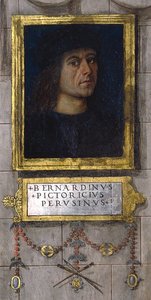
პინტურიკიო
1454 - 1513 , იტალია
მოკლე მიმოხილვა
- ამ ხელოვანის მიერ შთაგონებული ხელოვანები ან მიმდევრობები: ['რაფაელი']
- აღსანიშნავი ნამუშევრები:
- სიქსტინური კაპელის ფრესკები
- ბორჯიათა აპარტამენტების დეკორი
- წმინდა ავგუსტინე
- უ სათაურო (739)
- გარდაცვალების თარიღი: 1513
- დაბადების ადგილი: პერუჯა, იტალია
- დაბადების თარიღი: 1454
- ეროვნება: იტალიელი
- მხატვრული მიმდევრობა ან სტილი: რენესანსი
- სრული სახელი: ბერნარდინო დი ბეტო
- ხელოვანები, რომლებმაც გავლენა მოახდინეს ამ ხელოვანზე:
- პერუჯინო
- ბონფილი
- ფიორენცო დი ლორენცო