

 წინასწარი ნახვა
 გაგზავნა
 გაზიარება
 დეტალები

 ჩამოტვირთვა
 მსგავსები
 რენტგენოგრაფიული კვლევა
 სლაიდშოუ
Cain and Abel
 Oil On Canvas
- WallArt
- Baroque
 198.0 x 147.0 cm
 Гаλλeria Nazional d Art Antica
 გადასართად დაწვრილებით ნახეთ
ხელით ნაკვეთი ზეთის ტილოს რეპროდუქცია
ტილოზე შესრულებული ფერწერიანი ზეთប្រდათი, თქვენთვის სასურველი ზომისა და ჩარჩოსთვის, ჩვენი ხელოვანების მიერ შეკვეთის საფუძველზე დამზადებული. ( გადართვა ბეჭდვაზე გადართვა სურათზე)




P118B $10

P118H $10

P118W $10

P438Z $10

P508JH $12

P508YH $12

P805H $10

P805Z $10

P919BZ $10

P919G $10

P919XJ $10

P959ZH $10

P968JZ $12

W106C $8

W218G $10

W218JH $8

W218Y $10

W307PJ $10

W316G $10

W316PJ $8

W316Y $10

W398PJ $8

W4111J $10

W500HY $15

W500JH $15

W692G $12

W849H $8

W940BG $15

W953PJ $8




აირჩიეთ ჩვენს მიერ წინასწარ განსაზღვრული ზომებიდან, რომლებიც ნაწარმოების ორიგინალურ პროპორციებს შეესაბამება.

თქვენ შეგიძლიათ მიუთითოთ თქვენთვის სასურველი ზომები კონკრეტული ჩარჩოს ან სივრცის შესაბამისად. თუ თქვენ მიერ არჩეული ზომა არ შეესაბამება ორიგინალი გამოსახულების პროპორციებს, ჩვენ ან შევაჭრებთ ნაწარმოებს, ან ტილოზე დავამატებთ ხელით მოხატულ ელემენტებს. წარმოების დაწყებამდე, დამტკიცებისთვის გამოგეგზავნებათ ციფრული მაკეტი.
გთხოვთ, გაითვალისწინოთ, რომ ეკრანზე ნაჩვენები წინასწარი შეხედულება არ ასახავს რეალურ შეჭრას ან გაფართოებას. საბოლოო კომპოზიციას ზუსტად მხოლოდ მაკეტი წარმოაჩენს.
მიუხედავად იმისა, რომ შესაძლებელია ინდივიდუალური ზომების შერჩევა, ორიგინალური პროპორციების შენარჩუნებისათვის გირჩევთ, გამოიყენოთ წინასწარ განსაზღვრული სიის ზომები.
შეკვეთის შემდეგ, OriginalUniqueArt.com გუნდი დაგიკავშირდებათ ელექტრონული ფოსტით ინსტრუქციებისთვის და გამოგიგზავნით წინასწარ ნახაზს (mockup).
მიწოდება მსოფლიო მასშტაბით -ში 3/4 კვირაში, სტანდარტული 5 კვირის ნაცვლად. (11 აგვისტო). ხარისხზე კომპრომისის გაკეთება არ მოხდება.

უფასო ექსპრეს მიწოდება მთელ მსოფლიოში

საბამად მაღალი ხარისხის ტილო

სრული ტრანსპორტირების დაზღვევა

საბაჟო გადასახადების დაბრუნების გარანტია

ფერების სრული შესაბამისობის გარანტია

60-დღიანი დაბრუნების პოლიტიკა (მხოლოდ დეფექტის შემთხვევაში)

100% თანხის დაბრუნების გარანტია

ფასდაკლება დიდი რაოდენობით შეკვეთისას
 მინის ჩარჩოს არჩევანი ხელმისაწვდომია მხოლოდ 110 სმ-ზე ნაკლები ზომისთვის

Cain and Abel
რეკლამაციის ტექნიკა
რეკლამაციის ზომა
-


საბოლოო ფასი
$ 300
ნაწარმოების აღწერა
Cain Killing Abel by Pietro Novelli
This dramatic depiction of the biblical tale recounts the gruesome murder committed by Cain against his brother Abel, capturing the essence of guilt and divine retribution with masterful Baroque artistry. Executed in 1625-1647, this monumental canvas resides within the Scottish National Gallery’s collection, offering visitors a glimpse into Sicilian artistic fervor during its era. ### Artistic Style and Technique Pietro Novelli's style embodies the hallmarks of Caravaggisti influence—a penchant for tenebrism, characterized by stark contrasts between light and dark—creating an emotionally charged atmosphere that dominates the composition. The artist skillfully employs chiaroscuro to sculpt figures from shadow, emphasizing their physicality and conveying a palpable sense of drama. Notice how Novelli’s brushstrokes are loose and expressive, contributing to the painting's textural richness and capturing the immediacy of the violent act. The meticulous attention to detail—particularly in rendering Abel’s lifeless body—demonstrates Novelli’s technical prowess and unwavering commitment to realism. ### Historical Context and Influences Novelli’s work emerged during a period marked by religious fervor and artistic innovation across Europe, mirroring the broader Baroque movement's preoccupation with dramatic narratives and emotional intensity. The visit of Anthony van Dyck to Sicily in 1624 profoundly impacted local artists like Novelli, who absorbed Van Dyck’s refined style and compositional principles. Furthermore, Caravaggio’s groundbreaking use of tenebrism served as a crucial inspiration, shaping Novelli's approach to lighting and shading—a technique that elevates the painting beyond mere representation, imbuing it with spiritual significance. ### Symbolism and Narrative Depth The scene transcends its biblical origins, delving into profound themes of moral transgression and divine judgment. Cain’s posture exudes remorse and fear as he gazes upon Abel's corpse, symbolizing humanity’s vulnerability before God’s wrath. The angel figure reaching out towards Cain represents divine compassion and offers a glimmer of redemption amidst the darkness of sin. The overarching symbolism underscores the painting’s exploration of human fallibility and the consequences of disobedience—a timeless message conveyed with breathtaking visual eloquence. ### Emotional Impact and Legacy “Cain Killing Abel” continues to resonate powerfully with viewers today, eliciting contemplation on themes of guilt, suffering, and divine mercy. Novelli's masterful execution captures not only the gruesome act itself but also its psychological ramifications, prompting reflection on the human condition. Its enduring presence in the Scottish National Gallery ensures that this iconic Baroque masterpiece remains accessible to art enthusiasts and inspires ongoing scholarly discussion about its artistic merit and symbolic significance.მხატვრის ბიოგრაფია
Pietro Novelli: Life and Legacy
Early Life and Training
- Born: Monreale, Italy in 1603.
- Died: Palermo, Sicily in 1647.
- Pietro Novelli, also known as il Monrealese, began his artistic journey under the tutelage of his father, Pietro Antonio Novelli I, a painter and mosaicist.
- Following his father’s death from the bubonic plague in 1625, Novelli continued to develop his skills as an apprentice alongside Gerardo Asturino.
- In 1618, he moved to Palermo and further honed his craft under the guidance of Vito Carrera (1555–1623).
Artistic Development and Influences
- Early Works: Novelli’s earliest documented work dates back to 1626 – St. Anthony Abbot, commissioned for the church of Sant'Antonio Abate in Palermo.
- Key Influences: His style was profoundly shaped by several artistic forces.
- Anthony van Dyck: Van Dyck’s visit to Sicily in 1624 and his altarpiece, the Madonna of the Rosary, significantly impacted local artists, including Novelli.
- Caravaggisti/Tenebrists: The dramatic use of light and shadow (tenebrism) prevalent in Neapolitan painting, particularly that of Ribera, also influenced his work.
- Novelli’s style blended these influences to create a uniquely Sicilian Baroque aesthetic.
Major Works and Commissions
- Novelli received numerous commissions from both religious institutions and the Sicilian nobility.
- Religious Paintings: He created works for many churches in Piana degli Albanesi, including Santa Zita in Monreale.
- Refectory Painting: A notable commission was the Marriage of Cana, painted for the refectory of the Benedictines in Monreale.
- He also produced portraits and other decorative paintings for villas belonging to prominent Sicilian families.
Artistic Style and Characteristics
- Dynamic Compositions: Novelli’s paintings are characterized by their energetic compositions and dramatic flair.
- Chiaroscuro: He masterfully employed the technique of chiaroscuro – the strong contrast between light and dark – to create a sense of drama and realism.
- Baroque Sensibility: His work embodies the Baroque aesthetic, emphasizing emotion, movement, and grandeur.
Legacy and Historical Significance
- Pietro Novelli was a leading figure in Sicilian Baroque painting, earning him the nickname “the Raphael of Sicily.”
- Pupils: He trained several notable artists, including Francesco Maggiotto, Francesco Giselli, Michele Blasco, and Vincenzo Marchese.
- His work helped to establish a distinct Sicilian Baroque style that flourished in the 17th century.
- Though his life was cut short by injuries sustained during a revolution in Palermo in 1647, Novelli left behind a significant body of work that continues to be admired for its artistic merit and historical importance.
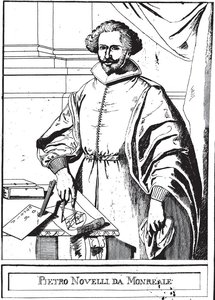
Pietro Novelli
1603 - 1647 , Italy
მოკლე ინფორმაცია
- Birth Date: 1603-03-02
- Birth Place: Monreale, Italy
- Death Date: 1647-08-27
- Influenced:
- Francesco Maggiotto
- Francesco Giselli
- Michele Blasco
- Vincenzo Marchese
- Giacomo lo Verde
- Influenced By:
- Vito Carrera
- Anthony van Dyck
- Caravaggisti (Ribera)
- Movement: Baroque
- Name: Pietro Novelli
- Nationality: Italian
- Notable Works:
- St. Anthony Abbot
- Marriage of Cana
- Ecstasy of St. Francis
- Portrait of a Young Man with an Earring
- Cain and Abel
დაკავშირებული სტატიები
Georges de La Tour: Luminosity, Spirituality & Realism in Baroque Painting
Discover the captivating world of Georges de La Tour, a Baroque master renowned for his dramatic chiaroscuro & spiritual realism. Explore key works, influences, and his remarkable rediscovery. Learn more at OriginalUniqueArt.
Illuminating Faith: Biblical Scenes & Their Enduring Legacy in Art History
Explore the profound history of biblical art! Discover Renaissance masterpieces by Giotto & more. Uncover symbolism, artistic techniques, and lasting influence. Expert insights at OriginalUniqueArt.
ბაროკოს სილამაზე: ისტორია, მახასიათებლები და ხელოვნებაზე გავლენა
აღმოფხვარე ბაროკოს ხელოვნების სამყარო! ისტორია, მახასიათებლები, ცნობილი მხატვრები და გავლენა. გააცანით თავი დეტალურ ანალიზს და უმაღლესი ხარისხის ინფორმაციას.
The Golden Age Reforged: Dramatic Realism & Religious Zeal in Spanish Baroque Art
Explore the dramatic world of Spanish Baroque art! Discover masters like Zurbarán & the powerful influence of religious zeal on painting techniques – a guide for collectors and enthusiasts.
Sacred Narratives on Canvas: Exploring Biblical Art Across Centuries
Explore the rich history of biblical art from Giotto to the Renaissance masters. Discover symbolism, techniques & enduring legacies with OriginalUniqueArt – your source for museum-quality reproductions and expert art insights.

