

 ნახვა ინტერьерში
 გაგზავნა
 გაზიარება
 დეტალები
 გზამკვლევი

 ჩამოტვირთვა
 მსგავსები
 რენტგენოგრაფიული კვლევა
 სლაიდშოუ
 სტატისტიკა
Paying the Hostess
 Oil On Canvas
- WallArt
- Baroque
 1670
1670 95.0 x 111.0 cm
 Metropolitan Museum of Art
 სრული ტექსტის ნახვა
ხელით შესრულებული ზეთის საღებავით რეპროდუქცია
ტილოზე შესრულებული ფერწერიანი ზეთប្រდათი, თქვენთვის სასურველი ზომისა და ჩარჩოსთვის, ჩვენი ხელოვანების მიერ შეკვეთის საფუძველზე დამზადებული. ( გადართვა ბეჭდვის რეჟიმზე გადასვლა ციფრულ გამოსახულებაზე)




P118B ₾10

P118H ₾10

P118W ₾10

P438Z ₾10

P508JH ₾12

P508YH ₾12

P805H ₾10

P805Z ₾10

P919BZ ₾10

P919G ₾10

P919XJ ₾10

P959ZH ₾10

P968JZ ₾12

W106C ₾8

W218G ₾10

W218JH ₾8

W218Y ₾10

W307PJ ₾10

W316G ₾10

W316PJ ₾8

W316Y ₾10

W398PJ ₾8

W4111J ₾10

W500HY ₾15

W500JH ₾15

W692G ₾12

W849H ₾8

W940BG ₾15

W953PJ ₾8




აირჩიეთ ჩვენს მიერ წინასწარ განსაზღვრული ზომებიდან, რომლებიც ნაწარმოების ორიგინალურ პროპორციებს შეესაბამება.

შეიყვანეთ თქვენთვის საჭირო სიგანე და სიმაღლე, რათა ნახატი მოერგოს თქვენს ჩარჩოს ან კედელს. ვინაიდან ეს ნამუშევარი ხელით არის შესრულებული, სხვა ფორმის ზომის შემთხვევაში, მხატვარმა შესაძლოა სურათის გარშემო ოდნავ მეტი დატოვოს ან შეამციროს — არჩევანი თქვენზეა. დაწყებამდე, დასამტკიცებლად, ჩვენ გამოგიგზავნით ციფრულ მაკეტს. ამ გვერდზე ნაჩვენები სურათი არ ასახავს რეალურ შედეგს — რეალური სახე მხოლოდ მაკეტზე ჩანს.
შეკვეთის შემდეგ, OriginalUniqueArt.com გუნდი დაგიკავშირდებათ ელექტრონული ფოსტით ინსტრუქციებისთვის და გამოგიგზავნით წინასწარ ნახაზს (mockup).
მიწოდება მსოფლიო მასშტაბით -ში 3/4 კვირაში, სტანდარტული 5 კვირის ნაცვლად. (23 ოქტომბერი). ხარისხზე კომპრომისის გაკეთება არ მოხდება.

უფასო ექსპრეს მიწოდება მთელ მსოფლიოში

მაღალი ხარისხის ტილო

ტრანსპორტირების სრული დაზღვევა

საბაჟო გადასახადების დაბრუნების გარანტია

ფერების სრული შესაბამისობის გარანტია

დაბრუნების 100-დღიანი პერიოდი (მხოლოდ წარმოების დეფექტის შემთხვევაში)

100% თანხის სრული დაბრუნების გარანტია

ფასდაკლება დიდი რაოდენობით შეკვეთისას
 მინის ჩარჩოს არჩევანი ხელმისაწვდომია მხოლოდ 110 სმ-მდე ზომისთვის

Paying the Hostess
რეპროდუქციის ტექნიკა
რეპროდუქციის ზომა
-


ჯამური ღირებულება
₾ 915
A Quiet Moment in Delft: Pieter de Hooch’s “Paying the Hostess”
Pieter de Hooch's "Paying the Hostess," painted around 1670, isn’t merely a depiction of a transaction; it’s a masterful distillation of Dutch Golden Age life—a fleeting glimpse into the subtle social dynamics and quiet elegance of a Delft inn. The painting immediately draws the eye with its luminous quality, achieved through de Hooch's signature use of light and shadow, creating an atmosphere both intimate and subtly charged. It’s a scene brimming with unspoken narratives, inviting viewers to become silent observers of this private moment within a bustling world. De Hooch was a pivotal figure in the Delft School of painting, known for his ability to capture the essence of domestic life—not grand portraits or heroic scenes, but rather the everyday rituals and interactions that shaped the lives of the burgeoning middle class. His work stands apart through its remarkable realism, capturing not just appearances but also the nuances of human behavior and the play of light on surfaces.The Composition: A Dance of Observation
The composition itself is a testament to de Hooch’s skill. The scene unfolds within what appears to be a modest inn yard—a space simultaneously public and private. A smartly dressed gentleman, likely a wealthy merchant or official, stands poised before a young woman, presumably the hostess, as she presents him with a bill. Their hands are subtly overlapping, creating an immediate visual tension – a delicate dance of negotiation and perhaps even flirtation. The background is deliberately blurred, populated by other patrons engaged in their own conversations and activities—a lively tableau that hints at the inn’s vibrant atmosphere without distracting from the central drama. Notice how de Hooch uses architectural details—the rough-hewn beams of the barn, the simple wooden furniture, the straw bales – to ground the scene in a tangible reality. The placement of figures within the space is carefully considered, creating depth and guiding the viewer’s eye through the composition.Technique and Style: Light, Shadow, and Texture
De Hooch's technique is characterized by its meticulous attention to detail and his masterful manipulation of light. He employed a technique known as *chiaroscuro*, using strong contrasts between light and shadow to create a sense of volume and drama. The light streams in from the open doorway on the left, illuminating the figures and casting long shadows across the yard, adding depth and atmosphere. The artist’s brushwork is remarkably subtle—a delicate layering of paint that creates a rich texture without sacrificing clarity. You can almost feel the roughness of the wooden surfaces, the warmth of the straw bales, and the softness of the fabrics. This textured approach adds to the painting's realism and invites close inspection. The use of muted colors – browns, grays, and ochres – further enhances the sense of atmosphere and contributes to the painting’s overall mood.Symbolism and Context: A Glimpse into Dutch Society
“Paying the Hostess” offers a fascinating window into 17th-century Dutch society. The scene is not simply about settling an account; it's laden with symbolic meaning. The overlapping hands of the couple suggest a complex interplay of power, attraction, and social expectations. In Dutch art of this period, such interactions often carried connotations of flirtation and even illicit desire – a subtle commentary on the constraints and freedoms of the time. The presence of other guests in the background underscores the importance of social interaction within the community. The inclusion of the delivery boy with sheaves of wheat hints at the economic realities of rural life—the exchange of goods and services that underpinned the prosperity of the region. The painting reflects a shift towards a more secular, bourgeois culture, where commerce and social interactions were increasingly valued alongside religious piety.Emotional Resonance: A Moment Frozen in Time
Ultimately, “Paying the Hostess” is a profoundly evocative work of art. It’s not a grand statement or a dramatic event; it's a quiet moment—a snapshot of everyday life that captures something essential about the human condition. The painting invites us to contemplate the complexities of social interaction, the subtle nuances of human relationships, and the beauty found in the ordinary. It possesses a timeless quality, resonating with viewers across centuries because it speaks to universal themes of connection, negotiation, and the quiet dramas that unfold within our daily lives. It’s a piece that rewards careful observation and invites repeated viewing, revealing new layers of meaning with each encounter.კითხვები და პასუხები
როგორი განლაგება შეესაბამება პიტერ დე ჰოხი-ის „Paying the Hostess“-ის ფორმატს?
Landscape ფორმისთვის, „Paying the Hostess“-ის რეპროდუქცია, რეკომენდებულია Living Room-ისთვის.
როგორ უკავშირდება ერთმანეთს „Paying the Hostess“-ის ფერები?
პიტერ დე ჰოხი-ის „Paying the Hostess“ წარმოადგენს Unified Palette ფერთელას ჰარმონიას.
რა ორიენტაცია აქვს პიტერ დე ჰოხი-ის „Paying the Hostess“-ს?
პიტერ დე ჰოხი-ის „Paying the Hostess“-ს აქვს Landscape ფორმატი. ფორმატი აღწერს კომპოზიციის პროპორციებს.
მხატვრის ბიოგრაფია
ადრეული ცხოვრება და სწავლება
პიტერ დე ჰოხი, დედლანდიის ოქროს ხანის ერთ-ერთი გამორჩეული ფიგურა, 1629 წლის 20 დეკემბერს ნიდერლანდებში, როტერდამში დაიბადა. იგი ხუთშვილიანი ოჯახის უფროსი შვილი იყო; მისი მამა, ჰენდრიკ ჰენდრიქსზ დე ჰოხი, ქვისმტელად მუშაობდა, დედა კი, アンნეტგე პიერსი, акуშერ იყო. მისი ადრეული წლები შესახებ ბევრი რამ არ არის ცნობილი, თუმცა ვარაუდობენ, რომ იგი როტერდამში, დელფტსა და ამსტერდამში მოღვაწეობდა. დე ჰოხის მხატვრული განათლება ჰარლემში, პეიზაჟის მხატვრ ნიკოლას ბერხემის ხელმძღვანელობით, იაკობ ოხტერველტის გვერდით, ჩამოყალიბდა. სწორედ ამ პერიოდმა საფუძველი ჩაუყარა მის შემდგომ წარმატებას, როგორც მხატვრისა, რომელიც შემოჰყავდა თვალს მშვიდი საოჯახო სცენები და ღია კარბარათები.მხატვრული სტილი და თემები
დე ჰოხის შემოქმედება ხასიათდება დეტალებზე ორიენტირებულობით, ნატურალიზმითა და სინათლის ოსტატური გამოყენებით. მისი ტილოები ხშირად ასახავდა ყოველდღიურობას, რაც იმ დროის მოდგდომული საშუალო ფენის ღირებულებებსა და მისწრაფებებს ასምსახურებდა. ამ სტილის თვალსაჩენილი მაგალითია "სახლის ეზო დელფტში" (1658), რომელიც წარმოაჩენს მის უნარს, დააფიქსიროს ყოველდღიური ცხოვრების უმნიშვნელოვანესი დეტალები. დე ჰოხის ნამუშევრებს თემური და კომპოზიციური მსგავსება აქვს ემანუელ დე ვიტესთან, თუმცა ადამიანებზე და მათ ურთიერთობებზე ფოკუსირება მას გამორჩეულს ხდის. ეს ნათლად ჩანს "სასწავლებელი ქალი" (1658) და "ქალი ბავშვით მუხლებზე" (1658) ტილოებში, რაც მის ინტერესს საოჯახო სცენებისადმი ადასტურებს.გამორჩეული ნამუშევრები და მემკვიდრეობა
დე ჰოხის ყველაზე აღიარებული შემოქმედება მოიცავს შემდეგ ნამუშევრებს:- "მხიარული მთვრალი" (დაახლ. 1650)
- "კარტი მოთამაშეები მზის სხივებით განათებულ ოთახში" (1658)
- "ქალი, რომელიც ბიჭისთვის პურსა და კარაქს ამზადებს" (1661)
მუზეუმები და კოლექციები
დე ჰოხის ნამუშევრები წარმოდგენილია სხვადასხვა მუზეუმში, მათ შორის ბელგიის ანტვერპენში მდებარე სასწაულთმეტყველთა ხელოვნების სამეფო მუზეუმში (Koninklijk Museum voor Schone Kunsten), რომელიც ფლობს ევროპული ხელოვნების უზარმაზარ კოლექციას მე-15-დან მე-20 საუკუნემდე. აღმოაჩინეთ მეტი პიტერ დე ჰოხისა და მისი ნამუშევრების შესახებ OriginalUniqueArt-ზე: [https://AllPaintingsსOriginalUniqueArt.com/@/pieter-de-hooch](https://OriginalUniqueArt.com/@/pieter-de-hooch) /ka/art/show/art-d3b4kt-ka/ (აღმოაჩინეთ ბელგიის სასწაულთმეტყველთა ხელოვნების სამეფო მუზეუმის შედევრები)
პიტერ დე ჰოხი
1629 - 1694 , ნიდერლანდები
მოკლე ფაქტები
- Artistic Movement Or Style: დელფტის სკოლა, ჰოლანდიური ოქროს ხანა
- Artists Or Movements Influenced By This Artist: ['იან ვერმერი']
- Artists Who Influenced This Artist: ['ნიკოლას ბერხემი']
- Date Of Birth: 20 დეკემბერი, 1629
- Full Name: პიტერ ჰენდრიკს დე ჰოჰი
- Nationality: ჰოლანდიელი
- Notable Artworks:
- ცარიელი ჭიქა
- ქალი, რომელიც წერილს კითხულობს
- თამაშის მოთამაშეები მზის სხივებით განათებულ ოთახში
- ქალი, რომელიც პურსა და კარაქს ამზადებს
- Place Of Birth: როტერდამი, ნიდერლანდები
მსგავსი სტატიები

Golden Age Reflections: Dutch Baroque Painting & Cultural Innovation
Explore the Dutch Golden Age of painting! Discover key artists like Vermeer & ter Borch, their innovative techniques, and the rich cultural context behind these Baroque masterpieces. Learn about collecting & appreciating this iconic art period.

ფრანცისკო გოიას 25 შედევრი: ხელოვნების ისტორიაში გამორჩეული ნაწარმოებები | OriginalUniqueArt.com
გაიცანით ფრანცისკო გოიას 25 გამორჩეული შედევრი! რომანტიზმის ბრწყინვალე წარმომადგენლის ტილოები, ისტორიული სიღრმე და განსაცვიფრებელი სილამაზე. შეიძინეთ ხელოვნების რეკონსტრუქციები OriginalUniqueArt.com-ზე და შექმენით თქვენი ოცნების ინტერიერი.
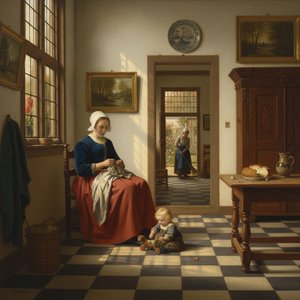
Pieter de Hooch: Illuminating Dutch Domestic Life & Golden Age Charm
Explore the captivating world of Pieter de Hooch, a master of Dutch Golden Age painting. Discover his innovative use of light, intimate domestic scenes, and lasting influence on art history. Learn more at OriginalUniqueArt.

Willem van de Velde the Elder: Master of Maritime Painting & Chronicler of the Dutch Golden Age
Discover the captivating maritime paintings of Willem van de Velde the Elder, a master chronicler of the Dutch Golden Age. Explore his unparalleled realism and lasting influence on naval art history.

ჰოლანდიის ოქროს ხანა: 10 შედევრი, რომელმაც განსაზღვრა ხელოვნება
აღმოფრთოვანდით ჰოლანდიის ოქროს ხანას! 10 შედევრი რემბრანტის, ვერმეერის და სხვა დიდებულებისგან. ითვლით ხელოვნების ისტორიას, აღმოაჩინეთ მათი ტექნიკები და შეიძინეთ музейური ხარისხის რეპროდუქციები OriginalUniqueArt.com-ზე!
