ნახვა ინტერьерში
 გაგზავნა
 გაზიარება
 დეტალები
 გზამკვლევი

 ჩამოტვირთვა
 მსგავსები
 რენტგენოგრაფიული კვლევა
 სლაიდშოუ
 სტატისტიკა
Lust
 Engraving
- WallArt
- Northern Renaissance Engraving
 1558
1558- Renaissance
 22.0 x 29.0 cm
 სრული ტექსტის ნახვა
ხელით შესრულებული ზეთის საღებავით რეპროდუქცია
ტილოზე შესრულებული ფერწერიანი ზეთប្រდათი, თქვენთვის სასურველი ზომისა და ჩარჩოსთვის, ჩვენი ხელოვანების მიერ შეკვეთის საფუძველზე დამზადებული. ( გადართვა ბეჭდვის რეჟიმზე გადასვლა ციფრულ გამოსახულებაზე)




P118B $10

P118H $10

P118W $10

P438Z $10

P508JH $12

P508YH $12

P805H $10

P805Z $10

P919BZ $10

P919G $10

P919XJ $10

P959ZH $10

P968JZ $12

W106C $8

W218G $10

W218JH $8

W218Y $10

W307PJ $10

W316G $10

W316PJ $8

W316Y $10

W398PJ $8

W4111J $10

W500HY $15

W500JH $15

W692G $12

W849H $8

W940BG $15

W953PJ $8




აირჩიეთ ჩვენს მიერ წინასწარ განსაზღვრული ზომებიდან, რომლებიც ნაწარმოების ორიგინალურ პროპორციებს შეესაბამება.

თქვენ შეგიძლიათ მიუთითოთ თქვენთვის სასურველი ზომები კონკრეტული ჩარჩოს ან სივრცის შესაბამისად. თუ თქვენ მიერ არჩეული ზომა არ შეესაბამება ორიგინალი გამოსახულების პროპორციებს, ჩვენ ან შევაჭრებთ ნაწარმოებს, ან ტილოზე დავამატებთ ხელით მოხატულ ელემენტებს. წარმოების დაწყებამდე, დასამტკიცებლად გამოგეგზავნებათ ციფრული მაკეტი.
გთხოვთ, გაითვალისწინოთ, რომ ეკრანზე ნაჩვენები წინასწარი შეხედულება არ ასახავს რეალურ შეჭრას ან გაფართოებას. საბოლოო კომპოზიციას ზუსტად მხოლოდ მაკეტი წარმოაჩენს.
მიუხედავად იმისა, რომ შესაძლებელია ინდივიდუალური ზომების შერჩევა, ორიგინალური პროპორციების შენარჩუნებისათვის გირჩევთ, გამოიყენოთ წინასწარ განსაზღვრული სიის ზომები.
შეკვეთის შემდეგ, OriginalUniqueArt.com გუნდი დაგიკავშირდებათ ელექტრონული ფოსტით ინსტრუქციებისთვის და გამოგიგზავნით წინასწარ ნახაზს (mockup).
მიწოდება მსოფლიო მასშტაბით -ში 3/4 კვირაში, სტანდარტული 5 კვირის ნაცვლად. (27 სექტემბერი). ხარისხზე კომპრომისის გაკეთება არ მოხდება.

უფასო ექსპრეს მიწოდება მთელ მსოფლიოში

მაღალი ხარისხის ტილო

ტრანსპორტირების სრული დაზღვევა

საბაჟო გადასახადების დაბრუნების გარანტია

ფერების სრული შესაბამისობის გარანტია

დაბრუნების 100-დღიანი პერიოდი (მხოლოდ წარმოების დეფექტის შემთხვევაში)

100% თანხის სრული დაბრუნების გარანტია

ფასდაკლება დიდი რაოდენობით შეკვეთისას
 მინის ჩარჩოს არჩევანი ხელმისაწვდომია მხოლოდ 110 სმ-მდე ზომისთვის

Lust
რეპროდუქციის ტექნიკა
რეპროდუქციის ზომა
-


ჯამური ღირებულება
$ 775
A Descent into Human Folly: The Chaotic World of Bruegel’s Lust
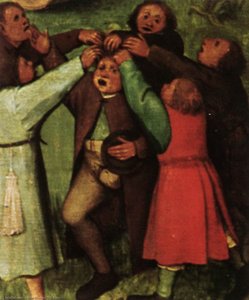
In the vast, intricate landscape of the Northern Renaissance, few works capture the turbulent intersection of morality and human impulse as viscerally as Pieter Bruegel the Elder’s "Lust." Created around 1558, this masterful engraving—executed by Pieter van der Heyden after Bruegel's original design—serves as a haunting window into the depths of sinful excess. It is not merely a depiction of vice, but a profound meditation on the consequences of unchecked desire. As one gazes upon the densely populated panorama, the viewer is thrust into a microcosm of human behavior where every corner of the frame vibrates with a sense of chaotic energy and moral weight.
The composition unfolds like a fever dream, structured around a prominent, tent-like pavilion that dominates the middle ground. This central structure acts as a potent emblem of temptation, an alluring stage for the revelry and debauchery that surround it. Bruegel employs a complex layering of figures to create an overwhelming sense of depth; while the foreground presents individual characters gripped by shame or physical agony, the background recedes into a sprawling landscape of buildings, trees, and even birds, suggesting that the sin depicted is not an isolated event but a pervasive condition of the human experience. The artist’s use of perspective, though not strictly linear, relies on the masterful overlapping of forms to guide the eye through this labyrinth of indulgence.
The Mastery of Line and Monochromatic Shadow
Technically, "Lust" is a triumph of the engraving medium. The artwork utilizes the precision of fine lines to achieve a level of detail that painting alone could rarely capture in such a crowded scene. Through the meticulous application of hatching and cross-hatching, the engraver achieves remarkable tonal variations, breathing life into textures ranging from the rough, weathered surfaces of stone walls to the delicate, flowing folds of drapery. This monochromatic palette, composed entirely of blacks, grays, and whites, creates a dramatic interplay of light and shadow. These stark contrasts do more than just define shape; they cast much of the scene in a mysterious gloom, highlighting specific moments of carnal pursuit while obscuring others in a shroud of uncertainty.
For the discerning collector or interior designer, this piece offers a sophisticated aesthetic that transcends mere decoration. The rhythmic repetition of lines and the intricate geometric shapes of the architecture provide a structural elegance that complements both classical and contemporary settings. There is a tactile quality to the work, where the very texture of the paper seems to pulse with the energy of the etched grooves. It is an artwork that demands close inspection, rewarding the viewer with new symbolic discoveries upon every encounter.
A Timeless Mirror of the Human Condition
Beyond its technical brilliance, "Lust" resonates through its profound emotional and symbolic depth. The piece operates on a level of social commentary that remains strikingly relevant. By juxtaposing scenes of sensual encounters and drunken revelry with figures expressing profound despair, Bruegel creates a powerful narrative arc: the inevitable descent from the heights of pleasure to the depths of spiritual ruin. The presence of a church-like structure in the distance serves as a silent, judging witness, heightening the tension between earthly temptation and divine order.
To possess a high-quality reproduction of this work is to invite a piece of history into one's space—a piece that challenges the viewer to reflect on the complexities of desire and the fragility of restraint. It is an evocative, intellectually stimulating masterpiece that serves as both a historical document of 16th-century Flemish life and a timeless exploration of the eternal struggle within the human soul. Whether placed in a curated gallery or as a focal point in a thoughtfully designed study, Bruegel’s "Lust" continues to provoke, inspire, and captivate.
მხატვრის ბიოგრაფია
Pieter Bruegel the Elder – A Titan of Northern Renaissance Painting
Pieter Bruegel the Elder, born around 1525 in Breda (modern Netherlands), remains one of the most celebrated figures in Flemish art history—a painter whose distinctive style and profound engagement with human experience continue to fascinate audiences centuries later. While definitive biographical details remain elusive, scholarly consensus points to a formative upbringing amidst the burgeoning mercantile culture of Brabant, then part of Habsburg Spain, shaping his artistic sensibilities from an early age. His apprenticeship under Pieter Coecke van Aelst—a renowned Antwerp artist and designer—provided him with invaluable technical training in oil painting and drawing, exposing him to humanist ideas circulating throughout Europe during this period. This influential mentor instilled in Bruegel a fascination for Italian Renaissance art, though crucially, he resisted adopting its stylistic conventions wholesale, forging instead a uniquely Northern European path.Early Artistic Development and Influences
Bruegel’s artistic journey commenced around 1545, coinciding with his enrollment as an apprentice at Coecke van Aelst's workshop—a hub of artistic innovation where traditional techniques intersected with emerging humanist currents. The workshop’s emphasis on meticulous observation and detailed rendering profoundly impacted Bruegel’s visual vocabulary, foreshadowing the hallmark characteristics of his later oeuvre. Notably, Bruegel encountered the works of Hieronymus Bosch—another Antwerp artist whose unsettling visions of Hell and grotesque imagery exerted a considerable influence on Bruegel's artistic imagination. This encounter solidified Bruegel’s commitment to exploring themes of morality and spirituality alongside depictions of everyday life—a distinction that would define his distinctive artistic vision.Travels and Artistic Transformation
Between 1551 and 1553, Bruegel undertook extensive travels through France, Switzerland, and Italy—ventures that served as catalysts for transformative artistic growth. These expeditions afforded him unparalleled access to Italian Renaissance masterpieces, prompting him to absorb their compositional strategies and stylistic refinements without succumbing to imitation. The Alps—with their dramatic peaks and valleys—became a recurring motif in Bruegel’s landscapes, reflecting his fascination with the sublime beauty of nature and informing the atmospheric perspective characteristic of his paintings. Upon returning to Antwerp in 1553, Bruegel secured membership into the Guild of Saint Luke—a pivotal step signifying his professional recognition and establishing him as a respected artist within the city's vibrant artistic milieu.The Quintessence of Northern Renaissance Vision
Bruegel’s artistic genius resided in his ability to transcend conventional representations of religious iconography or classical mythology, opting instead for scenes from rural life—peasants laboring in fields, villagers celebrating festivals, hunters traversing snowy landscapes. This bold departure from established artistic norms underscored Bruegel's humanist conviction that beauty and truth could be found not only in grand narratives but also in the commonplace realities of human existence. His landscapes weren’t merely decorative backgrounds; they functioned as active participants in the narrative—infused with symbolic meaning and reflecting a profound understanding of nature’s power and vulnerability. Works like *The Tower of Babel* exemplify Bruegel's masterful command of composition and detail, conveying complex theological ideas through visually arresting imagery.Legacy and Enduring Influence
Pieter Bruegel the Elder’s legacy extends far beyond his own lifetime—his influence reverberating across subsequent generations of artists who embraced his distinctive style and thematic concerns. He established a precedent for depicting rural life with unflinching realism—a stylistic innovation that profoundly shaped the trajectory of Dutch Golden Age painting, inspiring artists like Isaac van Ostade and Adriaen Brouwer to explore similar subjects with comparable artistic rigor. Moreover, Bruegel’s pioneering use of chiaroscuro—the dramatic interplay of light and shadow—became a cornerstone of Northern Renaissance aesthetics—influencing painters who sought to capture the emotional depth and psychological complexity inherent in human experience. His enduring impact is palpable even today—his paintings adorning museums worldwide and continuing to provoke contemplation on themes of mortality, faith, and the human condition—solidifying his position as one of the most transformative figures in art history.
პიเตอร์ ბრეგელი დიდი ძველი
1525 - 1569 , სამხარეო ბელგია
მოკლე ფაქტები
- Artistic Movement Or Style: Ренессансская живопись
- Artists Or Movements Influenced By This Artist: ['Голландская золотая эра']
- Artists Who Influenced This Artist: ['Хиеронимиус Бош']
- Date Of Birth: c. 1525
- Date Of Death: 1569
- Full Name: Pieter Bruegel the Elder
- Nationality: Фламандский
- Notable Artworks:
- Ландшафт с Эгиптом
- Триумф смерти
- Свадьба крестьян
- Охота в снег
- Place Of Birth: Бреда, Нидерланды
მსგავსი სტატიები

Engraving's Golden Age: 10 Masterpieces That Redefined Art | OriginalUniqueArt
Journey through art history with our Top 10 Legendary Engravings! Explore masterpieces by Dürer, Rembrandt & Goya. Discover the stories behind these iconic prints and find museum-quality reproductions for your home at OriginalUniqueArt.com.

Monochrome Visions: Exploring the Aesthetic & Historical Significance of Black & White Photography
Explore the rich history & artistic power of black and white photography. From early techniques to iconic masters like Ansel Adams, discover why monochrome continues to captivate art lovers today. Expert insights for collectors.

White on Canvas: 10 Masterpieces & Timeless Elegance for Your Home Decor
Explore 10 iconic white paintings by Monet, Whistler & Rothko! Discover the stories behind these serene masterpieces and their impact on art history. Find museum-quality reproductions for your home decor at .

Dark Masterpieces: 10 Iconic Paintings Dominated by Black Tones |
Explore 10 iconic paintings dominated by black tones, from Rembrandt’s chiaroscuro to Goya's dark expressions. Discover the stories behind these masterpieces & find museum-quality art reproductions for your home at .

Engraving: A Historical Survey of Technique, Artistic Expression & Enduring Legacy
Explore the rich history of engraving with OriginalUniqueArt. Discover techniques, iconic artists like Dürer & Callot, collecting tips, and expert guidance for preserving your art investment. Learn about intaglio printing & more!