ნახვა ინტერьерში
 გაგზავნა
 გაზიარება
 დეტალები
 გზამკვლევი

 ჩამოტვირთვა
 მსგავსები
 რენტგენოგრაფიული კვლევა
 სლაიდშოუ
 სტატისტიკა
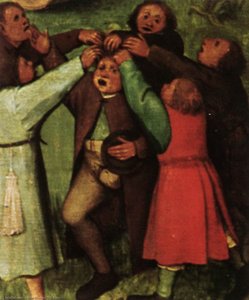
Desidia (Sloth), 1557


 სრული ტექსტის ნახვა
გიკლე / ხელოვნების პრინტი
მუზეუმის დონის ჟიკლე ან ტილოზე ბეჭდვა სწრაფი წარმოებისა და დასრულების მოქნილი ვარიანტებით. ( შეიძინეთ ხელით შესრულებული ნახატი გადასვლა ციფრულ გამოსახულებაზე)




P118B ₾10

P118H ₾10

P118W ₾10

P438Z ₾10

P508JH ₾12

P508YH ₾12

P805H ₾10

P805Z ₾10

P919BZ ₾10

P919G ₾10

P919XJ ₾10

P959ZH ₾10

P968JZ ₾12

W106C ₾8

W218G ₾10

W218JH ₾8

W218Y ₾10

W307PJ ₾10

W316G ₾10

W316PJ ₾8

W316Y ₾10

W398PJ ₾8

W4111J ₾10

W500HY ₾15

W500JH ₾15

W692G ₾12

W849H ₾8

W940BG ₾15

W953PJ ₾8




აირჩიეთ ჩვენს მიერ წინასწარ განსაზღვრული ზომებიდან, რომლებიც ნაწარმოების ორიგინალურ პროპორციებს შეესაბამება.

შეიყვანეთ თქვენთვის საჭირო სიგანე და სიმაღლე, რათა იგი მოერგოს თქვენს ჩარჩოს ან კედელს. ბეჭდვისას შესაძლებელია მხოლოდ მისი შემცირება და არა გაზრდა, ამიტომ სხვა ფორმის ზომის შემთხვევაში გამოსახულება ნაწილობრივ იკარგება. სანამ რაიმეს დაბეჭდავთ, ჩვენ გამოგიგზავნით ციფრულ მაკეტს დასდასტურებლად. ამ გვერდზე ნაჩვენები სურათი არ ასახავს რეალურ ჭრას — ამას მხოლოდ მაკეტი გვიჩვენებს.
მიწოდება მთელ მსოფლიოში () 2 კვირაში, სტანდარტული 4/5 კვირის ნაცვლად. (24 ოქტომბერი)

უფასო ექსპრეს მიწოდება მთელ მსოფლიოში

მაღალი ხარისხის ტილო

ტრანსპორტირების სრული დაზღვევა

საბაჟო გადასახადების დაბრუნების გარანტია

ფერების სრული შესაბამისობის გარანტია

დაბრუნების 100-დღიანი პერიოდი (მხოლოდ წარმოების დეფექტის შემთხვევაში)

100% თანხის სრული დაბრუნების გარანტია

ფასდაკლება დიდი რაოდენობით შეკვეთისას
 მინის ჩარჩოს არჩევანი ხელმისაწვდომია მხოლოდ 110 სმ-მდე ზომისთვის

Desidia (Sloth), 1557
გიკლე / ხელოვნების პრინტი
რეპროდუქციის ზომა
-


ჯამური ღირებულება
₾ 209
A Tapestry of Inertia: The World Within Bruegel’s Desidia
In the vast, swirling landscape of Pieter Bruegel the Elder’s 1557 masterpiece, Desidia (Sloth), the viewer is not merely presented with a painting, but rather invited into a profound psychological state. At first glance, the composition appears to be a bustling tableau of Northern Renaissance life, yet beneath the surface of this lively scene lies a biting critique of human stagnation. Bruegel, a master of capturing the intricate dance between the mundane and the moral, utilizes a sprawling landscape to house a multitude of figures—men, women, animals, and even aquatic life—all caught in various states of aimless existence. It is a world where movement exists without purpose, and activity serves only to mask a deeper, more unsettling stillness.
The technique employed by Bruegel is nothing short of miraculous, showcasing a meticulous attention to detail that draws the eye through an endless labyrinth of narrative threads. Every brushstroke contributes to a sense of overwhelming abundance; one might find themselves mesmerized by the texture of a distant boat laden with goods or the subtle, weary expression on a figure lost in thought. This level of precision creates a sensory experience that is both immersive and exhausting, mirroring the very concept of sloth—a heavy, inescapable weight that settles over the landscape. For the collector or designer, this complexity offers an unparalleled depth, as the artwork reveals new secrets upon every subsequent viewing.
Symbolism and the Weight of the Human Condition
To gaze upon Desidia is to engage with the intellectual ferment of the mid-16th century. Created during a period where the High Renaissance was transitioning into the more stylized Mannerism, Bruegel’s work stands as a humanist observation of vice and virtue. The painting serves as a moralizing mirror, reflecting the anxieties of a society grappling with newfound wealth and the temptations of material luxury. The central personification of Sloth—often depicted through dozing figures or sluggish animals like the iconic donkey—acts as a focal point for a broader commentary on the loss of spiritual and civic purpose. Bruegel masterfully weaves visual proverbs into the scenery, where even a man stuck in a house or a group of gamblers at a tavern becomes a symbol of the soul's inertia.
There is an undeniable emotional resonance in how Bruegel balances the grotesque with the beautiful. He does not shy away from portraying the unpolished or the unsightly, yet he imbues the entire composition with a rhythmic, almost musical quality. This duality makes the piece particularly compelling for modern interiors; it possesses the gravitas of a historical document while maintaining a vibrant, living energy. It is an artwork that demands contemplation, challenging the viewer to reflect on their own relationship with ambition, productivity, and the quiet, often dangerous, allure of doing nothing at all.
An Eternal Masterpiece for the Discerning Eye
For those seeking to curate a space with profound narrative power, a high-quality reproduction of Desidia offers more than just decoration; it provides a window into the Renaissance mind. The painting’s ability to anchor a room with its historical weight and intricate storytelling makes it an ideal centerpiece for libraries, studies, or sophisticated living areas. It is a piece that speaks to the intellect and stirs the imagination, bridging the gap between the 16th-century Flemish landscape and the contemporary aesthetic of thoughtful, curated living.
Owning a tribute to Bruegel’s genius allows one to preserve the legacy of Northern European expression. Whether viewed as a study in Renaissance technique or as a profound philosophical statement on the nature of human behavior, Desidia remains an enduring icon of art history—a timeless reminder that even in our most idle moments, there is a complex and beautiful story unfolding.
კითხვები და პასუხები
რომელი სივრცე შეესაბამება პიเตอร์ ბრეგელი დიდი ძველი-ის „Desidia (Sloth), 1557“-ის ფერებს?
Neutrals პალიტრის წყალობით, პიเตอร์ ბრეგელი დიდი ძველი-ის „Desidia (Sloth), 1557“ რეკომენდებულია Living Room-ისთვის. სწორედ ფერები განაპირობებს ამ რეკომენდაციას.
პიเตอร์ ბრეგელი დიდი ძველი-ის „Desidia (Sloth), 1557“ ღია ფერების ნამუშევარია თუ მუქი?
პიเตอร์ ბრეგელი დიდი ძველი-ის „Desidia (Sloth), 1557“-ის სიკაშკაშე დაფიქსირებულია როგორც brilliant, ხოლო მისი განათების დონე შეადგენს Bright Balance-ს.
რა არის „Desidia (Sloth), 1557“-ის რეპროდუცირების უფლებები ალბერტინა მუზეუმი-ში?
პიเตอร์ ბრეგელი დიდი ძველი-ის „Desidia (Sloth), 1557“-ის საავტორო უფლებების სტატუსი ნათელია: ნამუშევარი არის საჯარო საკუთრებაშია - მისი საავტორო უფლებები ამოწდა. მისი ყოფნა ალბერტინა მუზეუმი-ში ამ სტატუსს არ ცვლის.
მხატვრის ბიოგრაფია
Pieter Bruegel the Elder – A Titan of Northern Renaissance Painting
Pieter Bruegel the Elder, born around 1525 in Breda (modern Netherlands), remains one of the most celebrated figures in Flemish art history—a painter whose distinctive style and profound engagement with human experience continue to fascinate audiences centuries later. While definitive biographical details remain elusive, scholarly consensus points to a formative upbringing amidst the burgeoning mercantile culture of Brabant, then part of Habsburg Spain, shaping his artistic sensibilities from an early age. His apprenticeship under Pieter Coecke van Aelst—a renowned Antwerp artist and designer—provided him with invaluable technical training in oil painting and drawing, exposing him to humanist ideas circulating throughout Europe during this period. This influential mentor instilled in Bruegel a fascination for Italian Renaissance art, though crucially, he resisted adopting its stylistic conventions wholesale, forging instead a uniquely Northern European path.Early Artistic Development and Influences
Bruegel’s artistic journey commenced around 1545, coinciding with his enrollment as an apprentice at Coecke van Aelst's workshop—a hub of artistic innovation where traditional techniques intersected with emerging humanist currents. The workshop’s emphasis on meticulous observation and detailed rendering profoundly impacted Bruegel’s visual vocabulary, foreshadowing the hallmark characteristics of his later oeuvre. Notably, Bruegel encountered the works of Hieronymus Bosch—another Antwerp artist whose unsettling visions of Hell and grotesque imagery exerted a considerable influence on Bruegel's artistic imagination. This encounter solidified Bruegel’s commitment to exploring themes of morality and spirituality alongside depictions of everyday life—a distinction that would define his distinctive artistic vision.Travels and Artistic Transformation
Between 1551 and 1553, Bruegel undertook extensive travels through France, Switzerland, and Italy—ventures that served as catalysts for transformative artistic growth. These expeditions afforded him unparalleled access to Italian Renaissance masterpieces, prompting him to absorb their compositional strategies and stylistic refinements without succumbing to imitation. The Alps—with their dramatic peaks and valleys—became a recurring motif in Bruegel’s landscapes, reflecting his fascination with the sublime beauty of nature and informing the atmospheric perspective characteristic of his paintings. Upon returning to Antwerp in 1553, Bruegel secured membership into the Guild of Saint Luke—a pivotal step signifying his professional recognition and establishing him as a respected artist within the city's vibrant artistic milieu.The Quintessence of Northern Renaissance Vision
Bruegel’s artistic genius resided in his ability to transcend conventional representations of religious iconography or classical mythology, opting instead for scenes from rural life—peasants laboring in fields, villagers celebrating festivals, hunters traversing snowy landscapes. This bold departure from established artistic norms underscored Bruegel's humanist conviction that beauty and truth could be found not only in grand narratives but also in the commonplace realities of human existence. His landscapes weren’t merely decorative backgrounds; they functioned as active participants in the narrative—infused with symbolic meaning and reflecting a profound understanding of nature’s power and vulnerability. Works like *The Tower of Babel* exemplify Bruegel's masterful command of composition and detail, conveying complex theological ideas through visually arresting imagery.Legacy and Enduring Influence
Pieter Bruegel the Elder’s legacy extends far beyond his own lifetime—his influence reverberating across subsequent generations of artists who embraced his distinctive style and thematic concerns. He established a precedent for depicting rural life with unflinching realism—a stylistic innovation that profoundly shaped the trajectory of Dutch Golden Age painting, inspiring artists like Isaac van Ostade and Adriaen Brouwer to explore similar subjects with comparable artistic rigor. Moreover, Bruegel’s pioneering use of chiaroscuro—the dramatic interplay of light and shadow—became a cornerstone of Northern Renaissance aesthetics—influencing painters who sought to capture the emotional depth and psychological complexity inherent in human experience. His enduring impact is palpable even today—his paintings adorning museums worldwide and continuing to provoke contemplation on themes of mortality, faith, and the human condition—solidifying his position as one of the most transformative figures in art history.
პიเตอร์ ბრეგელი დიდი ძველი
1525 - 1569 , სამხარეო ბელგია
მოკლე ფაქტები
- Artistic Movement Or Style: Ренессансская живопись
- Artists Or Movements Influenced By This Artist: ['Голландская золотая эра']
- Artists Who Influenced This Artist: ['Хиеронимиус Бош']
- Date Of Birth: c. 1525
- Date Of Death: 1569
- Full Name: Pieter Bruegel the Elder
- Nationality: Фламандский
- Notable Artworks:
- Ландшафт с Эгиптом
- Триумф смерти
- Свадьба крестьян
- Охота в снег
- Place Of Birth: Бреда, Нидерланды
მსგავსი სტატიები

Pieter Bruegel the Elder: A Master of Genre, Landscape & Social Commentary
Explore the life & art of Pieter Bruegel the Elder, a pivotal figure of the Renaissance. Discover his groundbreaking genre scenes, symbolic landscapes, and lasting influence on art history. Learn more at OriginalUniqueArt.

Early Netherlandish Masters: 10 Paintings That Revolutionized Art & Decor
Journey into the world of Early Netherlandish painting! Explore 10 masterpieces by Jan van Eyck, Rogier van der Weyden & more. Discover stunning detail, symbolism & Renaissance art for your home decor. Find museum-quality reproductions on OriginalUniqueArt.com

Idyllic Visions: Exploring the Pastoral Scene in Art History – From Arcadia to Modern Interpretations
Explore the captivating history of pastoral art from classical Arcadia to modern masterpieces. Discover key artists like Millet & Cole at OriginalUniqueArt. Find serene landscape paintings for your home.
Jan Brueghel the Elder: A Master of Flemish Landscape & Allegory – Exploring Innovation & Influence
Explore the captivating world of Jan Brueghel the Elder, a Flemish Baroque master renowned for his stunning landscapes & allegorical paintings. Discover his collaborations with Rubens and lasting artistic legacy.
Idyllic Visions: Exploring the Pastoral Tradition in Western Art – Themes, Techniques & Enduring Appeal
Explore the rich history of pastoral art from classical Arcadia to contemporary interpretations. Discover key artists, themes & collecting tips at OriginalUniqueArt.