წინასწარი ნახვა
 გაგზავნა
 გაზიარება
 დეტალები

 ჩამოტვირთვა
 მსგავსები
 რენტგენოგრაფიული კვლევა
 სლაიდშოუ
 სტატისტიკა
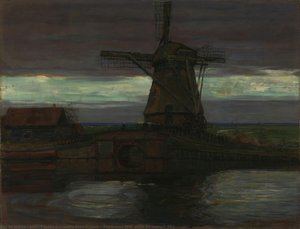
Composition

 გადასართად დაწვრილებით ნახეთ
ხელით ნაკვეთი ზეთის ტილოს რეპროდუქცია
ტილოზე შესრულებული ფერწერიანი ზეთប្រდათი, თქვენთვის სასურველი ზომისა და ჩარჩოსთვის, ჩვენი ხელოვანების მიერ შეკვეთის საფუძველზე დამზადებული. ( გადართვა ბეჭდზე გადასვლა ციფრულ გამოსახულებაზე)




P118B $10

P118H $10

P118W $10

P438Z $10

P508JH $12

P508YH $12

P805H $10

P805Z $10

P919BZ $10

P919G $10

P919XJ $10

P959ZH $10

P968JZ $12

W106C $8

W218G $10

W218JH $8

W218Y $10

W307PJ $10

W316G $10

W316PJ $8

W316Y $10

W398PJ $8

W4111J $10

W500HY $15

W500JH $15

W692G $12

W849H $8

W940BG $15

W953PJ $8




აირჩიეთ ჩვენს მიერ წინასწარ განსაზღვრული ზომებიდან, რომლებიც ნაწარმოების ორიგინალურ პროპორციებს შეესაბამება.

თქვენ შეგიძლიათ მიუთითოთ თქვენთვის სასურველი ზომები კონკრეტული ჩარჩოს ან სივრცის შესაბამისად. თუ თქვენ მიერ არჩეული ზომა არ შეესაბამება ორიგინალი გამოსახულების პროპორციებს, ჩვენ ან შევაჭრებთ ნაწარმოებს, ან ტილოზე დავამატებთ ხელით მოხატულ ელემენტებს. წარმოების დაწყებამდე, დამტკიცებისთვის გამოგეგზავნებათ ციფრული მაკეტი.
გთხოვთ, გაითვალისწინოთ, რომ ეკრანზე ნაჩვენები წინასწარი შეხედულება არ ასახავს რეალურ შეჭრას ან გაფართოებას. საბოლოო კომპოზიციას ზუსტად მხოლოდ მაკეტი წარმოაჩენს.
მიუხედავად იმისა, რომ შესაძლებელია ინდივიდუალური ზომების შერჩევა, ორიგინალური პროპორციების შენარჩუნებისათვის გირჩევთ, გამოიყენოთ წინასწარ განსაზღვრული სიის ზომები.
შეკვეთის შემდეგ, OriginalUniqueArt.com გუნდი დაგიკავშირდებათ ელექტრონული ფოსტით ინსტრუქციებისთვის და გამოგიგზავნით წინასწარ ნახაზს (mockup).
მიწოდება მსოფლიო მასშტაბით -ში 3/4 კვირაში, სტანდარტული 5 კვირის ნაცვლად. (12 სექტემბერი). ხარისხზე კომპრომისის გაკეთება არ მოხდება.

უფასო ექსპრეს მიწოდება მთელ მსოფლიოში

საბამად მაღალი ხარისხის ტილო

სრული ტრანსპორტირების დაზღვევა

საბაჟო გადასახადების დაბრუნების გარანტია

ფერების სრული შესაბამისობის გარანტია

დაბრუნების 100-დღიანი პოლიტიკა (მხოლოდ დეფექტის შემთხვევაში)

100% თანხის დაბრუნების გარანტია

ფასდაკლება დიდი რაოდენობით შეკვეთისას
 მინის ჩარჩოს არჩევანი ხელმისაწვდომია მხოლოდ 110 სმ-ზე ნაკლები ზომისთვის

Composition
რეკლამაციის ტექნიკა
რეკლამაციის ზომა
-


საბოლოო ფასი
$ 300
A Life Unveiled: The Journey of Piet Mondrian
Piet Mondrian’s artistic odyssey began not with grand pronouncements but with quiet observation—a diligent study of the Dutch landscape under the influence of the Hague School and Impressionism. Early canvases like *The Red Mill*, imbued with meticulous detail, showcased a young artist mastering technique while subtly grappling with questions beyond mere representation. This initial fascination with nature wasn’t merely about capturing its beauty; it was about understanding its underlying order—a quest that would ultimately propel him toward radical simplification. Experimentation with Pointillism and Fauvism offered valuable insights into color theory, yet Mondrian remained unconvinced that these styles adequately conveyed his evolving artistic sensibilities.- Early Influences: The Hague School’s emphasis on atmospheric perspective and Dutch Impressionism's exploration of light played a crucial role in shaping Mondrian’s formative years.
- Experimentation with Color & Form: He ventured into Fauvist techniques, embracing bold hues to express emotion—a departure from the prevailing academic conventions.
- The Seeds of Simplification: Even amidst these explorations, a persistent desire for distilling nature’s essence lingered within him, foreshadowing his future stylistic breakthroughs.
Composition with Red, Blue and Yellow: A Revolutionary Shift
Mondrian's artistic breakthrough arrived in 1917 with *Composition with Red, Blue and Yellow*, marking a decisive break from traditional painting. Rejecting illusionistic representation altogether, he embraced geometric abstraction—a bold assertion of visual purity rooted in the belief that art should transcend subjective experience and communicate universal truths. This seminal work exemplifies Mondrian’s signature style: a grid composed of horizontal and vertical lines interspersed with squares and rectangles filled with primary colors – red, blue, and yellow – devoid of any shading or texture.- Geometric Abstraction: Abandoning realism, Mondrian opted for a purely geometric approach—a deliberate rejection of naturalistic depiction.
- Primary Colors & Grid Structure: The painting’s core elements—horizontal and vertical lines forming a grid and squares filled with red, blue, and yellow—represent fundamental building blocks of visual harmony.
- Symbolic Significance: Mondrian viewed these geometric forms as embodying spiritual concepts—the horizontal line symbolizing stability and the vertical line representing aspiration toward transcendence.
Historical Context & Artistic Legacy
*Composition with Red, Blue and Yellow* emerged during a period of intense artistic ferment—the Expressionist movement was gaining momentum in Germany, challenging established norms and advocating for emotional intensity. However, Mondrian distinguished himself from his contemporaries by prioritizing intellectual rigor over emotive outpouring. He sought to liberate art from the constraints of sensory perception, believing that it could achieve its highest potential through rational contemplation.- Expressionism vs. Rationality: Unlike Expressionist painters who aimed to convey subjective feelings, Mondrian championed a purely rational aesthetic.
- Influence on Abstract Art Movements: His pioneering approach profoundly impacted subsequent movements—Cubism, Surrealism, and Minimalism—establishing geometric abstraction as a cornerstone of modern art.
- Enduring Appeal: Today, *Composition with Red, Blue and Yellow* continues to captivate audiences worldwide—a testament to Mondrian’s unwavering conviction that art could illuminate the deepest recesses of human consciousness.
Emotional Impact & Artistic Inspiration
Despite its austere appearance, *Composition with Red, Blue and Yellow* possesses a remarkable emotional resonance. The carefully balanced interplay of colors—red, blue, and yellow—creates a visual dynamism that transcends mere chromatic harmony. More importantly, the painting invites viewers to engage in a contemplative dialogue—to consider the underlying spiritual principles that inform Mondrian’s artistic vision. It serves as an enduring source of inspiration for artists seeking to explore the boundaries of abstraction and communicate universal truths through geometric forms.- Visual Harmony & Dynamic Balance: The painting's colors generate a captivating visual experience—a harmonious blend of hues that stimulates contemplation.
- Spiritual Reflection: Mondrian’s work encourages viewers to ponder fundamental concepts—stability, aspiration, and transcendence—reflecting his belief in art’s capacity for spiritual illumination.
Exploring Reproduction & Artistic Appreciation
A high-quality reproduction of *Composition with Red, Blue and Yellow* allows admirers to experience Mondrian's groundbreaking vision firsthand. Careful attention to detail—capturing the subtle nuances of color and texture—is paramount in conveying the painting’s emotional depth and artistic significance. Whether displayed in a contemporary interior or studied as an exemplar of modernist art history, this iconic masterpiece continues to inspire awe and provoke intellectual curiosity—a timeless testament to Mondrian's enduring legacy.მხატვრის ბიოგრაფია
პიეტ მონდრიანის სამყარო: სივრცე, ფერი და სული
პიეტ მონდრიანი (Pieter Cornelis Mondriaan), დაიბადა 1872 წლის 7 მარტს ამერსფორტში, ნიდერლანდებში, იყო ჰოლანდიელი მხატვარი და ხელოვნებათმცოდნე, რომელსაც მიაწერენ თანამედროვე აბსტრაქტული ხელოვნების ერთ-ერთი წიაღმდეგი. მისი ცხოვრება და შემოქმედება მჭიდროდაა დაკავშირებული ფილოსოფიურ მოძრაობასთან – თეოსოფიასთან, რაც მისმა ნამუშევრებმა უნიკალური ესთეტიკური ენის სახით გამოხატა. მონდრიანის ადრეული პერიოდი ხასიათდება ჰოლანდიური ლანდშაფტების შესწავლით, რომელიც ჰაგეს სკოლისა და ნიდერლანდელი იმპრესიონისტების ტრადიციებს ემორჩილება. თუმცა, უკვე მაშინ ჩანს მისი სწრაფვა გამარტივებისა და არსებითობისკენ – ის ცდილობს სამყაროს სულიერს გამოხატოს, რაც მის შემდგომი ნამუშევრების საფუძველი გახდება.
პარიზში გადასვლა, 1912 წელს, მონდრიანის ცხოვრებაში მნიშვნელოვანი გარდამტეხნი იყო. აქ მან გაიცნო კუბიზმი და მისი გავლენით დაიწყო ფორმების დეკონსტრუქცია, ობიექტების გაყოფა გეომეტრიულ კომპონენტებად. მონდრიანი არ უბრალოდ ითვისებდა ახალ სტილს; ის სულიერ ძიებაში იყო ჩართული. თეოსოფიური სწავლებების მიხედვით, ხელოვნება უნდა იყოს საყოველთაო ჭეშმარიტების გამოხატვის საშუალება. სწორედ ამ რწმემ განაპირობა მისი აბსტრაქციისკენ შეუდარებელი სწრაფვა, ფერის და ფორმის აღქმის უმარტივეს ელემენტებამდე მიყვანა. 1917 წელს მონდრიანმა შექმნა ნეოპლასტიციზმი – ხელოვნების ახალი კონცეფცია, რომელიც ეფუძნებოდა სწორ ხაზებს, მართკუთხა ფორმებს და ძირითად ფერებს: წითელს, ლურჯს და ყვითელს, შავ-თეთრ ფონზე. მონდრიანის აზრით, ეს შემცირება არ იყო სიმშვიდის გამოხატვა, არამედ სამყაროს საფუძვლოვან ჰარმონიასთან ვიზუალურ შესაბამისობას.
ნეოპლასტიციზმის განვითარება და "De Stijl"-ის მოძრაობა
მონდრიანი აქტიური მონაწილე იყო "De Stijl" (სტილი) ხელოვნების მოძრაობაში, რომელსაც თეო ვან დოსბურგთან ერთად დააარსა. ნეოპლასტიციზმი გახდა თანამედროვე ხელოვნებაში უმნიშვნელოვანესი მიმართულება. მისი ყველაზე ცნობილი ტილოები, როგორიცაა "წითელი, ლურჯი და ყვითელი კომპოზიცია" და "კომპოზიცია V", ნეოპლასტიციზმის არსებად ითვლება – ისინი წარმოადგენენ მისი გეომეტრიული ენის უმაღლეს გამოხატულებას. მონდრიანი თვლიდა, რომ ხელოვნება უნდა იყოს ზემოქმედების მიღმა, სხვაგვარად არ იქნებოდა მნიშვნელოვანი ადამიანისთვის. ის ცდილობდა ხელოვნებით გონებრივი და სულიერი ჰარმონიის აღწევას.
ნიუ-იორკის პერიოდი: დინამიკა და ახალი რიტმი
მეორე მსოფლიო ომის დაწყების შემდეგ, მონდრიანი იძულებული გახდა ევროპიდან გადახვეწა. 1940 წელს ის ნიუ-იორკში დაბინδέბა, სადაც ქალაქის გრიდიანი სტრუქტურამ ახალი შთაგონება მისცა. მისი შემდგომი ნაშრომები, განსაკუთრებით "브로드웨이 부기우기" (Broadway Boogie Woogie), ასახავს ამ პერიოდს. მონდრიანმა შენარჩუნა ნეოპლასტიციზმის ძირითადი პრინციპები, მაგრამ მის ტილოებში გამოჩნდა დინამიკა და რიტმი, რომლებიც ქალაქის ცხოვრების სცენაა. სწორ ხაზებს მოუვიდა სიკეთის ელემენტი, რაც უფრო თავისუფლად გადაჭერილა ერთმანეთს, ქმნიდა მოძრაობის გრძნობას.
მონდრიანის მემკვიდრეობა: ხელოვნება და დიზაინი
პიეტ მონდრიანის გავლენა ხელოვნების სამყაროზე შეუვალია. ის არ მხოლოდ მხატვარი იყო, არამედ მოწინავე იყო, რომელმაც რადიკალურად შეცვალა აბსტრაქტული ხელოვნების აღქმა და მისი პოტენციალი უნივერსალური ჭეშმარიტებების გამოხატვისთვის. მისი ნაშრომი განუწყვეტლივად აფასებს მხატვრებს, მოძრავეთა და დიზაინერებს, თანამედროვე ესთეტიკის ფორმირებაში მნიშვნელოვანი წვლილის შეტანას. მონდრიანის პრინციპები – სიმარტივა, სიชัดเจน და გეომეტრიული წყობილება – არქიტექტურაში, დიზაინში და მოდაშიც აღმოჩნდა. მისი ესთეტიკური იდეალები დღემდე ინსპირაციას უწევს სხვადასხვა სფეროში.
ძირითადი ნაშრომები
- "წითელი ფქვილი" – ადრეული პერიოდის ნატურალური ლანდშაფტი.
- "წითელი, ლურჯი და ყვითელი კომპოზიცია" – ნეოპლასტიციზმის განმსაზღვრავი ტილო.
- "კომპოზიცია V" – გეომეტრიული ფორმების შემცირების დემონსტრაცია.
- "브로드웨이 부기우기" – ნიუ-იორკისგან შთაგონებული ტილო, რომელიც გამოხატავს ქალაქის დინამიკას.
მონდრიანის მემკვიდრეობა არის არა მხოლოდ زیباییების სიმბოლო, არამედ ინტელექტუალური სიღრმისეული და ხელოვნების გარდამორთქმულ პოტენციალის უნარი.

პიეტ მონდრიანი
1872 - 1944 , ნიდერლანდი
მოკლე ინფორმაცია
- Artistic Movement Or Style: ნეოპლასტიციზმი, დე სტილი
- Artists Or Movements Influenced By This Artist:
- აბსტრაქტ ექსპრესიონიზმი
- მინიმალიზმი
- ფერის ცენტრი
- Artists Who Influenced This Artist:
- ჰააგული სკოლა
- კუბიზმი
- თეოსოფია
- Date Of Birth: 7 მარტი, 1872
- Date Of Death: 1 თებერვალი, 1944
- Full Name: პიეტ მონდრიანი
- Nationality: ნედერლანდელი
- Notable Artworks:
- წითელი, ლურჯი და ყვითელი კომპოზიცია
- მაგიდა № 2 კომპოზიცია V
- ბროდვეის ბუგვი-ვუგისი
- Place Of Birth: ამერსფორტი, ნიდერლანდი
დაკავშირებული სტატიები
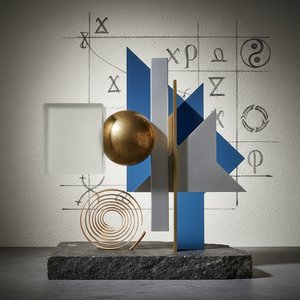
Beyond Form: Exploring the Philosophical Foundations of Geometric Abstraction
Explore the philosophical roots & artistic evolution of geometric abstraction with OriginalUniqueArt. Discover Mondrian, Malevich, De Stijl & more. Expert insights for collectors and art enthusiasts.
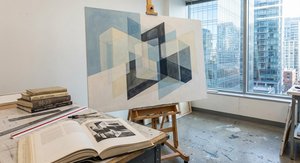
Beyond Form & Color: Geometric Abstraction's Enduring Legacy in Art History
Explore the captivating world of geometric abstraction! Discover its origins, key artists like Malevich & Mondrian, and why this movement remains highly valued by art collectors today. Expert insights at OriginalUniqueArt.

Beyond Form & Color: Geometric Abstraction's Evolution in 20th/21st Century Art
Explore the evolution of geometric abstraction from Cubism to contemporary art. Discover key artists like Malevich & Mondrian, investment insights, and expert collecting advice at OriginalUniqueArt.

გეომეტრიული აბსტრაქცია: 10 შედევრი, რომელმაც ხელოვნება განსაზღვრა | OriginalUniqueArt.com
გეომეტრიული აბსტრაქციის 10 შედევრი მონდრიანის, მალევიჩისა და კანდინსკის ჩართულობით. გაიგეთ მათი ისტორია, ტექნიკა და გავლენა ხელოვნებაზე. შეიძინეთ უმაღლესი ხარისხის რეკონსტრუქციები OriginalUniqueArt.com-ზე!

Neo-Abstract Art: The High-Impact Evolution of Modern Visual Energy and Geometric Sophistication
Discover the power of Neo-Abstract art. Explore how bold geometric forms and high-impact visual energy are redefining modern design. Learn to curate sophisticated, high-energy spaces with the latest trends in contemporary abstraction and structural color.